Signs Your Pet Bird Is Unhappy: How to Improve Their Well-Being
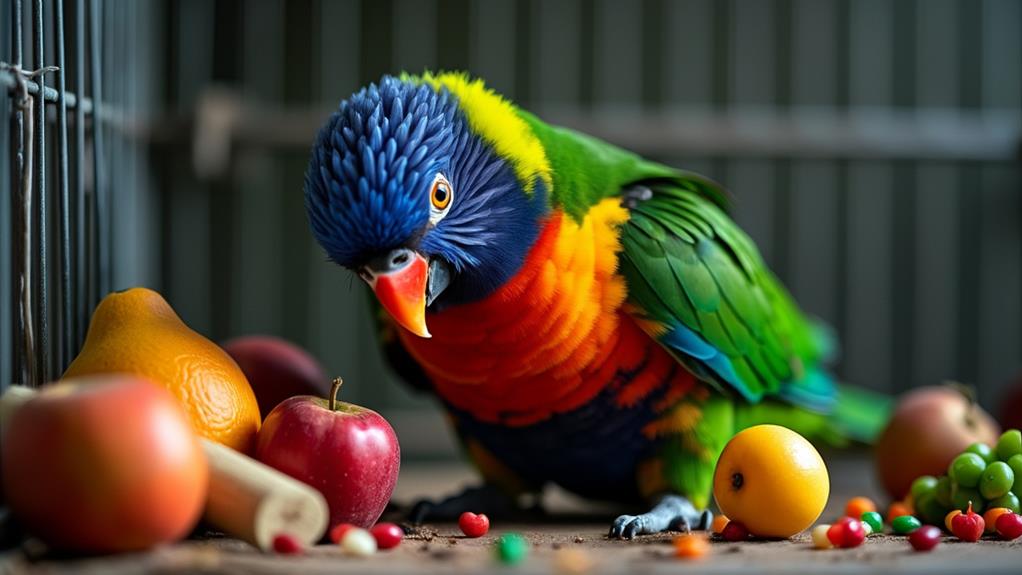
If you notice your pet bird exhibits increased biting, loud vocalizations, or silence, they might be unhappy. Feather picking and changes in grooming can also signal stress or depression. Keep an eye on their appetite and energy levels, as lethargy and poor eating habits often indicate distress. Make certain their environment reduces stress by offering enough space, free from loud noises, and introduce new pets or people gradually. Daily interaction is essential, as is a consistent routine with playtime and quiet retreats. Regular vet visits can catch issues early. Learn how to create a happier and healthier life for your bird.
Key Takeaways
- Increased aggression or biting indicates stress, requiring enhanced social interaction and environmental enrichment.
- Excessive or sudden vocalization changes suggest distress, needing routine adjustments and interactive play.
- Feather-picking and self-mutilation are stress signs, necessitating immediate veterinary attention.
- Environmental changes like loud noises or confined spaces can cause stress, needing gradual adjustments and space optimization.
- Regular veterinary check-ups ensure early detection of health issues affecting your bird's well-being.
Behavioral Indicators
Understanding your pet bird's behavior is vital for guaranteeing its well-being. If you notice increased biting or aggression, it often points to underlying stress or fear. Examine their environment and social interactions closely to identify potential stressors. Likewise, a sudden increase in vocalization, like screaming or repetitive calls, might signal distress or unhappiness. In such cases, improve social interaction and provide mental stimulation to alleviate their discomfort.
On the flip side, decreased vocalization, such as less chirping or talking, can indicate stress, depression, or even illness. It's important to arrange a veterinary examination promptly to rule out any health issues. Feather picking or self-mutilation behaviors are severe indicators of stress or boredom. These require immediate attention through veterinary intervention and a thorough behavioral assessment to prevent further harm.
Lethargy, characterized by disinterest in toys or playtime, suggests potential depression. This highlights the necessity for increased social engagement and mental stimulation to keep your bird active and content. By understanding these behavioral indicators, you can create a supportive environment that addresses your pet bird's emotional needs and guarantees its overall happiness.
Health Implications
When your pet bird exhibits sudden behavioral changes like increased aggression or vocalization, it's often a red flag for underlying health issues that need immediate veterinary attention. These behaviors can signal stress and unhappiness, which might stem from an underlying medical problem. Stress in birds can lead to significant weight loss due to decreased appetite, which may result in nutritional deficiencies. It's essential to recognize these signs of distress early.
To guarantee your bird's well-being, consider these significant actions:
- Monitor for sudden behavioral changes such as increased aggression or vocalization.
- Check for weight loss and changes in eating habits, as these can indicate stress-related health issues.
- Schedule regular veterinary check-ups to catch potential problems early.
- Seek a thorough veterinary examination if your bird displays signs like biting or excessive screaming.
- Provide urgent veterinary care if severe stress behaviors, like self-mutilation, are observed.
These steps are fundamental because they help identify health issues before they escalate. Birds displaying pain or distress require professional attention to prevent permanent damage. Guaranteeing a healthy environment and seeking timely medical intervention are key to improving your pet bird's well-being.
Environmental Factors
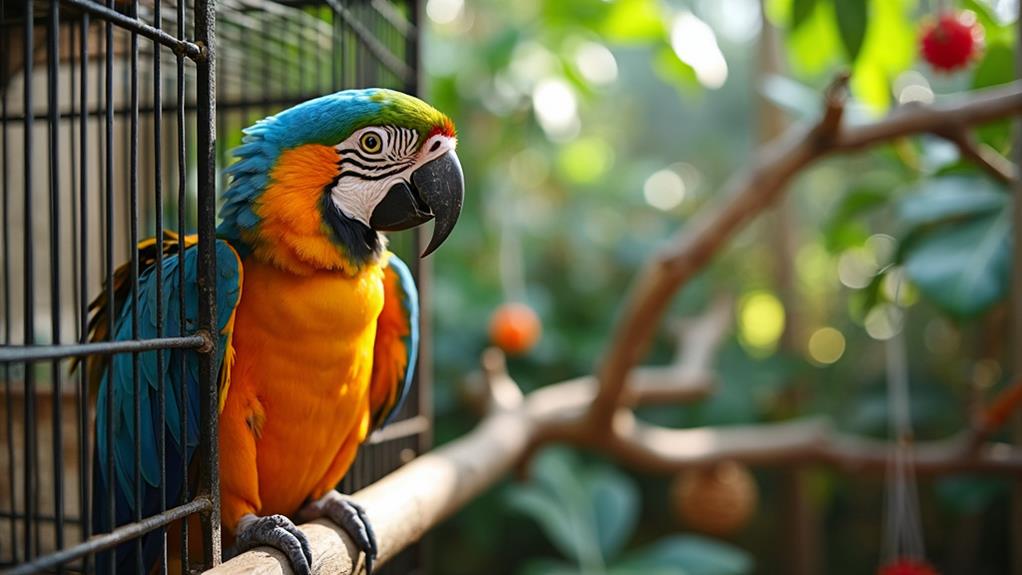
Environmental factors play a significant role in your pet bird's well-being, and even subtle changes can have a considerable impact. Environmental changes, like moving homes or introducing new pets, can spike your bird's stress levels. This often leads to behavioral issues such as feather picking or reduced vocalization. It's important to monitor these changes and how they affect your bird.
Loud noises, such as construction or sudden household disturbances, can trigger anxiety in birds. This stress might manifest as destructive behaviors or aggression, so minimizing exposure to these sounds is crucial. Inadequate space or unsuitable cage conditions also contribute to confinement feelings and boredom, negatively impacting your bird's well-being. Make certain the cage is appropriately sized and enriched with toys and perches.
The presence of unfamiliar animals can be unsettling for birds, leading to heightened stress levels and withdrawal from social interactions. If you have other pets, make sure they coexist peacefully. Changes in routine, such as feeding schedules or light cycles, can disrupt your bird's sense of security, causing anxiety and regression. Maintaining a consistent routine helps your bird feel safe and secure, promoting a healthier, happier life.
Socialization Needs
Just as environmental factors impact your bird's well-being, their socialization needs are likewise fundamental. Birds are highly social creatures, and regular interaction is vital for their emotional well-being. Without it, they can experience stress and boredom, leading to behavioral issues and even aggression. You might notice signs of unhappiness in birds, such as decreased vocalization or self-destructive behaviors, which indicate a need for companionship and engagement.
To improve well-being, consider the following:
- Engage in daily interaction, like talking, playing, and training, to elevate their mental health.
- Arrange playdates or supervised interactions with other birds to prevent loneliness.
- Observe for signs of stress and boredom, adjusting socialization activities as needed.
- Create a routine that includes consistent engagement to reduce anxiety-related behaviors.
- Pay attention to changes in behavior that might signal unmet socialization needs.
Research shows that birds engaged in social play have lower stress levels compared to isolated ones. By addressing their socialization needs, you not only improve their quality of life but also foster a strong bond with your feathered friend. Remember, a well-socialized bird is a happy bird.
Vocalization Changes
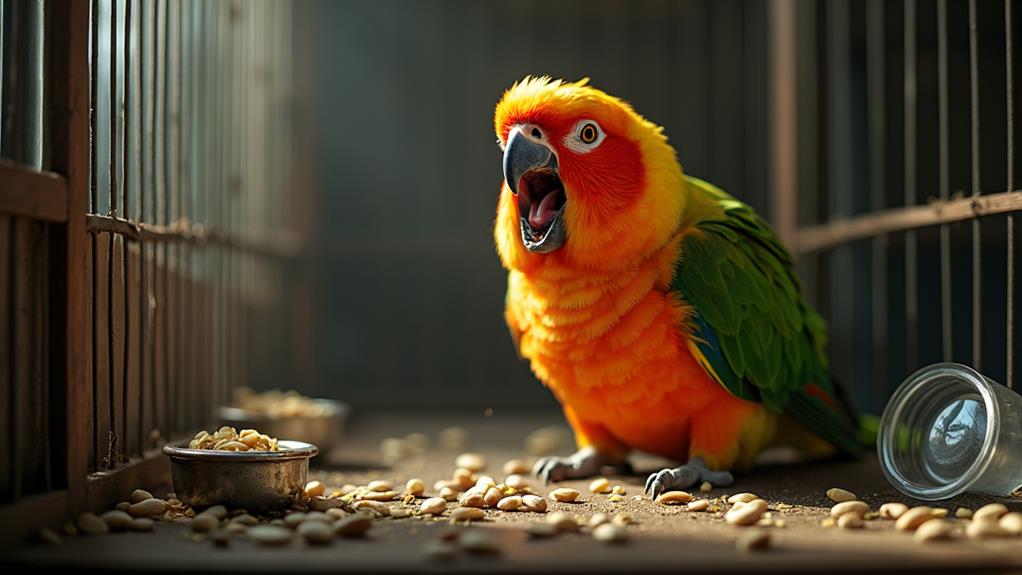
Birds are vocal creatures, and changes in their vocalization patterns can provide significant insights into their emotional well-being. If your bird suddenly starts screaming or producing loud vocalizations, it might be experiencing stress and fear. Such excessive vocalization often indicates that your feathered friend is unhappy, possibly due to boredom or a lack of interaction. On the flip side, a typically chatty bird that becomes unusually quiet could be showing signs of stress, emotional distress, or social isolation, signaling a need for your attention.
Monitoring these vocalization changes is vital for understanding your bird's mental health. An increase or decrease in vocal activity can help you with the early detection of issues affecting your pet's well-being. By recognizing these signs, you can take steps to address potential stressors.
To improve your bird's emotional state, engage in regular interactive vocal play. This not only stimulates their mind but also strengthens your bond. Conversing with your bird can promote positive vocalization patterns and reduce signs of stress. Paying attention to your bird's vocal cues is important in maintaining a happy and healthy environment for your avian companion.
Physical Symptoms
After understanding the significance of vocalization changes, it's also vital to recognize the physical symptoms that indicate a bird's well-being. Observing your bird's behavior can reveal signs of stress and emotional distress, which may require prompt attention. Feather-picking, for instance, is a common sign of chronic stress or boredom. If left unaddressed, it could lead to permanent feather damage. Likewise, aggressive behaviors like biting or hissing often reflect underlying emotional distress or fear. These signs should prompt a veterinary examination to rule out any health issues.
Additionally, a noticeable loss of appetite or refusal of favorite treats might signal emotional distress or health problems. Monitoring your bird's eating habits is critical, as changes could require a veterinary evaluation. Increased vocalization, regardless of excessive screaming or sudden silence, can also indicate unhappiness and environmental stressors.
Keep an eye out for these physical symptoms:
- Feather-picking: Indicates stress or boredom
- Aggression: Biting or hissing due to emotional distress
- Appetite changes: Loss of appetite as a distress signal
- Vocalization changes: Excessive or reduced vocalizing
- Grooming habits: Neglecting self-care or appearing unkempt
Recognizing these signs can help improve your bird's total well-being.
Stress Management Strategies
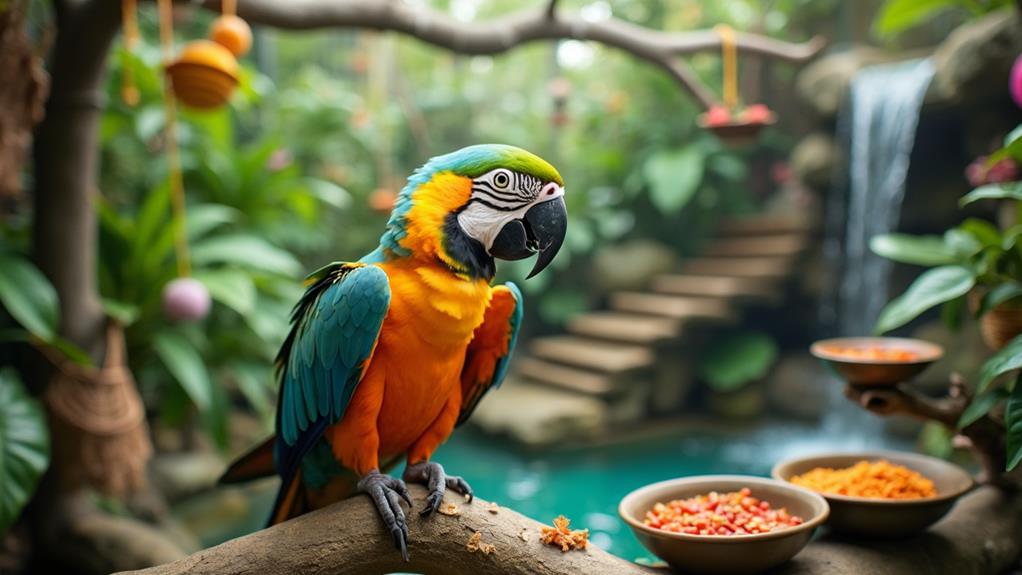
Managing stress in pet birds starts with creating an engaging and stable environment. A stressed bird often exhibits signs of stress such as feather plucking or excessive vocalization. To help a stressed bird, begin by offering a variety of interactive toys and activities to stimulate their mind. This approach can greatly reduce boredom and alleviate stress. Establishing a consistent daily routine for feeding and social interactions will further reduce anxiety by providing your bird with a sense of security.
Creating a quiet space is vital for minimizing stress. Make certain your bird has a designated area free from loud noises and sudden disturbances. This safe haven will help reduce their stress levels and promote a sense of calm. If you're introducing new pets or people, do so gradually and use positive reinforcement to ease changes.
It's fundamental to identify underlying health issues that might contribute to your bird's stress. A thorough veterinary examination can help pinpoint any health concerns and allow for timely interventions. By addressing these aspects, you can greatly improve your bird's well-being and guarantee they lead a happy, stress-free life. Implementing these strategies will make a noticeable difference in their general demeanor.
Role of Veterinary Care
In relation to guaranteeing the well-being of your pet bird, veterinary care plays an essential role. Regular visits to a veterinarian are imperative for maintaining your bird's health and happiness. A thorough veterinary examination can help detect stress-related health issues early, allowing for timely intervention and treatment. Avian veterinarians can conduct behavioral assessments to pinpoint the reasons behind your bird's unhappiness. This all-encompassing approach guarantees your bird receives the best care possible.
Preventive measures, like routine health checks and vaccinations, considerably reduce illness risks and associated stress. Consulting with a veterinarian also provides tailored strategies to improve your bird's quality of life. During these visits, consider the following:
- Blood work and physical examinations to uncover hidden health problems.
- Behavioral assessments to identify and address the root causes of unhappiness.
- Regular vaccinations as preventive measures against common diseases.
- Routine health checks to guarantee ongoing well-being and happiness.
- Consulting for personalized strategies to enhance your bird's environment and care.
Enhancing Bird Well-Being
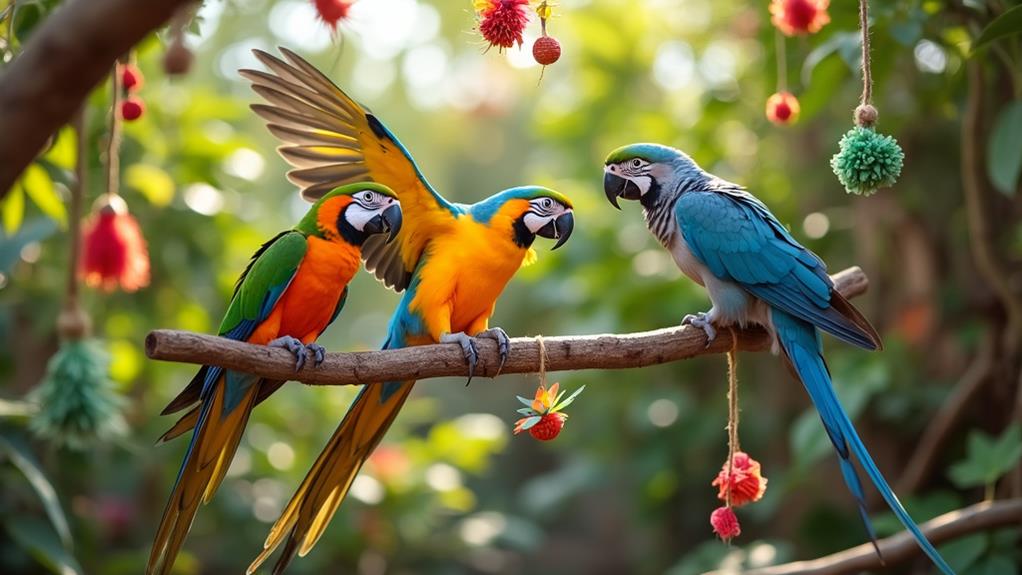
While veterinary care provides the foundation for your pet bird's health, enhancing their well-being involves attention to their everyday life. Start by incorporating interactive toys into their environment to combat boredom and promote better mental health. Birds thrive on mental stimulation, so these toys can be vital in keeping their minds active and reducing stress.
Establish a consistent daily routine that includes regular feeding times, designated play sessions, and social interaction. A predictable schedule helps your bird feel secure and can greatly reduce anxiety. Make time to engage with your bird through conversation and play. This strengthens the bond between you and your pet, supporting their emotional well-being.
Creating a quiet space in your home, away from loud noises and visual distractions, is also important. Such an area allows your bird to retreat and relax, minimizing stress-related behaviors. If you're considering adding new pets or making environmental changes, introduce these gradually. This approach prevents overwhelming your bird, reducing the risk of stress and promoting a stable and happy environment.