Siberian Cat: The Fearless and Exquisite Russian Breed
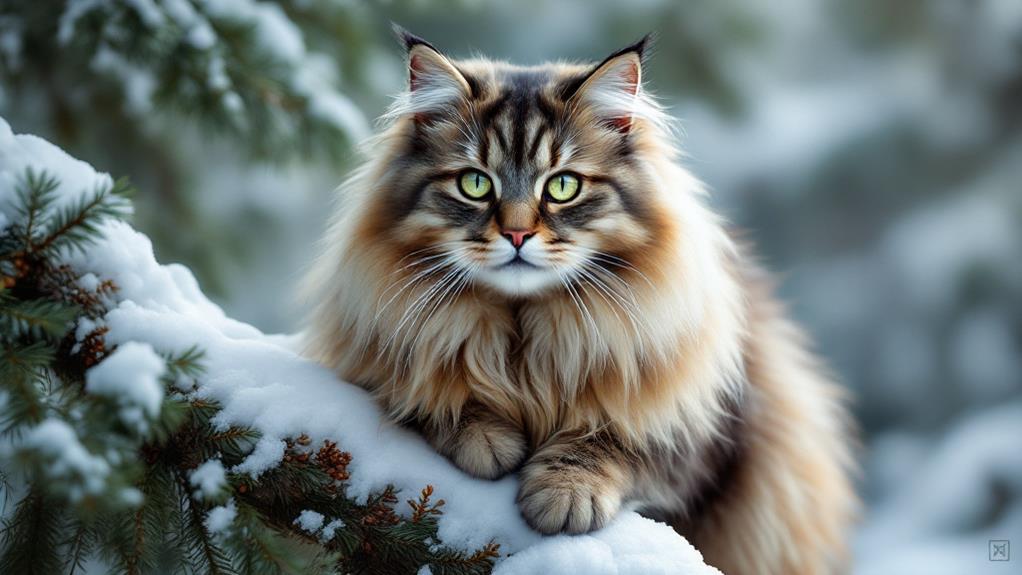
You'll find the Siberian cat truly enchanting with its fearless nature and striking beauty. Its thick, triple-layered coat, which comes in a rainbow of 124 colors, keeps it snug and ready for any weather. Known for sociability, this breed bonds quickly with family and pets. Originating over a millennium ago in Russia, they're valued for emotional insight and playful antics. Providing a home for one entails regular grooming and a protein-rich diet. Despite some health vulnerabilities, with attentive care, they'll thrive. There's much more to uncover about these intriguing cats and their unique relationship with humans.
Unique Physical Characteristics
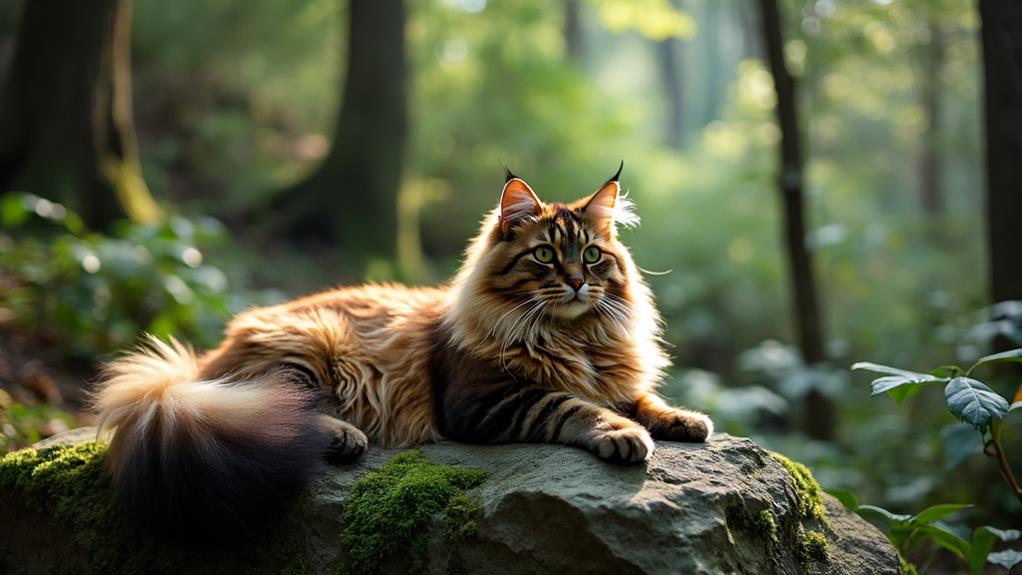
Boasting a striking and robust appearance, Siberian cats are a remarkable breed with distinct physical traits. As a medium to large breed, males usually weigh between 13.2 to 22 pounds, while females range from 8.8 to 13.2 pounds. One of the most impressive features of the Siberian is their thick triple-layered coat, designed for harsh climates. This coat includes a soft undercoat, a middle layer of longer awn hair, and a top layer of guard hairs. It not only provides excellent insulation but also offers water-repellency, making Siberians well-suited for cold environments.
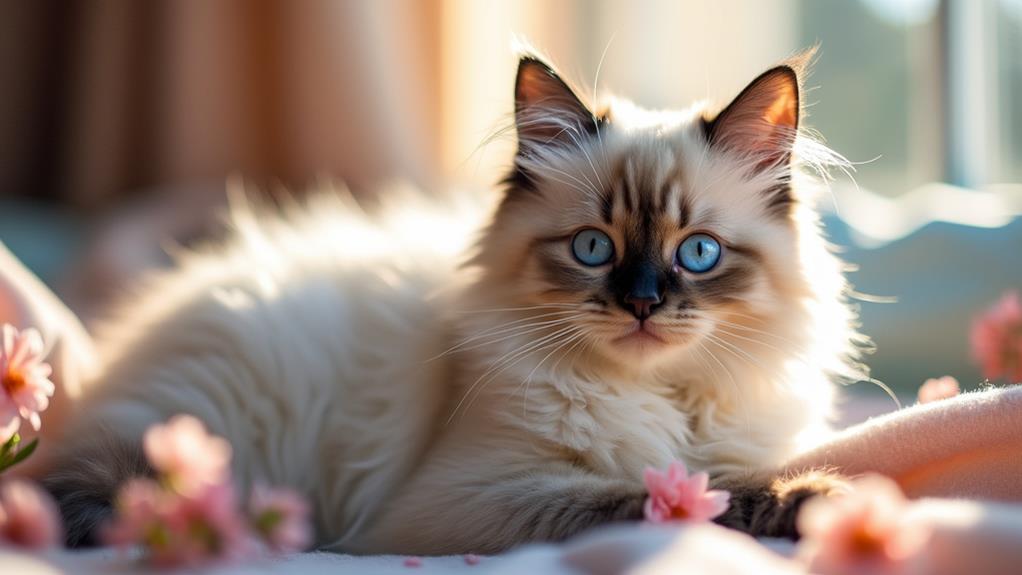
Their eyes, typically round, contribute to their enchanting look, with colors varying from green to gold, although blue eyes are less common. The rounded ears of the Siberian breed are adorned with lynx tips and long tufts of hair, enhancing their wild, natural appearance. These lynx tips are not just for show; they help the breed adapt to their environment by offering extra protection from the elements. With a wide array of coat colors and patterns, including tabby, solid, bicolor, and color point, Siberians truly showcase their unique physical characteristics, offering 124 possible variations to admire.
Distinctive Temperament Traits
While Siberian cats are renowned for their striking physical appearance, their distinctive temperament traits truly set them apart. These cats are incredibly friendly and sociable, forming strong bonds not just with their human companions, but also with other pets. This makes them perfect for busy households where interaction is constant. Their playful and energetic nature stays with them well into adulthood, so you can expect a Siberian to engage in interactive play, keeping the environment lively and stimulating.
One of the most remarkable traits of Siberian cats is their high level of emotional intelligence. They have an innate ability to sense when you need comfort, offering support during stressful times. Despite initial shyness with strangers, they quickly adapt to social situations, becoming affectionate as they warm up to new people.
Moreover, Siberians often display dog-like behaviors, such as fetching and following you around the house. This makes them not only engaging pets but also companions that seek your company and interaction. Their adaptability and unique temperament make Siberian cats a delightful enhancement to any home, transforming your living space into a haven of affection and companionship.
Rich Historical Background
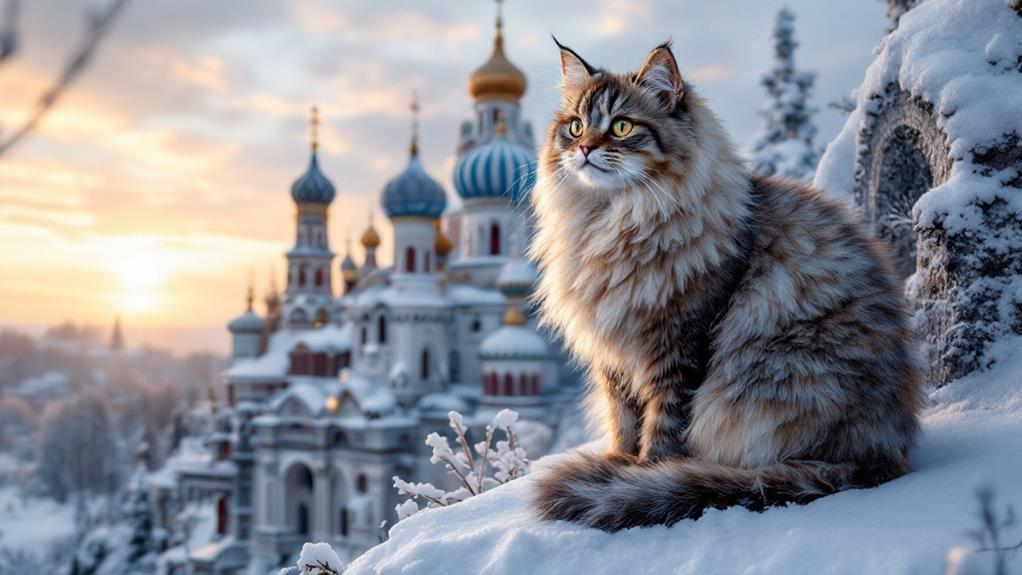
Rooted deeply in history, the Siberian cat breed traces its lineage back to around 1000 AD in Russia. These majestic felines were cherished for their exceptional rodent control and as beloved companions in Russian households. Their significance extends beyond practical purposes, as they're woven into Russian folklore and fairy tales, symbolizing cultural pride and regarded as a national gem.
The Siberian cat's appeal wasn't confined to Russia. In 1871, they made their international debut at a cat show in London, enthralling audiences and beginning their expedition to global recognition. Despite their early popularity, the breed's official preservation efforts began much later. In 1987, an official Russian breeding program was established to maintain and celebrate the Siberians' unique traits.
The end of the Cold War marked another significant chapter in the breed's history. Siberian cats were initially imported to America in 1990, paving the way for their international acclaim. Their qualities didn't go unnoticed, as they achieved CFA Championship status in 2006, solidifying their standing in the global cat community. This historical expedition showcases the Siberian cat's enduring charm and significance worldwide.
Comprehensive Care Guide
Caring for a Siberian cat often requires attentive and tailored efforts to guarantee their well-being and happiness. Begin with a high-quality diet rich in protein, suited to their stage of life and activity level. This helps sustain their energy and prevents obesity, which could lead to other health issues. Regular grooming is fundamental for Siberian cats. Their water-resistant coat needs weekly brushing, increasing to daily during molting seasons, to manage shedding and prevent matting.
Routine veterinary check-ups are important for early detection of potential health concerns like hypertrophic cardiomyopathy. These visits ascertain that any developing issues are caught early, maintaining your cat's health. Siberian cats are known for their playful nature, so incorporating interactive toys and puzzles into their routine keeps them mentally and physically stimulated, allowing them to exhibit their kitten-like enthusiasm for years.
Don't overlook dental hygiene—regular brushing and nail clipping are key to preventing dental problems and injuries. These practices are imperative to keeping your Siberian cat healthy. By focusing on these thorough care aspects, you can guarantee your Siberian cat thrives, enjoying a happy and healthy life.
Common Health Concerns
Siberian cats, with their robust health, still have their share of common health concerns that prospective owners should be aware of. Despite being generally healthy, these cats have an average lifespan of 12-15 years and can be susceptible to genetic conditions like hypertrophic cardiomyopathy (HCM) and polycystic kidney disease (PKD). HCM affects the heart muscles, while PKD impacts kidney function. Regular veterinary check-ups are essential for early detection and management of these conditions.
Siberian cats may also face urinary tract diseases, which can cause discomfort and require prompt attention. To mitigate these issues, maintaining a high-quality diet plays a significant role in their health. Feeding them nutritious food supports their general well-being and helps prevent obesity, which can lead to diabetes and heart disease. Weight management is crucial in ensuring your Siberian cat stays active and healthy.
Additionally, proper dental hygiene is significant, as oral health issues can affect their quality of life. By focusing on these areas, you can help your Siberian cat lead a long, healthy life. Always consult with your vet to tailor a health plan suited to your cat's needs.
Grooming and Maintenance
Regarding grooming and maintenance, you'll find that keeping your Siberian cat's coat in top condition is both important and rewarding. Siberian Forest cats boast a thick triple coat that demands regular grooming to stay healthy and beautiful. You'll need to brush your cat's coat weekly, but during seasonal shedding, daily brushing becomes necessary. This not only prevents matting but also helps manage the hair shed in your home, reducing allergens.
Their coat is water-resistant, so when it's time for a bath, you'll need a bit more patience. Bathing every two months is recommended to maintain both cleanliness and coat health. Make certain to use special brushes designed for dense fur to guarantee effective maintenance during your grooming routine.
Don't overlook nail trimming, as it's critical for preventing injury and infection. Regular nail care contributes greatly to your cat's general well-being. Remember, as daylight hours change, so does the shedding pattern, necessitating extra attention during these times. By investing a little time and effort into these grooming practices, you'll assure your Siberian Forest cat stays not just stunning but also healthy and happy.
Adoption and Community Insights
Often, when you're considering bringing a Siberian cat into your home, adoption is a rewarding and compassionate choice. While purebred Siberian cats are rarely found in shelters, many lovable non-purebreds enthusiastically await your affection. Resources like Petfinder can help you locate both confirmed Siberian cats and similar breeds in need of adoption. Adopting not only gives a homeless cat a loving family but also enriches your life with a loyal companion.
Community feedback often highlights the joy and companionship that Siberian cats bring. Their affectionate nature is a common praise among families, making them wonderful additions to any household. Furthermore, their lower allergenic properties can make them suitable for some allergy sufferers, though individual reactions vary. It's wise to spend some time with the cat before making your decision.
For those set on purchasing from breeders, engaging with local breeders is crucial. Make certain that they follow responsible breeding practices, prioritizing the health and well-being of the Siberian cats. This approach supports ethical treatment and helps maintain the breed's integrity. Regardless of whether through adoption or responsible purchasing, welcoming a Siberian cat into your home is a decision filled with endless rewards.