Should You Get Your Dog an Elk Antler Chew Toy? Pros and Cons
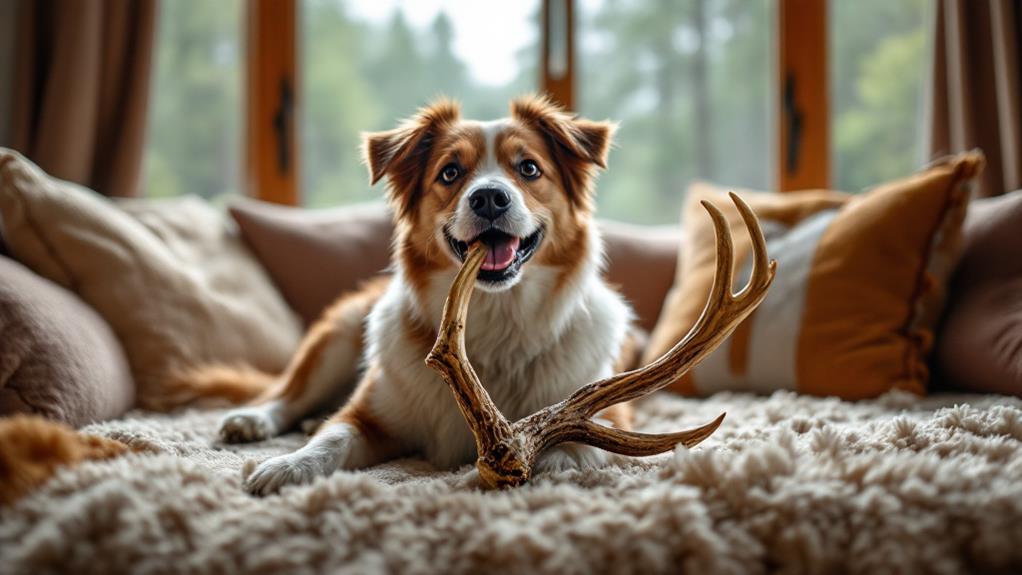
Getting your dog an elk antler chew toy has its perks and pitfalls. Elk antlers are durable and packed with natural minerals, promoting dental health and mental stimulation. They're great for aggressive chewers. However, they pose significant risks like dental fractures and choking hazards. Most veterinarians advise against them due to these dangers. Supervision is a must to prevent accidents from sharp splinters. While elk antlers can satisfy your dog's chewing instincts, consider their size and habits. Alternatives like bully sticks or rubber toys might be safer options. There's more to uncover about making the right chew toy choice.
Understanding Elk Antler Chews
When it pertains to understanding elk antler chews, grasping their unique benefits is key. As a dog owner, you're likely searching for chew toys for dogs that not only withstand aggressive chewers but also offer health benefits. Elk antlers fit this need perfectly. Unlike deer antlers, elk antlers are larger and denser, making them an excellent choice for larger breeds and those with a powerful bite. Their durability means they last longer than typical chew toys, providing ongoing engagement for your pet.
Elk antlers serve as a natural source of vital minerals such as calcium and phosphorus. These minerals are critical for your dog's general health and can contribute greatly to dental benefits by helping maintain clean teeth and healthy gums. Additionally, elk antlers offer mental stimulation, keeping your dog engaged and reducing boredom, which can redirect destructive behaviors into positive chewing activities.
However, it's crucial to supervise chewing sessions to mitigate any potential risks. While elk antlers are less likely to splinter compared to traditional bones, ensuring the antler is appropriately sized for your dog can further reduce choking hazards. In summary, elk antlers can be a beneficial enhancement to your dog's routine.
Safety Concerns and Risks
Many believe elk antlers are a natural and beneficial chew option for dogs, but safety concerns shouldn't be overlooked. While they might seem like an enticing alternative to synthetic toys, the risks are significant. Here's what you need to know:
- Dental Fractures: A worrying 93% of veterinarians don't recommend antler chews because their hardness can lead to dental fractures. This can result in painful and costly trips to the vet, impacting your dog's oral health.
- Choking Hazard: Antler fragments can break off during chewing, posing a serious choking hazard. If a piece obstructs the windpipe, immediate veterinary attention is essential to save your pet.
- Gastrointestinal Obstructions: Swallowed antler fragments can cause esophageal or intestinal blockages, leading to symptoms like vomiting and abdominal pain. Severe cases might require surgical intervention to remove the obstruction.
- Internal Injuries: Regular inspection of the antlers is imperative. Sharp edges and splintering can lead to bleeding gums and internal injuries, complicating your dog's health further.
Benefits of Elk Antlers
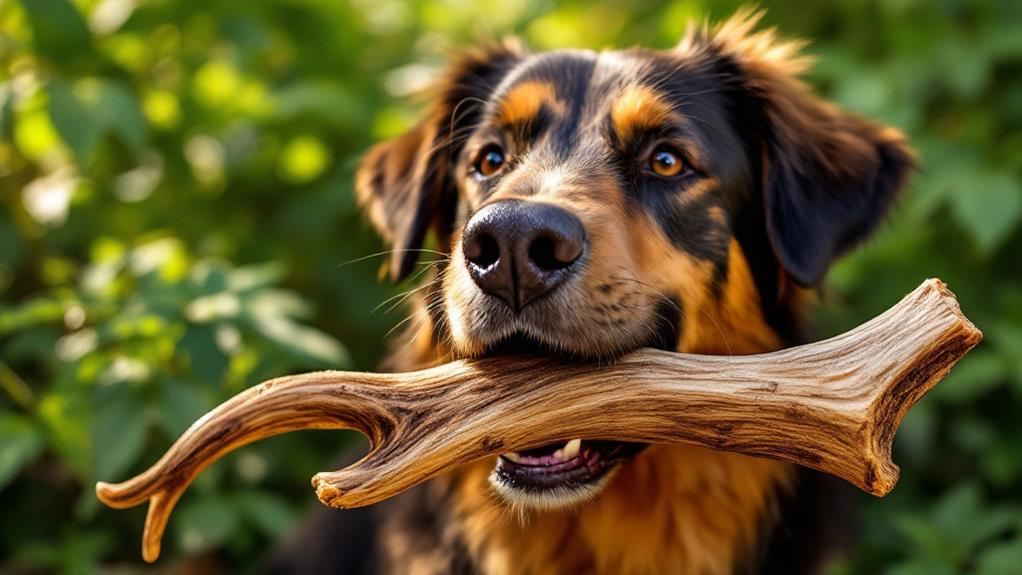
Rich in essential minerals like calcium and phosphorus, elk antlers support your dog's bone health and overall well-being. These natural chew toys are a fantastic choice for promoting dental health. As your dog chews, the antlers help reduce plaque and tartar buildup, leading to fresher breath and healthier gums. Unlike traditional bones, antlers are less likely to splinter, making them safe chew toys and minimizing choking hazards or gastrointestinal issues.
Elk antlers provide a long-lasting chewing experience, often enduring weeks to months, which means you won't need to replace them frequently. This durability not only saves you money but also keeps your dog entertained for extended periods. The natural hardness and texture of antlers satisfy your dog's instinctual chewing style, helping to prevent boredom and destructive behaviors.
Choosing elk antlers as a chew toy can be a wise investment in your dog's health and happiness. They deliver important minerals like calcium while promoting good dental hygiene. Furthermore, their long-lasting nature and safety profile make them a smart option for conscientious pet owners. So, if you're searching for a chew toy that ticks all the right boxes, elk antlers might just be the perfect fit.
Comparing Antler Types
Choosing the right antler type for your dog's chew toy can make a significant difference in their satisfaction and safety. Antlers vary in size, density, and shape, each catering to different dogs based on their size and chewing habits. Understanding these differences will help you select the best option for your furry friend.
- Elk Antlers: These are the largest and densest, making them perfect for aggressive chewers and larger breeds. They offer a long-lasting nature, providing hours of entertainment.
- Whitetail Deer Antlers: More common and affordable than elk antlers, they're a great option for medium-sized dogs. However, they may not last as long, so consider this for less aggressive chewers.
- Mule Deer Antlers: A mid-sized option with a unique shape that offers varied chewing experiences. They're suitable for dogs that enjoy a bit of variety in their chew toys.
- Reindeer Antlers: Similar in density to elk antlers, they feature a curved shape for better grip. Available in both whole and split antlers, they cater to different chewing preferences, providing a versatile option for your dog.
Each antler type has unique benefits, so match them with your dog's needs for the best results.
Choosing the Right Size
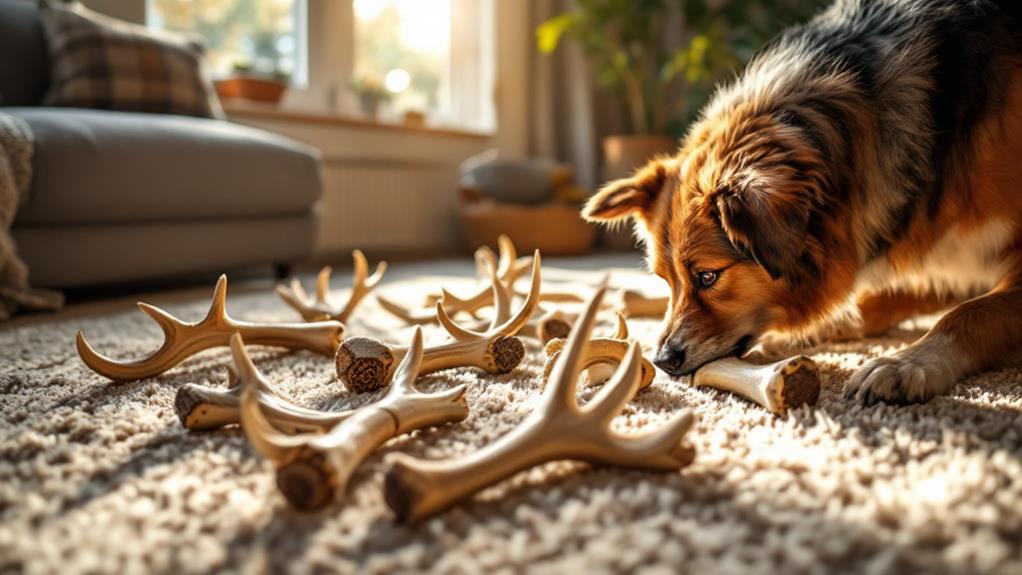
Selecting the right size elk antler for your dog's chew toy is crucial to guarantee both safety and comfort. When choosing the right size, you'll want to verify the antler is large enough to prevent swallowing but small enough for a comfortable chew. A handy guideline is selecting an antler approximately the length of your dog's muzzle. This size allows them to grip and chew with ease, minimizing the risk of a choking hazard.
For small dogs, opt for smaller split elk antlers or even fallow deer antlers. These are more appropriate for their smaller jaws and less intense chewing habits. On the other hand, larger breeds may require whole elk antlers that can withstand their stronger bites. Always monitor the size of the antler over time. If it becomes too small or shows excessive wear, replace it promptly to avoid potential swallowing accidents.
Consulting your vet for recommendations is also wise. They can provide insights based on your dog's breed, size, and specific chewing habits. By choosing the right size, you confirm your furry friend enjoys their elk antler safely, without any unnecessary risks.
Care and Maintenance Tips
Maintaining your dog's elk antler chew toy is essential for both safety and longevity. Integrating it into your dog's dental care routine improves their chewing experience while protecting their health. Here are some important tips to keep in mind:
- Limit Chewing Sessions: Make sure your dog chews for only 15-30 minutes. This prevents excessive wear on their teeth and helps avoid overly aggressive behavior.
- Inspect the Elk Antler: Regularly check the antler for signs of wear, sharp edges, or cracks. Replace it if it becomes too small to prevent choking hazards.
- Store Elk Antlers Properly: Keep them in a cool, dry place to avoid mold or spoilage, making sure the antler remains safe for your dog to chew on.
- Clean the Antler Periodically: Use warm water to remove dirt or bacteria. Avoid harsh chemicals that could harm your pet.
It's also important to monitor your dog's chewing behavior and general dental health. If you notice any tooth damage or gastrointestinal issues, consult with a veterinarian promptly. By following these tips, you can guarantee that your dog enjoys their elk antler safely and effectively.
Alternatives to Antler Chews
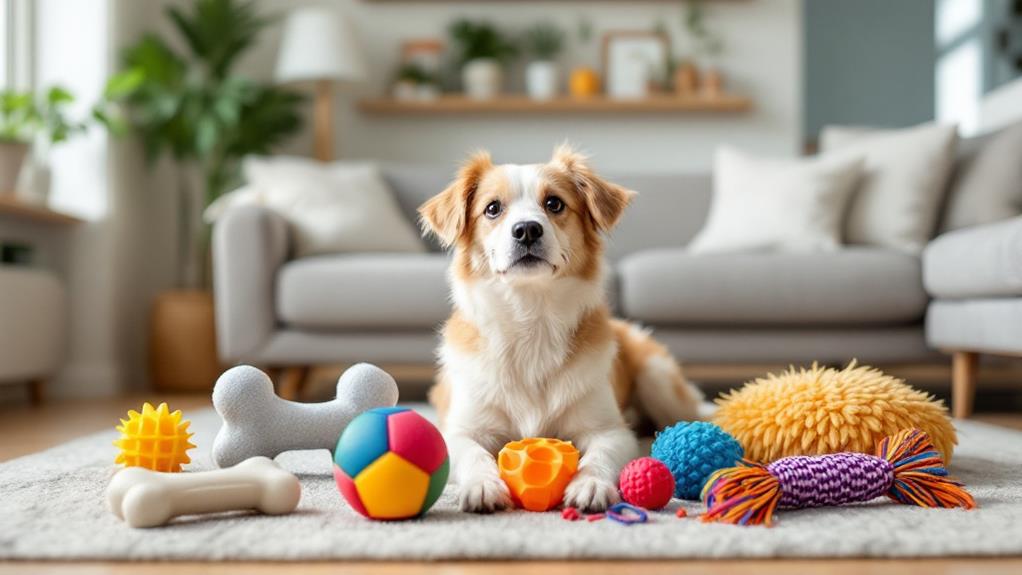
When you're considering alternatives to antler chews, there are several excellent options that cater to different needs and preferences. Bully sticks are a favorite among pet owners, as they're soft yet durable and highly digestible, making them a safer option for your furry friend. These chews provide a satisfying experience without the risk of causing gastrointestinal issues often associated with harder chews.
For a longer-lasting option, Himalayan yak chews are perfect. Made from hard cheese, these low-fat treats can keep dogs engaged without the risks that come with antler chews. They're great for providing dental benefits and satisfying your dog's chewing habits.
Rubber or nylon chew toys from brands like Kong or Planet Dog are also excellent for aggressive chewers. These toys are designed to be durable and safe, reducing the risk of dental damage and choking hazards, ensuring your pet's safety while they play.
If you're considering raw bones, they can offer similar satisfaction, but you must select them carefully and supervise your dog to prevent splintering and gastrointestinal issues. A vet consultation can help you choose the best chew options tailored to your dog's specific needs.