Scottish Fold: the Unique Cat With Adorable Lop Ears
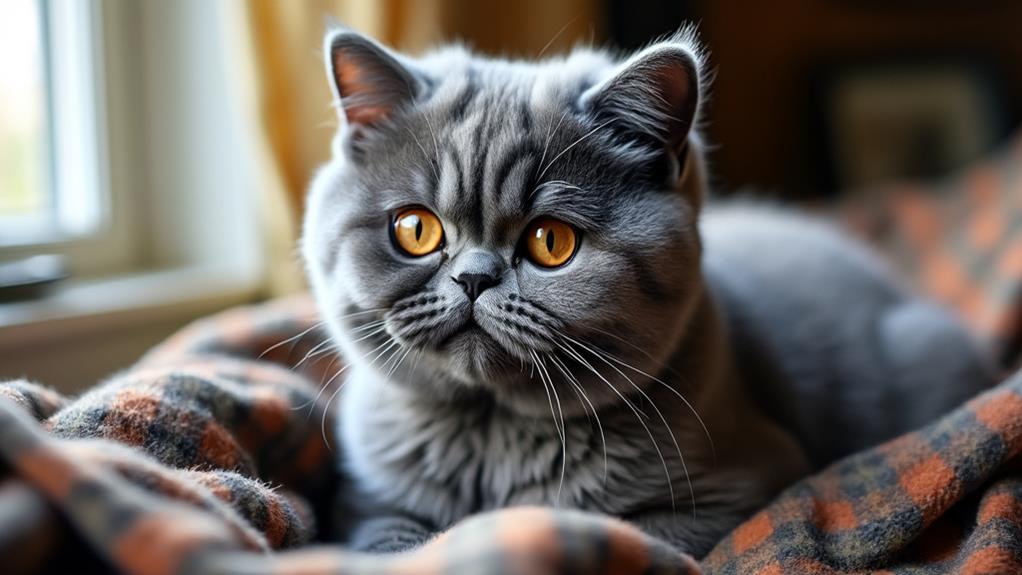
When you're captivated by the distinctive lop ears of the Scottish Fold, you're admiring a unique genetic trait that traces back to a barn cat named Susie in 1960s Scotland. These medium-sized cats boast a teddy-bear-like appearance with round faces and expressive eyes. As adorable as they are, their folded ears stem from a genetic mutation linked to joint issues, making ethical breeding and healthcare crucial. Known for their friendly nature, they fit well in quieter households. Maintaining their health requires regular vet visits and a balanced diet. There's so much more to uncover about these fascinating felines.
Key Takeaways
- Scottish Folds are known for their unique folded ears, resulting from a spontaneous genetic mutation.
- The breed originated in Scotland during the 1960s with a cat named Susie.
- Folded ears develop between 18 to 24 days, giving them a distinctive appearance.
- They are friendly and affectionate, making them ideal companions for quiet households.
- Ethical breeding practices are crucial due to health concerns linked to the fold gene.
Origin and History
The Scottish Fold breed's expedition began in the 1960s in Scotland with a remarkable longhaired barn cat named Susie, found in Perthshire. Susie's unique appearance caught the attention of William Ross, a local shepherd and cat enthusiast. He noticed her folded ears, a result of a spontaneous mutation, and saw potential for a new breed. The Scottish Fold originated from Susie's lineage when her kittens, particularly those with the distinctive ear folds, were bred selectively to maintain these features.
You might find it fascinating that all modern Scottish Folds trace their ancestry back to Susie. The gene responsible for the fold is dominant, meaning that a single copy can cause the trait to appear. Kittens are born with straight ears, but if they carry the gene, their ears will fold as they grow. However, this dominant gene is a double-edged sword. While it gives the breed its charming appearance, it also brings potential health problems. The same mutation causing the folds can lead to cartilage issues, making Scottish Folds prone to certain joint problems, which is pretty much why they're not recognized as an official breed in Scotland and some other countries.
Physical Characteristics
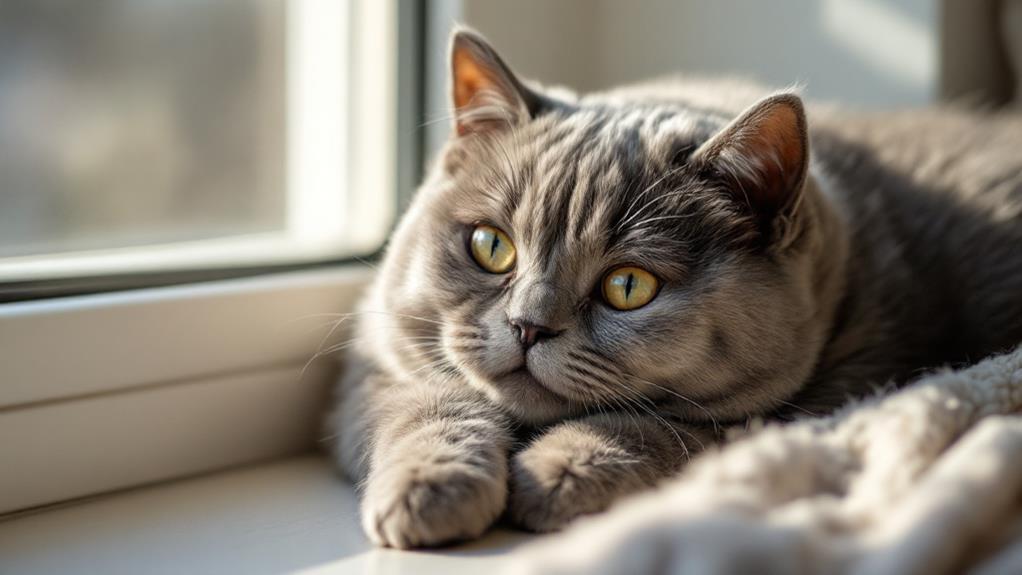
As you investigate the mesmerizing world of Scottish Folds, their unique physical traits immediately stand out. These medium-sized cats possess a muscular build, typically weighing between 6 to 13 pounds. One of the most enchanting features of Scottish Fold cats is their distinctive folded ears. Interestingly, they're born with straight ears, and the iconic ear folds develop between 18 to 24 days of maturity if the gene responsible is present. These folds can be single, double, or triple, greatly influencing their overall appearance and charm.
The allure doesn't stop there. Scottish Fold cats are known for their round faces, which improve their strikingly large, expressive eyes. These eyes often match the color of their fur, which can range widely from pure white to deep black, including diverse patterns and markings. This harmonious blend of features gives them an almost teddy-bear-like appearance.
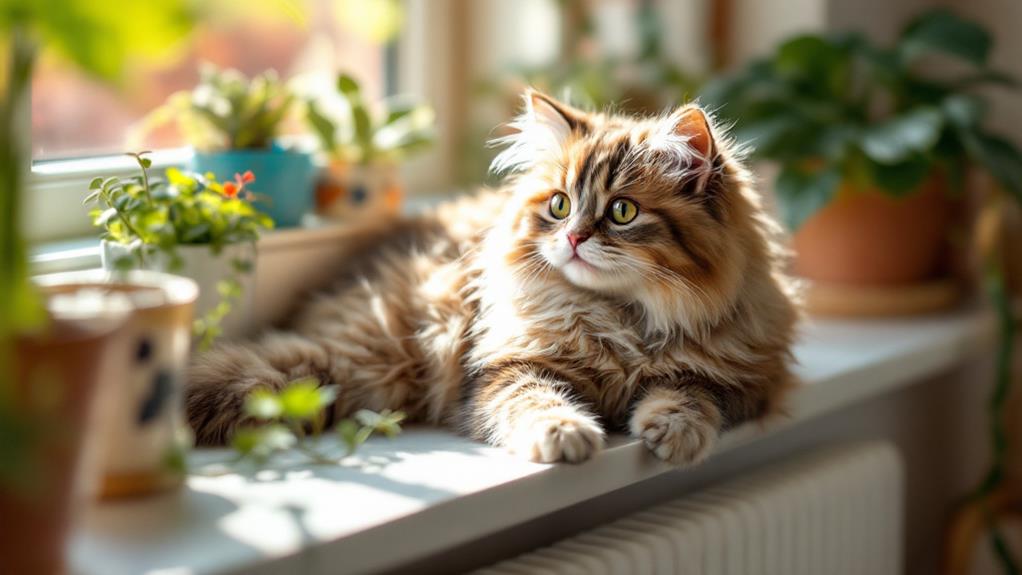
If you're considering a long-haired variant, known as the Highland Fold, be prepared for extra grooming to prevent matting. Nevertheless, regardless of short-haired or long-haired, the Scottish Fold's combination of folded ears, round faces, and enchanting eyes makes them a truly unique and endearing breed.
Health and Lifespan
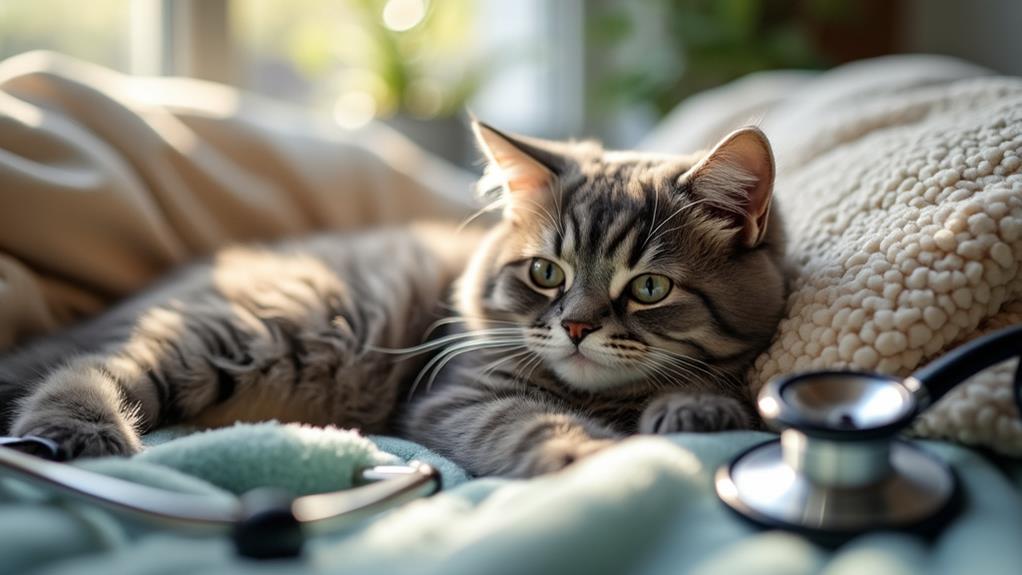
When considering the health and lifespan of Scottish Folds, you'll find they're a breed with unique challenges. Their average lifespan is around 15 years, with some reaching their early 20s. However, due to a genetic predisposition, they face specific health issues. The most notable is osteochondrodysplasia, a cartilage defect that can lead to arthritis and joint problems. This makes it paramount to avoid breeding Scottish Folds with each other, as it can result in severe limb deformities.
To keep your Scottish Fold healthy, follow these key steps:
- Regular Veterinary Check-ups: It's important to schedule consistent vet visits to monitor their health, given their susceptibility to stomach issues, respiratory diseases, and diabetes.
- Proper Nutrition: A balanced diet is significant. It helps prevent obesity, supports joint health, and maintains general well-being.
- Monitor Joint Health: Be vigilant for signs of discomfort or mobility issues, as joint problems can worsen over time.
- Avoid Breeding Risks: Confirm any breeding practices avoid pairing Scottish Folds together to prevent exacerbating genetic defects.
Care and Maintenance
Caring for a Scottish Fold involves regular attention to their unique needs. Start with grooming; if your Scottish Fold is shorthaired, brush them weekly. For longhaired Highland Folds, twice-a-week brushing is necessary to prevent mats. Due to their folded ears, weekly ear checks and cleaning are important to avoid infections and guarantee comfort.
A balanced diet plays an important role in maintaining their health. Focus on a high-protein, low-carbohydrate diet. This approach supports joint health and helps prevent obesity, as Scottish Folds tend to be less active than other breeds. Always provide fresh water and monitor their weight regularly to maintain ideal health.
Routine veterinary check-ups are indispensable for Scottish Folds. These visits help catch any genetic health concerns early, such as arthritis or respiratory issues. Your vet can offer tailored advice on diet and grooming to suit your cat's specific needs.
Lastly, guarantee mental stimulation through play and social interaction. Scottish Folds thrive on companionship and engagement, which prevents boredom and behavioral problems. Incorporate interactive toys and spend quality time with them to keep their minds sharp and spirits high. Your attentive care guarantees they lead a healthy, happy life.
Temperament and Behavior
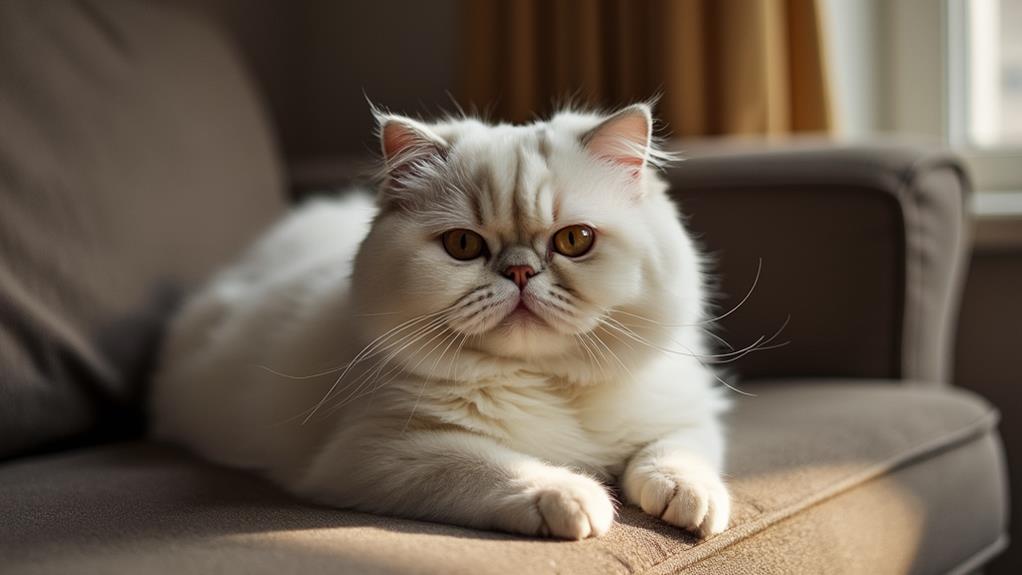
Over time, Scottish Folds have gained a reputation for their friendly and affectionate nature, making them delightful companions. You'll often find your Scottish Fold following you around the house, enthusiastic to form strong bonds and be part of your daily routine. Their playful demeanor brings joy without overwhelming energy levels, perfectly suiting them for apartment living and quieter households. Despite being generally quiet, they can be vocal when they want your attention or need something, effectively communicating their needs.
Here are some key points to reflect on:
- Affectionate Companions: Scottish Folds love to be around you, showcasing their affectionate nature by snuggling and seeking your company.
- Playful Yet Calm: They exhibit a playful demeanor, engaging in fun activities without being overly hyperactive, providing a balanced energy level.
- Unique Sitting Posture: You might notice their endearing "Buddha position," where they sit with legs stretched out and paws on their bellies.
- Mental Stimulation is Key: To prevent boredom and potential behavioral issues, offer them mental stimulation through toys and interaction with people and other pets.
Ethical Breeding Practices
Ethical breeding practices are crucial for maintaining the health and well-being of Scottish Folds. The unique folded ears of the Scottish Fold result from a specific gene mutation, but breeding two Folds together can lead to serious health issues like severe deformities and chronic pain. To address these concerns, responsible breeders never pair two Scottish Folds. Instead, they focus on crossbreeding them with straight-eared cats, such as American or British Shorthairs. This approach not only preserves the charming folded ears but also reduces genetic risks by promoting genetic diversity.
Responsible breeders prioritize the overall welfare of their cats by making certain that only one parent carries the fold gene. This strategy minimizes the risk of degenerative health issues linked to the gene mutation. The rarity of Scottish Folds stems from these careful breeding practices, which are designed to alleviate potential problems in their offspring. By adhering to ethical breeding practices, breeders can guarantee that the adorable, lop-eared Scottish Fold remains a healthy and loved companion for many years to come. So, if you're considering adding one of these unique cats to your family, be sure to choose a breeder committed to these standards.
Controversies and Concerns
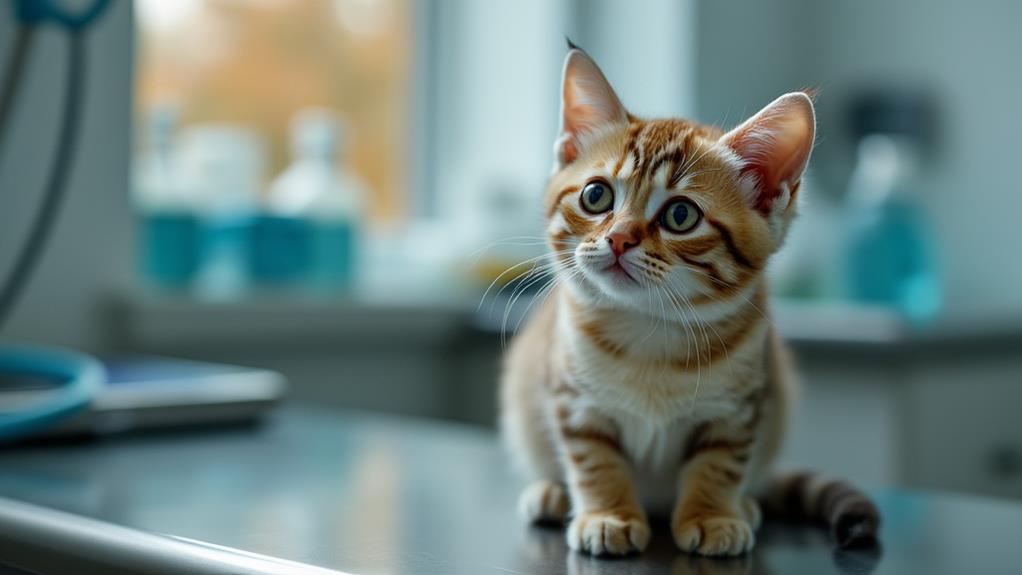
The Scottish Fold's distinctive folded ears may capture your heart, but they also spark significant controversy and concern. You might be surprised to learn that the genetic mutation responsible for these adorable ears is linked to serious health concerns. The same mutation causing the fold can lead to osteochondrodysplasia, resulting in painful limb deformities. This raises questions about the welfare of the Scottish Fold and if breeding practices prioritize appearance over health.
- Health Concerns: The fold gene isn't just about ears—it's tied to painful conditions that can affect the cat's quality of life. Ethical breeding should focus on reducing these risks.
- Breeding Practices: Some regions have prohibited breeding Scottish Folds with each other to prevent the inheritance of harmful genetic mutations. Crossbreeding with straight-eared cats is encouraged to promote healthier offspring.
- Welfare Issues: Organizations like the British Veterinary Association advocate against breeding practices that compromise the welfare of cats for aesthetic reasons. They emphasize the importance of ethical breeding for the Scottish Fold.
- Historical Actions: The Governing Council of the Cat Fancy recognized these welfare concerns and halted Scottish Fold registrations in the 1970s, highlighting the need for responsible breeding practices.
Cultural Impact
While the health concerns surrounding Scottish Folds spark significant discussions, their cultural impact can't be ignored. These cats have captured the hearts of many, thanks to their unique folded ears and charming looks. Celebrities like Taylor Swift have helped catapult them into the spotlight, making Scottish Folds a cultural phenomenon. Their presence on social media is massive, with countless photos and videos showcasing them as the ultimate adorable pet. This online exposure has only fueled their popularity, drawing more attention to the breed.
One standout example is Maru, a Scottish Fold who achieved viral fame on YouTube. Maru's playful antics earned him a Guinness World Record for the most-viewed cat video, amassing over 325 million views. This level of fame underscores the breed's appeal and influence in pop culture. Scottish Folds have also become common subjects in art, merchandise, and memes, further solidifying their place in the cultural landscape.
However, with their popularity comes a need for awareness about ethical breeding practices. The genetic mutation behind their folded ears raises health concerns, prompting discussions on responsible breeding to guarantee their well-being. Balancing their charm with health awareness is essential.