Savannah Cat: The Clever and Confident Exotic Breed
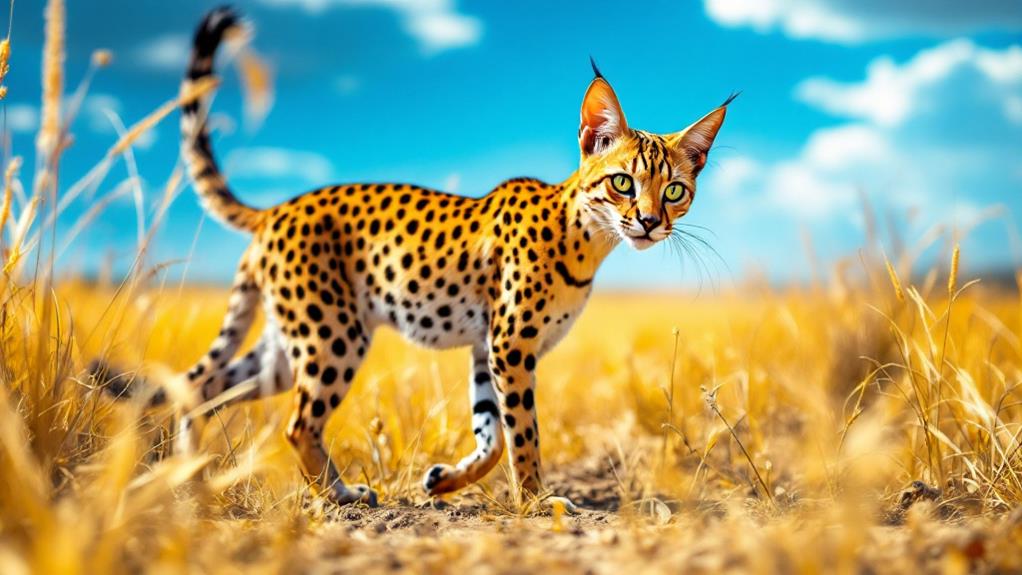
If you're looking for an exotic and intelligent companion, consider the Savannah cat. This breed's origins trace back to a cross between a domestic Siamese and a wild serval in the 1980s, giving it a regal, lean physique with strikingly large ears. Savannahs are known for their high energy and loyalty, often mimicking a dog's behavior in their interactions. With a playful demeanor, they thrive with regular exercise and mental stimulation, bonding deeply with their owners. However, they require a protein-rich diet and need careful legal consideration before ownership. Uncover more about their unique traits and care needs.
Origin and History
breed emerged in the mid-1980s when breeders crossed a male serval with a domestic Siamese cat, aiming to blend the serval's wild charm with a more family-friendly demeanor. This unique combination resulted in a cat with exotic looks and wild instincts but with a temperament suitable for domestic life. The initial Savannah, an F1 generation female, was bred by Judee Frank. She became the namesake of the breed, enchanting the imagination of cat enthusiasts everywhere.
As the breed developed, it gained recognition from The International Cat Association (TICA) in 2001, thanks to the dedicated efforts of Patrick Kelly. This was a significant milestone, as it validated the Savannah as a legitimate breed within the cat fancy community. The path to championship status was marked by the continued refinement of the breed, with breeders like Carol Streit and Brigitte Cowell guiding the process. In 2012, Savannah cats achieved this prestigious status, solidifying their place among elite cat breeds.
The F1 generation remains particularly rare and valuable, reflecting the challenges of breeding and producing viable litters. Their blend of serval and domestic traits makes them a standout, enchanting breed.
Physical Attributes
With their striking appearance, Savannah cats seize attention through their unique physical attributes that echo their wild ancestry. Their tall, lean bodies and long legs give them a majestic presence that stands out. You'll notice their large, high-set ears, reminiscent of their Serval ancestors, adding to their exotic look. These cats typically weigh between 12 to 25 pounds, with males generally larger than females, contributing to their imposing stature.
The bold spots on their coat are a defining feature, providing a glimpse into their wild lineage. These solid spots, distinct and not connected, come in a range of coat colors from golden to silver, often outlined in dark brown or black. This pattern elevates their striking appearance, making them a centerpiece in any room.
Savannah cats are not just about looks; their energetic nature demands attention. Their impressive jumping abilities mean they require vertical spaces and safe exploration options to keep them engaged. Their broad, modified wedge-shaped head, longer than wide, and almond-shaped eyes, sometimes showing tear staining, complete their enchanting look. With these physical attributes, a Savannah cat is both a visual delight and an active companion.
Unique Coat Patterns
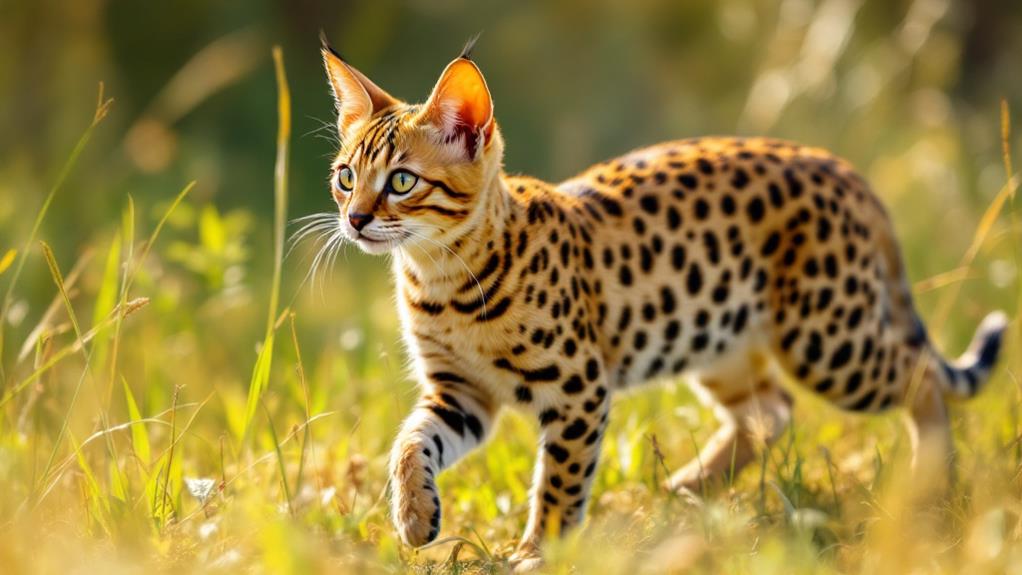
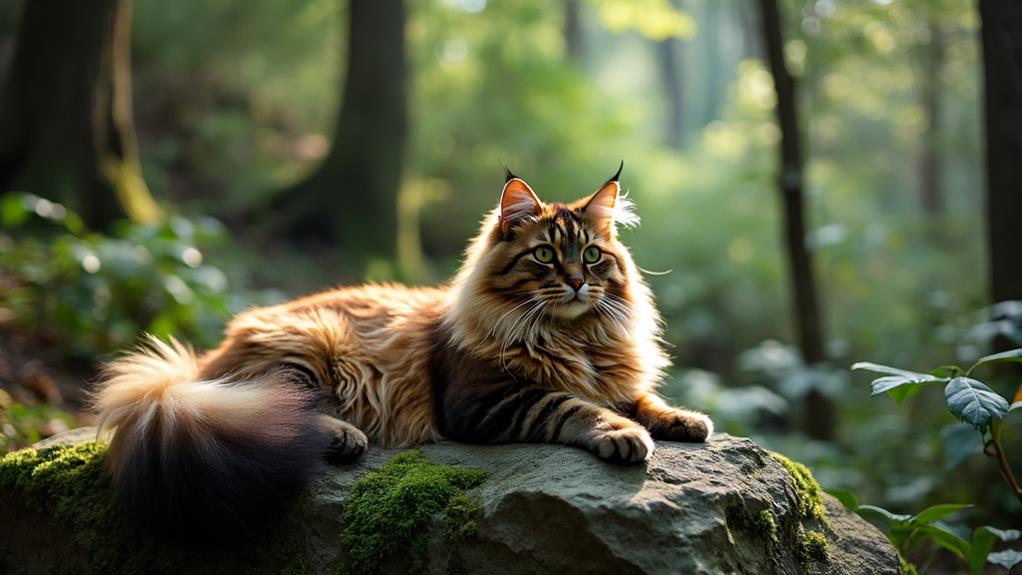
Savannah cats boast one of the most distinctive coat patterns in the feline world, enchanting admirers with their bold, solid spots that mirror their wild serval ancestry. These unique coat patterns aren't just about spots; they're an indication of the breed's exotic looks and striking appearance. Each spot is typically outlined in dark brown or black, offering a sharp contrast against the diverse coat colors. Regardless of whether they're brown spotted, silver, black, or smoke, Savannah cats capture attention wherever they go.
The texture of their fur is another aspect that sets them apart. Unlike many other breeds, Savannah cats have a short, dense coat that feels like plush velvet, adding to their allure. When you run your fingers through their soft fur, you'll feel the luxuriousness that hints at their wild origins. This texture, combined with their distinct markings, gives them an unmatched elegance.
Adding to their exotic charm is the tear-staining around their eyes. This feature emphasizes their African serval lineage, enhancing their wild and enchanting gaze. With such a striking appearance, it's no wonder Savannah cats are often the center of attention in any room.
Energetic Temperament
Exuding boundless energy, Savannah cats need regular exercise and stimulation to stay happy and healthy. Their energetic temperament means they have high energy levels and require ample space to investigate and play. You'll find their playful and adventurous nature fascinating as they engage in activities that mimic hunting instincts. These cats are highly intelligent, capable of learning tricks, and can even be trained to walk on a leash or play fetch.
To keep a Savannah cat entertained and mentally stimulated, consider the following:
- Provide engaging toys: Choose toys that promote movement and mimic prey, like feather wands or laser pointers, to satisfy their hunting instincts.
- Create vertical spaces: Install shelves or climbing trees, giving them ample space to climb and jump, which helps burn off excess energy.
- Automated play options: Use automated laser toys or timed feeders to keep them engaged, especially when you're not home.
- Regular interaction: Spend quality time playing with your Savannah cat to form strong bonds and offer the mental stimulation they crave.
Social and Loyal Nature
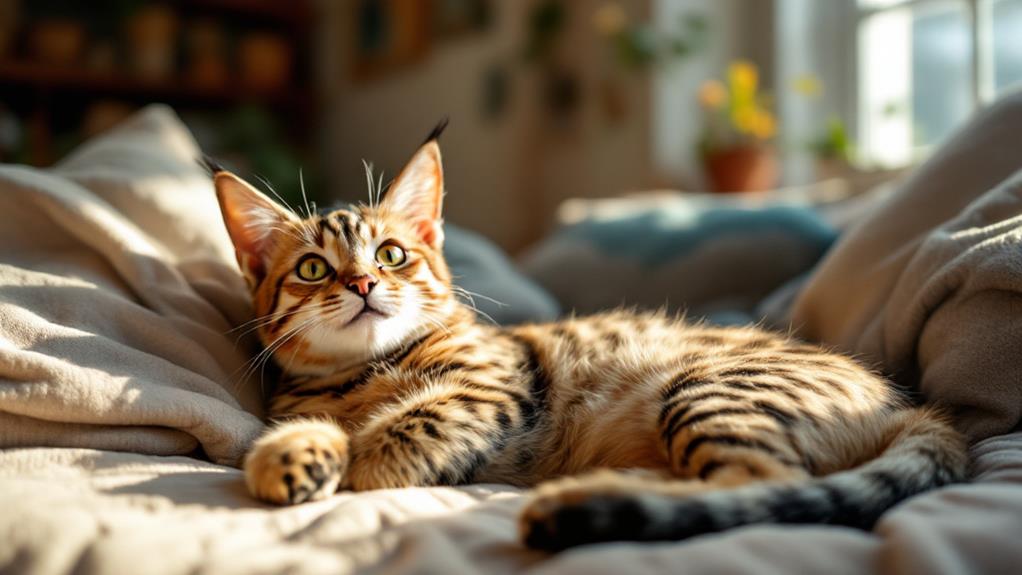
Beyond their energetic antics, these spirited felines exhibit an incredible social and devoted nature that makes them endearing companions. Savannah Cats are known for their dog-like loyalty, forming deep bonds with their owners and often following them around the house. These social creatures thrive in environments where they can interact with other pets, particularly if they're raised together. Their affectionate temperament combined with a playful demeanor makes them the perfect companions for engaging activities like fetch and leash walking.
Their high intelligence means Savannah Cats are not only highly trainable but also enthusiastic to learn complex commands and tricks. This enthusiasm for engagement prevents boredom and keeps their minds sharp. Providing regular mental stimulation is essential, as it keeps them from becoming destructive out of sheer boredom. Ensuring they have plenty of opportunities for socialization and interaction is key to maintaining their well-being.
Their devoted nature means they crave companionship and will reward you with unwavering affection. By understanding their needs for engagement and stimulation, you can foster a relationship that highlights their social and devoted characteristics, making your Savannah Cat a beloved and interactive member of your household.
Behavioral Insights
Understanding the unique behavioral traits of Savannah cats can help you better cater to their needs. These fascinating felines are known for their high intelligence and a strong social drive, making them a delight to interact with. Savannah cats often require engagement that challenges their clever minds. Here's how you can support their playful and adventurous nature:
- Interactive Play: With their high intelligence, Savannah cats excel at learning tricks and commands. Engage them with puzzle toys and activities that mimic hunting instincts, like stalking and chasing.
- Environment Enrichment: Their playful and adventurous nature means they need ample space to investigate. Create stimulating environments with climbing trees and interactive toys to prevent boredom.
- Social Interaction: Thriving on interaction, these cats exhibit dog-like behaviors, such as following you around or playing fetch. Spend quality time with them to satisfy their strong social drive.
- Vocal Communication: Savannah cats communicate using unique vocalizations, from chirps to hisses. Pay attention to these sounds alongside their body language to understand their needs and preferences.
Dietary Requirements
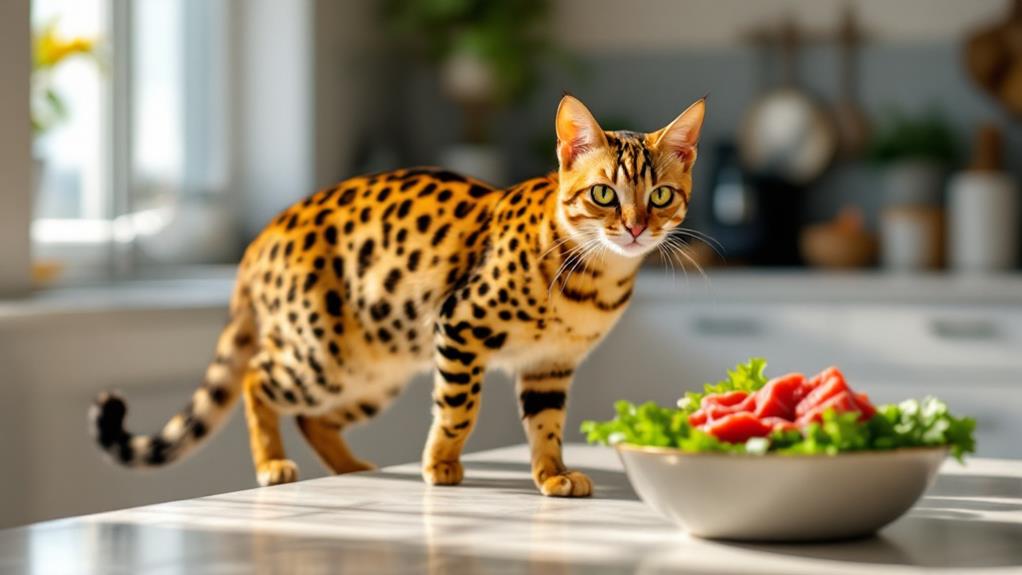
When feeding Savannah cats, focus on providing a high-quality, protein-rich diet to support their energetic and active lifestyles. Prioritize high-quality cat food with animal-based proteins to meet their nutritional needs. This emphasis on proteins over carbohydrates is critical for maintaining their energy levels and overall well-being. A balanced diet is indispensable, as low-quality cat foods can lead to health issues such as diarrhea and weight loss, increasing the risk of severe conditions.
Guarantee regular access to fresh water to maintain proper hydration. Using Cat Fountains can be an effective way to encourage your Savannah Cat to drink more, which is essential for their well-being. You can also incorporate safe human foods like cooked chicken, turkey, and fish. These options not only provide supplementary nutrition but also satisfy their natural hunting instincts, aligning with their domestic feline nature.
Consult with veterinarians and breeders regularly for personalized feeding plans tailored to your Savannah Cat's specific needs. These plans should consider their fast growth rates and active lifestyle. Regular veterinary check-ups will help confirm that their dietary requirements are met, preventing potential health issues and ensuring your Savannah Cat thrives.
Health Considerations
Savannah cats, with their exotic appearance and active nature, require particular attention to their health. To keep them thriving, focus on these key health considerations:
- Hypertrophic Cardiomyopathy: This genetic heart condition is common in Savannah cats. Schedule regular veterinary check-ups to monitor their heart health and catch any issues early.
- Dental Health: They can be prone to periodontal disease, so routine dental care is essential. Regular cleanings and at-home dental hygiene can prevent painful complications.
- Balanced Diet: Feed them a diet rich in high-quality protein. Low-quality foods may cause gastrointestinal problems and increase cancer risk. A proper diet supports their active lifestyle and exotic lineage.
- Exercise and Mental Stimulation: Engage them with regular exercise and mental challenges. Without these, they may develop behavioral issues and stress-related health problems.
Despite their exotic lineage, Savannah cats aren't hypoallergenic. Proteins in their saliva can trigger allergies, so consider this if you're sensitive. Prioritize these health considerations to guarantee your Savannah cat remains clever, confident, and healthy. Regular attention to their needs will help mitigate potential problems and improve their quality of life.
Legal and Ownership Factors
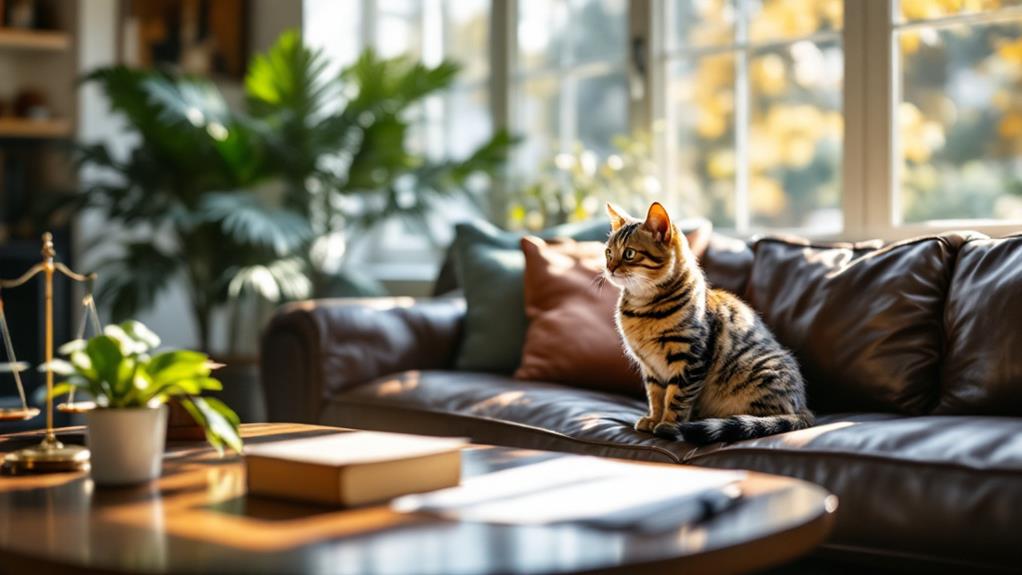
Navigating through the complexities of legal and ownership factors is fundamental when considering a Savannah cat as a pet. This hybrid breed, a cross between a domestic cat and a Serval, is subject to legal restrictions in several U.S. states. Places like Alaska, Georgia, and New York often require special permits due to their unique genetic makeup. Understanding the state laws where you live is paramount since the legality of owning a Savannah cat varies considerably across regions.
If you're interested in an F1 Savannah, be prepared for stricter regulations. These cats, being closest to their Serval ancestry, are often illegal without specific permits. As a potential owner, you'll need to research thoroughly to guarantee compliance with all necessary legal requirements for hybrid animals.
Breeders usually keep Savannah kittens until they're 10-14 weeks old, adding to the initial costs and commitment of ownership. It's not just about affording the cat itself but also being ready for the associated responsibilities and expenses. Evaluating these factors is crucial to guarantee you're fully prepared to meet the legal and financial obligations involved in owning a Savannah cat.
Training and Enrichment
Getting started with training and enrichment for your Savannah cat can transform your home into an exciting playground. These highly intelligent cats thrive on mental stimulation and interactive play, making training both a necessity and a joy. Accept their dog-like behaviors by teaching them tricks, commands, and even how to walk on a leash. Use positive reinforcement and early socialization techniques to guarantee they feel secure and valued, which is essential for successful training.
To keep your Savannah cat engaged and prevent boredom-induced mischief, consider these activities:
- Interactive Play Sessions: Use toys that mimic hunting activities to fulfill their natural instincts. Regular sessions help channel their energy positively.
- Automated Cat Toys: These are perfect for mental stimulation, allowing your cat to stay active even when you're unavailable. They provide an engaging experience with minimal effort.
- Vertical Spaces: Install cat trees and shelves to improve their natural climbing abilities. These structures cater to their adventurous spirits and provide enrichment.
- Leash Training: Take advantage of their willingness to investigate by teaching them to walk on a leash. This offers an exciting way to bond and satisfy their curiosity.