Safe Human Foods You Can Give to Your Dog
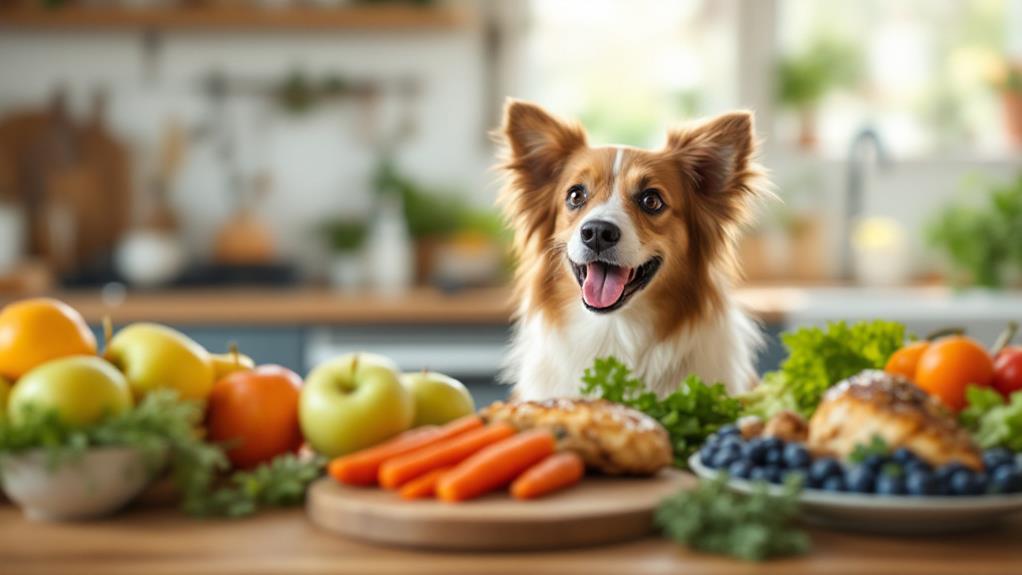
You can safely feed your dog lean meats like cooked chicken and turkey, but always remove the skin and bones. Vegetables such as carrots, green beans, and broccoli provide crucial vitamins while aiding digestion. Fruits like apples and blueberries are excellent treats rich in nutrients. Grains and rice, such as brown rice and quinoa, can be calming and energy-boosting. Plain yogurt and low-fat cheese are safe dairy options in moderation. Remember, snacks shouldn't exceed 5% of their daily caloric intake. Avoid toxic foods like grapes, chocolate, and onions. There's more to investigate for your furry friend's wellbeing!
Lean Meats for Dogs
When considering what to feed your furry friend, some lean meats can be a safe and nutritious option. Lean meats like turkey, chicken, and white fish are excellent protein sources. They should always be served cooked and without bones, skin, or any added fats to keep your dog healthy. Chicken, especially when boiled, is gentle on upset stomachs and can be quite beneficial if your dog is recovering from digestive issues.
Turkey is another great choice, rich in nutrients, but remember to remove the skin and excess fat before serving. This guarantees that your dog enjoys the benefits without the risks associated with fatty meats. White fish is also a nutritious option that provides vital proteins when thoroughly cooked.
However, it's important to serve lean meats in moderation. Overindulging in protein can lead to obesity and other health problems in dogs. Always confirm that any meat you give your dog is thoroughly cooked to eliminate harmful bacteria and parasites, which could cause serious health issues. By being mindful of these guidelines, you can safely incorporate lean meats into your dog's diet for a balanced and healthy nutrition plan.
Nutritious Vegetables
Crunchy carrots, lively green beans, and hearty sweet potatoes can all play a crucial role in enhancing your dog's diet. These nutritious vegetables offer a variety of health benefits that make them perfect enhancements for your pet's meals. Carrots, high in vitamin A, promote good vision and dental health while being low in calories, making them a fantastic healthy snack for your dog.
Green beans, regardless of being raw or cooked, are packed with fiber and vitamins C and K, providing important nutrients that contribute to comprehensive health. They're an excellent choice for a nutritious snack you can feel good about sharing with your furry friend. Sweet potatoes, rich in beta-carotene and dietary fiber, support digestive health and provide a valuable energy source, elevating your dog's vitality.
Broccoli, when fed in moderation, is another vegetable powerhouse. Its high vitamin C and K content contribute to a robust immune system, keeping your dog healthy and active. Don't forget about cooked pumpkin, which is high in fiber and aids digestion, especially beneficial for dogs with upset stomachs. These vegetables are not only nutritious for dogs but also offer tasty, healthy snack options.
Dog-Friendly Fruits
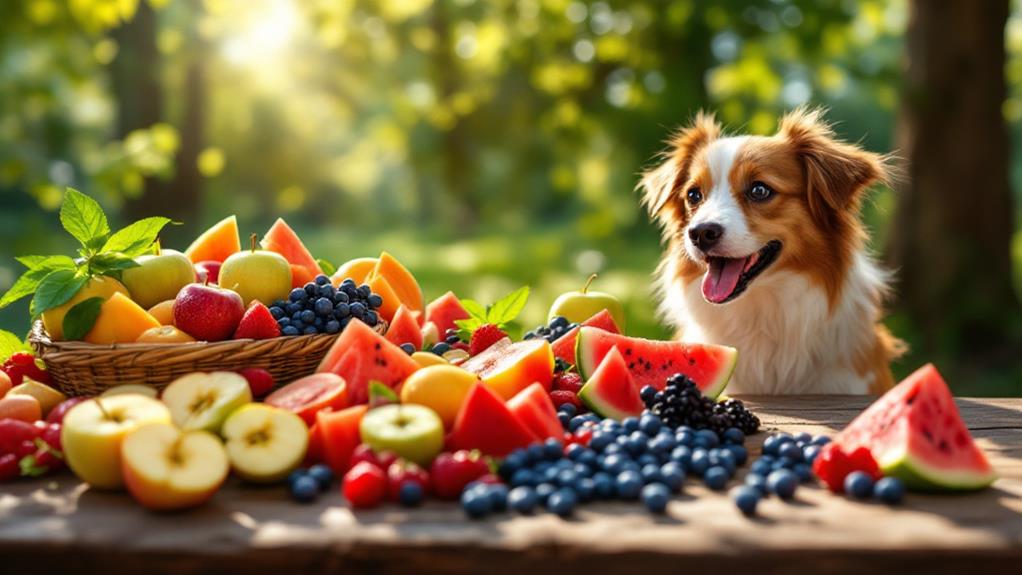
Among the many fruits safe for dogs, a few stand out as especially beneficial. Apples, for instance, are a top dog-friendly fruit, loaded with vitamins A and C. They promote good digestion but remember to remove the seeds and core before serving. Blueberries are another excellent choice, packed with antioxidants and fiber, supporting general health and brain function in your pup.
Watermelon is an incredibly hydrating option, especially in hot weather. It's safe for dogs when you remove the seeds and rind, and it provides vitamins A, B6, and C, making it a revitalizing, healthy treat. Bananas, rich in potassium, are great for occasional snacking, but due to their high sugar content, serve them in moderation to prevent any stomach issues.
Strawberries also belong in your dog's fruit platter. They're safe for dogs and offer a good dose of fiber and antioxidants. However, serve them in moderation to avoid upsetting your dog's digestive system.
Incorporating these fruits and vegetables into your dog's diet can offer numerous health benefits. Just remember, moderation is key to keeping your furry friend happy and healthy.
Grains and Rice Options
While fruits make tasty treats for your dog, grains and rice can be excellent supplements to their diet, offering a variety of nutritional benefits. Rice, both white and brown, is safe for dogs and can be particularly soothing for an upset stomach, especially when paired with lean meats. It provides a gentle source of energy and can ease digestive issues.
Quinoa stands out as a nutritious grain, serving as a great alternative to traditional dog food starches. Packed with vital amino acids and fiber, it supports your dog's general health and can improve their diet with its rich nutritional profile. Likewise, oatmeal is another beneficial option. Rich in soluble fiber, it's perfect for dogs with digestive concerns, promoting healthy bowel movements and supporting digestive health.
Barley, a whole grain, is safe for dogs and stocked with vitamins, minerals, and fiber, further contributing to your pet's digestive well-being. As for bread, plain and yeast-free varieties can be given as an occasional treat, but remember, it offers little nutritional value. Always verify it's free from preservatives to keep it safe for your furry friend. Incorporating these grains can add variety and benefits to your dog's meals.
Safe Dairy Products
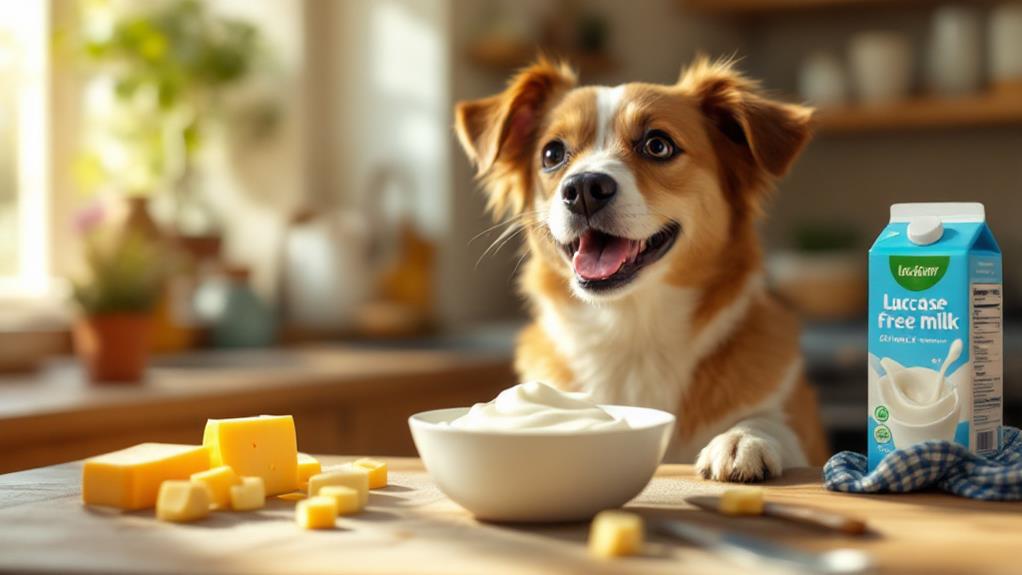
If you're contemplating incorporating dairy into your dog's diet, it's crucial to know which products are safe and beneficial. Not all dairy is created equal for dogs, and moderation is key to guaranteeing they enjoy these treats without digestive issues.
Here's a list of safe dairy products to evaluate:
- Plain Yogurt: Rich in probiotics, plain yogurt can support your dog's digestive health and may even help with lactose intolerance. Confirm it's free from added sugars and flavors.
- Low-fat Cheese: Varieties like mozzarella or cottage cheese are safe in moderation. They're good sources of protein for dogs, but watch for any signs of lactose intolerance.
- Cottage Cheese: This is a beneficial option due to its high protein and calcium content. Serve it in small quantities to avoid digestive upset.
- Cream Cheese: While it can be a tasty treat, cream cheese should be given sparingly due to its high fat content. Always check for added sugars or harmful ingredients.
Incorporating these safe dairy products can be advantageous, but pay close attention to your dog's tolerance levels and always start with small amounts to gauge their reaction.
Moderation With Snacks
To maintain your dog's health, it's vital to manage their snack intake carefully. While it's tempting to share different foods with your furry friend, keeping snacks to no more than 5% of their daily caloric intake is critical. This guarantees that you maintain a balanced dog's diet and prevent obesity. It's significant to feed your dog healthy snacks in moderation, as excessive fat and sugar can lead to severe health issues like pancreatitis. Portion sizes play a considerable role in this moderation, so even when offering healthy snacks, be mindful not to overfeed.
Introducing new foods should be done gradually to avoid upsetting their digestion. Sudden changes in their diet can cause digestive issues, so it's best to incorporate new snacks slowly. Weight monitoring is another vital aspect of sharing human foods with your dog. By keeping an eye on your dog's weight and general health, you can verify they're not gaining unnecessary pounds from extra snacks. Remember, while it's rewarding to treat your pet, moderation is key to keeping them healthy and happy. By following these guidelines, you can safely include human foods as occasional treats in their diet.
Foods to Avoid
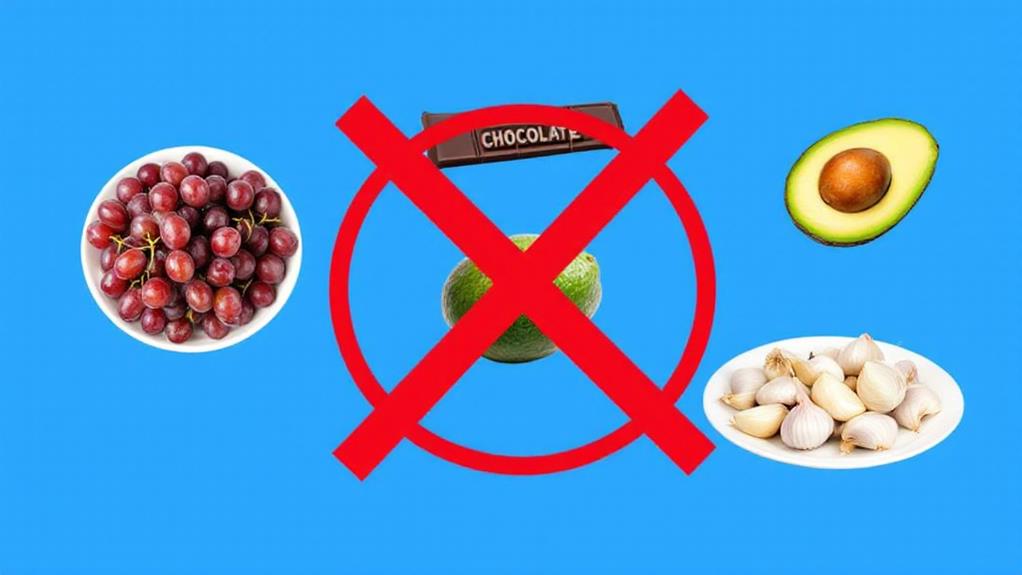
In regards to your dog's diet, there are several foods you should absolutely avoid. Some common human foods are highly toxic to dogs and can lead to severe health issues or even death. Here's a list of foods to avoid at all costs:
- Grapes and Raisins: These seemingly harmless snacks are incredibly toxic to dogs. Even small amounts can cause acute kidney failure, which might be deadly if not treated promptly.
- Chocolate: This treat contains toxic methylxanthines. Ingesting chocolate can lead to vomiting, diarrhea, seizures, or even death in dogs. Dark chocolate and baking chocolate are particularly dangerous due to their higher concentration of methylxanthines.
- Onions and Garlic: These ingredients can damage your dog's red blood cells, leading to anemia. The symptoms might not show immediately, often appearing several days after consumption, making it even more dangerous.
- Avocado: While avocados are healthy for humans, they contain persin, which is harmful to dogs. In large quantities, they can cause gastrointestinal distress and even myocardial damage.
Alcohol is another substance extremely toxic to dogs. Even small amounts can cause severe complications such as lethargy, disorientation, and might be fatal. Always keep these harmful foods away from your furry friend to keep them safe and healthy.