Robots as Pets: Are They the Future of Pet Companionship?
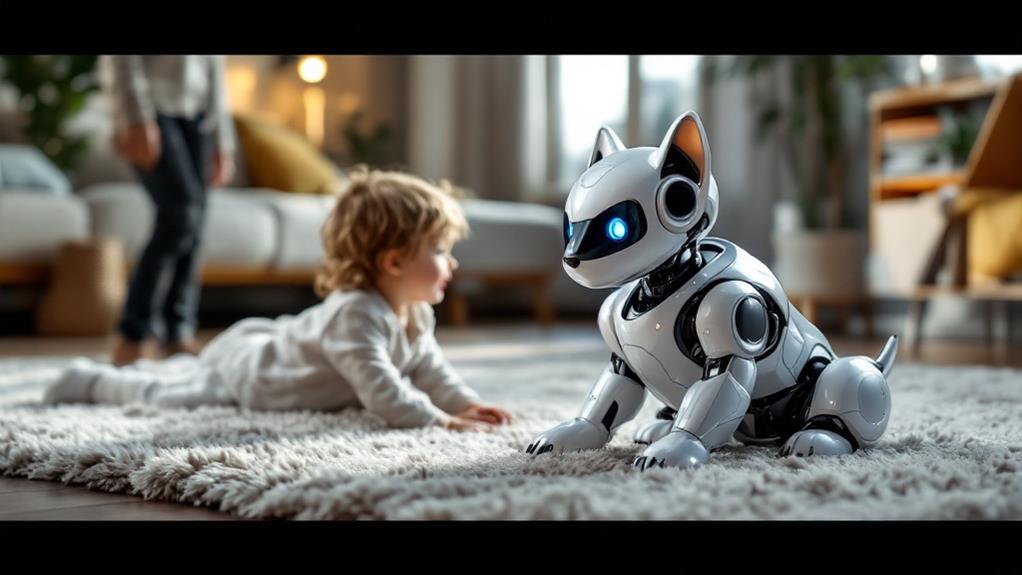
You're on the brink of a pet companionship shift with robotic pets poised to become future companions. Initiated by Westinghouse's Sparko in 1940 and followed by high-tech models like AIBO, these robotic companions are now highly interactive. They're not just toys; they provide emotional support, especially for the elderly and in therapeutic settings. With advancements making them more affordable and sophisticated, robotic pets are mimicking real animal behaviors, offering unique companionship without the usual upkeep costs. Ethical considerations and cultural perspectives remain essential as acceptance grows. There's more to investigate about these intriguing companions.
Evolution of Robotic Pets
The expedition of robotic pets began in 1940 with Sparko, introduced by Westinghouse, setting the stage for robotic companions in the consumer market. Since then, the evolution of robotic pets has been remarkable. You've witnessed how technology continues to evolve, transforming these mechanical creatures into sophisticated companions. In 1998, Hasbro's Furby emerged, enchanting users with its interactive charm. Just a year later, Sony's AIBO hit the scene, offering a more advanced and engaging experience. These milestones signaled a shift in how people interact with non-human companions.
Today, robotic pets like Joy for All, Zoomer, and the upgraded AIBO have become increasingly popular. They offer emotional support and companionship without the responsibilities tied to live animals. These advancements cater to diverse needs, especially for those who might struggle to care for a traditional pet. As technology keeps advancing, the capabilities of these robotic friends continue to grow.
The market's projected growth to $1.5 billion by 2025 underscores the rising demand, particularly in elder care. By 2045, it's predicted that robotic pets might replace live animals as primary companions, driven by ongoing technological improvements and increasing affordability.
Therapeutic Benefits
As robotic pets continue to gain popularity, their therapeutic benefits become increasingly evident. These groundbreaking companions, like PARO and AIBO, offer emotional support to elderly individuals, especially those with dementia. They've been shown to greatly reduce feelings of loneliness and anxiety, providing a comforting presence in nursing homes. Unlike traditional animal-assisted therapy (AAT), robot-assisted therapy (RAT) brings similar therapeutic benefits without the challenges posed by live animals, like allergies or the need for constant care.
In nursing homes, residents often face isolation, but robotic pets can spark improved engagement and emotional well-being. Imagine watching the faces of residents light up as they interact with these endearing robots, enhancing their quality of life. For children in pediatric care, robotic pets are emerging as a promising tool. They offer a comforting, interactive experience, making therapy sessions more engaging and less intimidating.
Furthermore, robotic pets are a cost-effective alternative, providing emotional support without the financial burden of traditional pet care. While they may not replace the bond with a live animal entirely, robotic companions offer a unique blend of companionship and therapeutic benefits, making them a valuable enhancement to different care settings.
Cost and Affordability

Cost plays an essential role when considering robotic pets as alternatives to traditional pets. Initially, robotic pets like PARO carried high costs, priced at $6,120, which may have deterred many potential buyers. However, more affordable options, such as Joy For All, are available at around $120, making them more accessible. As the market evolves, the affordability of these pets is expected to increase, opening up possibilities for a wider range of consumers.
Robotic pets offer considerable financial benefits compared to live animals. They eliminate many of the unexpected expenses associated with traditional pets, such as veterinary care, food, and training fees. This makes them an appealing choice for those looking to enjoy companionship without the financial burdens of ongoing care. While some limited Medicare support exists, increased Medicaid exploration could further improve their affordability if coverage expands.
In the long term, the financial benefits of investing in robotic pets could outweigh the initial costs, providing a cost-effective solution for companionship. As their popularity grows, you'll likely see more affordable and accessible options on the market, making robotic pets a viable and attractive alternative for those seeking a budget-friendly companion.
Interaction Dynamics
Engage with robotic pets, and you'll uncover a fascinating blend of technology and companionship. These mechanical companions are designed to mimic real animal behaviors, allowing you to experience interactive dynamics that foster emotional connections. Through programmed responses, they can evoke feelings and reactions similar to those you might have with living pets. Regardless of it's a wagging tail or a playful bark, robotic pets like AIBO offer a unique relationship that goes beyond a simple toy.
Children, in particular, often treat these robotic pets like traditional stuffed animals, assigning them emotions and issuing commands. This suggests that even without biological traits, these robotic companions can elicit genuine emotional responses. The secret lies in their design, which draws from behavioral models of assistance dogs to improve communication and bonding.
As technology advances, the sophistication of robotic pets grows. They utilize AI and sensor technology to adapt their behaviors according to your preferences and surroundings. This adaptability makes the interaction dynamics more personalized, strengthening the emotional connection over time. In this way, robotic pets not only simulate companionship but also evolve to meet your unique companionship needs, bridging the gap between technology and genuine affection.
Ethical Considerations

Traversing the ethical landscape of robotic pets involves grappling with several complex issues. As you consider integrating a robotic companion into your life, it's essential to weigh the ethical concerns. One significant issue is the potential for emotional manipulation, especially among vulnerable groups like the elderly. They might form attachments to these machines, blurring the line between authentic and artificial relationships.
Furthermore, replacing real pets with robots raises questions about diminishing human empathy. The bond formed with living creatures holds intrinsic value that may not translate to mechanical counterparts. You might wonder if our ability to connect with real pets diminishes when emotions are directed towards machines.
Consider the following ethical concerns:
- Emotional Manipulation: Companies might exploit your emotions, prioritizing profits over your well-being by developing robots that mimic emotional responses.
- Human Empathy: As robotic pets become more realistic, there's a risk of eroding empathy towards living beings, altering how you perceive animal relationships.
- Cultural Attitudes: Different societies handle these ethical concerns differently, which can either complicate or clarify your decision-making process.
Addressing these concerns requires ongoing dialogue to guarantee technological advancements don't overshadow ethical considerations.
Public Perception
As you navigate the ethical complexities of robotic pets, it's clear that public perception plays an essential role in shaping their acceptance and integration into society. Surveys reveal a growing acceptance, especially among elderly individuals and those in care facilities, who appreciate the companionship benefits these robotic pets offer. They provide emotional support, which is vital for those who might otherwise face isolation.
Different cultural attitudes considerably influence how people empathize with robotic pets. For instance, Japan shows high acceptance, readily embracing robots as companions. In contrast, Western cultures often draw a clear line between living beings and machines, which can affect how emotional bonds form with robotic pets. Despite this, research indicates people are increasingly attributing feelings and personalities to these devices, similar to their interactions with real animals.
Concerns about robotic pets replacing human interaction persist, particularly in therapeutic settings. However, many perceive them as supplemental companions, not replacements, providing added value without overtaking human relationships. The rising interest in social robotics, with the market projected to reach $1.5 billion by 2025, underscores the shifting public perception and growing demand for these creative companions across diverse demographics.
Market Trends

In recent years, the market for social robotics has been booming, with projections reaching $1.5 billion by 2025. This surge is largely driven by the demand for pet robots in elder care facilities, where Companion Pets provide comfort without the responsibilities of real animals. Surveys show a high acceptance rate among seniors, who appreciate the companionship offered by these advanced artificial intelligence creations.
You'll notice several key trends in this burgeoning market:
- Investment: There's considerable investment in research and development to improve AI and robotics, resulting in more lifelike and interactive pet robots. This innovation is vital for meeting a range of user needs.
- Varied Models: Competition among tech giants like Sony and Joy for All is fierce. They're constantly rolling out different models to cater to different preferences, ensuring everyone finds a suitable robotic companion.
- Changing Pet Ownership: As these pet robots gain popularity, a shift away from live animal ownership is expected. Consumers are drawn to the ease and affordability of robotic companions.
Ultimately, the growth of the social robotics market indicates a significant shift towards integrating artificial intelligence into everyday life, especially in the area of companionship.
Future Innovations
While the robotic pet market is already thriving, future innovations promise to transform these digital companions into even more interactive and lifelike entities. By 2030, advancements in artificial intelligence will enable your robotic dog to exhibit more interactive behaviors, improving your engagement and companionship. These improvements will create a personalized experience, allowing your digital pet to adapt to your preferences and routines.
Looking ahead to 2040, sensory technology is set to revolutionize how robotic pets interact with their surroundings. Imagine a robotic dog that can sense and respond to live care needs, like fetching a warm blanket when you're cold. This level of interaction will make these pets feel more lifelike and capable of forming a unique bond with you.
By 2045, emotion recognition technology will allow robotic pets to understand and respond to your emotions, fostering deeper emotional connections. Moving further into the future, breakthroughs in neuroprosthetics by 2060 could lead to brain-robot interfaces, offering entirely new ways to communicate with your digital companion.
These advancements not only promise to improve the personalized experience of owning a robotic pet but also to solidify their position as viable alternatives for companionship.