Reasons Why Your Dog Has Stopped Drinking Water: Causes and Solutions

If your dog has stopped drinking water, it could be due to health problems like bladder infections, dental issues, or advanced age, which can make drinking uncomfortable. Poisoning from bad food or substances, poor water quality, or anxiety might also deter their water intake. To encourage hydration, you can try offering bottled water, changing the water bowl's location, or adding enticing flavors like low-sodium chicken broth. Providing multiple water sources and monitoring for dehydration signs, like dry gums or lethargy, is also vital. Veterinary consultation is significant if your dog hasn't had water for over 24 hours. Uncover more about these issues and solutions.
Bladder Infection Concerns
Bladder infections can greatly impact your dog's water consumption. When your dog is not drinking, it might be because bladder infections cause discomfort during urination, making them reluctant to drink. This reduced water intake can lead to dehydration, which is dangerous for your pet. If you notice signs of dehydration like dry gums, increased body temperature, or an increase in the frequency of urination without much output, it's vital to consult a veterinarian. These symptoms could point to a bladder infection, an underlying cause of your dog's reluctance to drink.
Bladder infections often result in inappropriate urination and might even cause blood in the urine. These signs demand immediate attention, as untreated infections can escalate to severe complications, including kidney issues. Lack of appetite often accompanies bladder infections, further complicating your dog's hydration status. Ensuring your dog receives prompt veterinary care is necessary for diagnosing and treating the infection. By addressing the bladder infection, you can help restore your dog's normal drinking habits and prevent dehydration. Timely intervention not only alleviates your dog's discomfort but also protects their general health and well-being.
Impact of Old Age
As dogs grow older, they often experience physiological changes that can diminish their thirst response, disrupting their natural hydration signals. This change can lead to decreased water intake, which is a common concern among pet owners with an older dog. Health issues prevalent in senior dogs, such as kidney disease or diabetes, can further affect their thirst response. These conditions often require careful monitoring, as they can exacerbate your dog's reluctance to drink.
Dental problems are another factor that can contribute to decreased water intake in older dogs. Pain or discomfort while drinking can deter them from maintaining adequate hydration. It's important to address any dental issues promptly to guarantee your dog stays comfortable and healthy.
Medications prescribed for senior-related health issues may also impact your dog's appetite and thirst. These side effects can complicate their hydration signals, making it critical to monitor their water consumption closely.
Regular veterinary check-ups play a significant role in managing your older dog's health. These visits allow for early detection of issues like kidney disease or diabetes that can impact water intake. By staying proactive, you can help your dog maintain proper hydration and overall well-being.
Poisoning or Bad Food
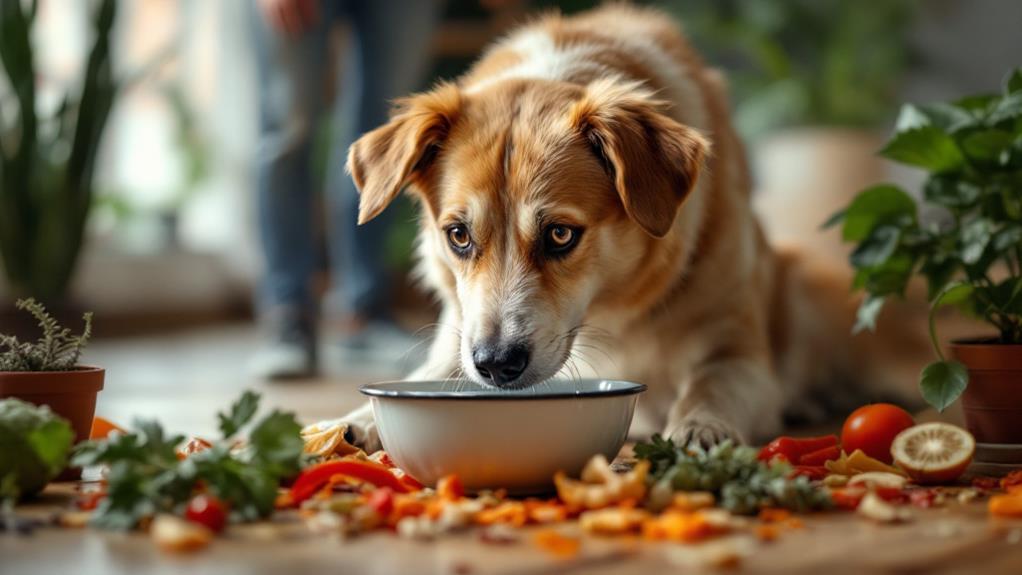
When your dog stops drinking water, poisoning or ingesting bad food might be the culprits. Harmful substances or spoiled food can cause nausea, leading to a lack of appetite and thirst. This might be the initial sign of trouble, and it's imperative to act fast. Toxic foods like chocolate, grapes, and onions can cause severe health issues, including gastrointestinal distress and even kidney failure. You should always monitor your dog's eating habits and any environmental changes that might expose them to these dangerous substances.
If your dog has accidentally consumed something toxic, signs of poisoning can escalate quickly. Watch for symptoms like vomiting, diarrhea, and lethargy, which indicate the need for immediate veterinary care. Quick response is fundamental; timely intervention can greatly improve your dog's chances of a full recovery. Don't hesitate to contact your vet if you suspect poisoning.
Keeping a close eye on your dog's environment and ensuring they don't have access to harmful foods is important. Remember, preventing exposure to toxic substances is key to maintaining their health. With vigilance and prompt action, you can protect your furry friend from the dangers of poisoning or bad food.
Dental Health Issues
Apart from poisoning or bad food, dental health issues can also cause your dog to stop drinking water. When dogs suffer from dental issues like broken teeth or periodontal disease, they experience significant oral pain. This discomfort can deter them from drinking water, as contact with water may exacerbate the pain. As a result, your dog's hydration levels might suffer, affecting their general health.
It's important to recognize that dental problems can also reduce your dog's appetite. If they're not eating or drinking properly, their health can decline rapidly. To prevent this, regular dental care is fundamental. Professional cleanings and at-home dental hygiene can address dental issues, easing oral pain and encouraging your dog to resume normal drinking behaviors.
Since approximately 80% of dogs show signs of dental disease by the point of three, maintaining oral health is critical. Routine dental check-ups can help catch problems early, preventing more serious consequences and ensuring your dog remains healthy and hydrated. By prioritizing dental care, you can support your dog's general health and encourage consistent drinking habits, keeping them happy and well-hydrated.
Water Quality Changes
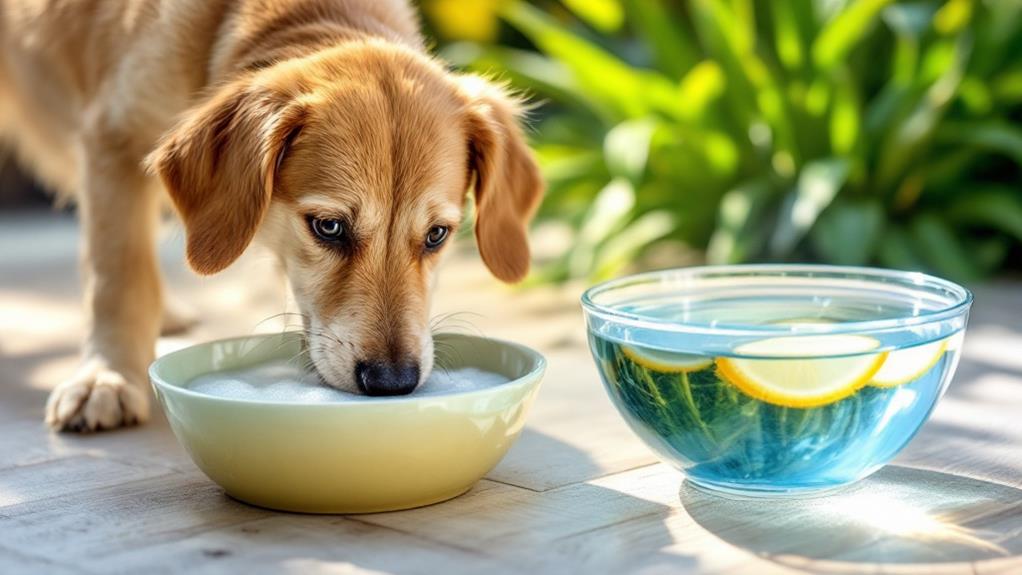
Have you noticed your dog turning away from their water bowl lately? Water quality changes might be the reason behind your dog's aversion to drinking. Dogs are incredibly sensitive to smells and tastes, so any alterations in their water can affect their willingness to drink. If the water smells or tastes different, your dog might not be drinking enough water, impacting their hydration levels.
As a pet parent, it's essential to guarantee your dog has access to clean fresh water daily. Contaminated water sources, such as stagnant or dirty water, can deter your pet from drinking. This refusal can lead to dehydration, which is a serious health concern. To encourage your dog's water consumption, try offering bottled or filtered water, especially if they're picky about water quality.
Sometimes, dogs might associate certain water sources with negative experiences. This association can create an aversion to drinking from those sources. To prevent this, consistently provide high-quality water to help maintain their hydration levels. By monitoring and improving water quality, you can guarantee your furry friend stays healthy and hydrated, keeping them happy and active every day.
Anxiety-Related Aversion
Beyond changes in water quality, anxiety can also cause your dog to stop drinking water. Dogs are sensitive creatures, and their behavior can change dramatically when they're anxious. If your dog associates negative experiences with drinking, they might develop an aversion to their water bowl. This could be triggered by environmental changes like moving to a new home or introducing new pets. Such shifts can heighten anxiety, making your dog hesitant to hydrate.
Creating a secure environment is essential to alleviate anxiety-related aversion. By ensuring your dog's space feels safe and predictable, you can help them feel more relaxed. Consider using calming products or establishing a consistent routine to reduce their stress levels. These behavioral modifications can make a significant difference in encouraging your dog to resume drinking water.
Encouraging Hydration Strategies
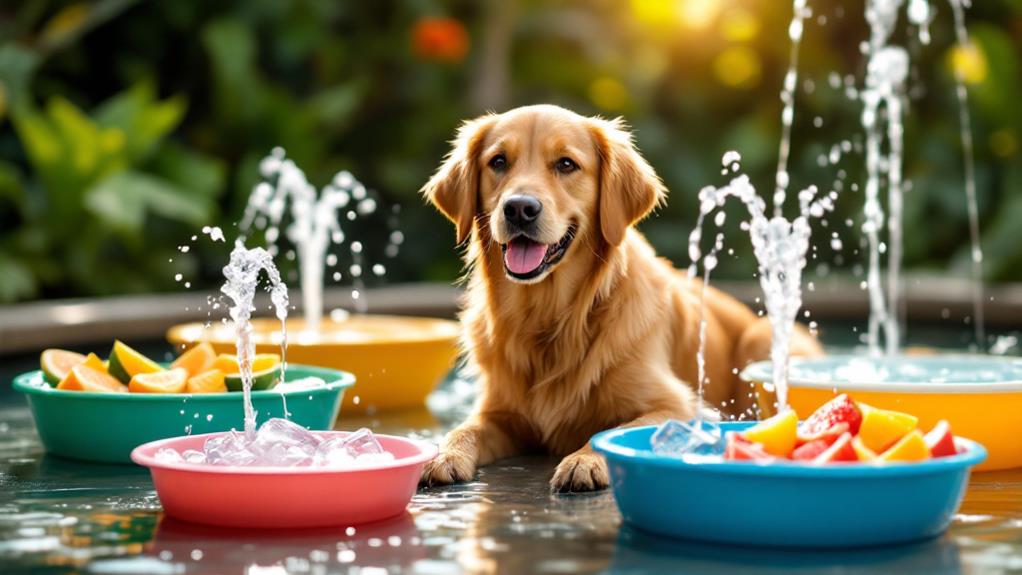
Encouraging hydration in your dog can be a game-changer for their health and well-being. If your furry friend shows a lack of interest in drinking water every day, there are several strategies you can try. Changing the type or location of their water bowl might stimulate curiosity. Some dogs prefer a ceramic bowl over a plastic one, so experiment to find what they like.
To encourage hydration, consider using flavoring agents like low-sodium chicken broth added to their water. This can make drinking more appealing to them. Offering ice cubes as a treat can also entice them to drink water in a playful way. For dogs hesitant about liquid water, mixing some water with their dry food increases moisture intake while making meals more interesting.
Set up multiple water stations around your home. This guarantees easy access to water, especially if your dog feels anxious or overwhelmed in certain areas. Monitor their hydration levels closely by watching for signs like sunken eyes, which indicate dehydration. Always prioritize pet safety tips, and keep in mind that maintaining proper hydration is crucial for your dog's health and happiness.
When to Consult a Vet
If your dog hasn't been drinking water for over 24 hours, it's crucial to consult a vet to rule out any underlying health issues. Persistent lack of water intake can lead to dehydration, which is dangerous for your pet. Keep an eye out for signs like sunken eyes, dry gums, and lethargy. These symptoms indicate dehydration and require immediate veterinary attention to prevent serious health consequences.
Changes in your dog's behavior, such as increased lethargy or a loss of appetite, should also prompt a visit to the veterinarian. These could be signs of underlying medical conditions that need to be addressed. Furthermore, if your dog has experienced oral injuries or dental issues, they might be struggling to drink water, and a vet can help address these problems.
If home remedies haven't worked and environmental stressors are affecting your dog's water consumption, a veterinarian can provide guidance on managing anxiety or behavioral issues. Don't wait for the situation to escalate; seek professional advice promptly. In some cases, an emergency vet might be necessary to guarantee your dog's health and well-being. Prioritizing your dog's hydration and health is critical for their general quality of life.