Ragdoll: the Cat With a Puppy-Like Personality
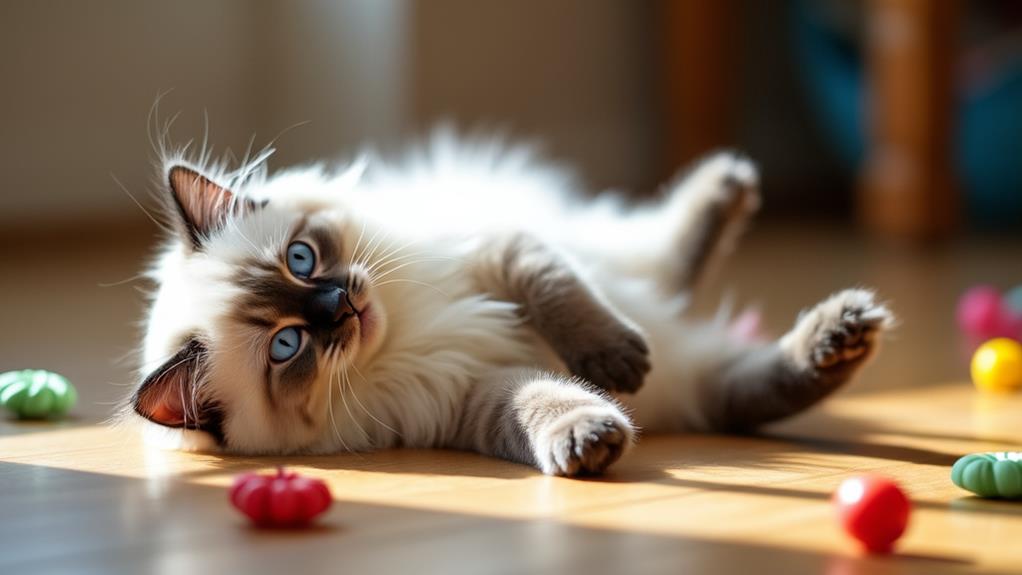
When you're considering a pet, Ragdoll cats might surprise you with their puppy-like personalities. They're one of the largest domestic cat breeds, weighing 15-20 lbs, known for their gentle and affectionate demeanor. They're often described as "gentle giants" and go limp when held, hence the name Ragdoll. With their striking blue eyes and semi-long coats, they're not just beautiful but also crave social interactions like puppies do. Ragdolls get along well with dogs, making them ideal for multi-pet homes. To investigate more about their care, diet, and playful nature, there's much more to uncover.
Key Takeaways
- Ragdolls exhibit a playful and trusting nature, similar to dogs, with their affectionate temperament.
- They thrive on social interactions, often going limp when held, reflecting a puppy-like demeanor.
- Positive reinforcement techniques, such as treats and praise, enhance their training experiences.
- Ragdolls are friendly and sociable, suitable for cohabitation with calm and friendly dog breeds.
- Regular interactive play prevents boredom and keeps their intelligent minds stimulated.
Characteristics of Ragdoll Cats
Ragdoll cats are beloved for their striking blue eyes and imposing size, making them one of the largest domestic cat breeds. As a Ragdoll cat owner, you'll quickly notice their unique blend of beauty and presence. Weighing between 15-20 lbs, these gentle giants possess a semi-long, soft coat that comes in a range of colors such as blue, chocolate, and seal. With four main coat patterns—bi-color, colorpoint, mitted, and van—each Ragdoll showcases a distinct appearance.
But it's not just their looks that captivate you. The Ragdoll cat's personality is just as enchanting. Known for their affectionate and gentle temperament, these cats often go limp when you hold them, a trait that earned them their name. They thrive on social interactions, often following you around the house, much like a dog. This puppy-like behavior makes them endearing companions who love to be involved in your daily activities.
To keep your Ragdoll's coat healthy, regular grooming is vital. Brush their semi-long hair at least twice a week to prevent matting. By doing so, you'll maintain their luxurious coat and deepen the bond with your Ragdoll cat.
History and Origin
In the 1960s, a domestic cat named Josephine in Riverside, California, became the unexpected matriarch of a beloved new breed. After an accident, Josephine's temperament changed remarkably, displaying a gentle and floppy demeanor that caught the attention of Ann Baker. Intrigued, Baker decided to develop the Ragdoll breed, selectively breeding Josephine with other cats to improve these endearing traits. By crossing Persian cats with Birman-type cats, she created a breed known for its distinct appearance and remarkable temperament.
The name "Ragdoll" perfectly illustrates these cats' tendency to go limp when held, making them incredibly affectionate and docile companions. Recognizing the uniqueness of the Ragdoll breed, Ann Baker founded the International Ragdoll Cat Association (IRCA) in 1975 to promote and establish breed standards, ensuring their special qualities would be preserved and cherished. Thanks to her efforts, the Ragdoll breed quickly gained popularity, enchanting cat lovers worldwide.
- Ragdolls are known for:
- Their gentle, dog-like personalities.
- Going limp, like a "ragdoll," when held.
- A distinct appearance influenced by Persian and Birman breeds.
Understanding their origins gives you a deeper appreciation for these delightful feline companions.
Health and Wellness
In relation to keeping your Ragdoll healthy and happy, understanding their specific health needs is important. Regular veterinary check-ups are critical since about 30% of Ragdolls carry the genetic mutation for Hypertrophic Cardiomyopathy (HCM), a common heart condition. Early detection through these check-ups can greatly impact your cat's quality of life. With an average lifespan of 12 to 15 years, proper health care is fundamental to guarantee they live a full, healthy life.
A high-quality, balanced diet tailored to their larger size and appetite is essential. This not only supports their complete wellness but also maintains the health of their luxurious coat. Since diet directly influences their skin and coat health, paying attention to nutrition is a necessity.
When it comes to grooming, Ragdolls need special attention. Their semi-longhair coat requires grooming at least twice a week to prevent matting, which can affect their skin health and comfort. Regular grooming sessions also offer a chance to check for any unusual changes in their coat or skin.
Grooming Tips
Caring for your Ragdoll's coat is a rewarding task that keeps them looking their best and feeling comfortable. Ragdoll cats have a semi-long, soft coat that requires regular grooming to prevent matting and reduce shedding. Aim to groom your Ragdoll at least twice a week. It not only maintains their coat health but also reinforces the bond between you and your feline friend.
Use a steel comb during grooming sessions. It effectively manages their fur and keeps the coat in tip-top shape. Unlike other long-haired breeds, Ragdolls are lower maintenance thanks to their single-layer coat without an undercoat. However, regular grooming is still crucial to keep their coat free of tangles and mats.
Consider these grooming tips to improve your routine:
- Use a steel comb: It's ideal for managing their semi-long fur and preventing mats.
- Schedule professional grooming: Occasionally, your Ragdoll might need hygiene clips or trims, especially if matting occurs.
- Turn grooming into bonding time: Regular sessions strengthen your connection with your Ragdoll cat.
Diet Essentials
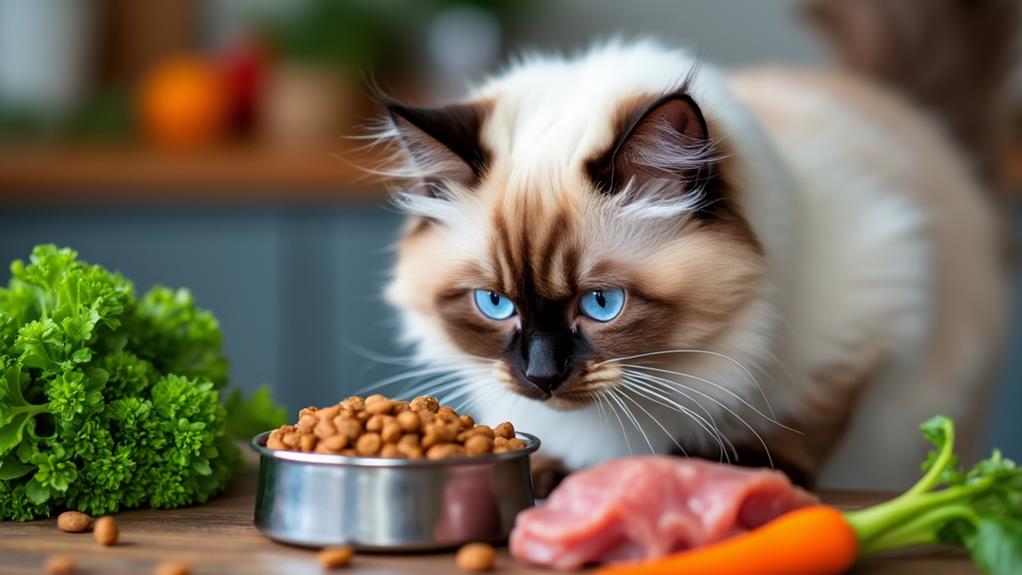
While grooming keeps your Ragdoll looking sleek and elegant, their diet plays a likewise significant role in maintaining their general health and coat quality. As obligate carnivores, Ragdolls thrive on a meat-based diet packed with high-quality protein. This is imperative for their larger breed size and increased appetite, which can be up to 30% more than smaller cats. Making sure your Ragdoll receives a diet rich in protein is one of the dietary fundamentals that supports not only their energy levels but also the luxurious appearance of their semi-long soft coat.
Choosing high-quality cat food is important. It should be specifically formulated to meet the unique nutritional needs of larger breeds like Ragdolls. This will help maintain their coat and general well-being. However, you must regularly monitor their food intake. Despite their fluffy appearance, Ragdolls are prone to hidden weight gain, which can lead to obesity if not managed carefully.
Consulting with a veterinarian is a wise move. They can help you establish a balanced diet plan tailored to your Ragdoll's size, stage of life, and health needs. This personalized approach guarantees your feline companion stays healthy and happy for years to come.
Training and Behavior
Possessing a playful and trusting nature, Ragdolls often display behaviors reminiscent of dogs, making them a delight to train and interact with. Their unique puppy-like personality means they're keen to follow you around and engage in interactive play. Training a Ragdoll can be an enjoyable experience, especially when you use positive reinforcement techniques. By offering treats and praise, you'll find that they quickly pick up on new tricks and even learn to play fetch over time. This approach not only strengthens your bond but also keeps their intelligent minds engaged.
Ragdolls thrive on companionship and mental stimulation, so regular playtime is crucial to prevent boredom and stress. They require a certain level of interaction to remain happy and healthy. Here are a few key pointers to reflect upon:
- Use positive reinforcement: Treats and praise encourage good behavior.
- Be patient: Ragdolls learn best at their own pace.
- Engage regularly: Interactive play prevents boredom and enriches their lives.
Socialization Strategies
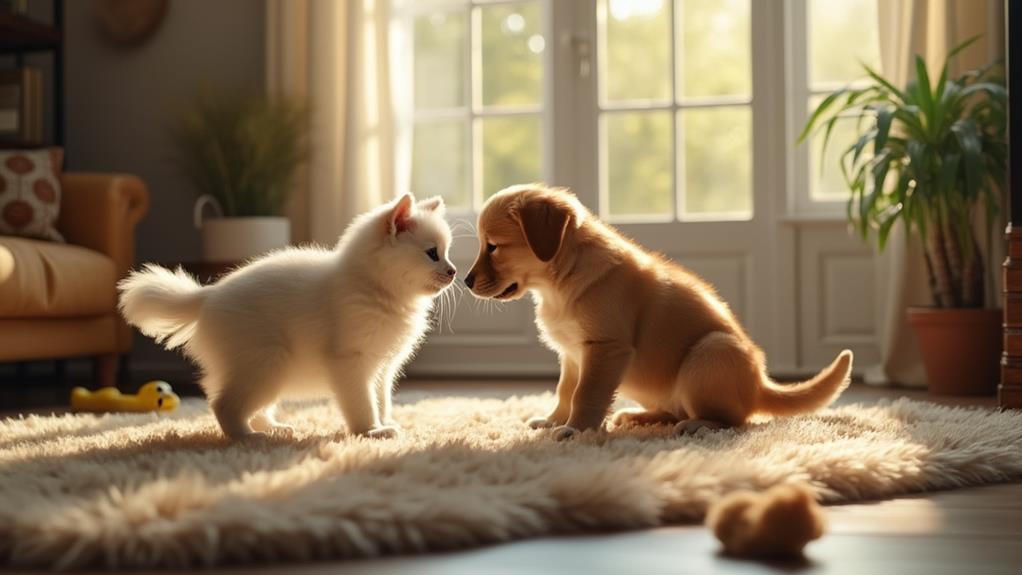
Introducing your Ragdoll cat to new environments and companions involves several key strategies to guarantee they develop into well-adjusted pets. Early socialization is important, starting when they're kittens, to make sure your Ragdoll grows up friendly and trusting towards other pets and humans. Begin by gradually introducing them to new animals, like puppies. It's critical to create safe spaces where each pet can observe the other without direct contact initially. This helps reduce stress and allows them to become familiar with each other at their own pace.
Using scent swapping techniques can further ease these introductions. Exchange blankets or toys between your Ragdoll and the other pet to help them get used to each other's scents before meeting face-to-face. Positive reinforcement plays a significant role in this process. Offer treats and praise during interactions to promote desirable behaviors and build a positive association between the pets. This encourages your Ragdoll to see new relationships as rewarding.
Regular engagement and supervised play sessions are necessary to maintain harmony. These interactions prevent boredom and stress, making sure your Ragdoll's socialization continues positively. With these strategies, your Ragdoll will thrive in diverse environments.
Ragdolls With Dogs
Now that you've established a solid foundation in socializing your Ragdoll cat, you can focus on fostering a harmonious relationship between Ragdolls and dogs. These family cats are generally friendly and sociable, making them well-suited for cohabitation with dogs, especially those with a calm temperament. Successful introductions require gradual acclimatization, guaranteeing both your Ragdoll and the dog feel safe and comfortable.
When introducing your pets, keep a few key points in mind:
- Monitor interactions to guarantee safe play, as Ragdolls can display trusting behaviors like rolling onto their backs.
- Create a positive environment by providing separate spaces for each pet to retreat to if needed.
- Reward good behavior with treats or affection to reinforce peaceful cohabitation.
Ragdolls, with their affectionate nature, can form strong bonds with dogs, leading to positive interactions and companionship when introduced properly. These family cats thrive in environments where they feel secure and loved. By taking the time to carefully manage the introduction process, you can help your Ragdoll and dog develop a lasting friendship. Remember, patience and understanding are key to guaranteeing both pets enjoy a harmonious living situation.
Ideal Dog Breeds
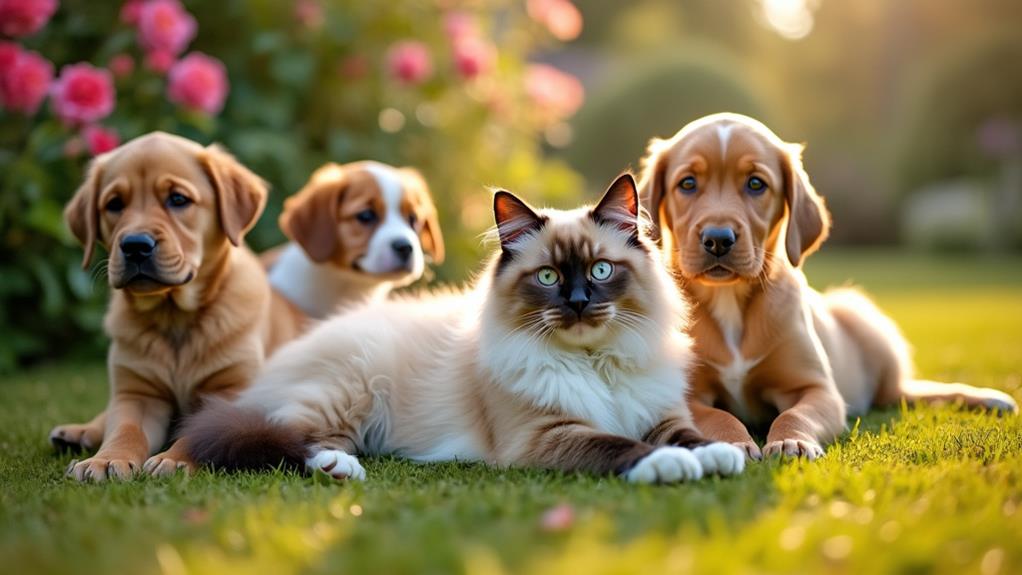
When choosing a dog to share a home with your Ragdoll cat, focus on breeds known for their calm and friendly nature. These traits are essential for fostering peaceful coexistence in your multi-pet household. Gentle breeds like Golden Retrievers are an excellent choice due to their friendly demeanor and innate ability to get along well with Ragdolls. Their easy-going nature complements the affectionate and laid-back personality of Ragdoll cat breeds.
Consider bringing a Beagle into your home, too. Known for their pack mentality, Beagles often view cats as companions rather than rivals, making them suitable playmates for your Ragdoll. They share a mutual respect that can bloom into a lasting friendship.
If you're open to larger breeds, Irish Wolfhounds, despite their size, are surprisingly gentle and loyal. Their temperament aligns well with the Ragdoll's affectionate nature, promising a harmonious relationship. Likewise, German Shepherds can form strong bonds with Ragdolls when properly socialized. Their intelligence and adaptability make them capable companions in a mixed-species household.
Ultimately, choosing the right dog breed is critical to ensuring your Ragdoll cat feels comfortable and safe, fostering a loving environment for both pets.
Introducing Cats and Dogs
Bringing a new dog into a home with a Ragdoll cat requires careful planning and patience to guarantee a smooth introduction. Start by gradually acclimating them through scent swapping. Exchange blankets or toys between your Ragdoll and the dog so they can familiarize themselves with each other's scent. This step helps both pets feel more comfortable and less anxious about the new presence in their space.
When arranging their initial meeting, create a controlled environment. Use barriers like baby gates to allow the Ragdoll and the dog to see each other without direct contact. This setup reduces stress and prevents any unexpected interactions. Keep an eye on both animals, watching for signs of trust or stress and adjust your approach accordingly.
- Begin with scent swapping to reduce anxiety.
- Use barriers during initial meetings for safety.
- Monitor body language to gauge comfort levels.
Ragdolls, known for their gentle nature, generally adapt well to canine companions if introduced properly. Supervise playtime closely, ensuring your domestic cat doesn't get overwhelmed by the dog's energy. Understanding each pet's personality and comfort level is essential in fostering a harmonious relationship between your Ragdoll and the new dog.