Pyrenean Mastiff: Meet Spain’s Gentle Giant
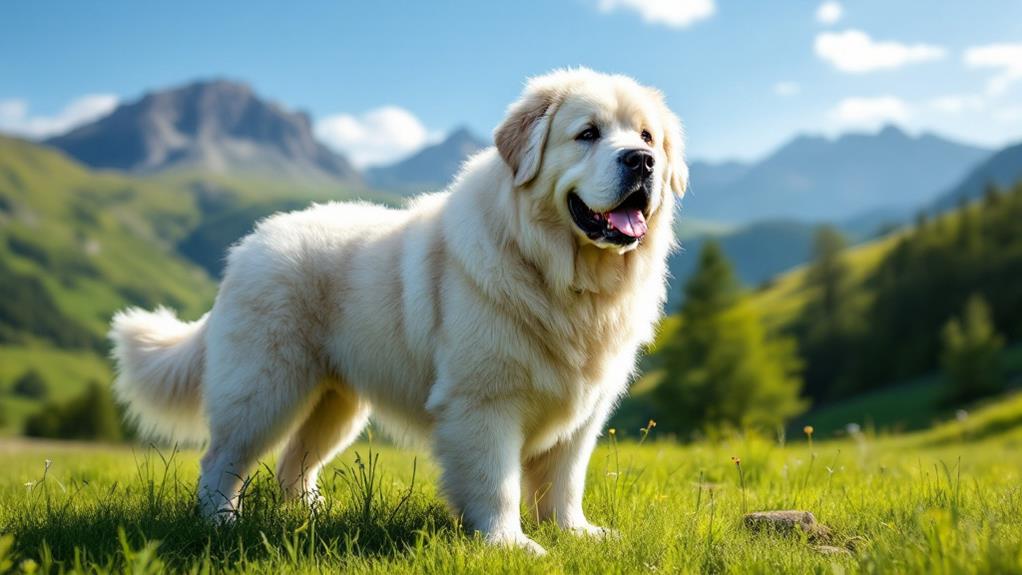
Meet the Pyrenean Mastiff, Spain's magnificent gentle giant known for its friendly temperament and impressive size. Originating from ancient Aragon, these massive dogs, weighing up to 200 pounds, have a rich history as protective guardians. Despite their size, they possess a nurturing demeanor, making them excellent family companions. You'll need plenty of space, as their coats require grooming and they love exercise. With a lifespan of 10 to 13 years, they thrive on companionship and protective instincts. Proper training and care guarantee they remain gentle despite their formidable appearance. There's much more to appreciate about these friendly giants.
Breed Origins and History
Although the Pyrenean Mastiff might seem like a modern breed, its roots stretch back thousands of years to the ancient region of Aragon, Spain. This majestic dog, known for its gentle demeanor, has been a steadfast guardian of livestock and property. The breed's lineage can be traced to the Molosser dogs brought by the Phoenicians around 3,000 years ago. Over the centuries, these dogs adapted to local conditions, developing into the Pyrenean Mastiff dog you know today—a rare breed with a rich history.
In the 1930s and 1940s, the breed faced a severe decline. Changes in livestock management and the economic hardships following the Spanish Civil War almost caused its extinction. However, the 1970s marked a turning point. Rafael Malo Alcrudo championed recovery efforts, identifying 100 potential breeding dogs and establishing the Club del Mastin del Pirineo in 1977. This initiative breathed new life into the breed.
Physical Characteristics
Standing tall and exuding strength, the Pyrenean Mastiff is a marvel of canine elegance and power. These large dogs typically weigh between 130 to 200 pounds, with males reaching heights of 27 to 31 inches, and females standing 24 to 30 inches tall. Males can even stretch up to 32 inches on all fours, and when standing on their hind legs, they might surpass the height of an average human. Such dimensions are not just for show; they support the breed's historical role as formidable guardians.
The Pyrenean Mastiff's coat is a striking aspect of their appearance. Primarily white, it features patches in a variety of colors such as beige, black, brown, gray, silver, or sable merle. This combination not only adds to their aesthetic appeal but also indicates their robust and healthy genetic makeup. Despite their imposing size, these dogs are known for their gentle demeanor, making them not only protective but also exceptional companions. With a lifespan ranging from 10 to 13 years, Pyrenean Mastiffs offer a long-term, loyal presence in your life, combining their regal stature with a warm-hearted nature.
Temperament and Behavior
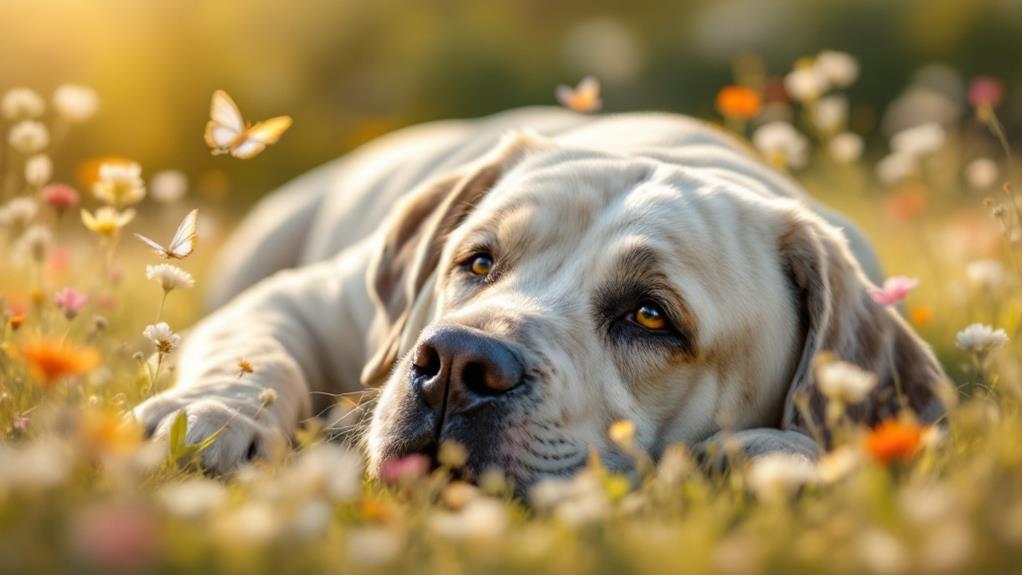
Many Pyrenean Mastiffs are celebrated for their calm, gentle, and friendly temperament, making them excellent companions for families, especially those with children. Their gentle nature is complemented by strong protective instincts, ensuring they're always vigilant guardians of their home and loved ones. Despite their impressive size, these dogs are nurturing and form deep bonds with their families, often displaying affection through gentle interactions. They're known for their loyalty and courage, standing by their owners in any situation.
In addition to their protective and friendly demeanor, Pyrenean Mastiffs are quite adaptable. They can fit into different lifestyles and environments, tolerating brief periods of solitude as long as their basic needs are met. However, keep in mind that their size and strength require supervision during playtime with children. While they're not aggressive, their enthusiasm can unintentionally overwhelm smaller kids.
Care and Maintenance
When embracing the companionship of a Pyrenean Mastiff, understanding their care and maintenance needs is vital for a harmonious relationship. This large breed requires regular grooming, a balanced diet, and ample space to thrive. Here's a concise guide to ensuring your gentle giant remains healthy and content:
- Grooming Needs: Brush their coat twice a week to manage shedding and maintain skin health. During shedding seasons, increase the frequency to prevent matting and keep their coat looking its best.
- Dietary Requirements: Feed them 7 to 10 cups of high-quality, meat-based dry food daily. Focus on large breed puppy food during their growth phase to support proper development and prevent joint issues.
- Health Monitoring: Regular veterinary check-ups are critical. Keep an eye out for hip/elbow dysplasia and gastric dilatation, common health concerns for large breeds. Early detection can make a significant difference in their quality of life.
Given their size, provide plenty of space for exercise and movement. Pyrenean Mastiffs aren't ideal for apartment living. Be prepared for some drooling; cleaning supplies will help manage this aspect of their care. By attending to these needs, you'll enjoy a fulfilling relationship with your Pyrenean Mastiff.
Training Tips
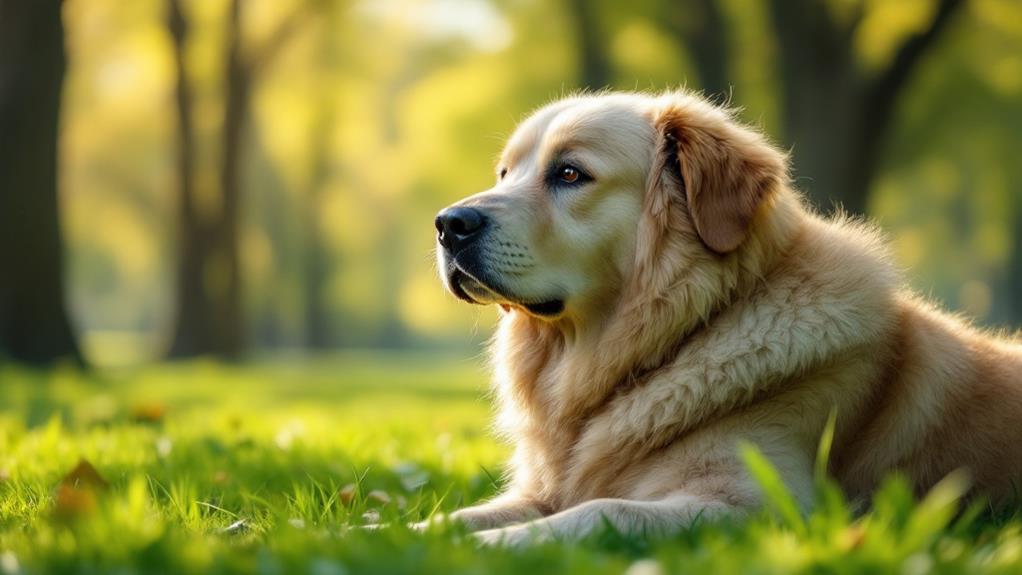
Training a Pyrenean Mastiff requires patience and consistency, given their independent nature. These gentle giants are generally easy to train, but you'll need to keep their attention with positive reinforcement. Treats work wonders, but be mindful not to overdo it to avoid weight gain. A balanced diet is essential since they can weigh between 130 to 200 pounds.
Start with early socialization to nurture their gentle temperament. Introduce them to different people, children, and other pets to guarantee they become well-rounded companions. Socialization is key to preventing any territorial or protective behavior from becoming problematic.
When it comes to training sessions, keep them short and positive. Pyrenean Mastiffs have high energy levels, so regular mental stimulation through interactive games and training exercises will keep them engaged. Gradually increase the difficulty of commands as they become more comfortable with basic obedience. Remember, keeping things fun and engaging will hold their interest longer.
Incorporate both physical and mental activities into their routine to satisfy their needs. By maintaining a consistent approach, you'll help your Pyrenean Mastiff develop into a well-behaved and gentle member of your family.
Health Considerations
Caring for a Pyrenean Mastiff means keeping a close eye on their health, as they're prone to certain conditions common among large breeds. Regular health monitoring is imperative to catch issues such as hip and elbow dysplasia, intervertebral disc disease (IVDD), and gastric dilatation-volvulus (bloat) early. These conditions can greatly impact their quality of life and total lifespan, which typically ranges from 10 to 13 years. Staying vigilant with routine vet visits will help you manage these potential problems effectively.
To guarantee a healthy lifestyle, you'll need to focus on their diet. A well-balanced intake prevents rapid growth in puppies, which can lead to joint issues later in life. While the specifics of their diet and nutrition might be another topic, it's important to understand that what they eat plays a fundamental role in their health.
To keep your Pyrenean Mastiff in top shape, consider these key areas:
- Health Monitoring: Regular checkups can help catch and manage common conditions.
- Diet: A balanced diet supports joint health and total well-being.
- Lifespan: With proper care, you can enhance their years with you.
Diet and Nutrition

Now that you understand the significance of health monitoring, let's focus on the diet and nutrition of your Pyrenean Mastiff. These gentle giants need a well-balanced diet to thrive, requiring 7–10 cups of dry food daily. Prioritize meat-based proteins to meet their energy demands and support their large size. Puppy food specifically formulated for large breeds is essential during their early years. This helps prevent rapid growth, reducing the risk of health issues like hip and elbow dysplasia.
Proper nutrition plays a key role in your Pyrenean Mastiff's health and longevity. Consider an all-natural diet to improve their general well-being. Regularly monitor their weight and health to catch any issues early, as diet can influence conditions such as gastric dilatation. Consistent feeding schedules and portion control are important to managing their weight and preventing obesity, which could lead to further complications.
Living Environment
A Pyrenean Mastiff's living environment should cater to its need for space and companionship. These gentle giants require ample space to move around comfortably, so they're not suited for apartment living. Ideally, you should have a home with a large yard or open area where your Pyrenean Mastiff can roam freely. This breed's thick, coarse coat allows them to adapt well to colder climates, offering insulation against low temperatures. So, if you live in a cooler region, your Pyrenean Mastiff will feel right at home.
To guarantee your Pyrenean Mastiff thrives, consider these three key aspects:
- Space: Your Pyrenean Mastiff needs ample space to stretch and play. A large yard is crucial for their well-being.
- Companionship: While they can handle being alone briefly, they flourish in environments where they regularly interact with family members.
- Exercise: These high-energy dogs need regular exercise to stay physically and mentally stimulated. Confirm there's room for them to roam and engage in activities.
With a strong guarding instinct and protective nature, Pyrenean Mastiffs make excellent watchdogs. Providing the right living environment guarantees their happiness and health.
Socialization and Interaction
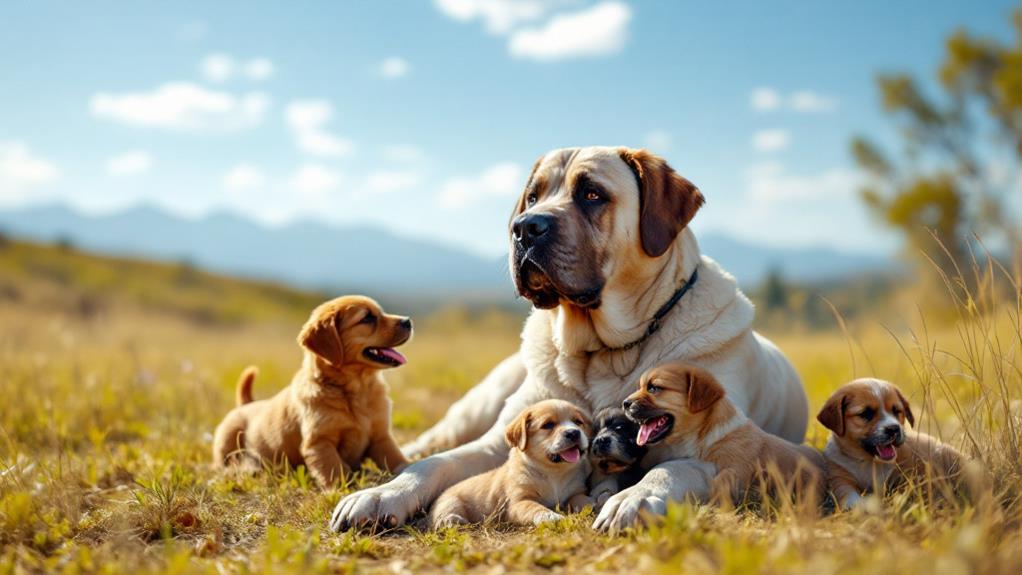
With their calm and gentle temperament, Pyrenean Mastiffs excel in social settings, making them wonderful companions for families. Their mild nature allows them to interact positively with neighbors and the community, often becoming the playmates of local kids. Despite their large size, their gentle demeanor guarantees they engage in play without causing harm. However, given their size, you should supervise playtime with children to assure everyone's safety.
These sociable giants form deep bonds with their human families, enhancing their social interactions. They thrive on companionship, and you'll find they often stick close to family members, enjoying being part of daily activities. This attachment not only fosters warmth but also guarantees they are protective of their loved ones. Their vigilant nature means you can feel secure, knowing they balance affection with the ability to act as guardians when necessary.
Introducing your Pyrenean Mastiff to different people, environments, and experiences from a young period will reinforce their social skills. Proper socialization helps them navigate different situations with ease, guaranteeing they remain the loving, gentle giants they're known to be. With the right guidance, your Mastiff will enrich your family's life with their unique blend of warmth and protection.
Adoption and Breeding
Embracing the Pyrenean Mastiff in your home starts with understanding adoption and breeding practices that promote these gentle giants' well-being. Adopting from organizations like Gentle Giants Rescue offers a wonderful opportunity to provide a loving home for these affectionate companions. When considering adoption, prioritize shelters and rescue groups that highlight responsible breeding to maintain the breed's health and genetic diversity.
The significance of genetic diversity can't be overstated. Since the 1990s, there have been significant efforts to recover the Pyrenean Mastiff population. The Pyrenean Mastiff Club of America (PMAA), founded in 1996, plays a crucial role in preserving and promoting the breed's integrity. They educate potential owners and breeders on maintaining genetic health. In 2022, the birth of 95 puppies in the U.S. and Canada marked a milestone for the breed, reflecting a growing interest and commitment to genetic variety.
When you're ready to welcome a Pyrenean Mastiff into your family, consider these fundamental steps:
- Research Reputable Breeders or Rescues: Confirm they prioritize genetic diversity.
- Engage with the PMAA: Access resources for responsible ownership.
- Promote Health and Longevity: Support efforts that improve the breed's well-being.