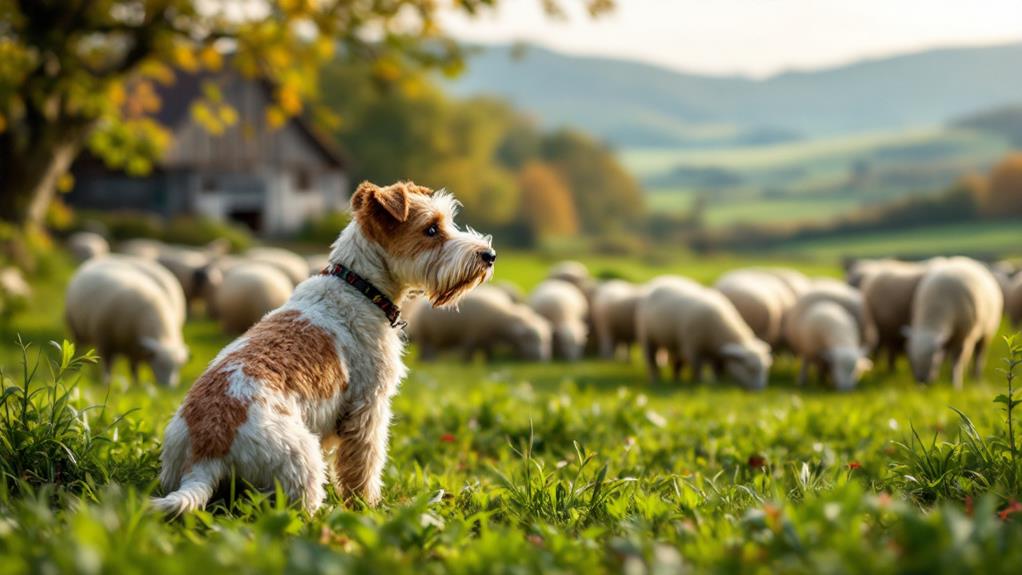
Pumi: The Energetic and Hardworking Hungarian Herder

Meet the Pumi, an energetic and hardworking Hungarian herder known for its intelligence and agility. With roots in the 17th century, Pumis have been developed through crossbreeding with other breeds to manage livestock with ease. They're medium-small with curly coats and lively expressions. Perfect for active families, Pumis need daily exercise and mental challenges. Early socialization is key to curbing their natural curiosity. These intelligent dogs excel in dog sports and form strong bonds with their families. If you want a spirited companion who thrives on adventure, you're on the right track to finding out more about this remarkable breed.
Breed History
The Pumi breed has a rich history that dates back to its origins in Hungary, where it was developed through crossbreeding with the Puli, German spitz, French Briard, and several terriers during the 17th and 18th centuries. This crossbreeding aimed to create a versatile herding dog that could manage livestock with agility and intelligence. As a result, the Pumi became highly valued for its ability to herd sheep and other animals, showcasing its cleverness and nimbleness in the field.
In 1815, the name "Pumi" was initially recorded, but it wasn't until 1921 that Emil Raitsitz began to recognize it as a distinct breed. His efforts laid the groundwork for the breed's formal acknowledgment, highlighting its unique characteristics and contributions to Hungarian agriculture. The Pumi's expedition to international recognition took a significant leap when the American Kennel Club (AKC) granted it full recognition on July 1, 2016. This marked a crucial moment in the breed's history, expanding its presence beyond Hungary.
Despite its relative obscurity outside its homeland, the Pumi has gained popularity in dog sports and as companions, thanks to its impressive agility and intelligence.
Physical Characteristics
After understanding the Pumi's historical significance and development, let's investigate its unique physical traits that make it a standout among herding breeds. The Pumi is a medium-small breed with a distinctive square build. Males typically stand between 16 to 19 inches tall and weigh 26 to 29 pounds, while females range from 15 to 17.5 inches and weigh 22 to 24 pounds. This compact size is perfect for agility and endurance in herding tasks.
One of the Pumi's most recognizable physical characteristics is its curly coat. This medium-length coat, ranging from 4 to 7 cm, comes in several colors such as grey, black, white, and fawn. Grey is the most common color you'll see. The coat features a combination of harsh outer hair and a softer undercoat, which requires regular grooming to prevent matting and maintain its health.
The Pumi's high-set, semi-erect ears are medium-sized and covered with longer hair, giving the breed a lively and intelligent look. Its tail, carried high over the back in a loop and sharing the same curly texture, adds to its balance during herding. Regular grooming is crucial to keep the Pumi looking and feeling its best.
Temperament and Behavior

Energetic and spirited, the Pumi's temperament is marked by its alertness and lively nature. Known for being playful well into adulthood, it's no wonder Pumik have earned the nickname "clown" in Hungary. Their behavior reflects their bold and curious disposition, but without proper management, they can become suspicious of strangers. Early socialization is essential, helping them develop into well-rounded companions.
Pumik are highly intelligent and thrive on mental stimulation, making them quick learners who excel in environments where training and activities are consistent. This breed forms strong bonds with their family, often selecting one person as their leader. They love participating in family activities and interactive play, which helps strengthen these bonds.
Without sufficient physical and mental engagement, Pumik may resort to undesirable behaviors such as excessive barking, digging, or displaying herding tendencies. Their energetic nature requires a lifestyle that offers daily exercise and mental challenges to prevent boredom-related anxiety. By understanding and catering to the Pumi's unique temperament and behavior, you'll guarantee a harmonious relationship with this hardworking Hungarian herder, enjoying their lively spirit and loyalty as part of your family.
Training and Socialization
Understanding your Pumi's lively temperament sets the stage for effective training and socialization. Early socialization is essential, helping your Pumi adapt to different environments and preventing behavioral issues like excessive barking and herding tendencies. Start by introducing them to a range of people and well-behaved dogs. This approach curbs their protective instincts and makes them more adaptable.
Pumis are quick learners, so use positive reinforcement during training sessions. Reward their good behavior with treats or praise, ensuring they associate learning with positive outcomes. Consistency is key; stick to a regular training routine to reinforce desired behaviors and prevent confusion. Mental stimulation is just as significant as physical exercise. Engage your Pumi in interactive play to keep their minds sharp and satisfied. Activities like agility courses or puzzle toys can provide the mental challenge they crave.
During the pivotal initial 16 weeks, establish a firm foundation of training and socialization. This period greatly influences their behavior as adults. By prioritizing these efforts, you'll nurture a well-adjusted Pumi that's both a joy to live with and a reliable companion in different settings. Remember, a well-trained Pumi is a happy Pumi!
Health Considerations
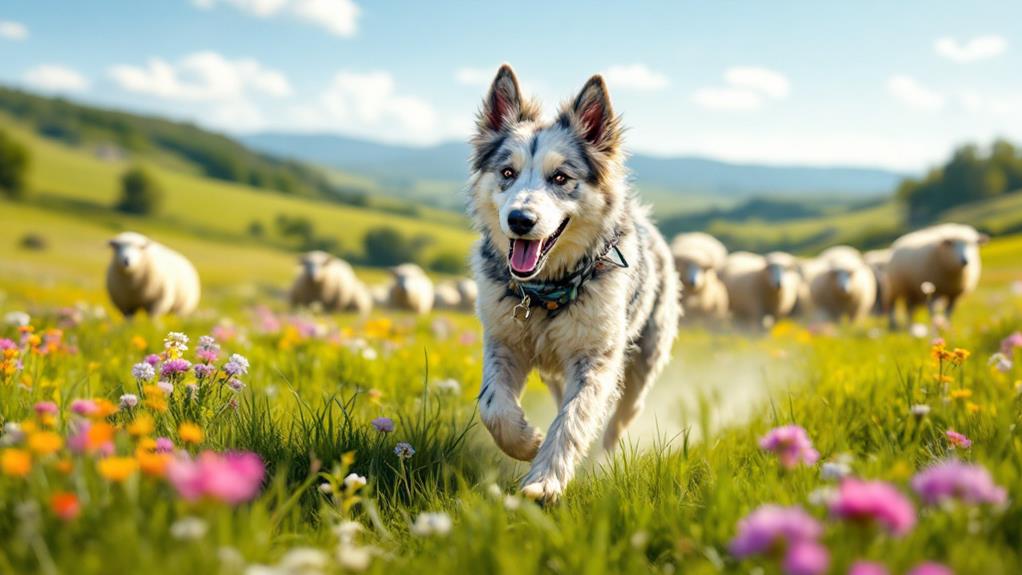
Caring for your Pumi involves understanding their health considerations to guarantee a long, active life. This breed generally enjoys a healthy life expectancy of 12 to 14 years, but being aware of common health issues is essential. Patella luxation and hip dysplasia are prevalent concerns, with 9.4% of tested Pumis in the US showing abnormal hips. To secure your Pumi's general well-being, it's important to contemplate health clearances from a reputable breeder. These clearances confirm that breeding stock is free from inherited conditions.
Regular veterinary visits play a significant role in early detection of potential health problems, such as degenerative myelopathy, which affects 9.7% of tested Pumis. DNA testing for this and primary lens luxation is recommended, as 12.3% of Pumis are carriers. By taking these precautions, you can help your Pumi lead a healthy life.
Here's how you can support your Pumi's health:
- Choose a reputable breeder for health clearances.
- Schedule regular veterinary visits for early detection.
- Contemplate DNA testing for degenerative myelopathy.
- Monitor for signs of hip dysplasia and patella luxation.
Care and Grooming
With its distinctive corkscrew curls, the Pumi's coat is a unique feature that requires regular attention. You'll want to groom your Pumi every 2-3 weeks to keep its low-shedding coat healthy and free from matting. Brushing is vital, especially after outdoor adventures, to remove debris and maintain those characteristic curls. Opt for natural drying methods post-bath to preserve the coat's texture.
Daily care for your Pumi goes beyond grooming. Their active nature demands both physical exercise and mental stimulation to prevent boredom-related behaviors. Engage them with play and routine exercises to keep them happy and healthy. Alongside this, routine ear cleaning and periodic nail trimming are important practices. They not only promote general health but also help you catch potential issues early, guaranteeing your Pumi remains comfortable and active.
Don't forget weekly coat inspections, which offer a chance to spot any concerns early. Coupled with regular veterinary check-ups, these habits help monitor for common health issues like hip dysplasia. By committing to this care routine, you'll guarantee your Pumi leads a lively, healthy life, showcasing the best of its spirited and hardworking nature.
Family Compatibility

Pumik are a fantastic choice for active families, as these energetic dogs thrive when they're engaged in daily exercise and mental stimulation. As a family member, a Pumi brings lively companionship, making them ideal for households that adopt an active lifestyle. They bond closely with family members and often show a preference for one leader, enhancing the human-animal connection.
However, their herding instincts can lead them to exhibit herding behaviors, especially towards children. To guarantee a harmonious environment, early and proper socialization is essential. Including them in family activities like games of fetch or frisbee guarantees they receive the mental stimulation and physical activity they need.
Consider these heartwarming aspects of having a Pumi as part of your family:
- Unwavering Loyalty: Your Pumi will form a strong bond with each family member, providing loving companionship.
- Endless Energy: Their energetic nature guarantees your family will always have a lively playmate ready for fun.
- Interactive Fun: Engage them in family games to keep them happy and healthy.
- Herding Love: With proper socialization, their herding instincts can be channeled into positive, playful interactions with children.
Incorporating a Pumi into your family promises endless joy and activity.
Sports and Activities
For dog enthusiasts seeking an energetic and intelligent companion, few breeds match the Pumi's prowess in sports and activities. This lively breed excels in a range of dog sports due to its agility and intelligence. If you're interested in agility competitions, you'll find Pumik often achieving Master Agility Champion (MACh) titles. Their quick thinking and nimbleness make them stars in events like the USA World Team.
Obedience training is another area where Pumik shine. Their intelligence makes them quick learners, responding well to structured training sessions. This trait is invaluable in competitive environments, where mental stimulation is just as significant as physical exercise.
Pumik also excel in herding trials. With their strong herding instincts and loose-eyed, close-working style, they're perfect for those who want to harness their dog's natural abilities. Regardless of whether it's flyball, nose work, or tracking, the Pumi's energetic and playful nature makes them well-suited for interactive sports.
Incorporating regular physical exercise into your Pumi's routine is crucial to keep them happy and healthy. Engaging in these activities not only taps into their competitive spirit but also guarantees they receive the mental and physical stimulation they crave.
Recognition and Popularity
Many dog enthusiasts might not have heard of the Pumi, a breed that's gaining recognition and popularity in dog circles. Officially recognized by the American Kennel Club (AKC) on July 1, 2016, the Pumi is part of the herding group. Though relatively unknown outside Hungary, its energetic and hardworking nature is winning over hearts worldwide. The breed's progression to recognition began when it was exported to Finland in 1973, sparking interest across Europe and North America. Despite this growing popularity, the Pumi remains a rare breed, with only 2,064 registered Pumik as of 2015.
The Pumi's agility and herding capabilities are highlighted through its impressive achievements in agility competitions. These working dogs have earned multiple MACh titles and even represented the USA World Team. The Pumi Club of America continues to promote this unique breed, advocating for its recognition and preservation.
Consider these emotional highlights about the Pumi:
- Rarity: Only a few litters are born each year in the U.S.
- Recognition: AKC recognition marks a significant milestone.
- Popularity: Increasingly sought after in agility competitions.
- Community: Join the surge of interest with the Pumi Club of America.