Puli: the Unique Cord-Coated Herding Dog From Hungary
Uncover the Puli, a medium-sized herding dog from Hungary known for its standout corded coat. This breed isn't just visually striking; it's got a sharp mind and a deep history. With a lifespan of 10 to 15 years, a Puli is a long-term friend ready for action. Standing about 16 to 18 inches tall and weighing 25 to 35 pounds, it's both compact and powerful. These dogs excel in herding with minimal training needed, and they love agility activities. Though friendly and intelligent, they require consistent training and care. There's so much more about their remarkable expedition ahead.
Breed Overview
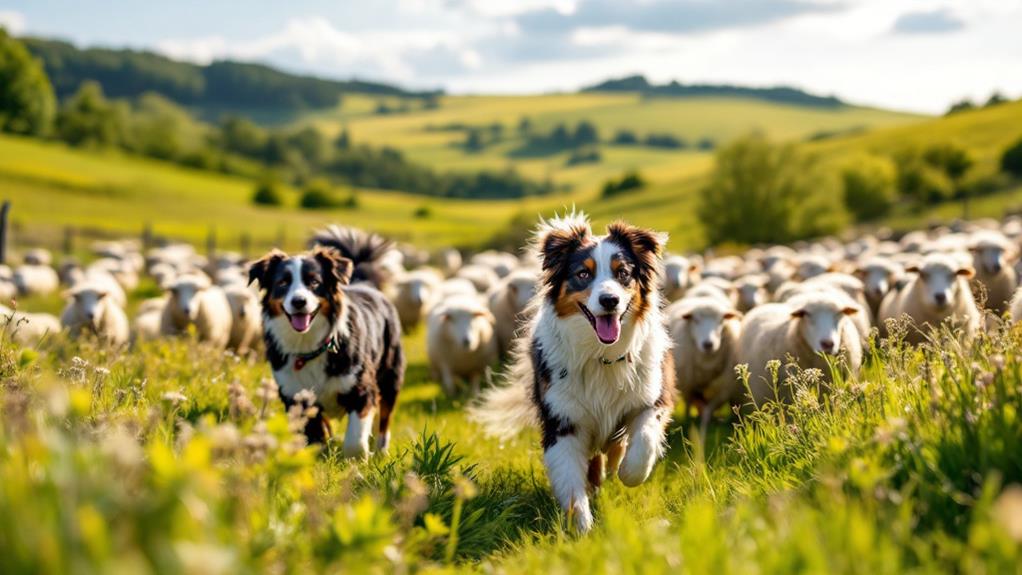
A bundle of energetic fur, the Puli is a medium-sized herding dog with a distinctive corded coat that's sure to catch your eye. Originating from Hungary, this breed stands out not only for its unique appearance but also for its exceptional herding abilities and intelligence. As a herding dog, the Puli has a rich history of working alongside shepherds, using its agility and strong instincts to manage livestock efficiently.
Recognized by the American Kennel Club since 1935, the Puli is admired for its intelligence, making it highly trainable. You'll find that consistent training and socialization are key to ensuring your Puli thrives in diverse environments. This breed is perfect for those who appreciate an active and mentally stimulating companion. With a lifespan of 10 to 15 years, the Puli offers a long-term commitment that's filled with energy and loyalty.
The Puli's corded coat, usually solid-colored in shades like black, gray, white, or cream, adds to its charm and uniqueness. While it may seem high-maintenance, this coat serves a practical purpose, protecting the dog from harsh weather and providing a natural barrier against potential threats.
Physical Traits
With their distinctive appearance, Pulis immediately capture your attention due to their unique physical traits. As herding dogs originally bred by Hungarian shepherds, Pulis stand out with their long, corded coat, which is as practical as it is striking. This distinctive coat resembles dreadlocks and can take up to five years to fully develop, showcasing a range of solid colors, with black being most common, though you'll also find white, gray, and cream. Not only does the corded coat give Pulis their iconic look, but it also serves a functional purpose, being water-resistant and providing protection against harsh weather conditions while they work in the fields.
Standing between 16 to 18 inches tall, with females typically around 16.5 inches and males about 17 inches, Pulis have a compact yet powerful build. Weighing between 25 to 35 pounds, their agility is evident, making them adept herding dogs. Their sturdy physique aids in their herding capabilities, allowing them to navigate different terrains with ease. While their striking appearance might suggest a high-maintenance breed, with proper obedience training, Pulis can be both effective working dogs and delightful companions. Their physical traits make them truly unique among herding breeds.
Temperament and Behavior
Pulis captivate with their lively temperament and intelligent behavior. As a breed, the Puli is known for its sharp intelligence and natural herding instincts. This means they possess a strong ability to understand commands and tasks quickly. Their temperament is often friendly and sensitive, especially around children. However, they may become shy or overactive without sufficient exercise and socialization. This breed thrives in active environments, where engagement and activity are plentiful.
Here are a few key points to remember about the Puli's temperament and behavior:
- Loyal and Protective: Pulis form strong bonds with their families and are naturally protective. Their loyalty makes them excellent companions, always vigilant over their home and loved ones.
- Need for Exercise and Socialization: To prevent shyness or overactivity, make sure your Puli gets plenty of exercise and socialization. This keeps their energy in check and promotes a balanced temperament.
- Highly Trainable but Stubborn: With their intelligence, Pulis are highly trainable, but can be stubborn. Consistent training and early obedience work are essential to managing their independent nature.
Understanding the Puli's unique temperament helps guarantee they thrive as loyal and engaging family members.
Training and Activities
Training a Puli can be a rewarding experience, thanks to their intelligence and natural herding instincts. These traits make them highly trainable, though they do require early obedience training and consistent socialization. Start training early to instill good behavior and manage their energetic nature. Your Puli's natural herding ability means they often need minimal training to manage livestock, making them ideal for farms or ranches.
Regular exercise is essential for Pulik, who are active and thrive on physical activities and mental stimulation. Incorporating activities like agility can be a fantastic way to keep them engaged. They excel in agility and obedience competitions, showcasing their quick learning abilities and creating a stronger bond between you and your dog. These activities not only sharpen their skills but also provide the exercise they need to stay healthy and happy.
While Pulik are intelligent, they can be stubborn, so it's significant to establish a clear leadership role during training sessions. Consistent and focused training sessions will help you manage this stubbornness. Remember, a well-trained Puli is a joyful companion, always ready for the next challenge or adventure.
Health and Grooming
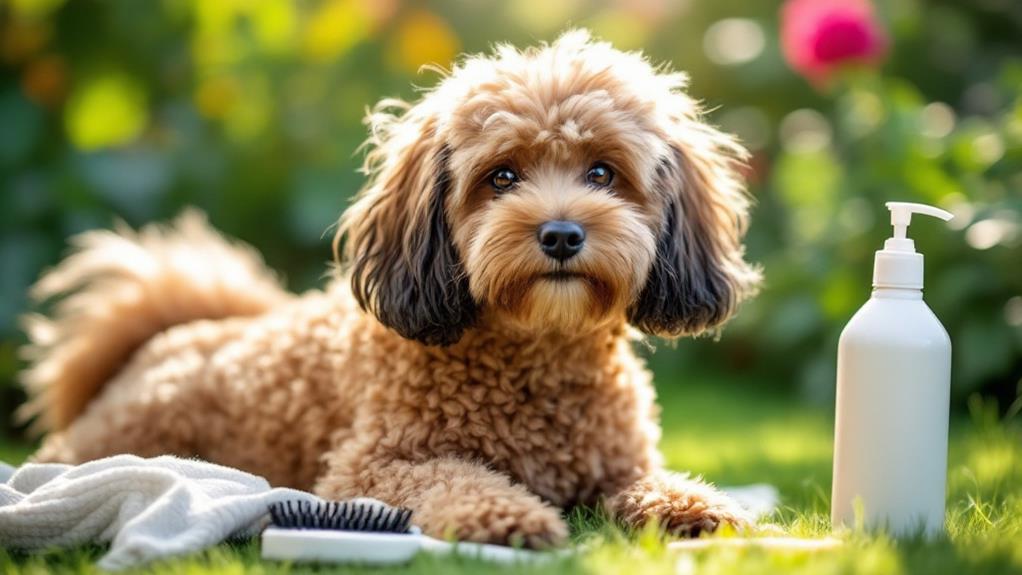
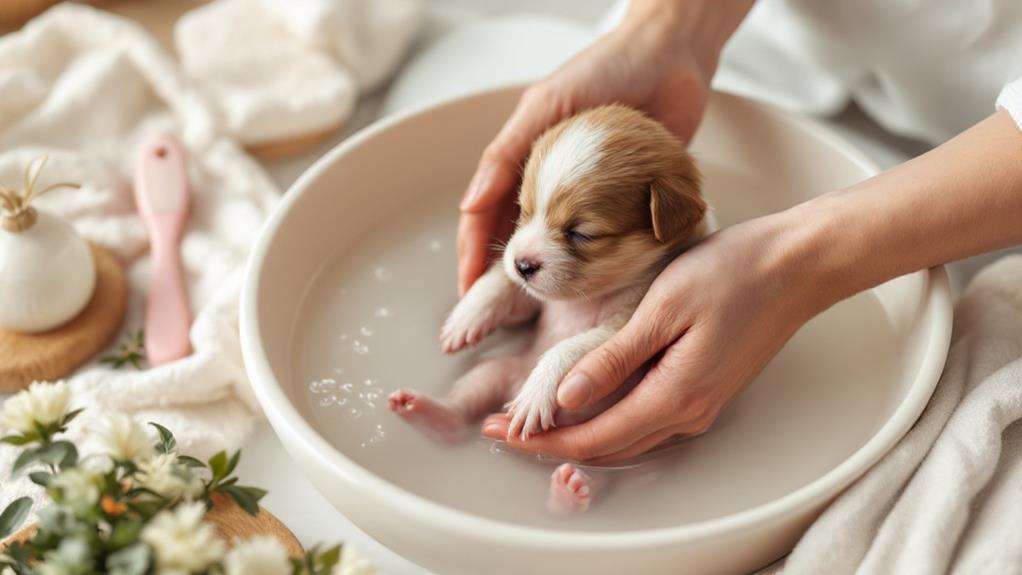
A Puli's health and grooming needs are unique, largely due to their distinctive corded coat. This coat requires regular attention to prevent matting and maintain cleanliness. Bathing your Puli is fundamental, as the cords can trap dirt and develop odors if neglected. During grooming sessions, inspect for skin issues and debris to catch any potential problems early. Here's a quick guide to keeping your Puli in prime shape:
- Grooming: Regularly check and clean the corded coat to prevent matting and remove debris. Bathing should be done periodically to keep odors at bay. Despite minimal shedding, the coat can take years to develop fully, so consistency is key.
- Diet: Provide a balanced diet with high-quality dog food to support your Puli's energetic nature. Proper nutrition is critical for maintaining overall wellness and supporting their active lifestyle.
- Veterinary Check-Ups: Routine check-ups are important for early detection of health issues such as hip dysplasia or eye disorders. Regular visits help guarantee your Puli remains healthy and catch any health concerns promptly.
Incorporating these practices into your routine will guarantee your Puli stays healthy and lively throughout their life.
Historical Significance
Steeped in rich tradition, the Puli breed boasts ancient roots, tracing back to 4000 B.C. in Southeast Asia. Archaeological finds in Mesopotamia suggest that the Puli Dog Breed has been intertwined with human history for millennia. These dogs, with their distinctive coat, were brought to Hungary during the great migration of nations. They became prized herding companions, so valuable that shepherds would pay a year's wages for one.
In ancient Hungarian culture, the Puli wasn't just a working dog; it was a symbol of national heritage. The saying "A Puli is not a dog, a Puli is a Puli" captures its unique status. However, the breed faced challenges, especially during World War II, when their numbers dwindled. Fortunately, the Department of Agriculture imported four Pulik to the United States in 1935, securing their future.
The American Kennel Club recognized the Puli Dog Breed the same year, marking its official U.S. introduction. This recognition helped preserve the breed and highlighted its importance. Today, the Puli not only continues its herding legacy but also stands as a reflection of its enduring historical significance.