Puggle: The People-Loving and Playful Mixed-Breed Dog
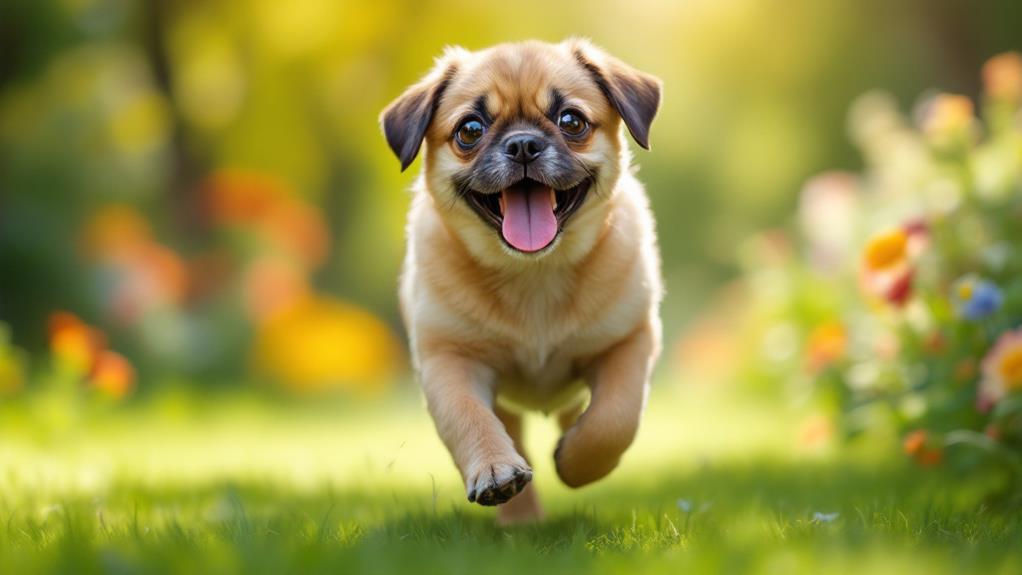
You'll love a Puggle if you're seeking a playful and affectionate companion. This delightful mix of a Pug and Beagle combines the best traits of both breeds, offering high energy and a friendly disposition. They're excellent with families and other pets, thriving in different living conditions. Regular grooming and exercise are key to keeping them healthy and happy. Puggles can entertain and engage effortlessly, but they don't enjoy being left alone for too long, which can lead to separation anxiety. With a focus on socialization and training, they make loyal companions. Uncover all about their unique charm and care needs next.
Origins and Background
Although the Puggle may seem like a modern invention, its roots go back to the 1980s when breeders initially crossed a Pug with a Beagle. This groundbreaking blend aimed to combine the best traits of both breeds, resulting in a dog that's captured the hearts of many as ideal family pets. Pugs, originating from ancient China, were once cherished by emperors for their charming and affectionate nature. Beagles, on the other hand, bring a rich history of companionship from their time as Roman hunting dogs in ancient Greece.
The hybrid vigor of Puggles makes them intelligent and adaptable, inheriting the friendliness of the Pug and the curiosity of the Beagle. Recognized by the American Canine Hybrid Club, Puggles emerged commercially in 2000, quickly gaining popularity due to their winning personalities and adaptability to different living environments.
Their compact size and loving disposition make them well-suited for family life, thriving in varied settings. Regardless of whether you live in a lively city or a quiet suburb, a Puggle can fit seamlessly into your household. Their affectionate nature makes them excellent companions, always ready to join in family activities and bring joy to their human pack.
Personality Traits
Thanks to their rich blend of traits, Puggles stand out for their friendly and affectionate nature, making them excellent companions for families with children and other pets. Their intelligence and strong desire for companionship mean they're happiest when they're part of the family activities. You'll notice that Puggles thrive on human interaction, and their sociable temperament makes them easy to bond with.
Here's what you can expect from a Puggle's personality:
- High Energy: Their playful demeanor, inherited from their beagle lineage, means they love engaging in interactive playtime. Regardless of whether it's a game of fetch or a brisk walk, they're always up for some fun.
- Affectionate Nature: Puggles are incredibly people-loving. They crave attention and companionship, often following you around the house just to be near you.
- Separation Anxiety: Because of their strong attachment, leaving them alone for long periods can lead to separation anxiety. They do best in environments where someone is often home.
- Need for Stimulation: Puggles require consistent socialization and mental stimulation. Without it, they can become bored, which may lead to undesirable behavior.
With their delightful mix of traits, Puggles make wonderful, spirited enhancements to any household.
Physical Characteristics
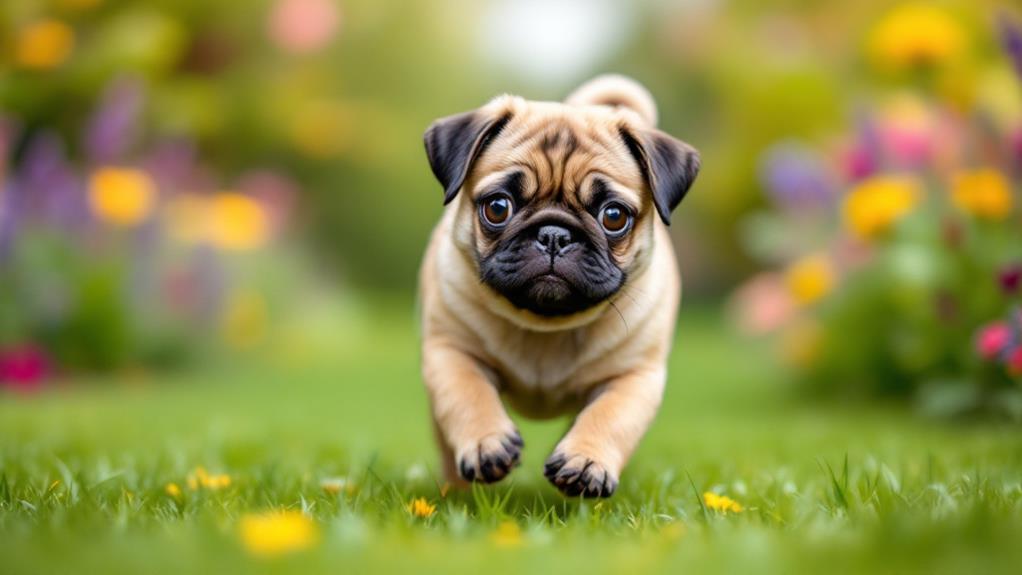
In regards to their physical characteristics, Puggles are as charming as their personalities. As a hybrid of pugs and beagles, they inherit a blend of features from both breeds. Typically, a Puggle weighs up to 30 lbs and stands about 15 inches tall, making them a great small to medium-sized option for dog lovers. You'll notice their distinctive facial wrinkles, reminiscent of a pug, combined with the longer snout of a beagle. This combination not only gives them an adorable appearance but also helps enhance their respiratory function compared to purebred pugs.
Their coats are short, meaning you'll want to brush them weekly to manage shedding and keep their fur looking sleek. If you're looking for a smaller companion, toy puggles are a wonderful choice, weighing roughly half as much as standard ones. Don't forget about their eyes and ears; these require regular cleaning to prevent health issues. And just like their eyes and ears, their nails need trimming to guarantee they're comfortable and mobile. Finally, take good care of their teeth daily to maintain general oral health and prevent dental issues. Puggles are truly a delightful blend of charm and practicality!
Grooming Needs
Keeping your Puggle well-groomed is crucial for their health and happiness. With their short coat, these adorable companions require consistent care to look and feel their best. Here's a simple guide to guarantee your Puggle stays in tip-top shape:
- Weekly Brushing: Regular brushing helps manage shedding and keeps their coat healthy. A quick session once a week should do the trick, reducing loose hairs and promoting a shiny appearance.
- Skin and Wrinkle Care: Puggles have charming skin folds and wrinkles that need special attention. Clean these areas regularly to prevent skin issues and infections. Make certain they're thoroughly dried after cleaning to avoid moisture-related problems.
- Nail Trimming: Your Puggle's nails should be trimmed regularly. Long nails can cause discomfort and even lead to health issues. Keep an eye on their length and trim as needed to guarantee your dog remains comfortable.
- Oral and Ear Care: Daily teeth brushing is fundamental to prevent dental problems. Don't forget their ears and eyes, which also need regular cleaning to prevent infections.
Exercise Demands
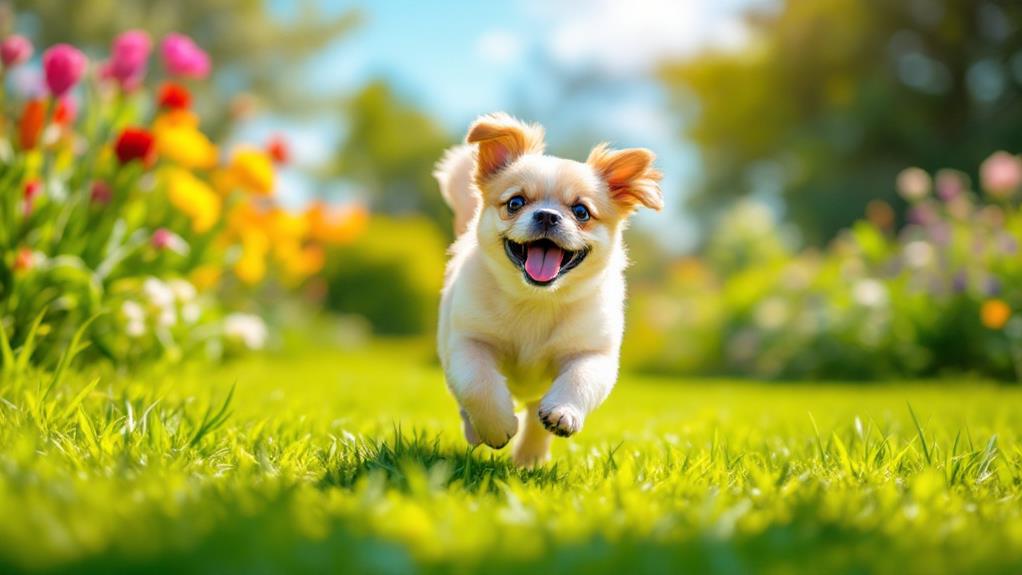
To keep your Puggle happy and healthy, they need about 45 minutes of exercise daily. This mixed-breed dog, with its beagle lineage, is high-energy and thrives in active environments. Meeting their exercise demands is vital for maintaining their energy levels and general well-being. As family companions, Puggles love engaging in playtime, interactive games, and daily walks. These activities not only satisfy their physical needs but also strengthen your bond with them.
When planning exercise, always supervise your Puggle to guarantee their safety. Their combination of energetic behavior and brachycephalic traits means they can overexert themselves if not monitored closely. Choose activities that are both fun and safe, like fetching a ball in the backyard or participating in a gentle game of tug-of-war.
Regular exercise is fundamental to prevent behavioral issues that can arise from pent-up energy, such as excessive barking or chewing. Moreover, keeping them active helps alleviate separation anxiety, especially if they're left alone for extended periods. By understanding and fulfilling their exercise demands, you make certain that your Puggle remains a happy, healthy, and well-behaved family companion throughout their life.
Health Considerations
Why should you pay attention to your Puggle's health considerations? As a beloved member of the family, your Puggle deserves the best care to enjoy a long, happy life. While generally healthy, Puggles can inherit certain conditions from their parent breeds that you should watch out for. Here are four key areas to focus on:
- Joint Health: Puggles may suffer from hip dysplasia and patellar luxation. Regular vet check-ups help spot these issues early, guaranteeing your furry friend stays active and pain-free.
- Respiratory Health: Due to their brachycephalic traits, Puggles might experience breathing difficulties. Confirm their environment is comfortable and avoid excessive heat or exertion.
- Skin Care: Their short coat is easy to maintain, but those adorable wrinkles need attention. Clean their skin folds regularly to prevent infections and irritations that can affect their comfort and health.
- Weight Management: Obesity can worsen many health problems. Keep your Puggle fit with about 45 minutes of daily exercise to maintain a healthy weight and reduce the risk of associated conditions.
Training Tips
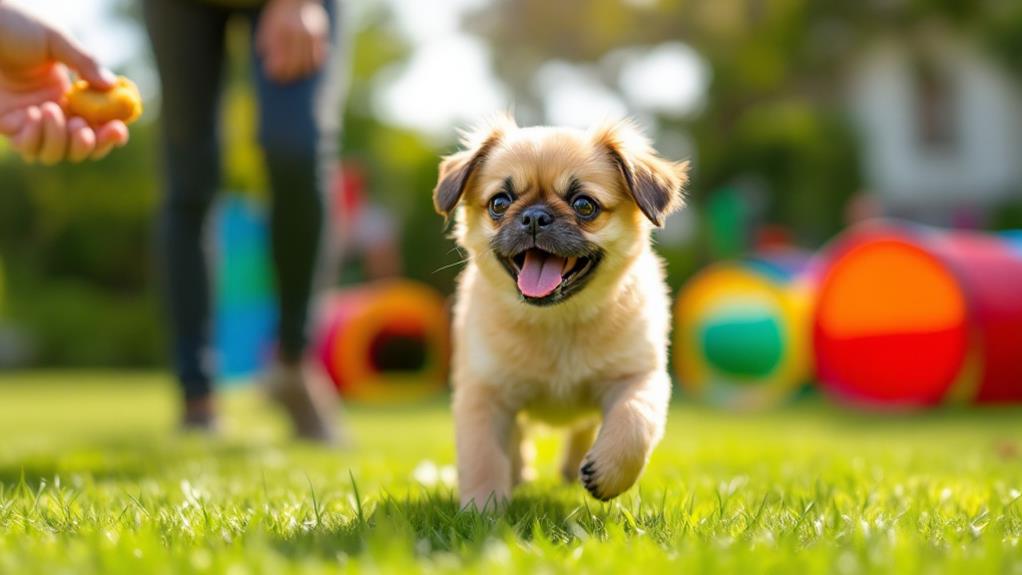
In relation to training your Puggle, starting early is key to fostering their intelligence and willingness to please. These adaptable dogs respond well to positive reinforcement, so using treats and praise will go a long way. It's significant to use consistent commands and hand signals. Puggles thrive on routine and clarity, so establishing a set of expectations helps them learn quicker. Short training sessions of 5-10 minutes are ideal to maintain their focus and prevent boredom, making training a fun part of their daily activities.
Socialization is another vital aspect of your Puggle's training. Introduce them to different people and other pets early on to promote a well-rounded temperament. This also helps reduce the risk of separation anxiety. Since Puggles are motivated by play and companionship, keep training sessions engaging by incorporating toys along with treats. This interactive approach will make learning enjoyable for both you and your furry friend.
Living Conditions
A cozy apartment or a spacious house—Puggles can happily adapt to either living condition as long as they get enough attention and exercise. They're a dog whose friendly nature makes them perfect for families with children or other pets. Their small to medium size, weighing up to 30 lbs and standing up to 15 inches tall, allows them to fit comfortably into smaller spaces. However, there are a few things you should keep in mind to guarantee your Puggle thrives:
- Attention: Puggles don't like being left alone for long periods. If you're away often, they may experience separation anxiety. Consider a home where someone is present during the day.
- Exercise: Aim for at least 45 minutes of activity daily. This keeps their energy levels balanced and health in check.
- Socialization: Their sociable nature means they enjoy being around people and other animals. Make certain they get plenty of interaction.
- Space: Even in a smaller living space, a Puggle needs room to move and play. Confirm you have a dedicated area for them to roam freely.
Nutrition Guide
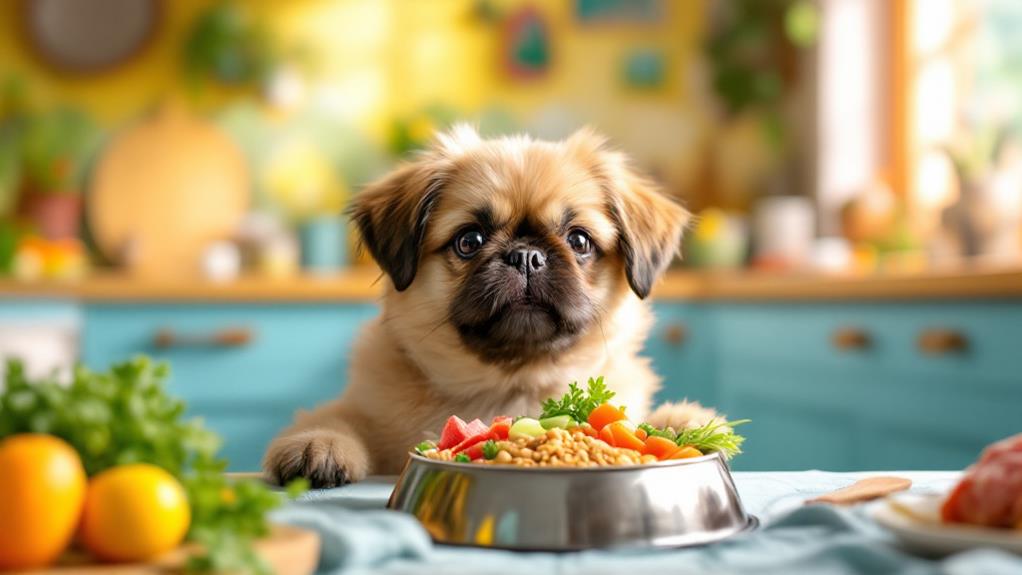
In regard to feeding your Puggle, between guaranteeing a balanced diet and managing portion sizes, you'll need to keep a few key principles in mind. Start with high-quality dog food formulated for small to medium breeds. This guarantees they receive the necessary nutrients that match their energy levels and size. Given their playful nature, Puggles are prone to weight gain if overfed or given too many treats. Portion control is vital to prevent obesity and maintain their health.
Feed adult Puggles twice a day to maintain stable energy levels and avoid excessive hunger. This routine supports their active lifestyle, making them excellent family companions who are always ready to play. Always provide fresh water, especially after exercise, to meet their hydration needs. Their active nature can increase their water requirements, so keeping a filled bowl accessible is important.
Adoption and Breeders
Adopting a Puggle can be a rewarding experience, offering you a chance to bring home a loving companion while also giving a dog in need a second chance. Rescue organizations often have Puggles available, and choosing adoption can be more cost-effective, as rescue fees are typically lower than those of breeders. Plus, adopting means you're saving a life, providing a loving home to a dog who might otherwise be left alone in a shelter.
If you decide to go through a breeder, it's essential to choose one who is reputable and prioritizes the health and temperament of their dogs. Here's what to take into account:
- Cost: Expect to pay between $1,000 and $2,500, influenced by lineage and location.
- Health Screenings: Make sure the breeder conducts thorough health checks for both parent breeds to prevent inherited issues.
- Reputation: Research and select breeders known for responsible practices.
- Temperament Focus: A good breeder emphasizes nurturing the Puggle's friendly nature.