Popular Small Dog Breeds: The Best Companion Dogs for Your Home
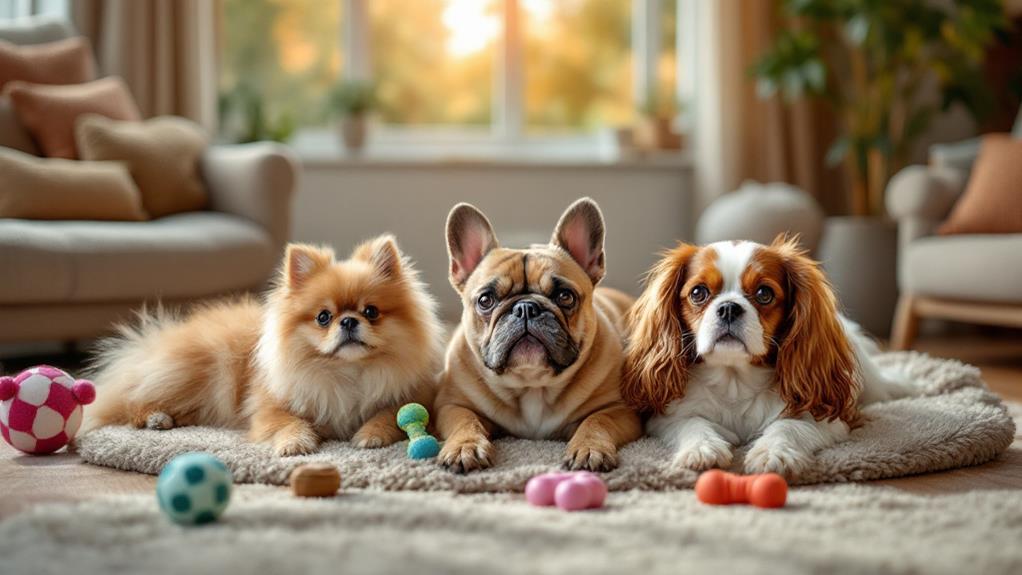
If you're seeking a small dog to fit your home, there are plenty of adorable breeds to evaluate. Chihuahuas and Papillons offer lively personalities and energetic playfulness. Cavalier King Charles Spaniels are affectionate and thrive on moderate exercise. French Bulldogs and Pugs are great for apartment living with their friendly, adaptable natures and minimal grooming needs. Each breed comes with its own unique temperament, exercise, and grooming requirements. Choosing the right small dog involves pondering your living space, the dog's energy levels, and their grooming needs. Uncovering the perfect companion hinges on balancing these factors effectively.
Characteristics of Small Dog Breeds
Small dog breeds are perfect for a variety of living situations due to their compact size. Weighing under 20 pounds and standing less than 16 inches tall, these breeds make ideal companion dogs for apartment dwellers and those with limited space. You'll find that small breeds have a wide range of temperaments, allowing you to choose based on your personality preferences. Regardless of if you prefer the affectionate nature of a lap dog or the lively spirit of an energetic breed, there's a small breed to match your lifestyle.
These loyal canine friends, like the Chihuahua and Papillon, form strong bonds with pet owners and thrive on companionship. They enjoy indoor playtime and social interaction, making them perfect for anyone who spends ample time at home. However, grooming needs vary among small dog breeds. Long-haired varieties, such as the Maltese, require regular grooming to maintain their coat health and reduce shedding. Being aware of these needs will help you keep your furry friend looking their best.
Ultimately, small breeds offer colorful companionship without the demands larger breeds may have. They are loyal, loving, and adaptable, making them a great enhancement to any home.
Exercise and Space Needs
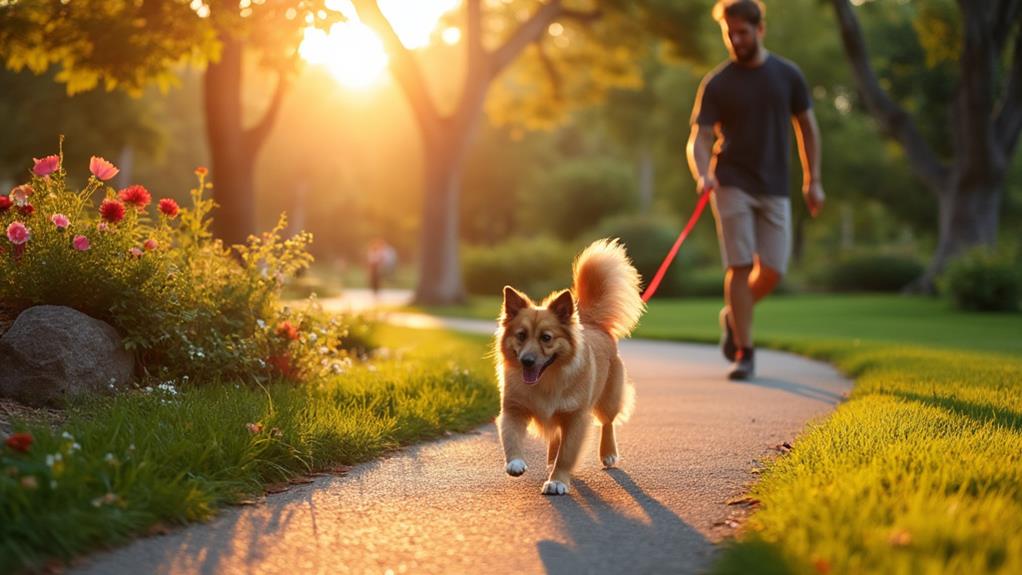
When considering the exercise and space needs of small dog breeds, you'll find that their compact size is a real advantage. Small dog breeds, like the French Bulldog and Pug, fit seamlessly into apartment living. Their moderate exercise needs mean they don't require vast open spaces to roam. However, you'll still need to guarantee they get regular physical exercise and mental stimulation. This can be achieved through daily walks and interactive play sessions, which are vital for their well-being.
Active breeds, such as the Papillon and Chihuahua, have higher energy levels and benefit from daily walks and dedicated playtime. These activities keep them healthy and happy, providing the companionship you both desire. Less active breeds might thrive with shorter outings, but don't skip them; they still need exercise tailored to their energy levels.
In urban environments, the compact sizes of small dog breeds make them ideal companions. They don't need much room, and their adaptability to smaller spaces makes them perfect for city life. Providing them with mental stimulation through training sessions guarantees they stay engaged. With the right balance of activity and care, small dog breeds make wonderful companions in any setting.
Grooming and Health Tips
Having guaranteed your small dog gets the right amount of exercise and space, it's likewise significant to focus on their grooming and health needs. Regular grooming is imperative, especially for small dog breeds like the Maltese and Shih Tzu. Their long coats require daily brushing to prevent matting and maintain coat health. For breeds like the Bichon Frise and Poodle, known for their low-shedding coats, monthly grooming sessions help keep them clean, reduce shedding, and appeal to allergy sufferers looking for hypoallergenic options.
Health-wise, regular veterinary check-ups are fundamental. These visits allow for early detection of breed-specific health issues, which are often more prevalent in small breeds like the Pomeranian and Yorkshire Terrier. Such proactive care can prevent minor issues from becoming major health concerns.
A balanced diet tailored to small dog breeds supports general health and helps maintain a healthy weight. Since small breeds need smaller portions than larger dogs, it's significant to monitor their diet closely. This practice not only supports their dietary needs but also contributes to their overall well-being. By focusing on grooming and health, you'll guarantee your small dog stays happy and healthy.
Top Companion Breeds
In the world of companionship, small dog breeds often stand out as loyal and loving partners. Among the top companion dogs, the Chihuahua is known for its lively personality and strong bond with owners. Despite its tiny size, typically weighing up to 6 pounds and standing 5-8 inches tall, this breed is a bundle of energy and affection.
The Cavalier King Charles Spaniel offers an affectionate personality, thriving on companionship. Weighing between 13-18 pounds, these gentle dogs enjoy moderate exercise, making them great pets for families who appreciate tender and loving interactions.
French Bulldogs are another favorite, renowned for their friendly and adaptable nature. Weighing 19-28 pounds, they're ideal for apartment living and require minimal grooming. Their charming demeanor makes them perfect companion dogs for urban settings.
Next, consider the Pug. With a playful nature and easygoing attitude, this breed is a delightful enhancement to any home. Weighing between 14-18 pounds, Pugs require regular exercise to stay healthy and are great pets for families seeking a cheerful companion.
Choosing the Right Breed
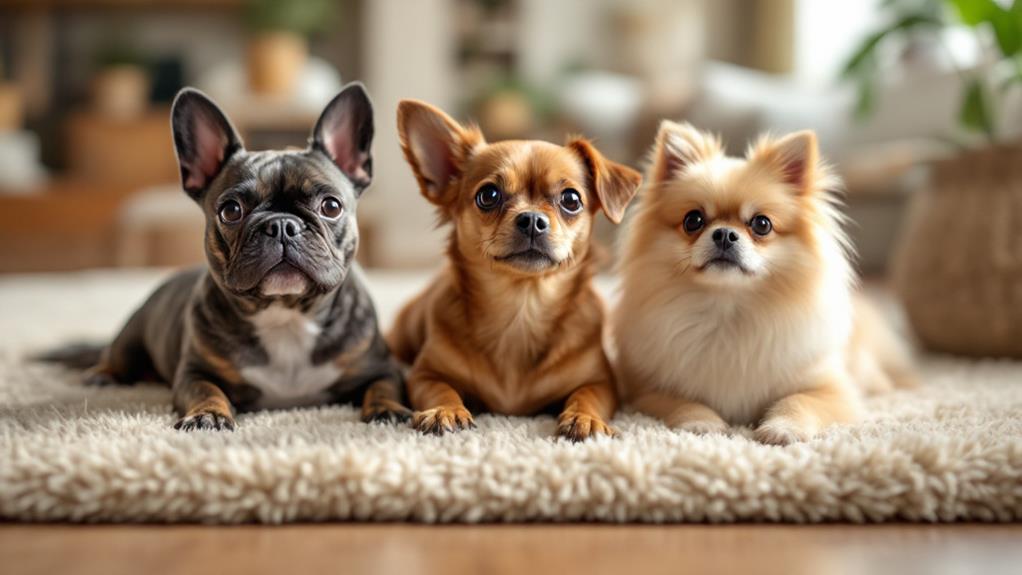
Selecting the right small dog breed involves understanding both your lifestyle and the unique traits of each breed. When choosing the right breed, assess your energy levels. Active breeds like the Papillon demand more exercise and mental stimulation than calmer breeds such as the Shih Tzu. It's imperative to match a dog's activity needs with your own to guarantee a happy, healthy relationship. Consider the grooming needs of each breed. For instance, Maltese require regular grooming, while French Bulldogs have minimal grooming requirements. Evaluating these factors helps maintain your companion dog's well-being.
Temperament is another key factor. Chihuahuas form strong bonds with their owners, while Cavalier King Charles Spaniels are known for their affectionate and gentle nature. Living conditions also matter; breeds like the Pug and Boston Terrier adapt well to apartment living, while others, such as Corgis, may need more space to thrive. Finally, research health concerns specific to each breed. For example, French Bulldogs can face breathing issues due to their brachycephalic nature, requiring careful consideration. Understanding these aspects guarantees you select a breed that fits seamlessly into your life, offering companionship and joy for years.