Pet Dental Care: How to Keep Your Pet’s Teeth Clean and Healthy
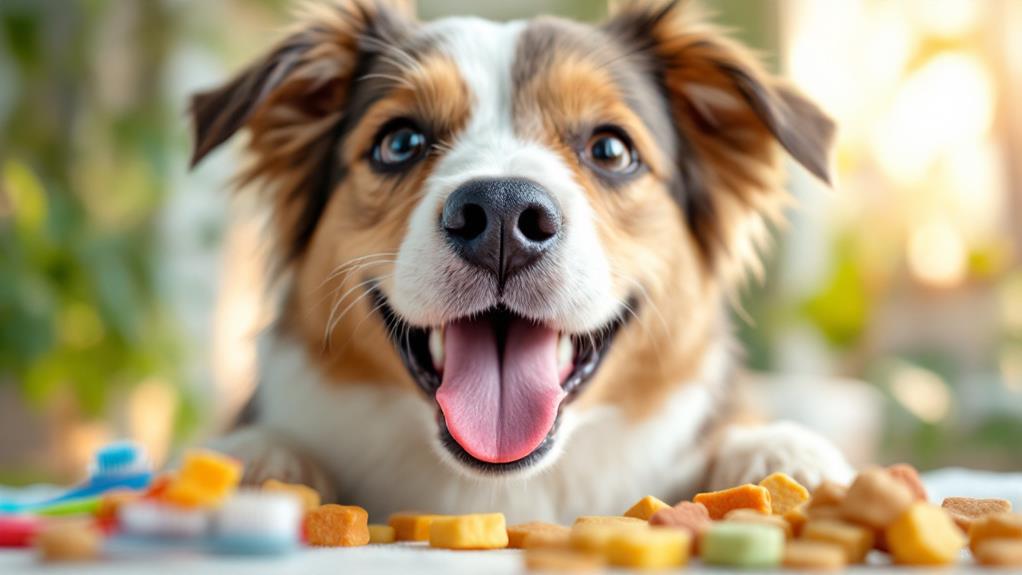
To keep your pet's teeth clean and healthy, focus on daily brushing using a pet-specific toothbrush and toothpaste. Introduce this routine early and use small circular motions at a 45-degree angle to the gums. If brushing isn't possible daily, aim for a few times a week and consider alternatives like dental wipes, treats, and chews. These options can help reduce plaque and freshen breath. Schedule annual professional cleanings for thorough oral care, as they prevent plaque and periodontal disease. Watch for signs like bad breath or swollen gums indicating issues. Uncover extra tips for ideal pet dental care.
Importance of Pet Dental Health
Imagine your pet's mouth as a gateway to their general health. Dental health isn't just about keeping your pet's teeth clean; it's critical for their comprehensive well-being. Periodontal disease, a common issue, can lead to severe health problems affecting essential organs like the kidneys, liver, and heart if left untreated. Shockingly, by the point of 3, about 80% of dogs show signs of periodontal disease. This highlights the significance of early intervention and regular dental care.
Brushing your dog's teeth is a simple yet effective way to maintain their oral hygiene and keep their teeth healthy. However, dental problems can still arise, often unnoticed until they cause bad breath, swollen gums, or difficulty eating. These signs indicate it's time for veterinary care. Regular veterinary check-ups are fundamental for early detection of dental issues, as many pets experience dental disease without obvious symptoms.
Annual professional cleanings, combined with your at-home efforts, can considerably reduce the risk of dental disease. Prioritize your pet's dental health to guarantee their teeth and gums remain healthy. By doing so, you'll be contributing to their comprehensive health and happiness.
Brushing Techniques for Pets
Proper brushing techniques are vital for maintaining your pet's dental health. Start by choosing a dog toothbrush or a child-sized toothbrush. Angle it at 45 degrees to effectively reach the gum line, brushing in small circular motions. This method helps remove plaque buildup, which is significant for your pet's oral health care. Brushing their teeth regularly prevents dental issues and keeps your pet's mouth healthy.
It's significant to select a dog toothpaste, as human toothpaste contains harmful ingredients for pets. Flavored options like chicken or peanut butter can make brushing more enjoyable for your dog. Introduce the brushing routine during puppyhood to help your dog acclimate. For older dogs, gradually introduce brushing with patience and positive reinforcement. Aim for daily brushing to guarantee ideal dental care, but if that's not feasible, brushing 2-3 times a week is still beneficial.
Keep an eye on your dog's behavior during brushing. If they show aggression or discomfort, consider other methods like dental wipes or dental treats to support their oral health care. Regular brushing, along with these alternatives, guarantees your pet's teeth remain clean and healthy.
Alternatives to Brushing

When brushing your pet's teeth is challenging, exploring alternatives can help maintain their dental health. Dog tooth wipes offer a convenient way to clean your pet's teeth by rubbing against their surface to reduce plaque. While not as thorough as brushing your pet's teeth, they're a helpful supplement to your pet care routine. Dental treats are another popular choice. They're designed to reduce plaque and tartar buildup while freshening your pet's breath. Regular use of dental treats can notably improve your pet's oral health.
Natural dog chews, such as cow ears and bully sticks, are effective for dental care. Chewing helps scrape off plaque and can also provide extra dental benefits thanks to their enzyme content. Furthermore, dental water additives are a hassle-free solution. These tasteless products mix with your dog's water to freshen breath and eliminate plaque-forming bacteria, seamlessly integrating into your pet's daily routine.
For a thorough approach to dental care, consider professional dental cleanings by a veterinarian. These cleanings can address issues below the gumline that at-home methods might miss. Together, these alternatives guarantee your pet maintains peak oral health with less hassle.
Choosing Dental Treats
Before you plunge into selecting dental treats for your dog, consider both their dental benefits and palatability to confirm they're enjoyable and effective. Look for products with the Veterinary Oral Health Council's Seal of Acceptance. This seal indicates that the treats are proven to help reduce plaque and tartar buildup, contributing positively to your dog's oral health. It's crucial that these treats are also tasty, guaranteeing your dog will actually want to chew on them.
When choosing dental treats, take into account your dog's size and chewing habits. Larger breeds may benefit from bigger treats that can withstand more force, while smaller breeds might need smaller, softer options. Remember, dental treats are a supplement, not a replacement. You still need to brush your dog's teeth regularly and maintain routine veterinary dental care.
Supervise your dog while they enjoy their dental treats. This verifies they're chewing properly and reduces the risk of choking. Regular use of these treats can appreciably improve your dog's oral health, but they should be part of a broader dental care routine. With the right treats, you can support your furry friend's healthy smile every day.
Benefits of Dog Chews

Dog chews offer more than just a satisfying way for your pet to pass the time; they're a vital component of oral hygiene. By incorporating dog chews into your pet's routine, you're actively promoting dental health. Chewing naturally scrapes plaque off their teeth, helping to reduce plaque buildup and maintain ideal oral hygiene. It's a simple yet effective supplement to your pet's dental hygiene practices.
Natural chews like cow ears and bully sticks go a step further by containing enzymes that improve dental health. These enzymes work to break down plaque, making these chews a natural complement to tooth brushing. Plus, rubber or nylon chew toys provide calorie-free chewing satisfaction, offering dental benefits without adding extra calories to your pet's diet.
Regular chewing doesn't just aid in cleaning teeth; it also helps strengthen jaw muscles. Stronger jaws contribute to comprehensive oral health, ensuring your dog can chew comfortably and efficiently. While chewing keeps them entertained, it also plays a significant role in maintaining their overall health. By choosing the right dog chews, you're investing in your pet's long-term dental health and well-being. So, make chews a regular part of your dog's routine for a happier, healthier pet.
Scheduling Professional Cleanings
While incorporating dog chews into your pet's routine offers substantial benefits for dental health, it's vital to keep in mind that professional cleanings play a key role in maintaining ideal oral hygiene. Regular professional dental cleanings are fundamental for your pet's oral health as they help prevent plaque buildup and periodontal disease, which affects most pets by the time they reach three years old. Scheduling annual cleanings with your veterinarian is generally recommended, though the frequency might vary depending on your dog's breed and your at-home care practices.
During these professional dental cleanings, your veterinarian will use anesthesia to guarantee your dog is comfortable while they conduct a thorough examination. This process includes scaling and polishing the teeth, much like human dental care, and cleaning below the gumline where considerable issues can arise. This level of care is vital to effectively remove tartar and plaque that regular brushing at home can't reach.
After the cleaning, maintaining your dog's oral health involves regular teeth brushing and using dental treats to sustain the results. By combining these efforts, you greatly reduce the risk of dental disease and keep your dog's smile bright and healthy.
Warning Signs of Dental Issues

A crucial aspect of maintaining your pet's oral health is recognizing the warning signs of dental issues early on. Awareness of these signs can prevent severe health problems and guarantee your dog's comfort. One of the most common indicators is bad breath, often arising from plaque buildup or infection. Keeping an eye on your dog's teeth for visible deposits of tartar and plaque is important, as these can lead to periodontal disease if untreated.
Here are some warning signs to watch for:
- Bad breath: Persistent odor may signal plaque or infection.
- Visible deposits: Tartar on teeth indicates potential dental disease.
- Bleeding/swollen gums: Brushing or chewing that causes gum bleeding could mean gum disease and needs veterinary attention.
- Eating discomfort: A refusal to eat or obvious discomfort while chewing may indicate fractured teeth or infections.
- Excessive drooling or blood: Drooling or blood in the food bowl could suggest serious dental issues needing prompt evaluation.
Understanding Veterinary Dentistry
In the domain of pet healthcare, understanding veterinary dentistry is fundamental for maintaining your pet's extensive well-being. Veterinary dentistry involves more than just routine dental cleaning; it encompasses specialized procedures like adjustments and extractions to guarantee peak oral health care. Regular thorough oral exams, often accompanied by x-rays, are key in identifying hidden dental issues that might not be visible at a glance. These exams help prevent periodontal disease, which can lead to severe health complications if left unchecked.
Professional dental cleanings play a significant role in your pet's oral health. During these cleanings, veterinarians perform scaling and polishing to remove plaque and tartar from both above and below the gumline. This meticulous cleaning process is crucial to prevent and treat dental diseases. Anesthesia is typically used during these procedures to minimize your pet's stress and pain, assuring safety and allowing for precise radiographs.
It's significant to schedule regular veterinary dental check-ups, as periodontal disease can develop in pets as young as three years old. By staying proactive with your pet's oral health care, you're not only enhancing their dental hygiene but also preventing potential health complications down the road.
Home Care for Oral Hygiene

Even though professional care is vital, your pet's dental health largely depends on what you do at home. Regularly brushing your dog's teeth is the cornerstone of effective oral care. Aim for daily cleaning, but if that's not feasible, brushing at least 2-3 times a week can still make a significant difference. Always use toothpaste designed specifically for dogs since human toothpaste can be harmful.
Consider these strategies to improve your pet's oral hygiene routine:
- Brush your dog's teeth: It's the most effective way to prevent tartar and plaque buildup.
- Dental chews and treats: These can help reduce plaque and freshen your dog's breath.
- Dog dental wipes: Use them as an alternative to brushing if your schedule is tight.
- Water additives: Add these to your dog's water to help maintain oral health.
- Regular vet check-ups: Your veterinarian can provide professional cleaning and check for potential issues.
A consistent home care regimen not only keeps your dog's mouth clean but also reduces the risk of dental diseases. With these tools and tips, you'll be well-equipped to maintain your pet's dental health and promote their general well-being.