Pessimism in Dogs: How Negative Emotions Can Affect Your Pet

Your dog's emotions can be deeply influenced by negative feelings, leading to a pessimistic view of their world. Stress odors from humans make dogs more cautious, especially in uncertain situations. They might hesitate to approach food, reflecting their lowered expectations of positive outcomes. Your own stress could unwittingly transfer to your pet, affecting their reactions and learning ability. Creating a calm environment helps, as does using positive reinforcement to encourage optimism. Knowing how your emotions and environment affect your dog's mindset can reveal ways to improve their emotional health and well-being.
Understanding Canine Pessimism
Understanding canine pessimism often involves recognizing how dogs react to uncertain situations, especially after they've encountered stress. When dogs experience negative stimuli, such as stress odors from humans, their emotional state shifts. This shift affects their wellbeing, making them less likely to engage with ambiguous scenarios. For example, a study by the University of Bristol showed that dogs exposed to these stress odors approached uncertain food bowl locations more cautiously, indicating a pessimistic outlook.
The test of optimism, a cognitive bias test, helps illustrate this phenomenon. Dogs are trained to associate specific bowls with positive and negative outcomes. When presented with ambiguous bowls, dogs previously exposed to stress were less inclined to approach them. This behavior demonstrates how stress impacts their decision-making, leading to a more pessimistic assessment of their environment.
You should understand that your emotional state can transfer to your dog, influencing their perception and actions. By being aware of this, you can create a more positive environment, reducing the negative effects stress has on their wellbeing. Managing your stress isn't just beneficial for you; it greatly impacts your dog's emotional health, helping them remain optimistic and engaged.
Emotional Contagion in Dogs
Emotional contagion in dogs is a fascinating phenomenon where they mirror the emotional states of their human companions, particularly through olfactory cues. When you're stressed, your dog can pick up on that through scents you might not even realize you're giving off. These stress signals can greatly affect your dog's emotional well-being, leading to behaviors that reflect a pessimistic outlook. Research shows that dogs exposed to stress odors from humans tend to approach ambiguous situations, like uncertain treat locations, more slowly. This suggests a pessimistic view influenced by your mood.
In a study with 18 dogs, those who sniffed relaxed human odors approached treat bowls quickly, showing optimism. Conversely, dogs exposed to stressed human odors displayed increased pessimism. This highlights how your emotional state can directly impact your dog's behavior, learning, and decision-making processes. A positive environment is essential for your dog's well-being, as their responses not only reflect their feelings but also the depth of the emotional bond you share. By managing your stress, you can help guarantee that your dog's emotional landscape remains positive and optimistic, fostering a healthier, happier relationship.
Human Emotions Impact

Building on the idea of emotional contagion, it's clear that your emotions have a powerful impact on your dog's behavior. When you're stressed, your dog picks up on it, and this human stress affects dogs more than you might imagine. Research shows that dogs exposed to stress-related odors are slower to approach the ambiguous bowl, signaling increased pessimism in animals. This reaction suggests that your emotional states can heavily influence how your dog perceives potential rewards.
In contrast, when dogs are around relaxed human odors, they tend to approach food locations more quickly. This indicates that a positive emotional state in humans can lead to a more optimistic outlook in dogs, affecting their perception of rewards. Notably, it's not just your own emotions that matter; the emotional state of unfamiliar humans can also sway your dog's behavior. Understanding these effects is essential, especially when considering environments like kennels or assistance dog training, where dogs interact with diverse people.
Stress Odors and Behavior
Although it might seem surprising, the odors associated with human stress can greatly alter a dog's behavior. When dogs are exposed to stress odors, they tend to approach food bowls more slowly, showing increased pessimism. This behavior suggests they are less optimistic about finding a reward. The connection between stress odors and a dog's negative emotional state highlights how sensitive they are to olfactory cues.
Dogs can differentiate between stress and relaxed odors emitted by humans, which notably impacts their expectations about food availability. If they detect stressed odors, they may hesitate to approach ambiguous reward locations. This hesitation indicates a shift towards pessimism, affecting their decisions and interactions with their environment.
Your emotional state can directly influence canine cognition. Dogs that sense negative emotional states through stress odors are more likely to perceive rewards pessimistically. This altered perception of rewards suggests that they are processing information differently, potentially affecting their learning and behavior patterns. Understanding how stress odors impact your dog can help you create better training environments and improve conditions for both companion and working dogs. By being mindful of your own stress levels, you can help maintain a healthier emotional balance for your pet.
Research Insights

Through careful research, scientists have uncovered intriguing insights into how human stress affects dogs. A study from the University of Bristol observed that when dogs are exposed to stress odors from humans, they approach ambiguous food bowls more slowly. This behavior suggests a pessimistic outlook on potential rewards. Your dog's emotional states can be heavily influenced by your stress levels, causing a shift in their expectations and leading to decreased optimism, particularly regarding food availability.
The research further emphasizes that a dog's learning abilities are impacted when exposed to human stress. Dogs trained to associate different food bowls with positive or negative outcomes struggled more under pressure if they sensed stress from their handlers. This correlation reveals that dogs are sensitive to the emotional states of those around them, which can alter their behavior and decision-making processes.
For working dog handlers, understanding these dynamics is vital. It highlights the importance of maintaining a balanced emotional environment to optimize training and task performance. By recognizing the impact of human stress on dogs, you can improve not only your pet's well-being but also bolster the effectiveness of working dogs, ensuring they remain focused and adaptable.
Cognitive Bias in Dogs
When exploring cognitive bias in dogs, it's clear that their emotional states greatly shape their decision-making, especially in uncertain situations. Just like humans, dogs can be influenced by their emotions, leading to biases that affect their behavior. For instance, research shows that dogs exposed to stress odors display a slower approach to ambiguous situations. This suggests their emotional state leans towards pessimism, much like their human counterparts who are affected by stress.
In studies where dogs were trained to associate food bowls with specific outcomes, researchers found that those exposed to stressful stimuli had varying degrees of optimism. Dogs approaching the bowls quickly demonstrated a more optimistic outlook. This quick approach indicates a positive expectation of rewards, whereas slower approaches reflect a pessimistic attitude. The cognitive bias test, which measures the speed of these approaches, reveals a direct link between stress odors and a dog's learning ability.
Pessimistic responses in dogs can have significant effects on their risk-taking behaviors and general emotional well-being. Understanding these biases is essential because a dog's pessimistic outlook can impact their interactions and quality of life, emphasizing the need to manage stress in their environment.
Implications for Training

Training a dog effectively hinges greatly on understanding how emotional states, like pessimism, influence their learning and behavior. When dogs detect stress in humans, they might become pessimistic, affecting their expectations about rewards. This altered outlook can slow their response to training cues, as seen when they approach ambiguous situations with hesitation. If your dog displays such behavior, it directly impacts training outcomes by hindering their ability to learn new skills swiftly.
A dog's environment, including your stress levels, plays a vital role in shaping their emotional state. For working and assistance dogs, this is especially significant. You must be aware of how your emotions can transfer to your dog, affecting their well-being and training success. By managing your stress, you create a more supportive environment that encourages an optimistic outlook in your dog.
Creating calming environments can help mitigate negative emotions in dogs. This fosters a positive emotional state, enhancing their receptiveness during training sessions. As a result, your dog is more likely to exhibit a willingness to learn and respond positively to cues. To improve training outcomes, focus on stress management and cultivating an environment that promotes your dog's well-being.
Managing Stress for Pets
Recognizing the significant role stress plays in influencing a dog's emotional state and behavior, it's vital to focus on managing stress for both pets and owners. Your stress levels can directly impact your dog's emotional responses, leading to pessimistic behaviors, especially in uncertain situations. Stress management is important not just for your well-being but also for maintaining a healthier emotional connection with your pet.
Creating a calming environment at home will help reduce the transmission of negative emotional cues to your dog. Simple changes like maintaining a routine, ensuring a quiet space, and promoting positive interactions can make a big difference. Understanding that dogs can still learn under stress, but their learning abilities might be affected by your emotional state, highlights the significance of managing your own stress effectively.
In kennels and training settings, focus on building a calming environment that minimizes stress triggers. Encourage positive behaviors through patience and understanding, which can prevent the alteration of their expectations about food and rewards. By prioritizing stress management, you foster a supportive atmosphere that improves both your dog's growth and your shared experiences, leading to a stronger, healthier bond.
Positive Reinforcement Techniques
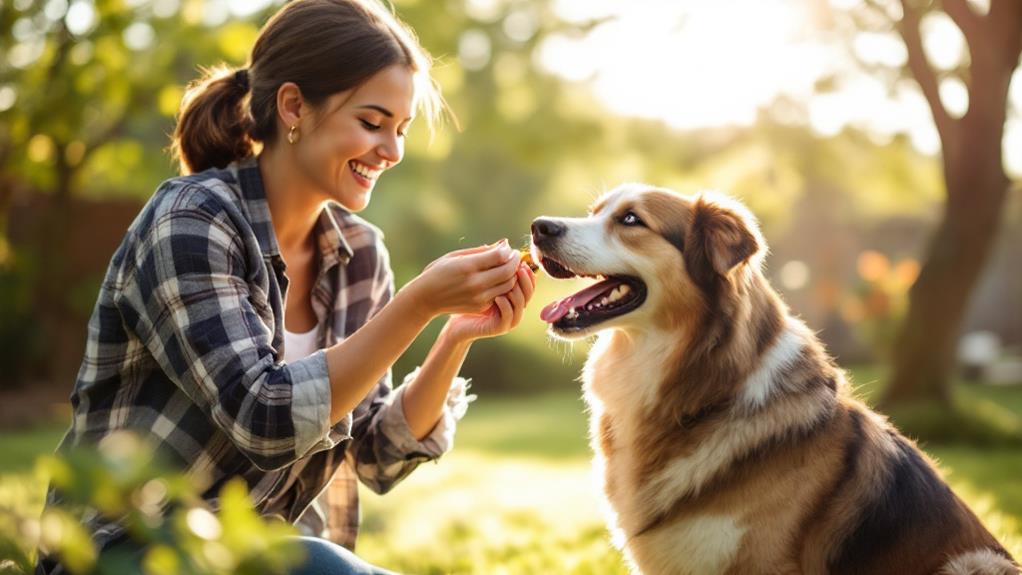
Positive reinforcement techniques, such as rewarding desired behaviors with treats or praise, can greatly counteract pessimism in dogs. By focusing on positive reinforcement, you can improve your dog's emotional state and learning capacity. This approach reduces stress-related behaviors, making training sessions more productive and enjoyable for both you and your pet. When you consistently reinforce good behaviors, your dog becomes more receptive, fostering a positive learning environment.
Research shows that positive reinforcement strengthens the bond between you and your dog. This improved relationship creates a sense of security, effectively reducing negative emotional responses. For instance, using clicker training can further motivate your dog by associating the click sound with a reward. This method not only boosts enthusiasm during training but also guarantees a clear communication channel between you and your furry friend.
The benefits of positive reinforcement extend beyond just encouraging good behavior. It creates a less stressful atmosphere, making your home a happier place for both you and your pet. By focusing on positive techniques, you help your dog develop a more optimistic outlook, counteracting any pessimistic tendencies. Adopt these techniques to promote a healthier, more emotionally balanced life for your dog.
Enhancing Dog Well-being
When enhancing your dog's well-being, it is essential to recognize how your own stress levels can impact their emotional health. The stress you experience affects your dog, as studies show that dogs exposed to stress-related odors approach ambiguous situations more slowly, indicating increased pessimism. By managing your stress, you can improve your dog's emotional well-being and create a more optimistic environment.
One way to mitigate the negative effects of your stress is by creating a calming environment for your dog, especially in places like kennels or during training sessions. Implement stress management strategies for yourself, such as relaxation techniques, to foster a healthier relationship with your pet. This approach benefits both you and your dog by reducing emotional stress and enhancing general well-being.
Positive reinforcement is another effective method to counteract pessimistic tendencies in dogs. Focus on uplifting and supportive interactions during training. By regularly evaluating and improving both your and your dog's emotional health, you create a supportive environment where your dog can thrive. This approach leads to better training outcomes, as dogs are more likely to succeed when they feel secure and less stressed. Prioritizing emotional well-being is key to enhancing your dog's happiness and health.