Persian Cat: A Guide to Caring for This Fluffy Feline
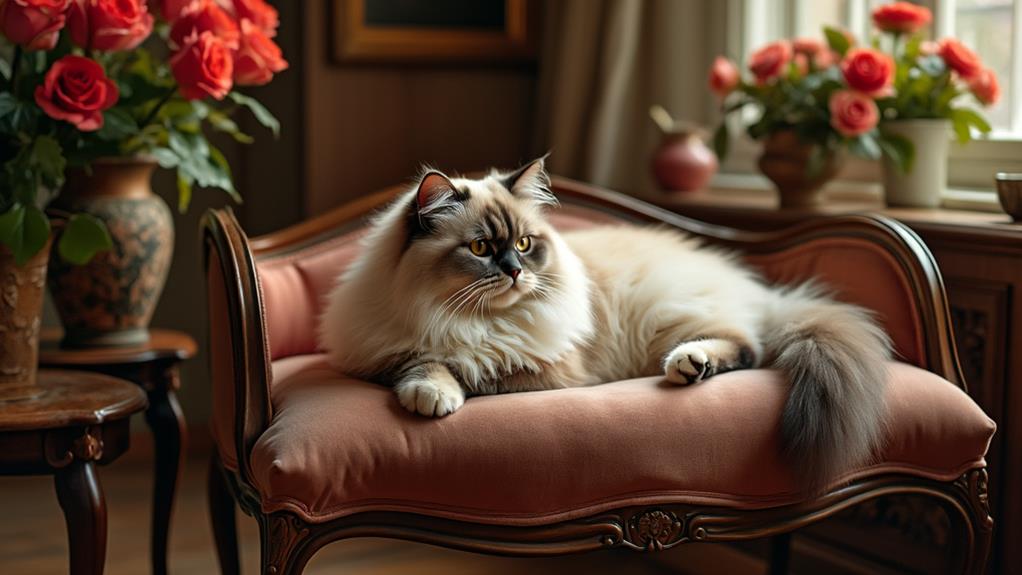
To care for your Persian cat, focus on grooming and health. Brush their long fur daily to prevent matting and bathe them every few weeks for a shiny coat. Clean their eyes daily to manage tear stains and trim nails regularly to avoid discomfort. Feed them a high-quality diet rich in animal protein and keep them hydrated. Engage them with interactive play for at least 30 minutes each day. Create cozy, tranquil spaces for relaxation, and schedule regular vet visits for health monitoring and vaccinations. There's a lot more to learn about keeping your Persian happy and healthy.
Key Takeaways
- Daily grooming and regular bathing are essential to maintain Persian cats' long, fluffy fur and prevent matting.
- Balanced nutrition, focusing on animal protein, is crucial for Persian cats' health, avoiding vegetarian diets to prevent deficiencies.
- Routine vet check-ups and vaccinations are vital for early detection of hereditary conditions and overall health maintenance.
- Providing an enriched environment with interactive toys and cozy retreats supports Persian cats' physical and mental well-being.
- Regular eye cleaning helps manage tear stains, using vet-recommended solutions to maintain facial hygiene.
Essential Grooming Techniques
To guarantee your Persian cat's coat remains in top condition, daily grooming is a must. This commitment is vital for preventing matting and tangling, which are common issues with their long, luxurious fur. Start with a metal wide-toothed comb to gently detangle any knots. For stubborn tangles, use a de-matting tool. This not only reduces discomfort but also promotes healthier skin and general wellbeing for your feline friend.
Bathing is another fundamental grooming technique you can't overlook. Aim to bathe your Persian every 3-4 weeks, and more often during shedding periods. This helps maintain cleanliness and prevents tangles from forming. Use a cat-friendly shampoo to make sure their coat and skin remain soft and healthy.
Along with coat care, nail trimming is significant for the health of your Persian cat's claws. Trim their nails every 2-3 weeks using small, cat-specific clippers. This prevents overgrowth and guarantees your cat remains comfortable while walking or playing.
Managing Tear Stains
While grooming plays an important role in maintaining your Persian cat's luxurious coat, addressing tear stains is likewise vital for their general appearance and health. Due to their flat facial structure, Persian cats often experience excessive tearing, leading to discoloration around the eyes. Incorporating eye cleaning into your grooming routine is key to manage these tear stains effectively.
Start by cleaning your cat's eyes daily. Use a soft cloth or gauze moistened with warm water or a veterinarian-recommended cleaning solution. This gentle cleaning method helps remove tear stains and keeps the eye area healthy. Avoid using cotton wool, as it can leave irritating fibers that may harm your cat's sensitive eyes.
In case of strong discharges, consult your vet before applying any antibacterial ointments. It's important to use such treatments under professional guidance to prevent complications. Regular grooming and maintaining cleanliness around your cat's face can greatly reduce tear stains and promote skin health.
Health Monitoring Practices

In conjunction with regular grooming, keeping a close eye on your Persian cat's daily habits is fundamental for guaranteeing their well-being. Observe their appetite, energy levels, and litter box usage closely. Changes in these habits can be early indicators of health problems that require medical care. Regular observation helps you detect issues before they escalate, guaranteeing your Persian cat maintains overall health.
Annual veterinary check-ups are imperative. These visits allow your vet to monitor for hereditary conditions common in Persian breeds, like polycystic kidney disease (PKD) and progressive retinal atrophy (PRA). Vaccinations and routine examinations during these visits help you keep track of your cat's overall health. As your Persian cat matures, consider increasing the frequency of these check-ups to proactively manage age-related concerns.
Dental health is another area to monitor. Persians are prone to dental issues, so regular vet visits are critical in preventing complications. Keeping a detailed health record, including vaccinations, treatments, and any changes in behavior, can aid your veterinarian in providing the best medical care for your cat. This all-encompassing approach guarantees that you're well-prepared to address any health problems that may arise.
Understanding Nutritional Needs
Understanding the nutritional needs of your Persian cat is vital for their health and well-being. Persian cats require a diet rich in animal protein and fat, with an ideal balance of about 50% animal protein, up to 20% animal fat, and less than 3% carbohydrates. This proper nutrition helps maintain their luscious fur and general health. Since Persians are obligate carnivores, make sure their cat food is meat-based. Avoid vegetarian diets, as these can lead to deficiencies and common health issues like poor coat condition and digestive problems.
High-quality cat food options like Untamed, which are specially formulated for feline health, can provide the high animal protein content your Persian needs. These foods are vet-approved, guaranteeing your cat gets the necessary nutrients without any harmful ingredients. Regular vet consultations are significant in determining appropriate portion sizes and feeding schedules. This helps tailor the diet to your Persian's specific needs, reducing the risk of obesity and other health concerns.
Play and Engagement Tips
After guaranteeing your Persian cat receives the right nutrition, it's just as important to focus on their physical and mental stimulation. One of the fundamental play and engagement tips is to dedicate at least 30 minutes each day to interactive play. This not only keeps your Persian cat physically active but also improves their mental stimulation, which is essential for their general well-being.
Engaging toys like feather wands and laser pointers are fantastic tools to encourage exercise and deepen your bond with your fluffy friend. These toys allow for interactive play that mimics hunting, fulfilling their natural instincts. Moreover, incorporating puzzle toys or treat-dispensing games can provide mental challenges, keeping your Persian engaged and entertained.
Creating an enriched environment with climbing perches, scratching posts, and cat trees can also greatly contribute to their playtime. These elements offer your cat the chance to investigate, climb, and scratch, which prevents boredom and potential behavioral issues. Regularly involving your Persian in such activities helps guarantee a happier and healthier feline, reducing the risk of issues stemming from lack of stimulation. Remember, a well-engaged Persian cat is a content and thriving companion.
Creating a Comfy Environment
While your Persian cat thrives on play and engagement, ensuring a comfy environment is likewise essential for their well-being. Start by creating a comfy environment with cozy spots that cater to their love for relaxation. Soft blankets or cushions can transform any area into a comfortable resting place, perfect for your fluffy feline. Persian cats appreciate spots that promote relaxation and warmth, so consider positioning these cozy spots near sunny windows or radiators.
Secluded corners with plush beds offer your cat a safe retreat, perfect for quiet time and restful naps. These private spaces cater to their preference for privacy, allowing them to unwind away from the hustle and bustle. Furthermore, a tranquil living environment is critical, as a calm atmosphere greatly contributes to your Persian cat's general happiness and well-being.
To keep the environment engaging and comfortable, regularly refresh your cat's space with clean bedding and a variety of toys. This not only improves their quality of life but also keeps their surroundings stimulating. By incorporating these elements, you're not just creating a comfy environment—you're ensuring your Persian cat enjoys a peaceful, contented life.
Addressing Common Health Issues
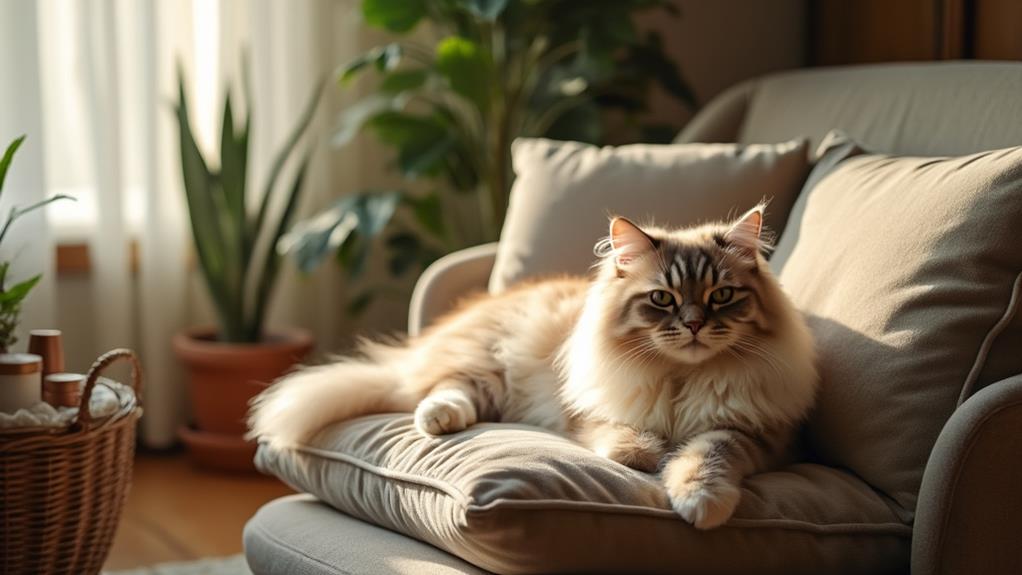
Steering through the health landscape of your Persian cat requires vigilance and proactive care. Persian cats are prone to genetic diseases like Polycystic Kidney Disease (PKD) and Progressive Retinal Atrophy (PRA). Regular vet check-ups are vital to catch these issues early, keeping your cat care routine on point. Their flat facial structure can lead to dental and eye problems, so make certain to schedule consistent veterinary visits to nip any concerns in the bud.
A sedentary lifestyle can make Persian cats more susceptible to obesity, which can further lead to diabetes and joint problems. Keeping your Persian cat healthy and happy means encouraging play and activity to maintain a healthy weight. Grooming is another cornerstone of their care. Regular brushing not only keeps their coat shiny but also helps prevent matting and skin infections, common in this long-haired breed.
Young Persians are often at risk for worms and parasites. Routine parasite prevention and veterinary care are imperative to protect your fluffy friend. By focusing on these areas, you'll guarantee your Persian cat remains a cherished, healthy companion for years to come.
Benefits of a Balanced Diet
Guaranteeing your Persian cat's health isn't just about regular vet visits and grooming; it starts with a balanced diet. Persian cats thrive on a diet rich in animal protein, making up 50% of their nutritional intake, and up to 20% animal fat. This combination supports their overall well-being, maintaining a luscious coat and ideal weight. Selecting high-quality cat food that emphasizes meat-based nutrition is fundamental. It helps reduce the risk of obesity-related issues, keeping your feline friend energetic and happy.
Proper hydration is similarly important for Persian cats. Providing wet food or making sure they have access to fresh water can ward off urinary tract problems, which are common due to their breed-specific characteristics. Regularly feeding them a nutrient-rich, breed-specific diet can also prevent typical health issues like dental and eye problems, often linked to their flat facial structure.
Consulting with a veterinarian to tailor dietary recommendations is crucial. This guarantees your Persian cat receives the necessary vitamins and minerals unique to their needs. By focusing on a balanced diet, you're not just feeding your Persian cat; you're investing in their long-term wellness and happiness.
Vet Visits and Vaccinations
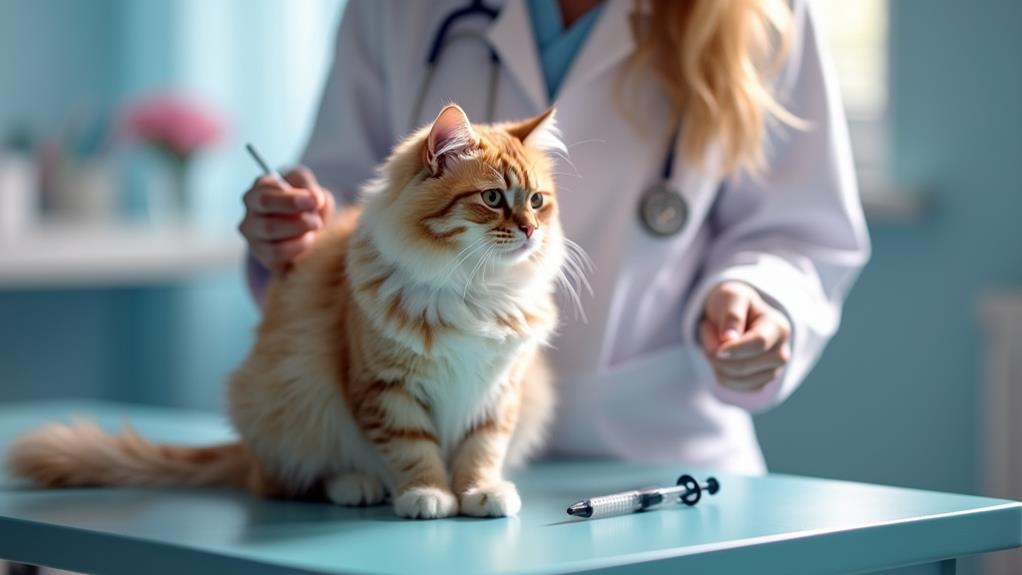
Regular vet visits and vaccinations are fundamental for maintaining your Persian cat's health. Annual veterinary check-ups play an important role in detecting health issues early on. For kittens, more frequent visits are necessary to guarantee they receive all fundamental vaccinations. These include rabies, FVRCP, feline enteritis, cat flu, and FeLV. These vaccinations protect your Persian from serious diseases and help guarantee they lead a long, healthy life.
As your Persian cat matures, increase the frequency of vet visits. This allows your vet to monitor for hereditary conditions common in Persian cats, such as Polycystic Kidney Disease (PKD) and Progressive Retinal Atrophy (PRA). Early detection through regular check-ups can make a significant difference in management and treatment. Persian cats are also prone to dental issues, so routine dental check-ups and cleanings are crucial to maintaining their oral health.
Keep a detailed record of your cat's vaccinations and health history. This helps track due dates for vaccinations and supports your vet in providing the best care possible. Staying proactive with vet visits and vaccinations will give your Persian cat the best chance at a healthy, happy life.