Papillon: the Friendly and Agile Toy Dog With Big Personality
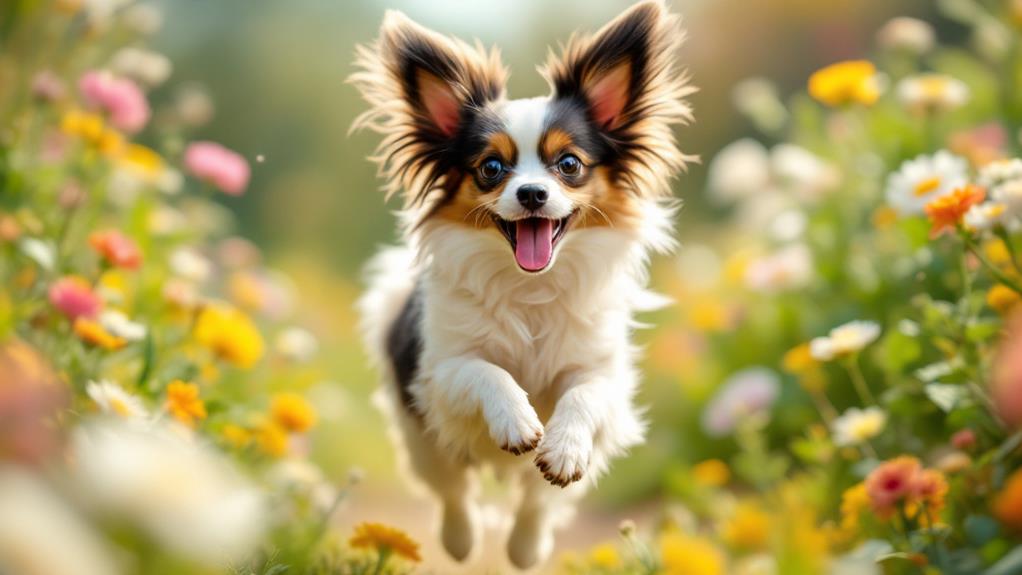
If you're looking for a toy dog with a big personality, the Papillon is a perfect choice. Originating in Renaissance Europe and adored by aristocrats, these small dogs stand 8-11 inches tall and boast elegant, butterfly-like ears. Papillons are not just a pretty face; they're highly intelligent, ranking among the top 10 smartest breeds. Their friendly, outgoing nature makes them great family companions, and they love staying active. With proper training and socialization, they transform into delightful watchdogs. Careful grooming, a balanced diet, and regular health checks keep them thriving. There's more to investigate about these charming companions.
History and Origin
The Papillon, a breed steeped in history, originated in Europe during the Renaissance, enchanting the hearts of the French, Italian, and Spanish aristocracy. Known initially as dwarf or toy spaniels, these charming dogs quickly became favorites among the elite. Their presence was immortalized in artworks by renowned artists like Titian, Rubens, and Van Dyck, capturing their regal association and endearing qualities.
As you explore the breed's rich history, you'll find that the Papillon's name, meaning "butterfly" in French, is a nod to their distinctive ears, which evolved into their iconic shape by the 17th century. Their intelligence and affectionate nature only added to their allure. Marie Antoinette, the infamous French queen, reportedly owned a Papillon named Thisbe, further cementing their connection to royalty and high-society circles.
The breed's popularity experienced a resurgence in the early 20th century across Europe and the U.S., thanks to their cleverness and loving demeanor. Today, the Papillon remains a beloved companion, known for its historic ties and charming personality, making it a timeless member of the toy dog category.
Physical Traits
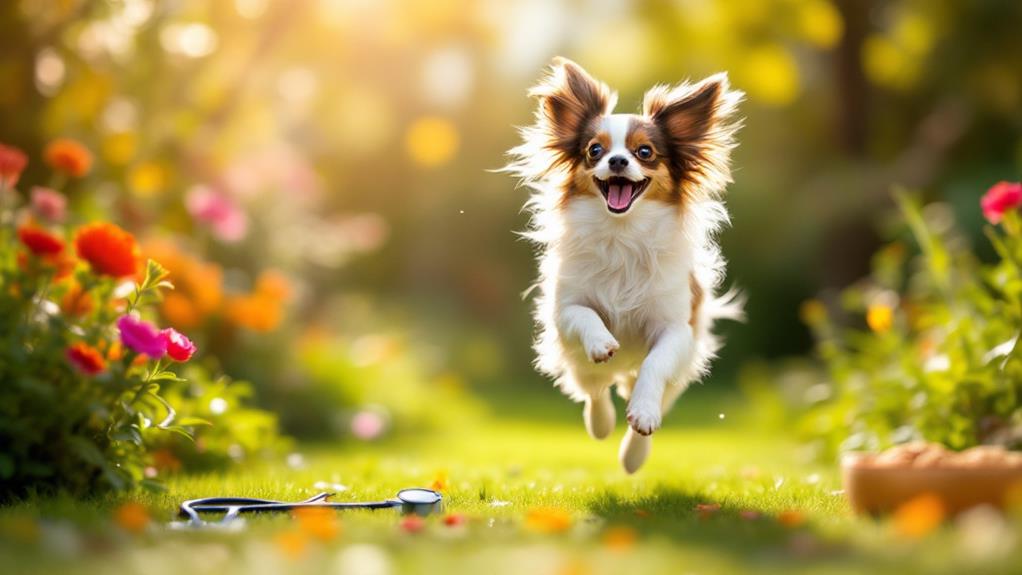
As you admire the historical allure of the Papillon, you'll notice their physical traits are just as fascinating. This small dog breed typically stands 8-11 inches tall and weighs between 5-10 pounds, embodying an agile and graceful demeanor. One of the most distinctive features of the Papillon is their large, butterfly-like ears. These ears are fringed with long hair, which gives them a unique and charming appearance that captures attention wherever they go.
Their elegant appearance is further improved by a long, silky coat that often comes in a mainly white base with color patches like black, red, tan, and sable. Regular grooming is crucial to maintain the beauty of their coat and prevent matting. The Papillon's expressive dark eyes and alert expression contribute to their general enchanting charm.
Consider these notable features:
- Distinctive Ears: Large, butterfly-like, fringed with long hair.
- Silky Coat: Mainly white with various color patches.
- Fine-Boned Structure: Gives them an elegant and agile physique.
- Rectangular Body Silhouette: Accompanied by a long, flowing tail.
With their fine-boned structure and rectangular body silhouette, the Papillon's charming appearance makes them a visually appealing companion.
Temperament and Behavior
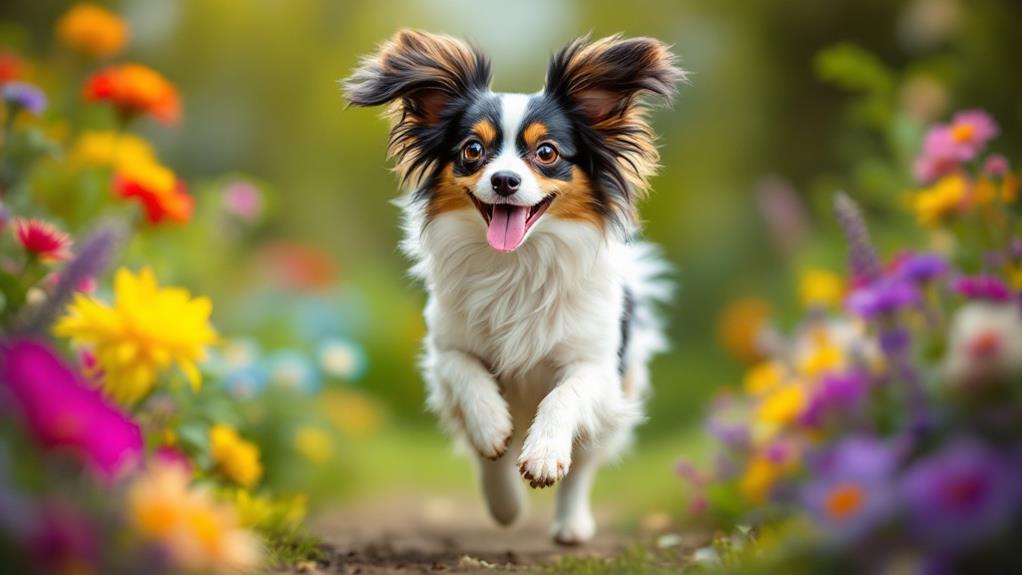
Known for their friendly and outgoing nature, Papillons make affectionate companions who thrive on interaction with their families. Their outgoing temperament and enthusiasm to engage make them a joy to have around, enriching your life with their playful antics. These little dogs are highly intelligent, ranking among the top 10 intelligent dog breeds. This intelligence means they catch on quickly during training, especially when you use positive reinforcement techniques. Papillons possess an energetic nature that requires regular mental and physical stimulation. They love engaging in activities and games, which help channel their energy constructively and keep them happy.
Despite their small size, Papillons have an alert disposition, making them effective watchdogs. They'll often bark to alert you of any potential intruders or changes in their environment, guaranteeing you're always in the know. Early socialization is vital for your Papillon to develop well-rounded behavior. Exposing them to different people, pets, and environments helps reduce any anxiety and promotes their friendliness. This early exposure guarantees they grow into well-adjusted dogs who are comfortable in various situations, enhancing their role as affectionate companions with a friendly and outgoing temperament.
Training Tips
Training your Papillon effectively improves their natural intelligence and playful demeanor. Using the right training methods can make a world of difference. Start with basic obedience training by teaching commands like "Sit," "Stay," and "Come." Rely on positive reinforcement techniques, such as treats and praise, to motivate your Papillon and strengthen your bond. Consistency is key—ensure that all family members use the same commands to avoid confusion.
Early socialization is essential. Expose your Papillon to different environments, people, and animals to foster positive experiences and reduce anxiety. This will help them grow into well-adjusted and confident dogs. Remember, Papillons thrive on mental stimulation and engaging sessions.
- Keep sessions short: Papillons have short attention spans. Opt for brief, frequent, and engaging sessions instead of long, tiring ones.
- Introduce agility training: It's a great way to meet their exercise needs while providing mental challenges.
- Use puzzle toys: These are excellent for keeping your Papillon entertained and mentally stimulated.
- Avoid health issues: Regular training and exercise help maintain their general well-being and prevent boredom-related behaviors.
Health Considerations
Maintaining your Papillon's health involves understanding their unique needs and vulnerabilities. Papillons, with their lifespan of 14-16 years, can live long, healthy lives if you address their common health issues. Patellar luxation and progressive retinal atrophy (PRA) are conditions to watch for. Regular veterinary check-ups are essential to catch these issues early and maintain overall health.
Exercise plays an important role in your Papillon's life. Daily walks and playtime help prevent obesity and related health problems. Plus, they provide the mental stimulation these agile dogs need. Regarding nutrition, a balanced diet tailored to their size and activity level is key. Good nutrition supports their long-term health and helps avoid weight gain.
Dental problems are a common concern due to their small mouths. Regular dental care is necessary—monitor for plaque buildup and guarantee proper cleaning. Starting dental care early will help mitigate future issues. Ultimately, choosing a reputable breeder who conducts health testing can greatly reduce the risk of genetic health problems. By understanding and addressing these aspects, you'll help guarantee your Papillon enjoys a lively, healthy life.
Grooming Essentials
Grooming your Papillon is fundamental for keeping their long, silky coat in top condition and preventing matting. Regular grooming sessions are important to maintain coat health and keep your furry friend comfortable. Here's how you can guarantee your Papillon looks and feels their best:
- Regular Brushing: Brush your Papillon's coat 2-3 times a week, or daily if they love playing outdoors. This prevents matting and keeps their coat shiny. Focus on areas prone to tangles like the neck and under the legs to avoid skin irritations.
- Bathing Routine: Give your Papillon a bath every 4-6 weeks using a gentle dog shampoo. This helps maintain coat health and removes dirt buildup. Be sure to rinse thoroughly to avoid any skin irritations.
- Ear Checks and Eye Cleaning: Perform weekly ear checks and daily eye cleaning. This prevents infections and keeps your Papillon comfortable. Look for any signs of redness or discharge that may need attention.
- Brushing Teeth: Brush your Papillon's teeth 2-3 times a week to prevent plaque buildup and dental issues, which are common in small breeds. Regular dental care is crucial for their overall well-being.