Old English Sheepdog: The Smart and Shaggy Herding Dog
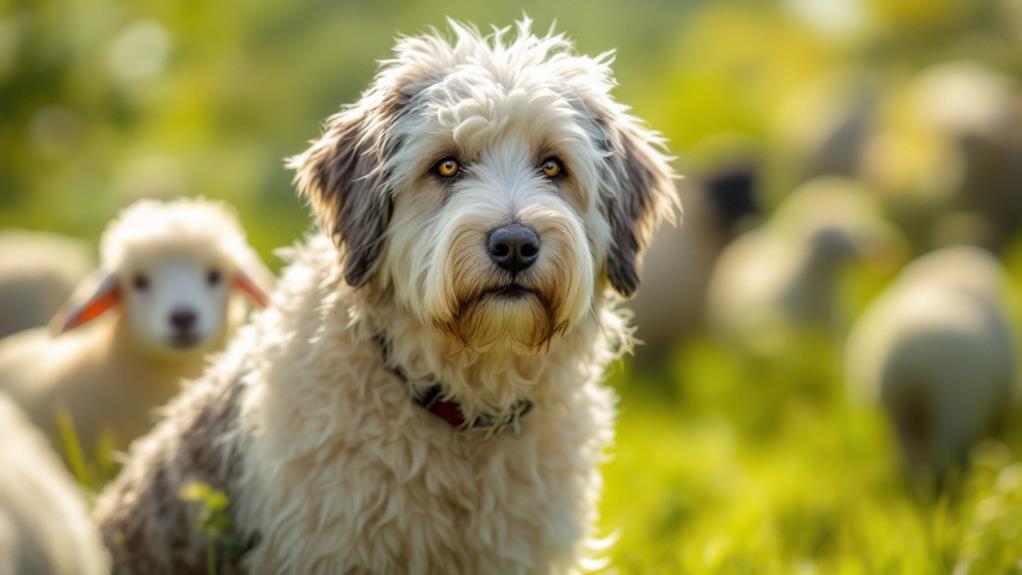
You're exploring the fascinating world of the Old English Sheepdog, a breed admired for its intelligence and signature shaggy coat. These charming dogs hail from southwestern England, originally bred for herding sheep and cattle. With an agile build and unique bear-like gait, they charm with both their appearance and gentle nature. They're protective, sociable, and need 1-2 hours of daily exercise. Grooming is essential, requiring weekly sessions and daily brushing to maintain their thick coat. Regardless of your interest in their history, temperament, or care, there's much to uncover about these delightful clowns of the dog world.
Physical Characteristics
You'll immediately notice the Old English Sheepdog's striking physical features, characterized by their thick, shaggy double coat in colors like gray, grizzle, blue, and blue merle with white markings. This shaggy coat isn't just for show—it's vital to the breed standard, providing insulation and protection. The double coat is abundant and puffy, a hallmark that sets them apart from other breeds.
As you look closer, you'll see that their body is muscular and compact, giving them an agile and athletic build. This is important for their herding tasks, allowing them to move swiftly and efficiently. Despite their size, standing between 19 to 23.5 inches and weighing 35 to 65 pounds, they have a bear-like gait. This unique movement is evident even at slower paces and adds to their charm as a shaggy dog.
Their physical characteristics also include a distinctive loud bark, often described as "pot-casse," which echoes their robust nature. The combination of their shaggy coat, muscular build, and unique gait makes the Old English Sheepdog a breed that's not easily forgotten once you've had the pleasure of meeting one.
History and Origins
Through a tapestry of time and purpose, the Old English Sheepdog (OES) emerged in southwestern England in the early 1800s, crafted primarily for driving sheep and cattle to market rather than the traditional herding tasks associated with its name. This shaggy breed's history is rich but somewhat mysterious, with its ancestry shrouded in theories. Some believe it descended from the Scottish Bearded Collie, while others suggest influences from the Russian Owtchar. Despite these uncertainties, the OES quickly proved its worth with its intelligence and strong work ethic.
Officially recognized by the American Kennel Club (AKC) in 1884, the Old English Sheepdog gained popularity in the U.S. during the late 19th century. Its role in the development of other breeds speaks volumes about its capabilities and adaptability. Historically, this breed was favored by the affluent, with families like the Vanderbilts and Guggenheims among its notable owners. Their patronage helped cement the OES's iconic status in British dog breeds. With its shaggy coat and distinct appearance, the Old English Sheepdog remains a beloved breed, its history intertwined with the prestigious circles and working fields alike.
Temperament and Behavior
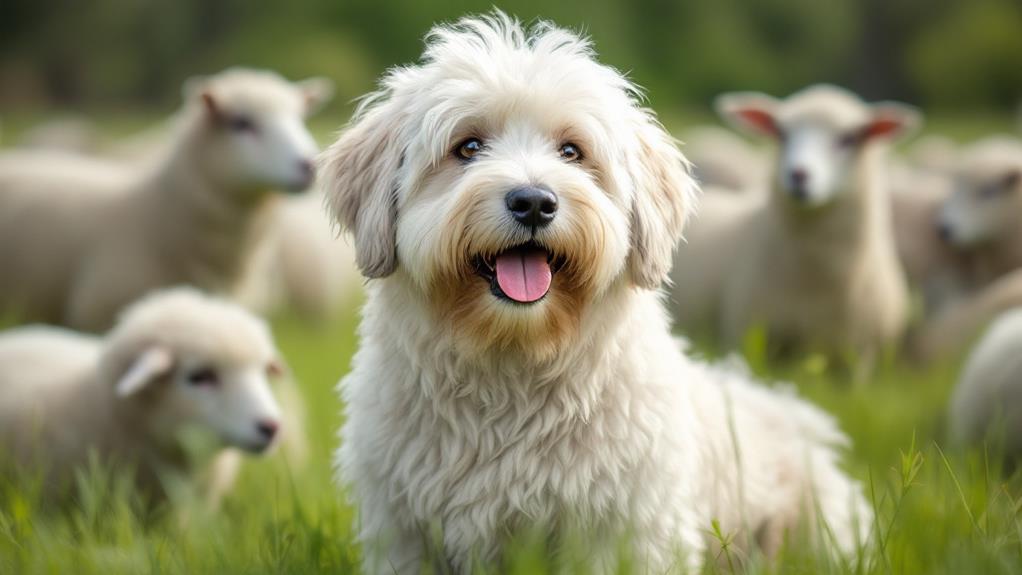
With their endearing shaggy coats and welcoming demeanor, Old English Sheepdogs (OES) are known for their gentle and calm nature, making them ideal companions for families and children. You'll find that they are not only protective but also friendly towards strangers, adding to their charm as sociable pets. As family members, they thrive in environments where they can engage with everyone, showcasing their playful and clownish side, which delights both young and old.
Despite their calm demeanor, OES dogs have high energy levels. They require substantial daily exercise to stay happy and healthy. Aim for 1-2 hours of vigorous activity each day, which can include walks, playtime, or interactive games. Without this outlet, their energy can lead to restlessness and undesirable behavior.
However, OES dogs are also prone to separation anxiety. If left alone for too long, they might resort to destructive behaviors as a way to cope. It's crucial to guarantee they feel secure and have companionship throughout the day.
- Family Bonding: OES dogs are great with family members, enhancing home life with their joyful nature.
- Exercise Needs: High energy levels demand regular, vigorous play.
- Companionship Requirement: Avoid separation anxiety through constant interaction.
Care and Maintenance
Caring for an Old English Sheepdog involves a commitment to grooming and health maintenance given their distinctive shaggy coat. As a responsible dog owner, you'll need to dedicate time to weekly grooming sessions, spending about three to four hours making sure their thick double coat remains tangle-free and looks its best. Daily brushing is also fundamental to manage shedding and maintain the health of their coat.
Beyond grooming, maintaining your Sheepdog's hygiene requires monthly baths, along with routine ear cleaning and dental care. These steps are important to keeping your furry friend clean and healthy.
A balanced diet is critical for your Sheepdog's well-being. Feed them 2.5 to 4.5 cups of high-quality dry food daily, adjusting portions according to their maturity and activity level. This helps in supporting their energy needs and maintaining a healthy weight.
Regular veterinary check-ups are important for monitoring common health issues in the breed, like hip dysplasia and cataracts. Staying proactive with vet visits makes certain that any potential problems are caught early, keeping your Sheepdog in top condition. Remember, responsible dog ownership means committing to your pet's complete care and happiness.
Health Considerations
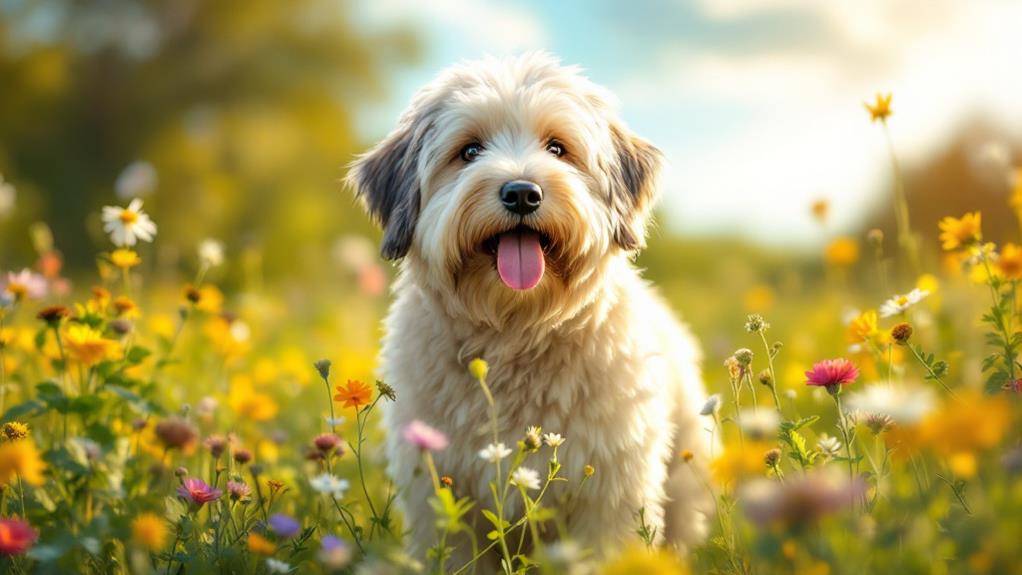
Owning an Old English Sheepdog means being aware of their specific health considerations. These lovable dogs are prone to several health issues, such as hip dysplasia, cataracts, deafness, and progressive retinal atrophy. To keep them healthy, regular veterinary check-ups are fundamental. Early detection of conditions like hypothyroidism and gastric torsion can make a considerable difference in their quality of life.
Maintaining an active lifestyle with regular exercise is critical for your Sheepdog. It not only keeps them fit but also helps reduce the risk of certain health problems. A balanced diet tailored to their activity level is similarly significant to manage their caloric intake and support general health.
When considering adding an Old English Sheepdog to your family, it's imperative to choose a reputable breeder. Responsible breeders screen for breed-specific health issues, giving you peace of mind about your new pet's genetic health.
Here are three key health tips for Old English Sheepdog owners:
- Schedule regular veterinary check-ups to catch potential health issues early.
- Ensure a balanced diet to meet their nutritional needs.
- Promote an active lifestyle with plenty of exercise to keep them happy and healthy.
Grooming Requirements
Taking care of an Old English Sheepdog's grooming needs is imperative due to their thick double coat, which demands daily brushing to prevent matting and tangling. This shaggy coat is not just about looks; it's about maintaining your dog's health and comfort. You should commit to three to four hours of grooming each week. Use brushes and combs specifically designed for dense fur to effectively manage the coat's texture and volume. Regular brushing not only keeps the coat looking its best but also greatly reduces shedding, helping you keep loose hair at bay in your home.
Beyond brushing, monthly baths are critical to maintain the coat's cleanliness and promote skin health. This step is important for general hygiene, as it helps prevent any skin issues that might arise from dirt or oils becoming trapped in the thick fur. Don't forget about ear cleaning and dental care, which are significant components of your Sheepdog's grooming routine. Regular attention to these areas helps prevent infections and contributes to your dog's general well-being. By establishing a consistent grooming schedule, you're ensuring that your Old English Sheepdog stays healthy, comfortable, and looking their best.
Training and Activities
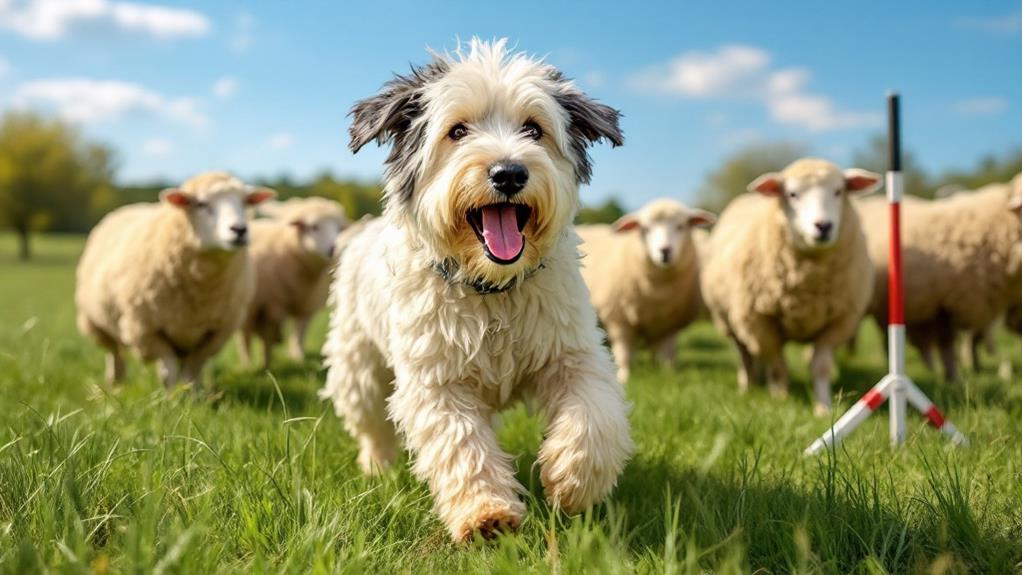
While maintaining the grooming needs of an Old English Sheepdog is vital for their health and comfort, training and engaging activities play an equally significant role in their well-being. These dogs are highly intelligent, so consistent training sessions are necessary to channel their enthusiasm to learn. They excel in obedience and agility competitions, making them perfect candidates for these activities. Incorporating play and positive reinforcement in training keeps it enjoyable for both you and your dog.
Early socialization is important for developing a well-rounded temperament. By exposing your Old English Sheepdog to different environments and people, you help them adapt better to various situations. Structured activities provide vital mental stimulation and prevent boredom, which can lead to destructive behaviors. Here's how you can keep them engaged:
- Participate in Dog Sports: Engage your dog in agility trials or herding activities for both physical exercise and mental stimulation.
- Interactive Toys: Use puzzle toys or advanced obedience commands to challenge their intelligence.
- Socialization Outings: Regularly introduce them to new environments and individuals to improve adaptability.