Ocicat: The Gregarious and Cheery Spotted Companion
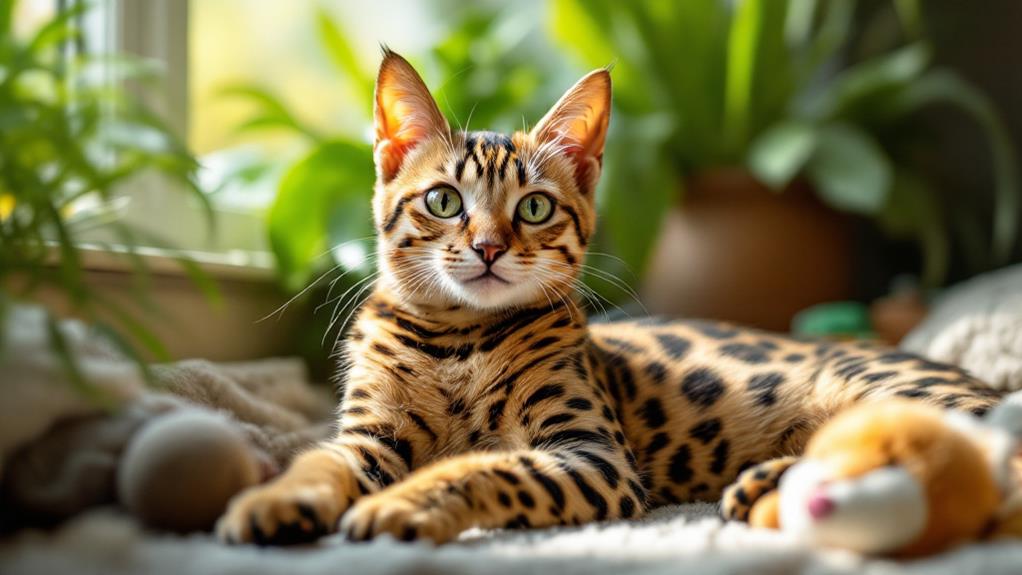
Meet the Ocicat, your potential new feline friend known for its striking spotted coat and sociable nature. Initially bred in the 1960s from Abyssinian and Siamese cats, this medium-to-large breed stands out with its love of family activities and playful demeanor. Weighing between 6 and 15 pounds, they have a lifespan of up to 18 years when well-cared for. Ocicats thrive on interaction and like to vocalize their affection through purrs and chirps. With a need for minimal grooming and an adaptable nature, they fit well in different living environments. Uncover more about this charming companion's needs and personality.
Overview of the Ocicat
Few cats captivate quite like the Ocicat. This medium-to-large domestic cat breed emerged in the 1960s when breeders combined Abyssinian and Siamese cats, achieving a striking mix of wild and friendly traits. Officially recognized in 1966, the Ocicat weighs between 6 and 15 pounds and stands 9 to 11 inches tall. Their lifespan ranges from 12 to 18 years, highlighting their robust health.
The Ocicat's most defining feature is its stunning spotted coat, which resembles a wild ocelot. Available in 12 colors, including striking shades like chocolate, silver, and lavender, these spots make them stand out in any room. Yet, they're not just a pretty face; Ocicats are known for their friendly personality. As a domestic cat, they thrive in family environments and often form strong bonds with their human companions.
In terms of care, Ocicats are relatively low-maintenance. They require a high-protein diet to maintain their health, and their short fur means minimal grooming. Regular exercise is crucial, given their active nature. With their combination of beauty, health, and a friendly demeanor, Ocicats make an ideal choice for those seeking a loyal and engaging feline friend.
Ocicat Personality Traits
The Ocicat isn't just about striking looks; its personality is also enchanting. If you're looking for a friendly and sociable feline, the Ocicat is your perfect match. Often described as "dogs in cats' fur," these cats thrive on interaction and companionship. They're not just content with sitting on the sidelines; Ocicats love being involved in family activities and will enthusiastically greet visitors with their outgoing demeanor.
You'll find that an Ocicat is not only playful but also highly intelligent. They enjoy engaging in interactive games and can be easily trained to perform tricks or even walk on a leash. Their playful nature extends to their love for water, and you might find them following you into the bathroom or splashing around in a shallow pool.
One of the standout traits of Ocicats is their adaptability. Regardless of whether you're living in a lively family home, a quiet single apartment, or a vibrant multi-pet household, Ocicats will fit right in. They effortlessly adjust to new environments and routines, making them ideal companions for different lifestyles. Their vocal nature means they love to communicate, using purrs and chirps to join in conversations.
Health Considerations
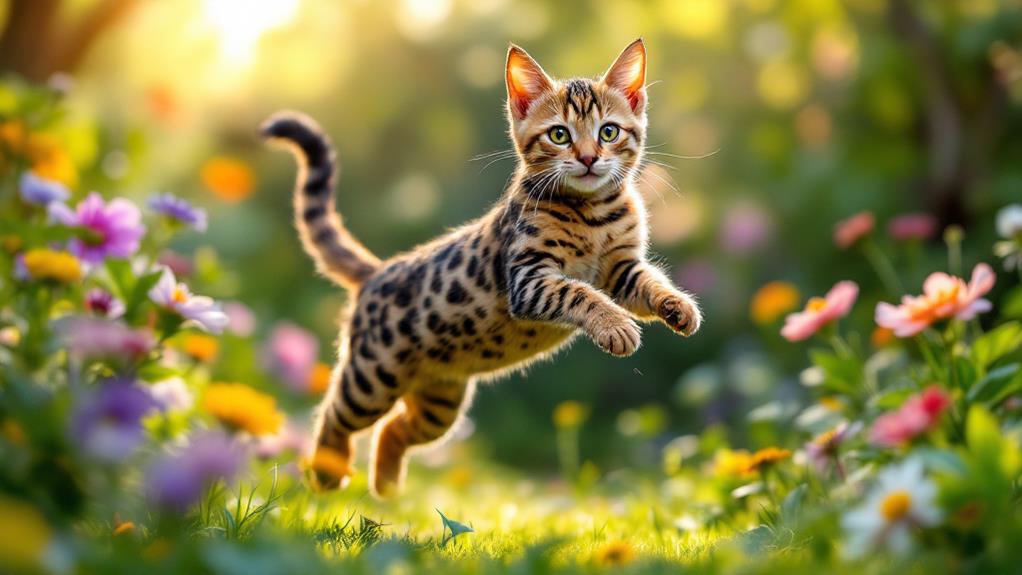
When considering the health of your Ocicat, it's important to be proactive. These charming cats have an average lifespan of 12-18 years, and regular veterinary check-ups are vital for monitoring their health and ensuring a long, happy life. Like many breeds, Ocicats are prone to specific health issues, including renal amyloidosis, progressive retinal atrophy, and hypertrophic cardiomyopathy. Addressing these conditions early through proactive health management can greatly improve their quality of life.
Your Ocicat's dental health shouldn't be overlooked either. Dental concerns, such as gingivitis, are common, so regular teeth brushing is recommended to prevent oral health problems. Catching these issues early can save your Ocicat from discomfort and more serious health complications.
Given that Ocicats can have genetic predispositions affecting their health, pet insurance is a wise investment. It can help manage potential medical expenses and provide peace of mind. Early intervention by a qualified veterinarian can make a significant difference in health outcomes, emphasizing the importance of routine check-ups and preventive care. By being vigilant about your Ocicat's health, you're setting them up for a long and lively life.
Ocicat Care and Grooming
Although Ocicats have a short, velvety coat that requires minimal grooming, a bit of regular care goes a long way in keeping them looking their best. A weekly brushing session is sufficient to maintain coat health and manage shedding. You can also use a chamois cloth to improve their coat's shine. While bathing isn't typically necessary, an occasional bath can help maintain cleanliness and elevate their natural luster.
Ocicat care extends beyond grooming to include important dental care. Regularly brushing their teeth is imperative, as Ocicats are prone to dental issues like gingivitis. Making this part of your routine helps prevent potential problems and guarantees their dental health.
As a single-coated breed, Ocicats thrive in indoor living environments. They need a stimulating space with plenty of climbing structures and interactive play to meet their exercise needs, keeping both their body and mind active.
Regular veterinary check-ups are essential for monitoring your Ocicat's health. These visits help identify potential hereditary conditions early and guarantee their comprehensive well-being. By staying attentive to their grooming, dental care, and health needs, you ensure your Ocicat remains a happy and healthy companion.
Nutritional Needs

Getting your Ocicat's diet right is crucial for maintaining their health and energy. These active and muscular cats require a high-protein diet rich in quality animal sources like real meat and fish. Choosing the right commercial cat food is important, so look for options that are AAFCO-approved and tailored to your Ocicat's life phase. Kitten food offers higher nutrient levels, while adults need balanced maintenance diets. Senior Ocicats may require specialized diets, and regular consultations with a veterinarian can help address their changing nutritional needs.
When feeding your Ocicat, consider these strategies:
- Portion Control: Adjust portions based on life stage, weight, and health.
- Feeding Methods: Choose between timed meals for routine or free-feeding for convenience.
- Quality Ingredients: Always opt for high-quality commercial cat food.
- Supplement Caution: Only consider supplements if advised by a veterinarian.
- Regular Check-ups: Confirm your Ocicat's diet aligns with their health through vet consultations.
Healthy Ocicats typically don't need dietary supplements if their food is high-quality. However, always consult your veterinarian before making any changes. By meeting your Ocicat's nutritional needs, you'll help guarantee they lead a lively and energetic life.
Training and Activities
Feeding your Ocicat the right diet supports their physical prowess, and engaging them in stimulating training and activities improves their mental sharpness. Ocicats are highly intelligent and enthusiastic learners, making them perfect candidates for positive reinforcement training. Use treats and praise to teach them unique tricks and commands. This approach not only strengthens your bond but also keeps their minds sharp.
Interactive play is essential for an Ocicat's well-being. They love sessions filled with climbing and jumping, which cater to their active nature. Equip your home with climbing trees and tunnels to provide them with ample exercise. Mental stimulation is just as vital; activities like clicker training and interactive games prevent boredom and keep them engaged.
Harness and leash training opens the door to outdoor adventures. It allows your Ocicat to safely investigate their surroundings, satisfying their curiosity. Their sociable nature means they thrive on regular attention and interaction. A catio for bird-watching or playdates with other pets can further enrich their environment. By investing time in these activities, you guarantee your Ocicat remains a happy, healthy, and well-adjusted companion.
Finding an Ocicat
When you're ready to welcome an Ocicat into your home, determining the best way to find one is crucial. These delightful spotted companions are rarely found in shelters, so many pet parents opt for reputable breeders. The path to bringing an Ocicat into your family can be straightforward if you know where to start. Virginia Daly, the visionary behind the Ocicat breed, emphasized the importance of responsible breeding, a value upheld by reputable breeders today. Here are some tips to guide you:
- Research reputable breeders: Look for breeders who can provide Ocicat kittens with a clean bill of health and detailed lineage.
- Consider adoption, but cautiously: While adoption is less common, it's worth exploring shelters, recognizing that Ocicats are often misidentified.
- Check breed-specific registries: They can verify Ocicat authenticity and direct you to trustworthy sources.
- Use Petfinder: This platform can help you locate Ocicats or similar breeds available in your area.
- Discuss with local breeders: They can offer insights into Ocicats' health, care, and availability.
The average price for an Ocicat ranges from $800 to $1,200, reflecting their unique origins. Choose wisely, ensuring your new feline friend is a healthy and cheerful enhancement to your family.
Ocicat History
The Ocicat's expedition began in 1965, thanks to the groundbreaking efforts of Virginia Daly in Michigan. Originally, she aimed to create an Abyssinian-pointed Siamese cat, but instead, she accidentally stumbled upon a new breed. This serendipitous mix resulted in the initial Ocicat, named Dalai Dotson, officially recognized in 1966. Dalai Dotson's birth marked the starting point for a breed that would soon captivate cat enthusiasts worldwide with its wild appearance and domestic charm.
The breed's genetic foundation is a fascinating blend of Abyssinians, Siamese, and American Shorthairs. This combination, along with the introduction of the silver gene, crafted the Ocicat's distinctive spotted coats that mimic wild cats like ocelots. As breeders refined the breed standard, the Ocicat quickly gained attention. By 1986, it achieved provisional status from the Cat Fanciers' Association (CFA), and a year later, it proudly attained championship status.
Since then, the Ocicat's popularity has soared, as reflected in the significant increase in registrations—now totaling approximately 7,395. With its unique look and friendly demeanor, the Ocicat continues to win hearts, standing out as a beloved companion among cat lovers.
Comparison With Other Breeds
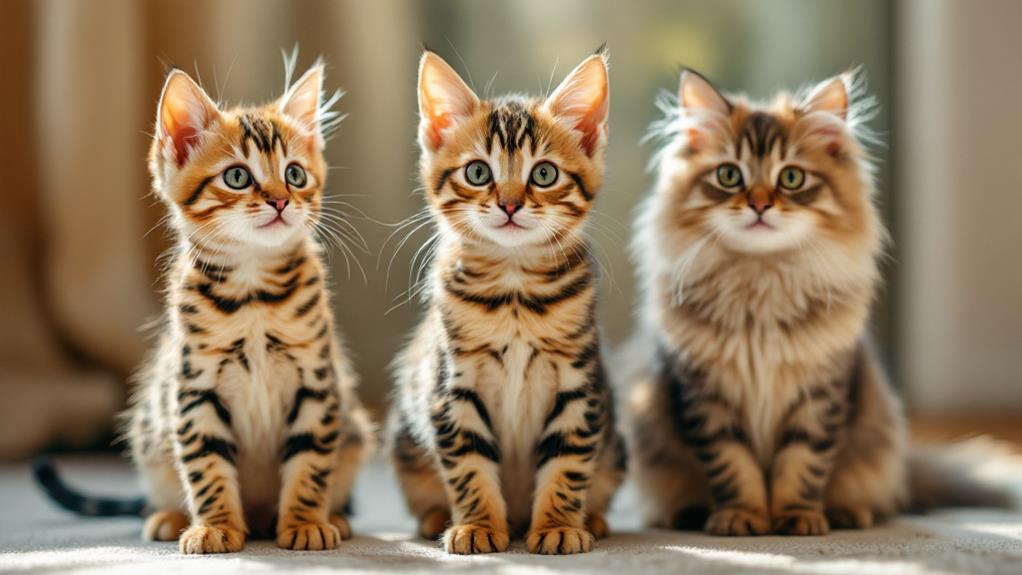
Among the diverse world of feline companions, the Ocicat stands out with its wild appearance yet domesticated charm. This breed of cat, with its striking spotted color, echoes the allure of wild ocelots but offers a friendly and sociable demeanor. The Ocicat is often compared to other Domestic Cats, each with unique traits.
- Bengal: Both share a muscular build and wild look, but the Ocicat is more trainable and sociable, often likened to a dog in behavior.
- Maine Coon: While this giant of Domestic Cats is much larger, the Ocicat is smaller, weighing between 6-15 pounds and standing 9-11 inches tall.
- American Bobtail: Known for its stubby tail, unlike the Ocicat's beautiful spotted coat.
- Ragdoll: Famous for being docile and affectionate, whereas the Ocicat is more active, craving exercise and mental stimulation.
- Siberian: This hypoallergenic breed contrasts with the Ocicat, which isn't hypoallergenic but boasts minimal shedding due to its short coat.
In terms of average lifespan, the Ocicat typically enjoys a robust life, making it an excellent choice for those seeking an active and engaging feline companion.
Common Health Issues
Ocicats are generally robust and healthy, but like any breed, they're prone to specific health issues. One concern is renal amyloidosis, a genetic condition that can impact kidney function. It's vital to be aware of this possibility and monitor your Ocicat's health closely. Another potential issue is progressive retinal atrophy (PRA), a hereditary eye condition that might affect your cat's vision over time. While PRA is more common in Abyssinians, Ocicats can also be affected, with symptoms typically emerging between 1-2 years of life.
Though rare due to responsible breeding practices, pyruvate kinase (PK) deficiency is another condition to watch out for. It can lead to anemia and other blood-related issues in Ocicats, so it's significant to stay vigilant. Dental problems, such as gingivitis, are also something to keep an eye on. Regular dental care and monitoring are fundamental to maintain your Ocicat's oral health.
Don't underestimate the significance of regular veterinary check-ups. These visits are key to identifying and managing health issues early on. With prompt intervention and proper care, you can guarantee your Ocicat remains a happy and healthy companion for years to come.