
Nova Scotia Duck Tolling Retriever: A Versatile Hunting Companion
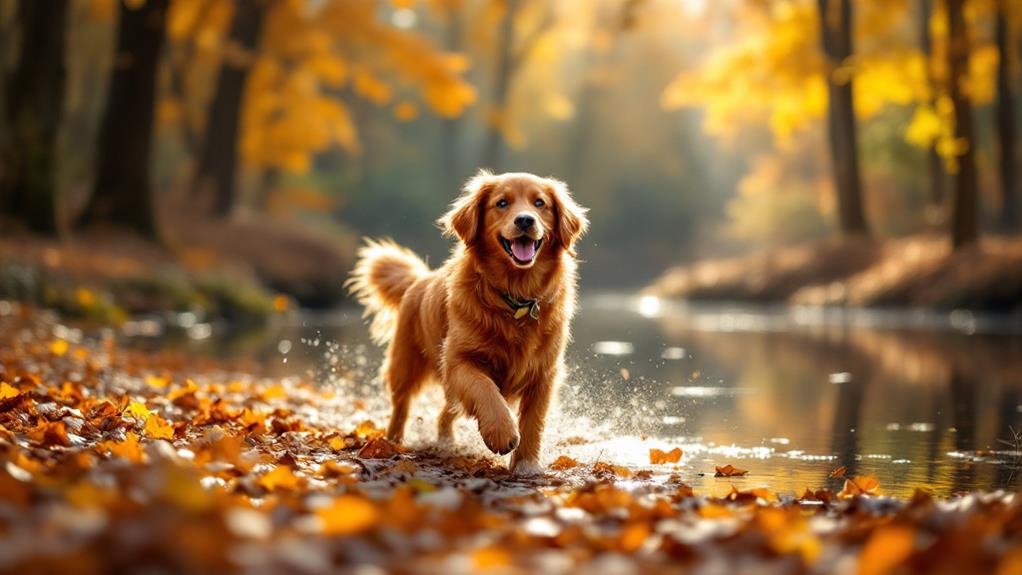
The Nova Scotia Duck Tolling Retriever is your ideal hunting partner, thriving with its unique "tolling" technique that lures waterfowl within range. Originating in 19th century Nova Scotia, this medium-sized breed combines energy and agility with a striking fox-like appearance. Their lively coats and white-tipped tails aren't just eye-catching; they're perfect for enticing game. You're looking at a spirited, intelligent companion who's as comfortable retrieving as they are playing with family. Positive reinforcement training reveals their full potential, while regular exercise keeps them happy. Uncover how this versatile retriever excels in both hunting and everyday family life.
Breed Origins and Development
The Nova Scotia Duck Tolling Retriever, often affectionately called the "Toller," was developed in the early 19th century in Nova Scotia, Canada, specifically for hunting waterfowl. As a hunting companion, this breed showcases an impressive mix of retriever breeds, spaniels, and possibly farmyard collies. This unique lineage has endowed the Toller with an exceptional ability to lure and retrieve waterfowl, making it an indispensable asset to hunters.
You'll find the term "tolling" central to understanding the breed's origins. It describes the Toller's unique hunting technique, where the dog entices ducks within gunshot range through its playful behavior and energetic antics along the water's edge. This method, combined with its retrieving skills, highlights why the Nova Scotia Duck Tolling Retriever became a favored choice among hunters.
Unique Physical Traits
A Nova Scotia Duck Tolling Retriever stands out with its unique physical traits that serve both function and charm. As a medium-sized breed, the Toller measures between 17 to 21 inches tall and weighs 35 to 50 pounds, making it versatile and well-suited for diverse environments. One of its most distinctive features is the double coat, which includes a harsh outer layer and a dense, wooly undercoat. This water-repellent coat guarantees the Toller excels in wet conditions, an essential trait for its unique hunting role.
The coat color ranges from light gold to coppery red, often accented with white markings, giving it a striking resemblance to a miniature Golden Retriever. Another unique characteristic is the bushy tail with a white tip. This feature is particularly valued for its role in attracting waterfowl, showcasing the breed's purpose as an adept hunting companion. The Toller's fox-like appearance, with its wedge-shaped head and alert expression, not only adds to its charm but also improves its effectiveness in the field. These distinctive features make the Nova Scotia Duck Tolling Retriever a remarkable and endearing breed.
Temperament and Behavior
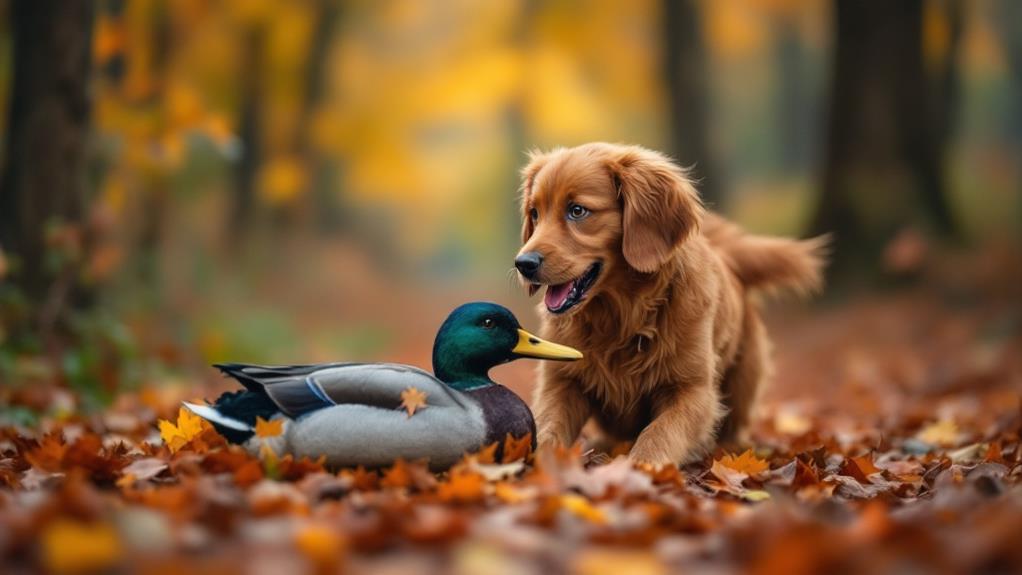
Many Nova Scotia Duck Tolling Retrievers impress with their lively and intelligent temperament, making them fantastic companions for families and active individuals alike. These dogs are known for their affectionate nature, quickly forming strong bonds with those they love. Their willingness to please and joyous demeanor contribute to their popularity, especially among households that enjoy interactive play and activities.
The Toller's outgoing personality makes them adaptable to a variety of environments and activities. They excel in agility, obedience, and more, showcasing their versatile capabilities. However, their natural reserve toward strangers means that early socialization is essential for balanced behavior. By exposing them to different people, places, and experiences, you'll help them develop confidence and a well-rounded temperament.
Consider these points about Tollers:
- Affectionate Companions: Tollers thrive on companionship and bond deeply with their families.
- Versatility: Their intelligence and adaptability allow them to succeed in diverse canine activities.
- Fun-loving Nature: Known as "clowns in red dog suits," their playful behavior brings joy to many.
- Socialization Need: Early socialization helps them become more comfortable and confident around strangers.
Hunting Techniques and Skills
In the world of hunting, Nova Scotia Duck Tolling Retrievers stand out with their remarkable "tolling" technique. They mimic red foxes by performing energetic antics that catch the attention of waterfowl, luring ducks into the hunter's range. This unique method sets them apart in the field, combining natural agility with playful behavior to effectively attract game.
You'll find that their retrieving instincts are second to none. Tollers excel at marking where birds fall and swiftly bringing back game, regardless of if it's ducks or larger birds like geese. Their smaller size and agility make them perfect for maneuvering tight spaces, such as boats or blinds, enhancing their versatility in different hunting situations.
However, training plays a significant role in sharpening these skills. Early exposure to birds is important, as it enhances their hunting techniques and water confidence. While they're competitive with larger retrievers like Labs, their size can be a challenge when hunting geese. Targeted training is imperative to improve performance in these scenarios, ensuring that your Toller reaches its full potential. By focusing on their retrieving instincts and honing their skills, you'll have a formidable hunting companion by your side.
Training Tips and Strategies
Mastering the hunting skills of a Nova Scotia Duck Tolling Retriever requires thoughtful training strategies. You should use positive reinforcement to engage your Toller, as they thrive on encouragement rather than repetitive drilling. Keep training sessions lively with creative approaches to maintain their interest, since their natural hunting instincts can sometimes overshadow formal commands.
Incorporate the following tips into your training routine:
- Use Whistle Commands: Train your Toller with basic whistle commands. A long whistle can signal "Sit," while multiple short whistles can mean "Come." This clear communication is crucial, especially in the field.
- Monitor for Overheating: Always keep an eye on your Toller during training, particularly in warm weather. Their high energy levels require careful management to prevent overheating.
- Early Socialization: Start early socialization and expose your Toller to a range of hunting scenarios. This will help develop their hunting skills and confidence, especially when water is involved.
- Consistency is Key: Be consistent with your training methods. Regular reinforcement of commands will help your Toller understand what's expected and build a strong foundation for more advanced skills.
Health and Lifespan
Guaranteeing the well-being of your Nova Scotia Duck Tolling Retriever involves understanding their health and lifespan. Typically, these energetic dogs have an average lifespan of 12 to 14 years, influenced by genetics and how well they're cared for. To give your Toller the best chance at a long, healthy life, it's critical to be aware of common health issues they might face.
Hip dysplasia, progressive retinal atrophy (PRA), and autoimmune disorders are some health issues prevalent in the breed. These conditions can considerably affect your dog's quality of life, so addressing them early is fundamental. Health screenings play an important role in identifying these problems, especially when selecting a breeder. Responsible breeders prioritize health testing to minimize genetic risks, which contributes to your Toller's general health and longevity.
Regular veterinary check-ups and vaccinations are non-negotiable for maintaining your dog's health. These visits help catch any potential problems early and guarantee your pet stays up-to-date with necessary vaccinations. Furthermore, providing adequate exercise and mental stimulation will help your Toller thrive. With proper care, these dogs can be wonderful companions, delighting active families with their spirited nature and love for adventure.
Popularity and Recognition
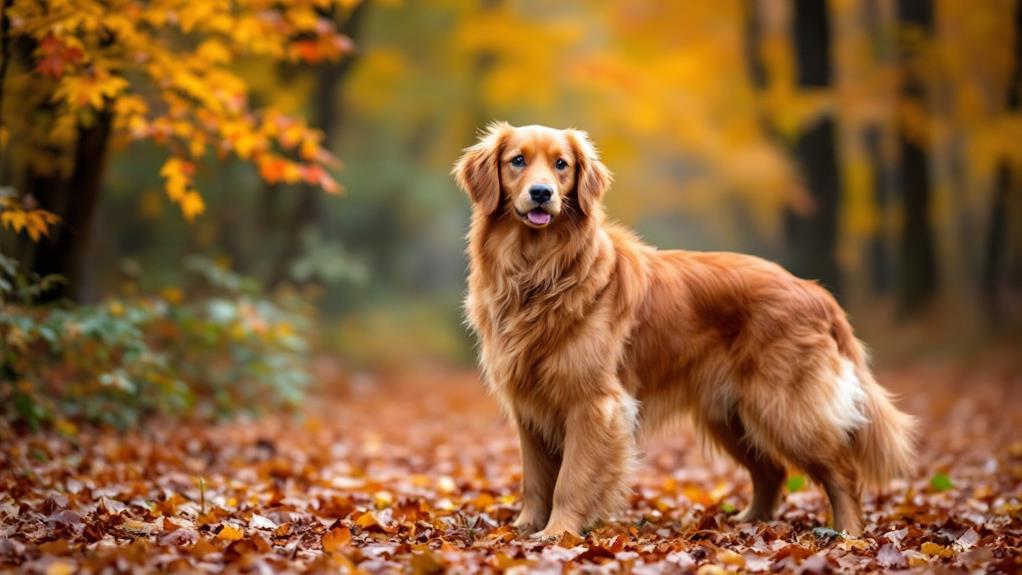
Gaining traction among dog enthusiasts, the Nova Scotia Duck Tolling Retriever has seen a surge in popularity in both Canada and the U.S. since the mid-1960s. This breed's unique hunting style and versatility have made it a recognized favorite among those seeking a reliable hunting companion and family dog. The Canadian Kennel Club recognized the breed in 1945, and its American counterpart followed suit in 2003, further solidifying its status.
In 1995, the breed was declared the Provincial Dog of Nova Scotia, showcasing its cultural significance. This historic recognition was the initial of its kind for any breed, highlighting the NSDTR's importance in the region. The dog's increasing presence in diverse dog sports and competitions also contributes to its recognition. Its agility and obedience make it a standout performer.
Here's why the NSDTR's popularity continues to rise:
- Unique versatility: It's both a hunting and family companion.
- Cultural significance: Provincial Dog of Nova Scotia.
- Official recognition: Accepted by major kennel clubs.
- Community support: Online communities and organizations enhance visibility.
With such features, it's no wonder the NSDTR is a beloved companion and recognized breed.
Exercise and Activity Needs
As you've likely noticed, the Nova Scotia Duck Tolling Retriever isn't just popular for its versatility and cultural significance; it's also known for its high energy levels that require regular attention. To keep your Toller happy and healthy, aim for at least an hour of vigorous exercise each day. This not only caters to their physical needs but also provides vital mental stimulation. Activities like brisk walks, swimming, or a game of fetch are perfect for burning off excess energy and preventing boredom.
Because of their strong retrieving instincts, these dogs thrive when given opportunities to play retrieving games. Agility training is another excellent way to challenge your Toller both physically and mentally, ensuring they don't become restless or destructive. Exercise isn't just beneficial for their health; it positively impacts their behavior, making them more manageable and well-adjusted companions.
Incorporating regular mental stimulation through interactive toys and puzzle games is significant, especially if you're in an urban or suburban setting. Keeping their brains engaged is as necessary as physical exercise. When their high energy levels are properly managed, the Nova Scotia Duck Tolling Retriever makes a loyal and delightful companion.
Related posts