Norwegian Buhund: The Confident and Versatile Nordic Herding Dog
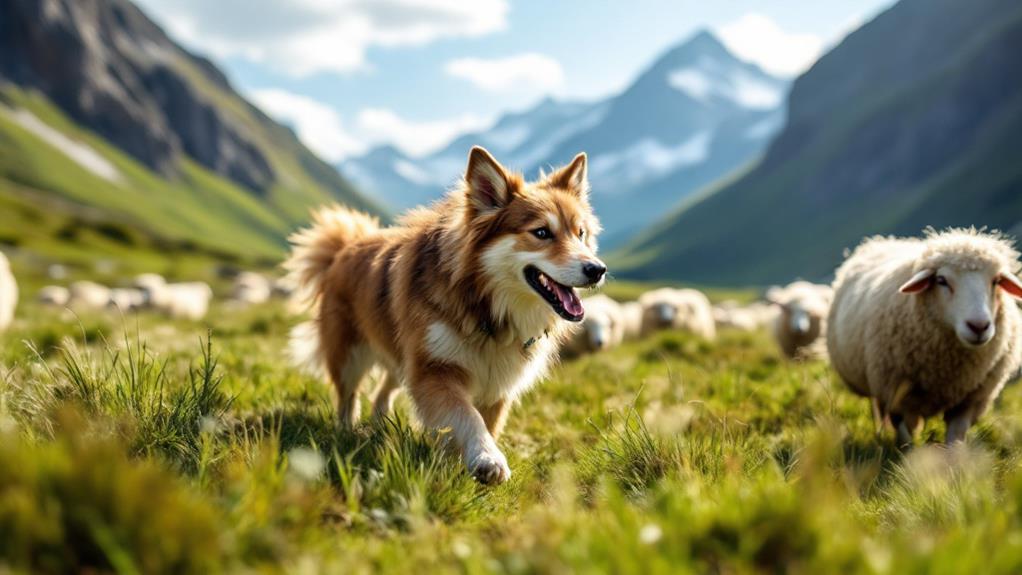
You'll uncover the Norwegian Buhund as a confident and versatile herding dog, rooted in Viking traditions. Known for its intelligence and strong herding instincts, this medium-sized spitz-type breed thrives with regular exercise and mental challenges. Friendly and affectionate, they make great family companions but require early socialization to manage their independent streaks. With a distinctive double coat and a love for outdoor activities, they're well-suited to active families. They live 12-15 years and need weekly grooming and health screenings. Norwegian Buhunds are a perfect blend of history and energy, offering much more to reveal about their enchanting qualities.
Breed Overview
The Norwegian Buhund, or Norsk Buhund, is a spitz-type herding dog deeply rooted in Norway's history, often linked to Viking herding traditions. As intelligent dogs with strong herding instincts, they excel in tasks requiring focus and agility. This breed thrives when they have a job to do, making them perfect companions for active families who love outdoor activities. You'll find that keeping a Norwegian Buhund engaged with regular exercise and mental challenges is crucial to their happiness and well-being.
Their dense double coat, ideal for Norway's cold climate, means they can handle diverse weather conditions. However, this coat also requires regular grooming to maintain its health and appearance. As family dogs, Norwegian Buhunds are known for their loyalty and affectionate nature, making them great with children and other pets. They're active and require daily exercise to prevent boredom, which can lead to behavioral issues.
While generally healthy, Norwegian Buhunds have a life expectancy of 12-15 years and may face certain inherited health issues. It's essential to conduct health screenings for breeding stock to guarantee their long-term health. By providing attention and care, you'll enjoy a lively and devoted companion in the Norwegian Buhund.
Physical Characteristics
With their striking appearance and robust build, Norwegian Buhunds are medium-sized dogs that embody the spitz-type characteristics. Males typically stand between 17-18.5 inches tall, while females are slightly smaller at 16-17.5 inches. Their muscular build is evident, as males weigh between 31-40 pounds and females range from 26-35 pounds. This strength and sturdiness are part of what makes them such versatile working dogs.
A notable feature of the Norwegian Buhund is their distinctive double coat. This breed's coat is designed to withstand harsh weather conditions, with a dense, weather-resistant outer layer and a soft undercoat providing insulation against cold climates. The coat colors of the Norwegian Buhund vary, commonly found in wheaten, black, and wolf-sable, each adding to their striking presence.
Several physical traits align them with other spitz-type dogs:
- Wedge-shaped head: Gives them a keen, alert expression.
- Erect ears: Always on the lookout, showcasing their attentive nature.
- Curled tail: A classic spitz-type feature, adding to their unique silhouette.
These characteristics make the Norwegian Buhund not only striking in appearance but also ideally suited for their traditional herding roles.
Temperament and Behavior
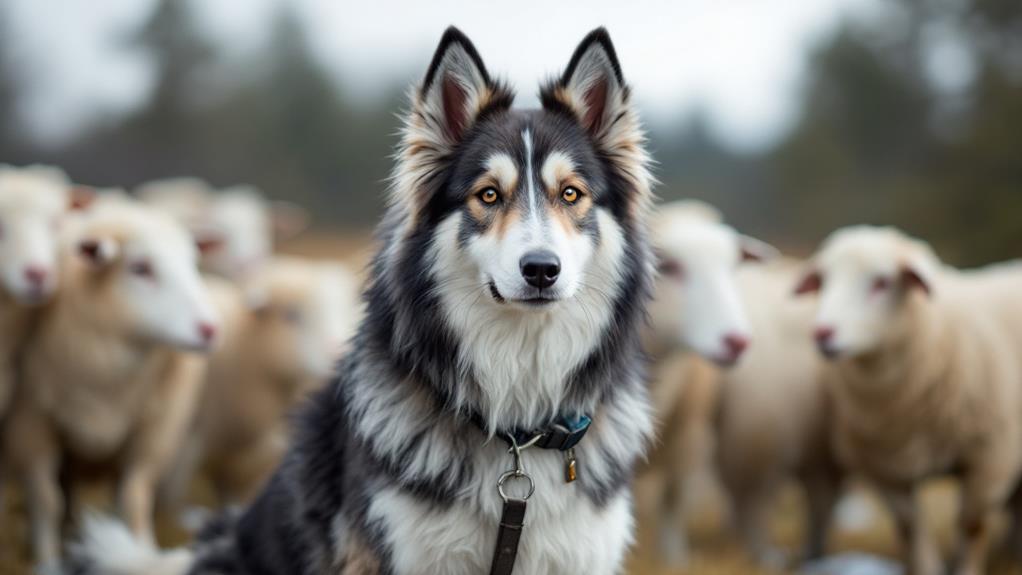
Beyond their striking physical attributes, Norwegian Buhunds captivate with their charming temperament and behavior. Known for their friendly and affectionate nature, they make excellent family companions, thriving on human interaction. Their intelligent and confident demeanor demands consistent training and early socialization. These aspects are essential for managing their independent traits and herding instincts effectively. Without proper socialization, their strong protective nature can lead to excessive barking at unfamiliar sights or sounds. However, this very trait makes them effective watchdogs, always alert to potential threats.
Norwegian Buhunds are generally good with children and other pets, but again, socialization is key to ensuring positive interactions. Their innate herding instincts mean they might try to herd young kids, so supervision is advised. High energy levels in these dogs necessitate vigorous daily exercise. Without sufficient activity, they can become bored, leading to potential destructive behaviors. Incorporating exercises that challenge their intelligence, such as puzzle toys or agility courses, can also be beneficial.
History and Origin
Rooted deeply in Norway's rich history, the Norwegian Buhund emerged as a key player in Viking life, embodying the resilience and adaptability required for herding in harsh climates. This ancient breed, descending from the Nordic spitz-type dogs, is closely linked to the renowned Norwegian Elkhound. As versatile farm dogs, Norwegian Buhunds were indispensable in Viking society, herding livestock, guarding property, and even hunting small game. Their ability to thrive in the cold-weather environments and rugged terrains of Norway made them invaluable companions to the Vikings.
The Norwegian Buhund's expedition through history is fascinating. These dogs:
- Served as loyal protectors: Guarding not just livestock but also the homes and families of their Viking owners.
- Were highly adaptable: Their spitz-type lineage helped them survive and excel in Norway's challenging conditions.
- Held a lasting legacy: Recognized by the American Kennel Club since 1884, emphasizing their esteemed place in the herding group.
If you're exploring the roots of this ancient breed, you'll find the Norwegian Buhund's story is one of endurance and versatility. With such a rich heritage, it's no wonder this breed remains a beloved choice for those seeking a capable and devoted herding dog.
Health and Care
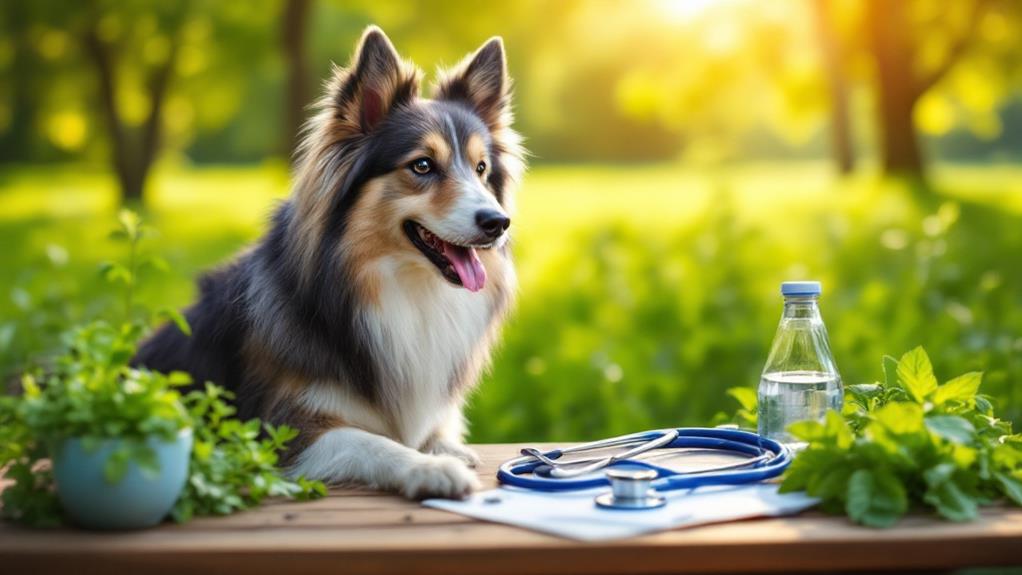
The Norwegian Buhund's rich history as a versatile and dependable breed is matched by its robust health and care needs. Generally hearty, these dogs boast a life expectancy of 12-15 years. However, maintaining their continued health requires attention to specific areas. Regular veterinary check-ups are essential to catch potential issues early, especially since Buhunds can be prone to hip dysplasia and eye disorders. These visits should include routine health screenings to maintain your dog's well-being.
Grooming is another significant aspect of care. The Norwegian Buhund's coat needs weekly brushing to manage moderate shedding and keep it healthy, particularly during the heavy seasonal shedding periods in spring and fall. Daily exercise is just as crucial to meet the breed's high energy requirements. Aim for at least 2 hours of physical activity each day to prevent behavioral issues and keep your Buhund fit and happy.
Nutrition plays a key role in your dog's health. Feed your adult Buhund measured meals twice a day to prevent obesity and provide balanced nutrition. By diligently addressing these care areas, you'll help your Norwegian Buhund lead a healthy, active life.
Training Tips
When training a Norwegian Buhund, start with positive reinforcement techniques that capitalize on their enthusiasm to please. Clicker training and food motivation are particularly effective, given their willingness and intelligence. It's vital to begin early and maintain consistency, as their independent nature can be challenging for novice owners. Early socialization is a must; exposing your Buhund to different environments, people, and other pets prevents behavioral issues and fosters adaptability.
To guarantee effective training, focus on:
- Obedience training: Incorporate regular sessions to teach basic commands, establishing a strong communication foundation.
- Mental stimulation: Engage them in activities that challenge their minds, preventing boredom and potential destructive behaviors.
- Barking management: Address their vocal nature, especially if you live in an urban or apartment setting.
Choose responsible breeders who prioritize temperament and early socialization, as this lays the groundwork for a well-adjusted adult dog. Norwegian Buhunds, with their herding instincts, may be naturally vocal, so patience and consistent guidance are key. By focusing on these training tips, you'll nurture a well-behaved and happy companion. Remember, the effort you invest in early training pays dividends in their lifelong behavior.
Exercise Needs
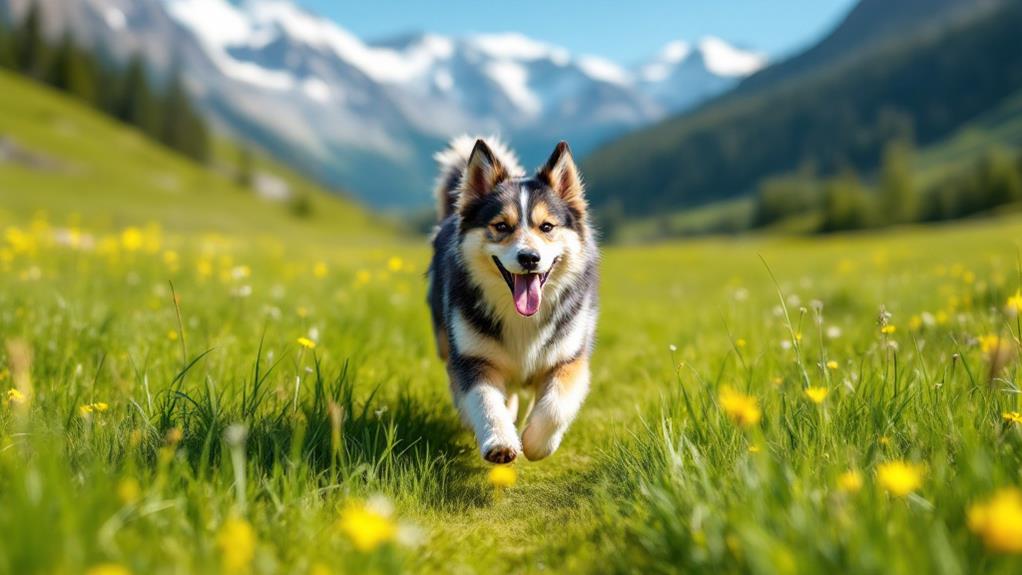
Ensuring your Norwegian Buhund gets enough exercise is crucial to their well-being, with at least two hours of physical activity daily being foundational. These energetic dogs thrive on a mix of physical and mental stimulation, which helps them stay healthy and happy. Norwegian Buhunds enjoy engaging in diverse outdoor activities, such as long walks, running, and hiking. These activities not only keep them fit but also provide the mental stimulation they crave.
Regular exercise is fundamental to prevent boredom and destructive behaviors, which can arise from their high intelligence and energy levels. You can incorporate dog sports like agility and obedience into their routine to challenge them both physically and mentally. These activities strengthen your bond and keep their minds sharp.
If you have a secure area, let your Buhund run and play freely. They love the freedom to investigate, making them perfect companions for active families or individuals. Remember, the key to a satisfied Norwegian Buhund is a balance of daily exercise and mental challenges. By ensuring they get ample physical activity, you'll set your Buhund up for a happy, fulfilled life.
Grooming Requirements
After a fulfilling day of exercise and mental challenges, don't overlook the importance of grooming for your Norwegian Buhund. Their double coat, featuring a dense outer layer and a soft undercoat, requires regular grooming to maintain its health and appearance. Weekly brushing is vital to manage normal shedding and keep their coat in top condition. During periods of heavy shedding, typically in spring and fall, you'll need to brush them daily to prevent matting and maintain a healthy coat.
Regular grooming goes beyond just brushing. You'll also need to focus on:
- Ear cleaning: Regularly check and clean their ears to prevent infections.
- Nail trimming: Keep their nails trimmed to avoid discomfort and potential injury.
- Coat maintenance: Make sure their coat stays clean and free of tangles.
A consistent grooming routine not only improves their aesthetic appeal but also supports their general well-being. By committing to regular grooming, you can effectively mitigate shedding and make certain your Buhund's coat remains beautiful and healthy. Remember, grooming is a fundamental part of caring for your Norwegian Buhund, contributing to their happiness and well-being.
Diet and Nutrition
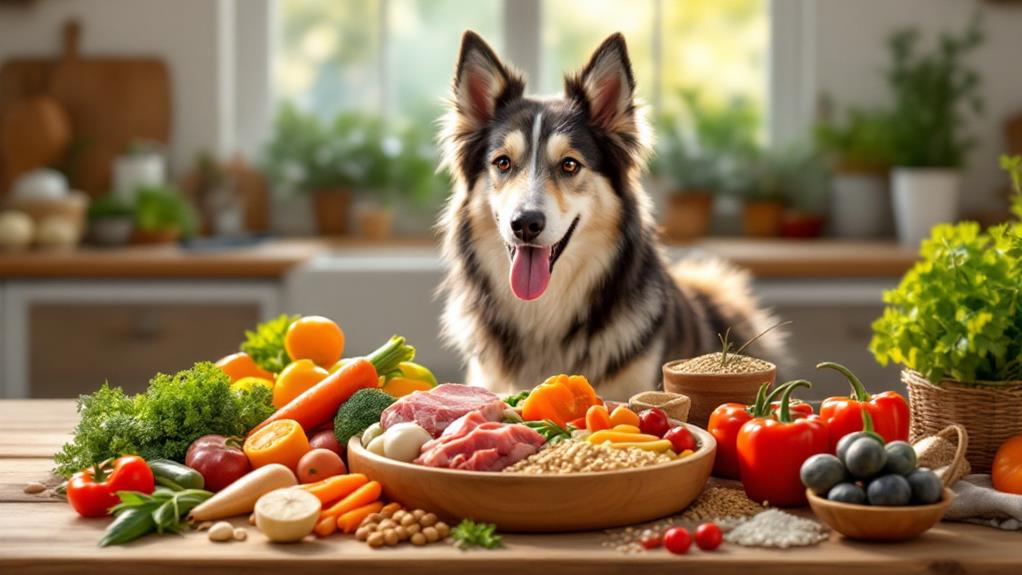
To maintain the health and significance of your Norwegian Buhund, focus on a balanced diet and proper nutrition. Start with high-quality dog food or a balanced raw diet to guarantee your dog receives the vital nutrients. Adults thrive on two measured meals per day, while puppies benefit from 3-4 smaller meals to support their growth and energy needs. Establishing a consistent feeding schedule is vital, especially for puppies, to promote healthy development.
Portion control is key in preventing obesity, which can lead to joint disease and diabetes. Avoid free feeding by measuring portions with cups or scales. This helps manage your Buhund's weight and general health effectively. Though they aren't typically prone to allergies, keep an eye out for any dietary sensitivities your dog may develop.
Regular veterinary consultations will help tailor your Buhund's nutritional needs based on maturity, weight, and activity level. Your vet can provide guidance on maintaining a balanced diet, guaranteeing your dog's intake of vital nutrients is adequate. By prioritizing diet and nutrition, you're setting your Norwegian Buhund up for a healthy, active life, free from preventable health issues.
Adoption and Breeder Information
Finding a Norwegian Buhund can be challenging due to their rarity, and it's unlikely you'll encounter one in rescues. If you're set on adopting this rare breed, start by researching responsible breeders, often found through the Norwegian Buhund Club. These breeders are involved in preserving efforts to maintain the breed's integrity and health.
When considering a breeder, look for:
- Medical history: Reputable breeders should provide a detailed medical history for the puppies and conduct health screenings for conditions like hip dysplasia and eye disorders.
- Parental access: You should be able to meet the puppies' parents and see the living conditions to guarantee ethical practices.
- Cost expectations: Be prepared for a price range of $2,000 to $2,500, influenced by the puppy's pedigree and the breeder's reputation.
If you can't find a Norwegian Buhund, consider similar breeds at local shelters. While not the same, these dogs might share some characteristics and could be a suitable alternative. Remember, a responsible breeder will prioritize the puppies' health and well-being, making your adoption experience fulfilling and transparent. Always verify their involvement with breed-specific clubs and their commitment to preserving efforts.