Mastiff: The Courageous and Dignified Guardian of the Family
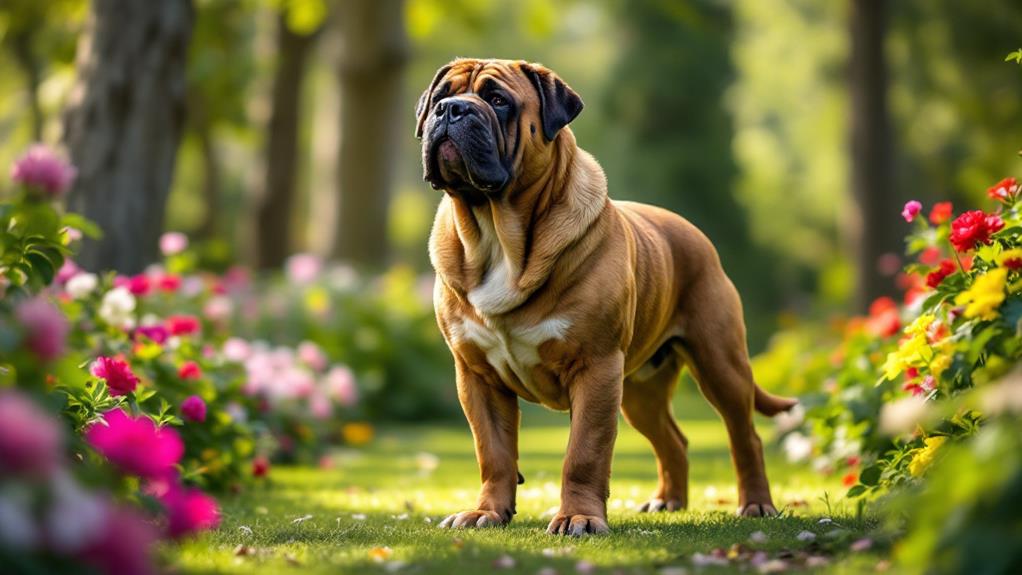
When you choose a Mastiff, you're welcoming a courageous and dignified guardian into your family. This gentle giant balances calm demeanor with quick protective instincts, making it an ideal companion. Mastiffs have been celebrated for their strength and loyalty since ancient times, originally bred to guard and protect. With their massive build and expressive eyes, they embody both power and tranquility. To guarantee they flourish, early training and socialization are essential. Remember, they need a balanced diet and regular vet visits to stay healthy. Uncover how this majestic breed can enrich your household with unmatched grace and security.
Temperament and Behavior
In regard to temperament and behavior, Mastiffs are an intriguing blend of docility and courage. Their ability to remain calm while evaluating potential threats showcases their unique temperament. You'll notice that a Mastiff's protective instinct allows them to shift swiftly from calmness to assertiveness when necessary. For instance, Charli, a Mastiff, demonstrated this by moving from aggression to a relaxed state after appraising a situation, proving their remarkable discernment.
To manage their impressive size and strength, early training and socialization are crucial. Without it, a Mastiff might not reach its full potential as a gentle giant. By introducing them to different environments and people, you nurture their natural protective instincts in a controlled way. This guarantees that their protective nature doesn't turn overly aggressive or fearful.
Mastiffs emphasize dignity over exuberance, making them well-suited for family life. They're not the type to jump around boisterously, but instead, they exude a calm presence that's comforting. If you're seeking a loyal guardian with an even temperament, a Mastiff fits the bill. Proper training and socialization will assure they grow into the courageous and dignified companion you desire.
Historical Significance
The Mastiff's intriguing history spans centuries, capturing the admiration of those who value courage and strength. Tracing back to ancient times, these large breed dogs have been revered for their impressive size and bravery. As early as 55 B.C., Julius Caesar noted their formidable presence during his conquest of Britain. Originally bred for multiple roles, Mastiffs excelled as war dogs and guard dogs, serving nobility on the battlefield with unparalleled courage.
The breed's name, derived from the Old French "mastin," meaning watchdog, emphasizes their historical role as protectors. During the Middle Ages, their loyalty shone through as they guarded estates from poachers and served as hunting companions. These dogs were indispensable to ancient households, showcasing their protective instincts and unwavering dedication.
Despite facing a decline in popularity in the 19th century, the Mastiff's legacy didn't vanish. Dedicated breeders recognized their historical significance and worked tirelessly to revive the breed. Today, Mastiffs remain beloved companions, fiercely guarding modern families with the same loyalty and courage that marked their storied past. Their remarkable history guarantees their place as dignified guardians for generations to come.
Physical Characteristics
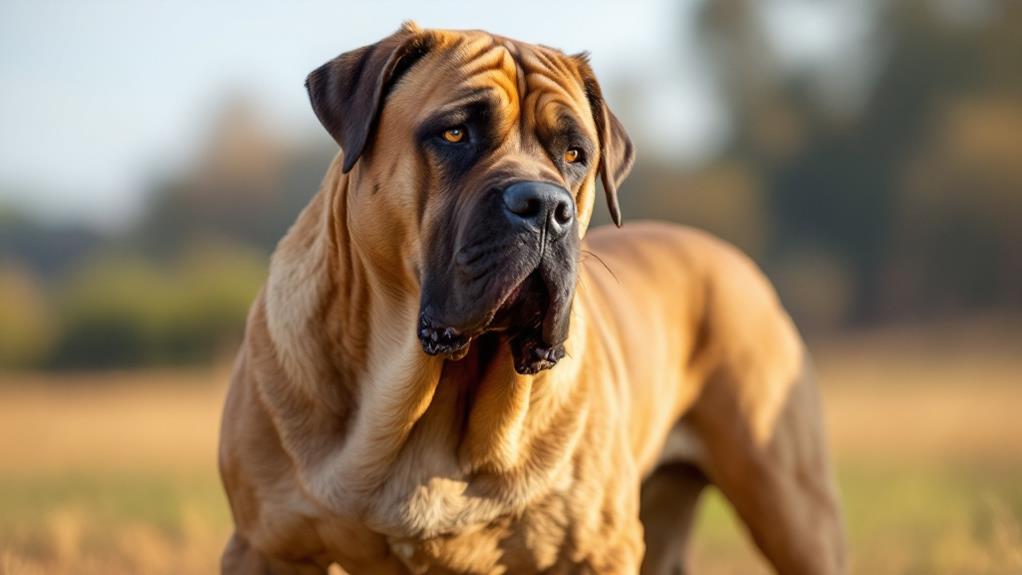
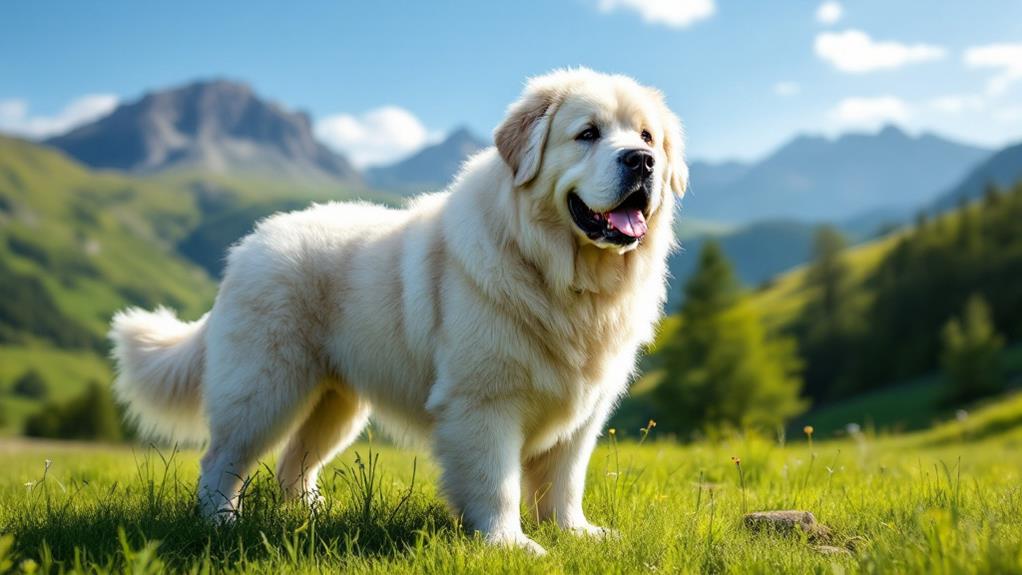
Mastiffs impress with their massive, muscular build, weighing between 120 to 230 pounds and reaching up to 30 inches tall at the shoulder. These gentle giants captivate with their commanding presence and dignified appearance. Their physical characteristics make them perfect guardians, exuding both strength and serenity. The broad head, adorned with distinctive loose skin, particularly around the face, highlights their noble demeanor.
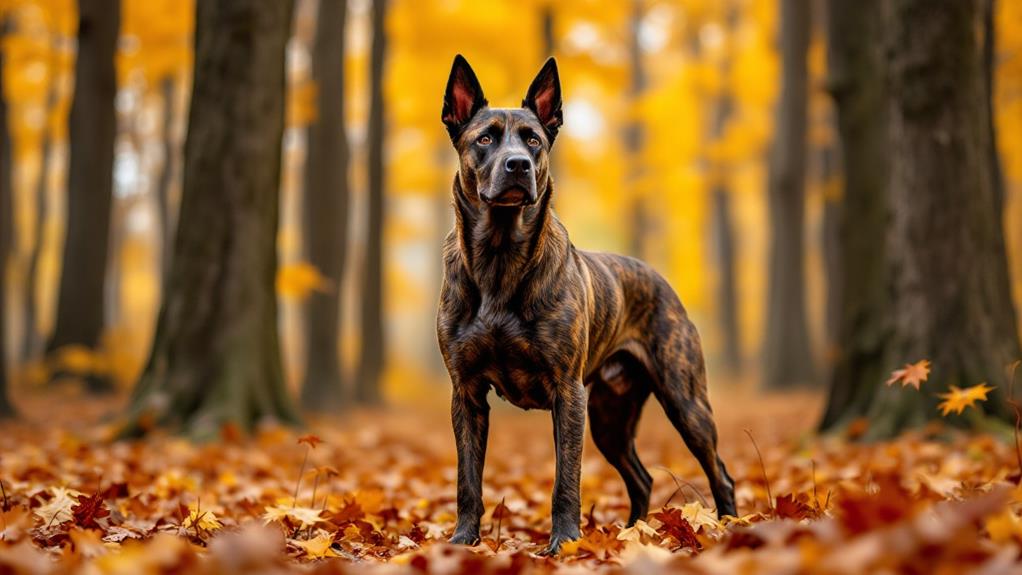
You'll notice their short coat, which comes in a range of shades, including fawn, brindle, and apricot, often complemented by a striking black mask. This combination adds to their imposing yet gentle aura. Their dark, expressive eyes, set deep within their large skull, reflect a calm and composed character, further affirming their reputation as gentle giants.
Here are some notable features of Mastiffs:
- Massive Build: Their sturdy frame and large size make them both impressive and reliable protectors.
- Distinctive Features: The broad head with loose skin and black mask contributes to their dignified and majestic appearance.
- Expressive Eyes: Their deep-set, dark eyes convey a gentle, good-natured temperament, making them endearing companions.
These remarkable physical characteristics embody the Mastiff's role as a courageous and dignified guardian of the family.
Health and Care
In regards to taking care of Mastiffs, staying on top of their health is fundamental. These loyal companions, with a lifespan of 6 to 12 years, are prone to health issues like heart disease, hip dysplasia, and bloat. Regular veterinary check-ups are critical for early detection and management of these conditions. A balanced diet is also significant. Make certain you provide high-quality food and control portions to maintain a healthy weight, as obesity can exacerbate their health problems.
Regular grooming is another key aspect of their care. Mastiffs have loose skin that can trap dirt and debris, so frequent brushing is necessary to keep their coat clean and comfortable. Don't forget about dental care and nail trimming to guarantee their general well-being. Given their low to moderate energy levels, daily exercise is significant for maintaining joint health and preventing obesity. Moderate activities, like leisurely walks, work well for them.
Additionally, Mastiffs are sensitive to extreme temperatures, so they should primarily live indoors. This keeps them protected from harsh weather while allowing for regular outdoor time for exercise and socialization. By focusing on these areas, you'll guarantee your Mastiff remains a dignified and healthy guardian.
Training Essentials
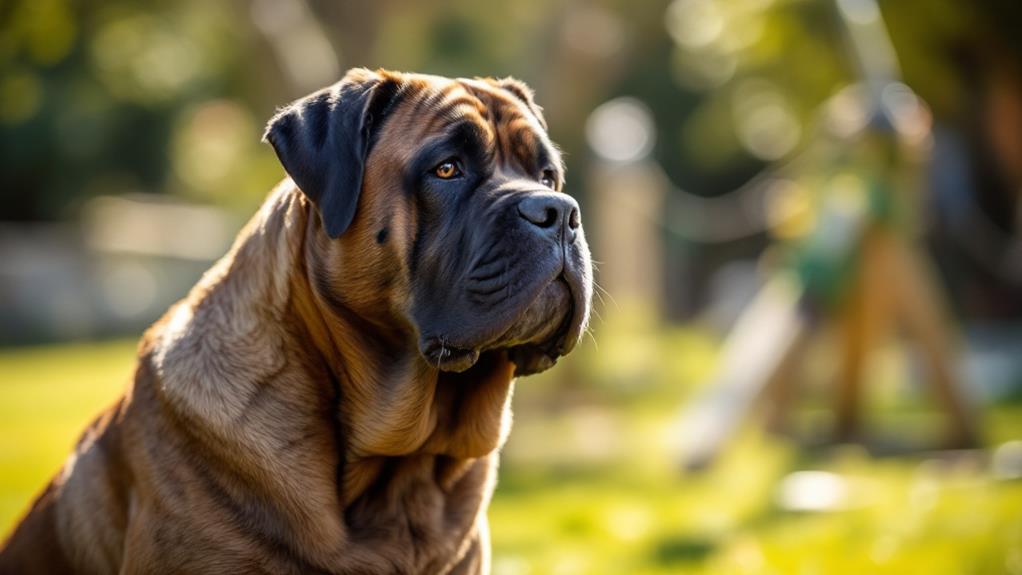
Training your Mastiff early is fundamental to ensuring they develop into well-mannered companions. Early training and socialization at a young stage help them become confident and reduce their natural wariness of strangers. Here are some key training fundamentals for your Mastiff:
- Leash Training: Given their size and strength, leash training is imperative. Start early to manage their strength and prevent pulling, ensuring safe and enjoyable walks.
- Positive Reinforcement: Use positive reinforcement methods to encourage desired behavior. Reward your Mastiff with treats or praise rather than using punishment. This approach strengthens your bond and makes training a positive experience for them.
- Mental Stimulation: Engage your Mastiff with regular mental stimulation through puzzle toys and interactive play. This not only keeps them entertained but also prevents boredom, which can lead to behavioral issues.
Consistent training routines are significant. Expose your Mastiff to varied environments to improve their social skills and adaptability. This exposure contributes greatly to their general well-being. Remember, patience and consistency are key. With the right approach, your Mastiff will grow into a courageous and dignified guardian of your family.
Popular Mastiff Breeds
Stepping into the world of Mastiffs means exploring a legacy of loyalty and strength. Among the popular breeds, the Bullmastiff is a standout, developed in England during the 1860s to guard against poachers. Weighing between 100 to 130 pounds, this breed is a gentle giant with low to moderate energy levels, making them perfect guard dogs for those seeking loyalty and intelligence.
Next, meet the English Mastiff, one of the largest dog breeds, tipping the scales at 120 to 230 pounds. Known for its gentle temperament, this breed is a protective family companion. It's no wonder they've been favored by royalty over the years. They're gentle giants, indeed.
Then, there's the Neapolitan Mastiff, recognized for its distinctively wrinkly skin. Exceeding 150 pounds, this breed requires strong ownership and early socialization to manage its protective instincts.
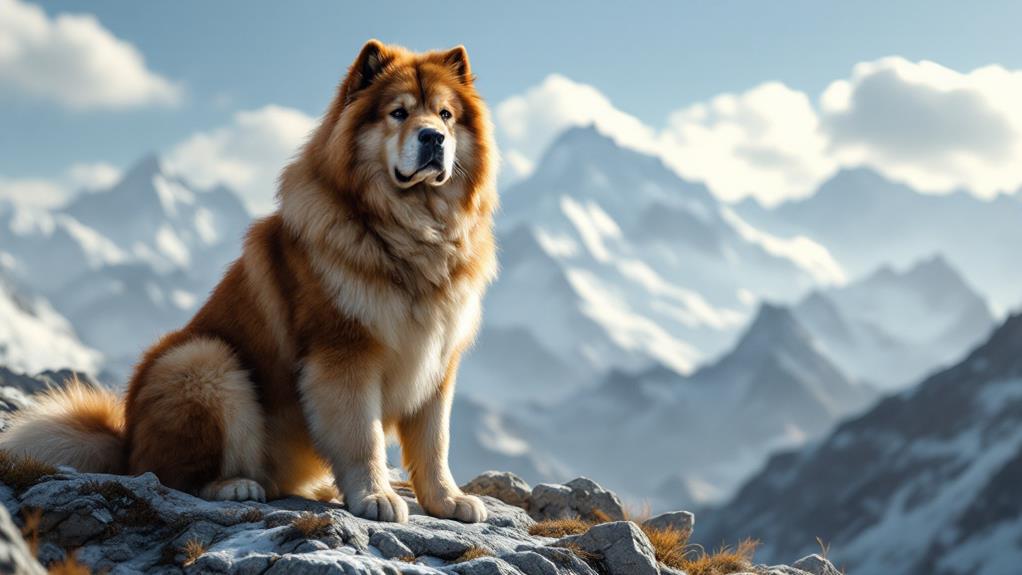
Lastly, the Tibetan Mastiff stands out with its heavy coat and independent nature. This breed demands dedicated training and patience, making it less suitable for young families. While they can function as effective guard dogs, their unique traits mean they're not for everyone.
Choosing the Right Mastiff
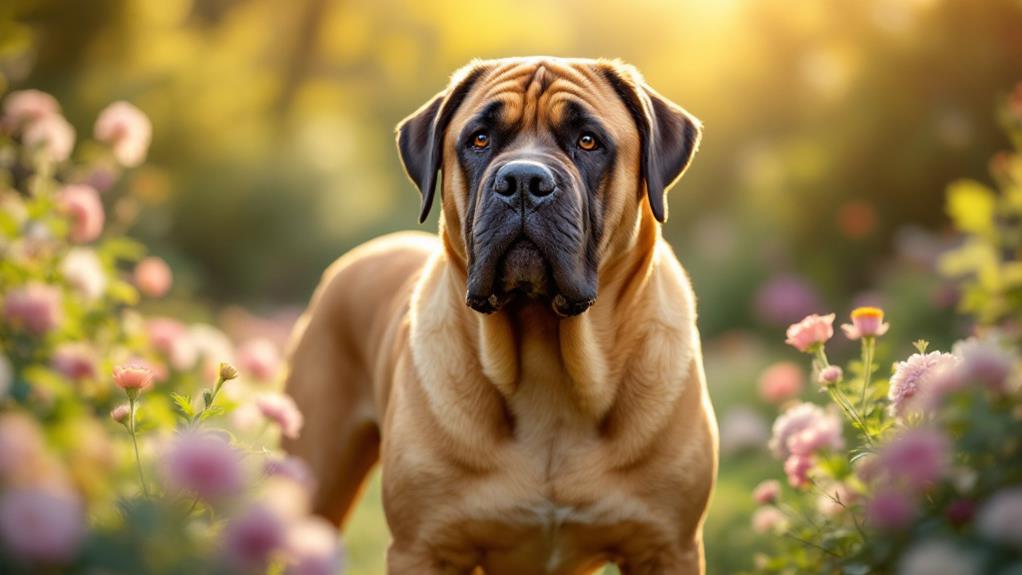
When starting on the expedition of choosing the right Mastiff, you should start with contemplating their size and space needs. Mastiffs, especially the Old English Mastiff, are large dogs, weighing between 120 to 230 pounds. You'll need ample space to accommodate their grand presence. Your next step should be finding reputable breeders. This guarantees your puppy is healthy and has a good lineage, which greatly impacts their temperament and overall welfare.
Here are three key points to contemplate:
- Gentle with Children: Mastiffs are known for their gentle nature with kids, making them ideal family companions. However, their size requires supervision to prevent accidental knocks.
- Early Training and Socialization: It's vital to manage their protective instincts through early training and socialization. This helps guarantee they're well-mannered with strangers and can adapt to different environments.
- Health Considerations: Be aware of common health issues like hip dysplasia and bloat. Regular vet check-ups and a balanced diet are fundamental to maintain their health.
Evaluate your family dynamics and lifestyle to guarantee you're ready for the commitment of owning this dignified guardian.
Living With a Mastiff
Living with a Mastiff, despite their imposing size, can be a rewarding experience that brings warmth and security to your home. Known for their gentle and calm demeanor, Mastiffs are perfect companions for families, especially those with children. Their strong bond with family members makes them both loving pets and effective protectors. Historically used as guard dogs, they naturally take on the role of guardians in your household. However, their size, ranging from 120 to 230 pounds, requires ample space to move around comfortably and safely.
Early training and socialization are important to manage their impressive size and strength. By introducing them to different environments and people, you'll help them grow into well-mannered and confident members of your household. This is critical not just for behavior but also to guarantee they remain friendly and approachable, even in social settings. Though their energy levels are low to moderate, daily exercise is key for maintaining their joint health and preventing obesity. Incorporate leisurely walks and playtime into their routine to keep them happy and healthy. Living with a Mastiff means embracing a gentle giant that offers companionship and protection.