Manx Cat: The Placid and Protective Tailless Wonder
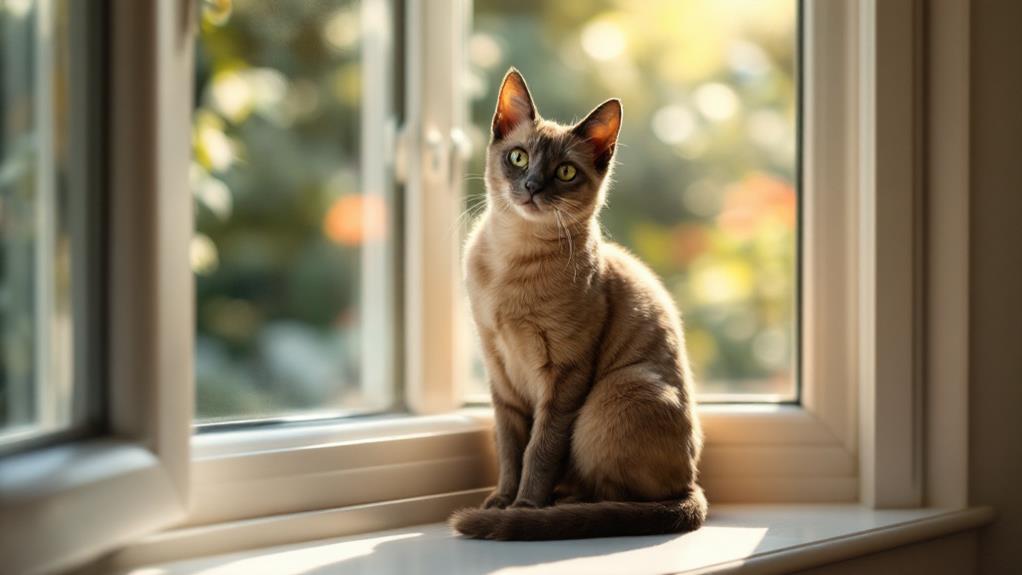
Uncover the Manx Cat, an extraordinary blend of playful charm and historical allure. Originating from the Isle of Man, this affectionate breed is renowned for its taillessness, caused by a fascinating genetic mutation. Manx cats are known for their agility and adventure, thanks to their strong hind legs and love for investigating. Their thick, double coat comes in diverse colors, requiring minimal grooming. Despite their lack of a tail, they form strong bonds and adapt well to family life. With a lifespan of 9 to 13 years, understanding their unique health needs is essential. Delve deeper into their enchanting traits.
Unique Traits
The Manx cat stands out with its remarkable taillessness, a result of a genetic mutation that affects its spine and tail development. This unique breed can be completely tailless, known as "rumpy," or have small stubs. Despite its taillessness, the Manx cat is a medium-sized feline with a muscular build, weighing between 8 to 12 lbs. Its strong hind legs are a hallmark, contributing to its agile and playful nature that cat enthusiasts adore.
You'll find that the Manx cat's affectionate nature is one of its most endearing traits. Known for forming strong bonds with their families, these cats thrive on interaction and play. Their sociable demeanor makes them ideal companions, as they enjoy being part of the household activities. Regardless of whether you're playing with them or simply lounging together, their companionship is sure to warm your heart.
The Manx's thick, double coat is another notable feature, coming in numerous colors and patterns such as solid, tortoiseshell, and tabby. These coats require minimal grooming, especially in short-haired varieties, making them relatively low-maintenance. Their expressive, round eyes add to their enchanting appearance, further enhancing their unique charm.
Historical Significance
Rooted in the Isle of Man's history, the Manx cat's origins stretch back to the 18th century, where tales of tailless cats became interwoven with local folklore. This unique breed's mystique is partly due to legends, like the one where a Manx cat was caught in Noah's Ark's closing doors. These stories contributed to the allure and cultural significance of the tailless Manx.
Over time, the Manx cat's historical presence was firmly established as a distinct breed by the late 1800s. Initially categorized under "Any Other Type" in early cat shows, it later gained recognition with specific breed standards. The Manx's playful nature and unique traits have inspired its depiction in art and literature, further cementing its place across diverse cultures.
The Isle of Man's identity is closely tied to the Manx cat, symbolizing the island's rich heritage. You might notice:
- Local currency: The Manx cat appears on coins, celebrating its cultural importance.
- Postage stamps: Featuring the Manx, these stamps highlight its historical significance.
- Art: The breed is often depicted, emphasizing its unique taillessness.
- Literature: Stories celebrate the Manx's playful and distinct character.
Personality and Behavior
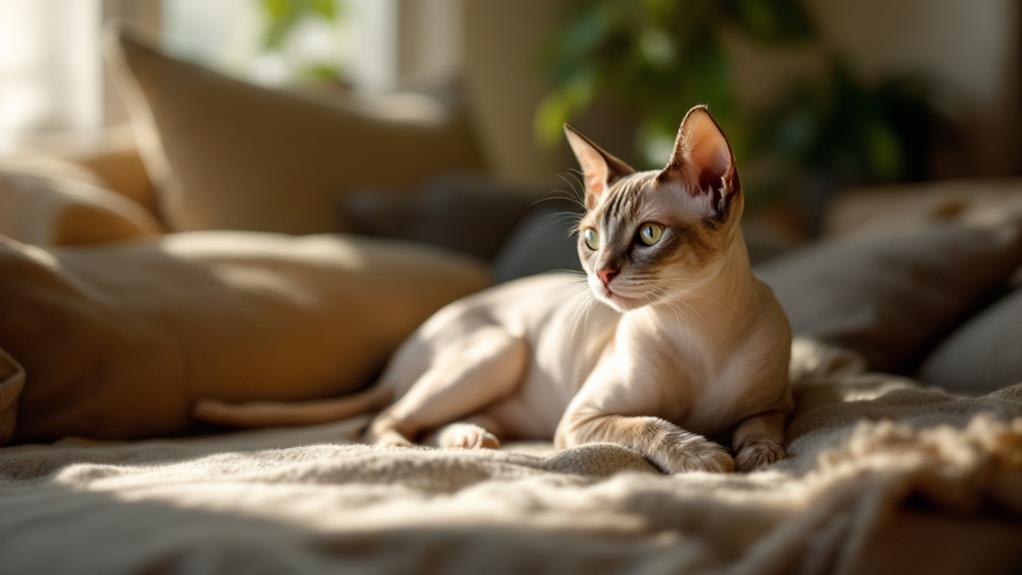
When you welcome a Manx cat into your home, you're embracing a companion known for its affectionate and sociable nature. Manx cats form strong bonds with their families and enjoy being around both humans and other pets. They're incredibly affectionate, often curling up beside you for a nap or greeting you with enthusiasm when you come home.
These cats are not just affectionate; they're also playful and intelligent. Manx cats love engaging in playful antics, keenly participating in interactive play sessions. Their intelligence shines through as they learn new games or tricks, making them delightful companions who are always up for a challenge.
With their adventurous spirit, Manx cats are fearless adventurers. They love climbing and investigating their surroundings, showcasing their athleticism and agility. You'll often find them perched in high places, surveying their domain with curiosity and confidence.
Despite their adventurous side, Manx cats maintain a gentle disposition, making them suitable for families with children. They're patient and tolerant, which contributes to their appeal. Furthermore, Manx cats are vocal and expressive, happily communicating their needs and desires, ensuring you're always aware of their mood and needs.
Health Insights
Caring for a Manx cat means being aware of their unique health needs. While they're generally healthy and can live between 9 to 13 years with proper care, there are specific health risks you should monitor. Manx cats can be prone to spinal issues, such as lordosis and Manx syndrome, which can affect their spine and digestive system. To minimize these risks, responsible breeding practices are essential. Breeding two tailless Manx cats can result in severe health problems, so make sure you're adopting from reputable breeders.
To keep your Manx in top condition, focus on balanced nutrition. Meeting their nutritional needs is significant to maintain a healthy weight and reduce the likelihood of arthritis or bowel disorders. Regular veterinary check-ups are critical to catch any breed-specific issues early and provide your cat with the best care possible. Here's a quick checklist to help you stay on track:
- Balanced Nutrition: Tailor their diet to support healthy weight and joints.
- Regular Check-Ups: Schedule routine vet visits to monitor health.
- Breeding Practices: Guarantee responsible breeding to avoid genetic conditions.
- Monitor for Spinal Issues: Be vigilant for signs of spinal or digestive problems.
Care and Maintenance
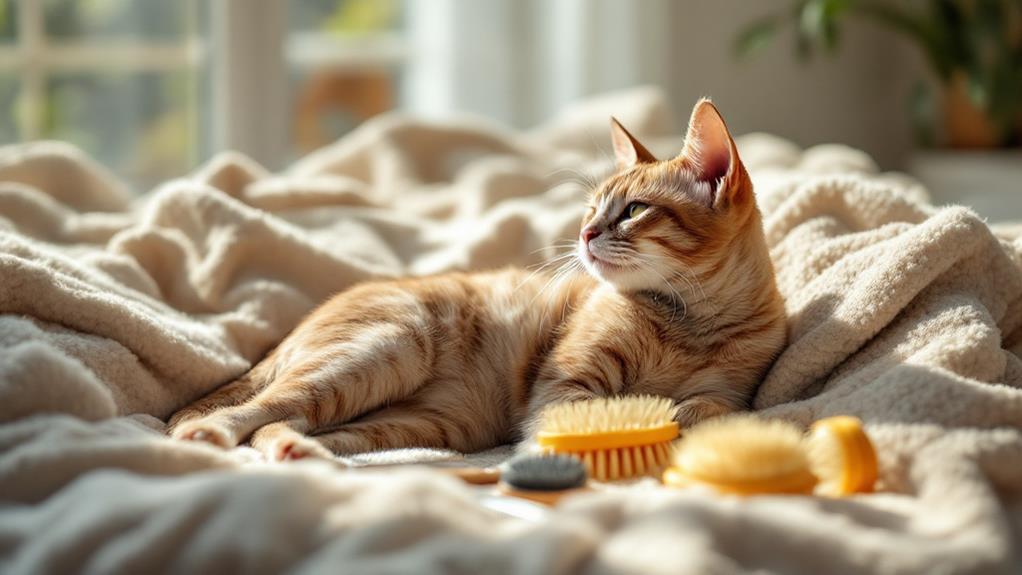
Nurturing a Manx cat involves more than just feeding and petting; it requires a thoughtful approach to their care and maintenance. These unique felines, with varying tail lengths, benefit from regular grooming, especially if they're long-haired. Weekly brushing prevents matting and helps you check for parasites or wounds. A balanced diet is essential; combine wet and dry food tailored to their life stage and lifestyle. This guarantees they get the nutrients they need for peak health.
Regular veterinary check-ups are important for monitoring potential spinal issues, a concern in some Manx cats. These visits also confirm vaccinations are current, contributing to their general wellness. To support their physical and mental health, provide a stimulating environment filled with interactive play. Manx cats are naturally adventurous, so engaging them in play keeps them happy and healthy.
Litter box training is usually straightforward with Manx cats, and early socialization is key to promoting good behavior. It helps them adapt well to their living environment, guaranteeing a harmonious household. By focusing on these aspects, you're not just maintaining their health, but also nurturing a lasting bond with your tailless wonder.
Adoption Stories
Adopting a Manx cat often turns into a heartwarming expedition, as many new owners uncover the deep emotional bonds these unique felines create. Known for their strong emotional bonds and playful nature, Manx kittens bring joy to their adopters. You'll find that these entirely tailless cats come with unique personalities that make each adoption story special. The supportive adoption team guarantees you're confident in your decision, guiding you through each step of welcoming a Manx into your home.
Here's what you can expect from adopting a Manx cat:
- Strong Emotional Bonds: Owners frequently mention the deep connections they form with their Manx cats, turning them into cherished family members.
- Unique Personalities: Each Manx kitten comes with its distinct quirks, adding a delightful twist to your daily life.
- Playful Nature: Despite their lack of a tail, Manx cats are known for their spirited and playful demeanor, keeping you entertained for hours.
- Satisfied Adopters: Adopters often share their positive experiences, leading to recommendations of Purebred Kitties to friends and family.
These adoption stories often inspire enthusiasm for future adoptions, showcasing the lasting impact of these charming, tailless wonders.