
Making Dog Food at Home: Healthy Recipes for Your Pet
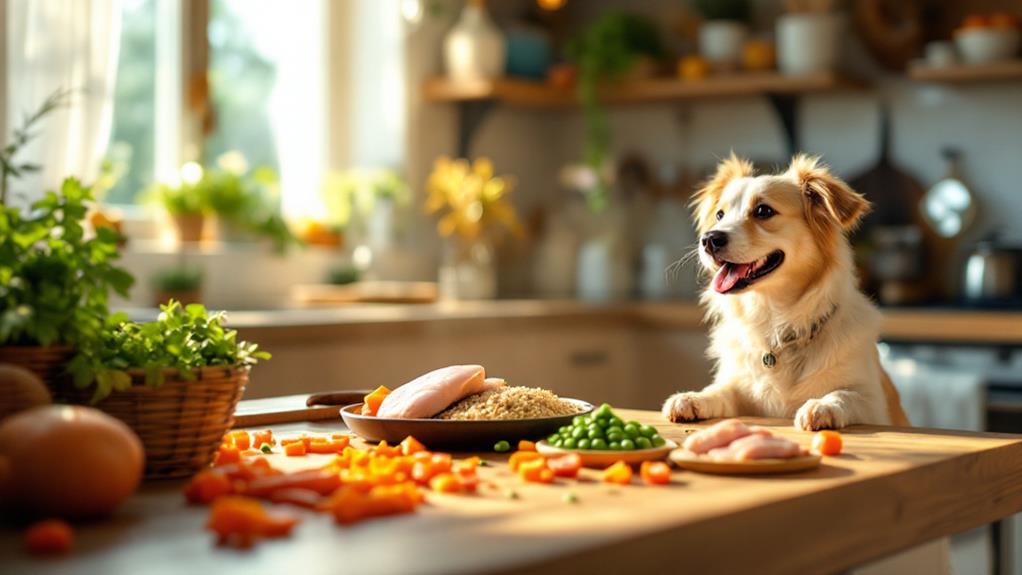
Making dog food at home gives you full control over what your pet eats, ensuring every meal is free from harmful additives. Start with lean proteins like ground turkey or chicken, add nutritious vegetables such as carrots and spinach, and include whole grains like brown rice for balanced nutrition. Mix in healthy fats from fish oil or flaxseed to support your dog's coat and joints. Always cool meals before serving and store leftovers properly. Remember to tailor portion sizes to your dog's maturity and activity. By exploring further, you'll uncover more on providing a nourishing diet tailored to your furry friend.
Benefits of Homemade Dog Food
Making your dog's meals at home offers several compelling benefits. When you opt for homemade dog food, you gain complete control over the ingredients, ensuring you avoid harmful additives and the risk of recalls that often plague commercial options. By choosing fresh ingredients, you improve the nutritional quality of your dog's diet, as they typically offer better digestibility and health benefits compared to processed alternatives. This means your pet is more likely to enjoy healthier eating habits and improved general well-being.
Customizable recipes are a significant advantage, as they allow you to cater to your dog's specific dietary needs and allergies. If your dog requires a particular nutrient profile or has food sensitivities, you can easily adjust their meals to meet these needs. This flexibility promotes better health outcomes and keeps your pet happy and satisfied.
Furthermore, making homemade dog food can be more cost-effective, especially when you purchase ingredients in bulk. Many dog owners report that their pets find homemade meals more palatable, leading to greater acceptance and enjoyment. This not only strengthens the bond between you and your furry friend but also contributes to their long-term health and happiness.
Essential Ingredients
Now that you're aware of the benefits of homemade dog food, let's focus on the key ingredients that make these meals wholesome and nutritious. Lean meats like ground turkey and chicken are the foundation of any homemade dog food recipe. They're packed with proteins necessary for muscle health and energy. To improve your dog's diet, add a variety of vegetables such as spinach, carrots, and zucchini. These veggies are rich in vitamins and minerals, enhancing immune function and overall vigor.
Don't overlook the significance of whole grains. Ingredients like brown rice and quinoa are excellent sources of carbohydrates, providing energy and dietary fiber for healthy digestion. Healthy fats are another important component. Incorporate fish oil and flaxseed to maintain your dog's skin and coat health while also promoting joint function.
Lastly, consider adding organ meat to your homemade dog food recipe. Organs like liver and kidney are packed with nutrients not found in regular meats, raising the nutritional value of the diet. With these fundamental ingredients, you're not just feeding your dog; you're nurturing their health and well-being in a natural and balanced way.
Recipe Preparation
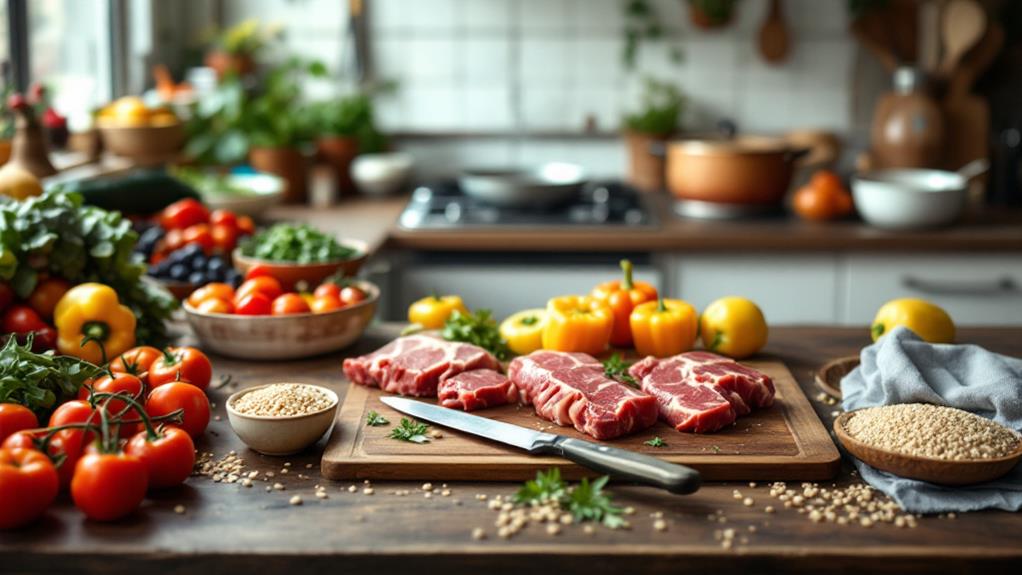
Preparing homemade dog food is a rewarding task that guarantees your furry friend gets the best nutrition possible. To start with, you'll need to combine ground turkey, brown rice, and the right mix of vegetables in a Dutch oven. This combination forms the base of your homemade recipe, making certain your dog receives a balanced diet. Make sure to mix everything thoroughly, so the ingredients are evenly distributed. This step is vital for maintaining consistency in every bite your dog enjoys at meal time.
Once your mixture is ready, bring it to a boil over high heat, then reduce to low heat and let it simmer for about 20 minutes. This process fully cooks the protein and grains, making it safe for your pet. After that, add frozen vegetables to the mix, cooking for an extra five minutes. This guarantees they're heated through and blend well with the other ingredients.
Before serving, allow the dog food to cool completely. This prevents burns and guarantees safe feeding. Ultimately, portion the cooled food into single servings. Store leftovers in airtight containers in the fridge or freezer, keeping future meal times just as convenient.
Cooking Instructions
After gathering your ingredients during the preparation phase, it's time to focus on cooking instructions to confirm the meal is just right for your dog. Start by combining ground turkey, water, rice, and rosemary in a Dutch oven. Stir until the turkey is evenly distributed throughout the mixture. This step is essential, as it guarantees an even cook and flavor distribution, setting a solid foundation for your homemade dog food.
Next, bring the mixture to a boil over high heat. Once boiling, reduce the heat to low and let it simmer for 20 minutes. This allows the turkey to cook thoroughly and the rice to absorb the flavors. Keep an eye on the pot, stirring occasionally to prevent sticking.
After 20 minutes, introduce the frozen vegetables to the Dutch oven. Cook everything together for an extra 5 minutes, allowing the vegetables to soften yet retain their nutritional value. Once done, remove the pot from heat.
Let the dog food cool completely to avoid burns. Once cooled, portion the recipe into single servings. Label each portion with the date, and freeze for future use. This makes cooking for your dog convenient and guarantees a fresh, healthy meal every time.
Serving Suggestions
When serving homemade dog food, it's vital to tailor portion sizes to your dog's specific needs and activity levels. Large breed dogs typically require around 2 cups of homemade dog food in the morning and evening. However, the exact serving size should be adjusted based on your dog's individual needs. Always serve homemade dog food at room temperature to prevent digestive issues and make it more appealing for your pet.
Consider enhancing the meal's variety by mixing in a small amount of kibble or dog-friendly fruits. This not only adds flavor but also guarantees your dog receives a balanced mix of vitamins and minerals. Monitoring your dog's weight and health is significant. Keep an eye on any changes in their weight and energy to determine if adjustments to the serving size or ingredients are necessary.
Consult with your veterinarian to receive personalized feeding recommendations. They can help make certain your dog's nutritional needs are met effectively, especially regarding vitamins and minerals. By paying attention to these details, you'll provide a satisfying and nutritious meal that supports your dog's health and well-being.
Nutritional Information
Guaranteeing your dog's meal is both satisfying and nutritious involves understanding the nutritional composition of homemade dog food. To create a balanced diet, aim for a mix of 50% protein, 25% vegetables, and 25% grains. High-quality protein sources like turkey or chicken are important, providing necessary amino acids. Incorporate healthy fats from oils or fish, while carbohydrates from grains like brown rice offer energy.
It's significant to reflect on your dog's daily caloric intake, which varies by size and activity level. For instance, large breeds might need around 2,000 calories daily, but this should be adjusted based on their health and weight. Consulting a veterinarian can help tailor the homemade dog food to meet specific needs, guaranteeing your pet receives all required nutrients.
Nutritional supplements, such as calcium and necessary vitamins, might be required to fill any gaps in the diet. These supplements guarantee that homemade recipes provide a complete and balanced diet, supporting your dog's general health and vitality. Remember, each dog is unique, and their dietary needs can vary, so regular vet check-ups are important to maintaining their well-being.
Storage Tips
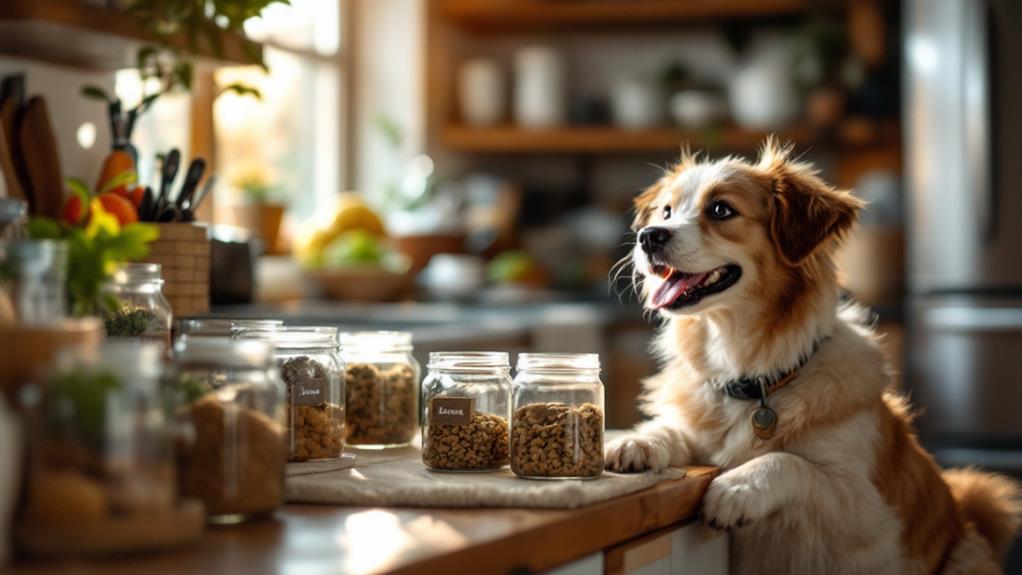
Preserve your homemade dog food's freshness by storing it in airtight containers in the refrigerator, where it stays good for 3-4 days. This method guarantees your pet enjoys the best quality meals without losing crucial nutrients. When making dog food at home, you want to keep it as fresh as possible for your furry friend.
For longer storage, divide the food into single-serving frozen portions. Freeze these portions promptly, and aim to use them within 2 months to maintain peak quality. Don't forget to label each frozen container with the preparation date to track freshness and verify you're not serving expired food.
When you're ready to use the frozen portions, defrost them in the refrigerator overnight. This gradual thawing helps retain the food's integrity and flavor. Once defrosted, reheat the portions in the microwave for 15-30 seconds, but be careful they're not too hot for your dog. Always allow the food to cool down to room temperature before serving, as this prevents any potential digestive issues. By following these storage tips, you'll guarantee that your pet always enjoys tasty and nutritious meals.
Monitoring Your Pet's Health
After mastering storage techniques for homemade dog food, it's vital to focus on monitoring your pet's health. Shifting your dog to a homemade food diet requires vigilance to guarantee their well-being. Start by scheduling regular vet check-ups. These visits are fundamental for checking your dog's overall health and confirming their diet remains balanced. Your vet can help spot any nutritional deficiencies early on.
Keep track of your dog's weight and body condition score. Weekly weight checks can be an effective way to catch any unintended weight loss before it becomes a problem. If you notice any sudden changes, consult your vet immediately.
Watch for gastrointestinal issues like vomiting or diarrhea. These could indicate that the new diet isn't agreeing with your dog's system. If symptoms persist, a vet visit should be your next step. Furthermore, be attentive to any changes in behavior or appetite, as they can signal underlying issues.
Don't overlook urinary tract health. Monitor your dog's urinary pH, aiming for a normal level around 6.5. Diet can notably affect urinary health, so tracking this can prevent potential problems. With vigilance, you can guarantee your pet thrives on their homemade diet.
Nutritional Supplements
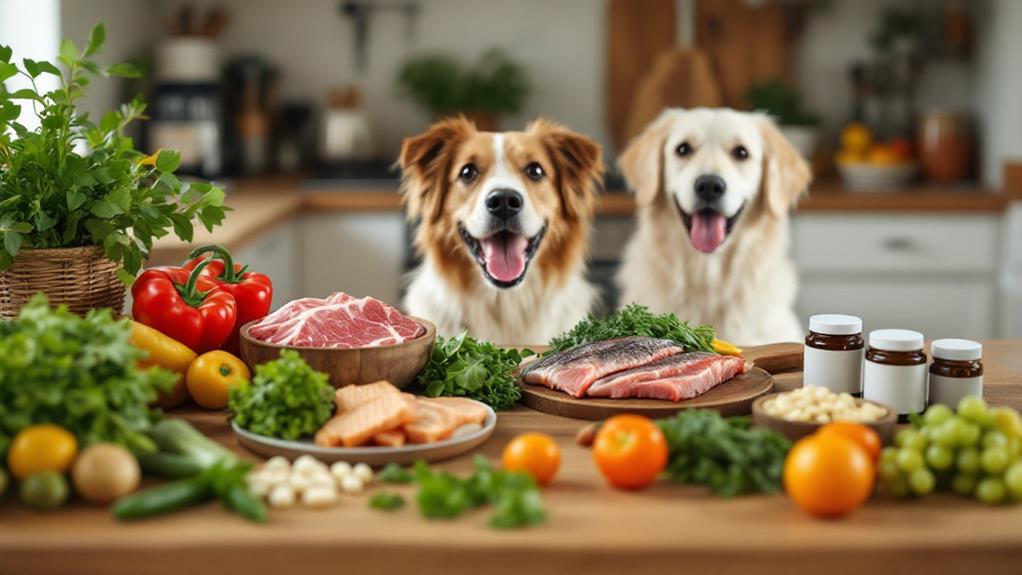
Incorporating nutritional supplements into your dog's homemade diet is fundamental for maintaining a balanced nutritional profile. Dogs need a variety of vitamins and minerals that might not be present in every ingredient you use. For instance, calcium is a significant supplement, often sourced from ground eggshells or commercial calcium powders, to support bone health and prevent deficiencies. Without adequate calcium, your dog could face skeletal issues over time.
Omega-3 fatty acids are another essential inclusion, typically derived from fish oil or flaxseed oil. These nutrients play a notable role in promoting healthy skin and coat, reducing inflammation, and supporting general well-being. Including omega-3 fatty acids in your dog's diet can lead to noticeable improvements in their coat's shine and skin health.
Probiotics are also significant for maintaining digestive health. They help improve gut flora and aid in nutrient absorption, especially after dietary changes. This can be particularly beneficial in homemade diets where ingredient variations might challenge your dog's digestive system.
Always consult with a veterinarian to tailor the use of nutritional supplements based on your dog's specific health needs and dietary requirements. This guarantees thorough and safe nutritional coverage, keeping your pet healthy and happy.
Common Mistakes to Avoid
When changing to homemade dog food, people often make several common mistakes that can impact their pet's health. Initially, it's vital to consult your vet before making the change. Without professional guidance, you risk creating nutritional imbalances that could harm your dog. Your vet can help you design a balanced meal plan tailored to your pet's needs.
Next, be diligent about measuring ingredients. Eyeballing portions can lead to an unbalanced diet, affecting your dog's wellbeing. Verify you're including a variety of protein sources, necessary fats, and carbohydrates. Relying on a single protein source might not provide all the important nutrients your dog needs for peak health and energy.
Pay attention to your dog's reactions when introducing new ingredients. Ignoring signs of allergies or intolerances can worsen health issues. Watch for symptoms like itching, vomiting, or diarrhea, and consult your vet if you notice any issues.