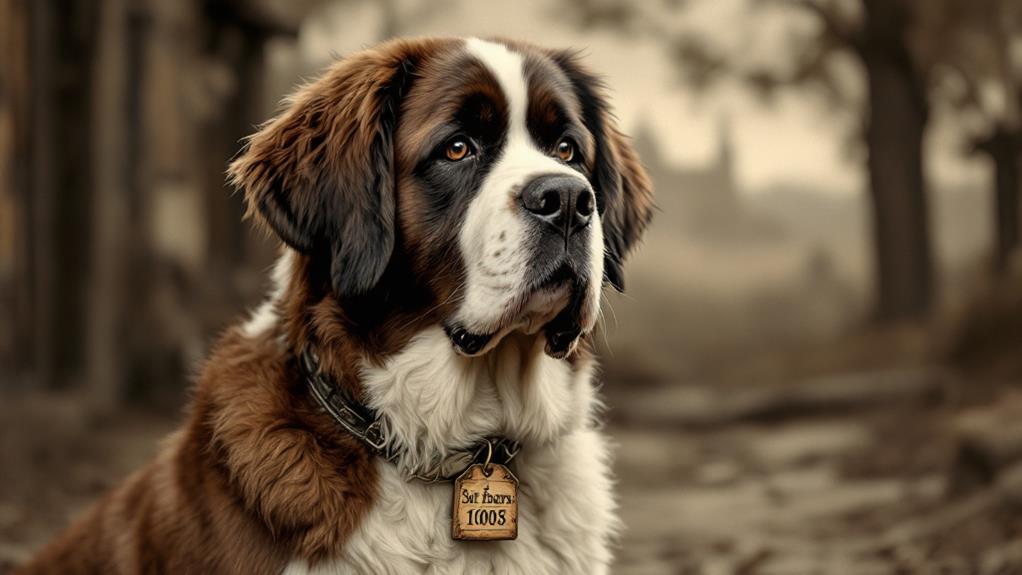
Lhasa Apso: The Smart and Small Tibetan Companion Dog

You'll love the Lhasa Apso, a smart and small breed that hails from the Tibetan monasteries. These dogs were once cherished by monks as guardians, alerting to danger with their keen senses. Their regal demeanor is matched by their charming personality and protective instincts, making them excellent watchdogs for any home. With a compact size and luxurious coat requiring regular grooming, they thrive in different living conditions, including apartments. Known for their independence, early socialization is key to tempering their territorial nature. You'll uncover more about their remarkable expedition and endearing traits as you investigate further.
Historical Significance in Tibet
Lhasa Apso's historical significance in Tibet is deeply rooted in the culture and beliefs of the Tibetan people. For over a thousand years, Tibetan monks bred Lhasa Apsos primarily for companionship and as sentinel dogs to protect Tibetan monasteries and palaces. These dogs weren't just pets; they were considered guardians, alerting monks to any potential threats. Their role extended beyond physical protection. They were symbolically linked to the Snow Lion, Tibet's national emblem, embodying courage and strength.
In Tibetan Buddhism, Lhasa Apsos were believed to house the souls of deceased lamas, offering a spiritual connection to reincarnation. This belief raised their status within the Tibetan society, making them more than just a breed type; they became sacred beings. The breed's origin myth, involving a winged goddess, further solidified their divine connection.
Lhasa Apsos were regarded as national jewels, forbidden to be sold. Instead, they were gifted, often by the Dalai Lama himself, which led to their introduction to the Western world in the early 20th century. This exchange underscored the breed's esteemed status, as only the most trusted were deemed worthy of receiving such a precious gift.
Physical Traits and Characteristics
With their compact size and sturdy build, Lhasa Apsos stand out as a unique and adaptable breed. These dogs typically reach a height of 10 to 11 inches and weigh between 12 to 18 pounds. Despite their small size, they exhibit a presence that's both confident and regal. One of their most striking physical traits is their long, dense double coat. This luxurious fur can be straight or wavy and comes in an array of colors, including black, brown, cream, and white. The coat requires regular grooming to keep it looking its best, but it's worth the effort for the beautiful appearance it imparts.
Their broad muzzle and large lungs are significant adaptations, allowing them to thrive in high-altitude environments like those found in their native Tibet. Lhasa Apsos are also recognized for their well-feathered hanging ears and a distinctive corkscrew tail that curls over their back. These features contribute to their unique appearance, setting them apart from other breeds. Despite their small stature, Lhasa Apsos often carry themselves like much larger dogs, displaying a playful and affectionate nature with their families, making them beloved companions in any household.
Purpose and Roles

Historically, Tibetan monks bred Lhasa Apsos as sentinel dogs, a role that highlights their intelligence and keen ability to distinguish between friends and foes. These small yet mighty dogs were entrusted with guarding sacred monasteries and palaces, showcasing their protective instincts and loyalty. Their keen sense of hearing allowed them to detect intruders, making them invaluable to the monks who relied on them for security.
In modern times, your Lhasa Apso dog retains those same instincts, making them excellent at fulfilling watchdog roles in homes and apartments. They combine their protective nature with vocal communication, alerting their loyal family to any potential threats. If you're looking for a dog that will warn you of approaching strangers, a Lhasa Apso is a perfect choice. They stay true to their roots, where their sacred role as a watchdog was intertwined with their ability to offer companionship.
Their historical significance as guardians evolved into their current status as cherished family pets. This adaptability, alongside their enduring popularity, makes them a beloved choice for households seeking a loyal, protective, and intelligent companion. Your Lhasa Apso will be both a vigilant guardian and a loving family member.
Journey to America
The Lhasa Apso's expedition to America began in 1933 when Charles Suydam Cutting received these cherished dogs as gifts from the Dalai Lama. Cutting, the initial Westerner to enter Lhasa in 1928, was instrumental in introducing Lhasa Apsos to the American public. As national jewels in Tibet, Lhasa Apsos were rarely seen outside their homeland, making their arrival in America a significant event. These dogs quickly captured the hearts of many as beloved companion dogs.
Here's a quick breakdown of how the Lhasa Apso's presence in America unfolded:
- Arrival in 1933: The initial Lhasa Apsos reached the U.S. as gifts to Charles Suydam Cutting.
- Breeding Lines: Cutting established the initial breeding lines, helping to maintain the breed's unique traits.
- AKC Recognition: In 1935, the American Kennel Club officially registered the initial Lhasa Apso, marking a formal acceptance.
- Popularity Surge: Their introduction led to a rise in popularity, with these dogs finding homes as cherished companions across America.
Through Charles Suydam Cutting's efforts, Lhasa Apsos evolved from Tibetan jewels to adored American companions, enriching countless lives in the process.
Temperament and Behavior

Although small in stature, Lhasa Apsos possess a confident and independent temperament that often gives them a regal air. They're not just small dogs; they're small dogs with big personalities. Their behavior is marked by a playful and affectionate nature when they're with family, yet they can be aloof with strangers. Don't be surprised if your Lhasa Apso uses its impressive vocal talents to alert you to any potential intruders. This breed's protective instincts make early socialization crucial, as it helps mitigate any territorial or possessive tendencies, especially around food and toys.
Lhasa Apsos thrive on regular mental and physical stimulation, so make sure they get enough playtime and activities to keep boredom and destructive behavior at bay. Their lively disposition means they're happiest when engaged. They often form strong bonds with other pets they're raised with, but be cautious around unfamiliar dogs. Supervision is key since they can be jealous at times. Fundamentally, if you provide your Lhasa Apso with the right environment and early socialization, you'll enjoy a loyal, loving companion who's both regal and down-to-earth in behavior.
Health and Grooming Needs
Caring for a Lhasa Apso involves a commitment to their detailed health and grooming needs. Their long, dense coats demand daily grooming to prevent matting, and a trip to a professional groomer every 4-6 weeks helps keep their appearance pristine. Bathing should be done every 1-2 weeks to maintain fur health and cleanliness. Besides grooming, staying on top of health concerns is essential. Regular vet check-ups are necessary to monitor for common issues like hip dysplasia and eye problems.
Dental care is another significant aspect of their health routine. Due to their brachycephalic structure, Lhasa Apsos are prone to dental issues, so you should brush their teeth several times a week. Here's a quick checklist to help you manage their health and grooming needs effectively:
- Grooming: Daily at home, plus professional grooming every 4-6 weeks.
- Bathing: Every 1-2 weeks to guarantee a clean, healthy coat.
- Dental Care: Brush teeth multiple times weekly to prevent dental issues.
- Exercise: Provide 30 minutes of daily activity, like walks or playtime.
Lastly, make certain they have access to fresh water at all times to promote proper hydration.
Training and Exercise Routines

For Lhasa Apsos, effective training and regular exercise are key to a well-rounded and happy pet. Their independent and sometimes stubborn nature means you'll need consistent and patient training methods. Start with early socialization and obedience training to guarantee good behavior. Focus on basic commands like sit, stay, and come. Use positive reinforcement techniques, like treats or praise, to encourage desired behaviors. Lhasa Apsos respond well to rewards, making positive reinforcement a powerful tool in your training arsenal.
Daily exercise is crucial to keep your Lhasa Apso mentally and physically stimulated. Aim for around 30 minutes of activity each day. This can include walks and play sessions. Engaging activities like fetch or agility exercises help channel their energy positively, preventing boredom-related behaviors. These activities not only offer physical exercise but also strengthen the bond between you and your dog.
Consider crate training, which provides a sense of security when your Lhasa Apso is left alone. It reduces anxiety and helps them feel comfortable and safe. Remember, patience and consistency are fundamental. With the right approach, your Lhasa Apso will thrive in a structured and loving environment.
Ideal Living Conditions
Adapted to apartment living, Lhasa Apsos thrive in compact spaces, standing just 9-11 inches tall and weighing between 12-18 pounds. This makes them perfect for small dog ownership, especially in urban settings. Their moderate energy levels require only about 30 minutes of exercise daily, so a walk around the block or a quick play session suffices. These dogs have an independent yet loyal nature, allowing them to be alone for half a day, provided they have toys to stay occupied.
To guarantee your Lhasa enjoys ideal living conditions, consider the following:
- Noise Management: Lhasas can be vocal. Take into account shared walls or close neighbors.
- Socialization: Early exposure to diverse environments and consistent training will develop their confidence and manners.
- Exercise Routine: Stick to daily exercise, even if it's just indoors, to keep them healthy and happy.
- Breeder Choice: Opt for reputable Lhasa Apso breeders who prioritize health and temperament.