Lapponian Herder: the Intelligent Reindeer-Herding Dog From Scandinavia
Meet the Lapponian Herder, a loyal and intelligent companion from Scandinavia, developed by the Sami people specifically for herding reindeer. This medium-sized dog stands 18 to 20 inches tall, weighing under 70 pounds, and lives around 10 to 14 years. With its sturdy physique and double coat, it thrives in cold environments. These energetic dogs need regular exercise and mental stimulation to channel their herding instincts positively. They're also affectionate family pets, though early socialization is key. Vigilant care guarantees their long-term health and happiness, making them a fascinating breed worth exploring further.
Breed Overview
Meet the Lapponian Herder, a medium-sized dog that's as intelligent as it is energetic. As part of the herding breeds, this dog was originally developed by the Sami people specifically for reindeer herding. It stands between 18 to 20 inches tall and typically weighs under 70 pounds, making it a versatile partner in managing livestock. The Lapponian Herder is renowned for its exceptional problem-solving abilities and boundless energy. You'll find that it requires regular physical and mental stimulation to stay happy and healthy.
This breed is not just about work, though. It's got a life expectancy of 10 to 14 years, meaning you'll have a loyal companion for quite some time. Despite its ancient origins dating back to at least 1674, the Lapponian Herder faced a significant population decline during WWII. Thankfully, efforts to preserve this breed have kept it going strong. It's classified under the Foundation Stock Service by the American Kennel Club (AKC), which supports its continued development and recognition. If you're interested in a dog that's both a skilled worker and a loving pet, the Lapponian Herder might just be your perfect match.
Physical Characteristics
In relation to the Lapponian Herder's physical characteristics, you'll notice its medium-sized, athletic build. Standing between 18 to 20 inches tall at the withers and typically weighing under 70 pounds, this breed showcases a sturdy physique. Their deep, long chest and slightly longer body than their height provide them with a well-muscled appearance ideal for their reindeer-herding duties in Scandinavia.
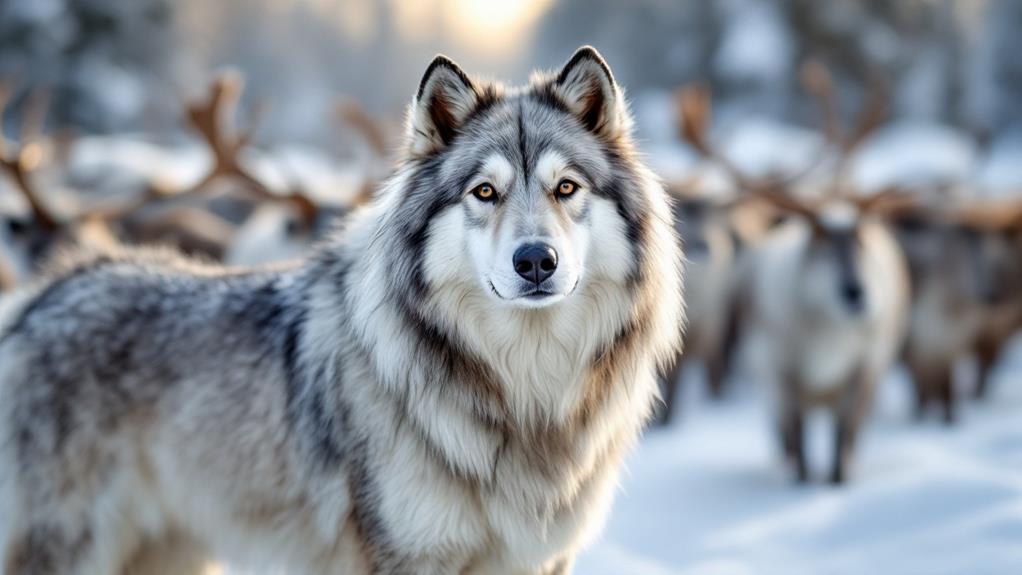
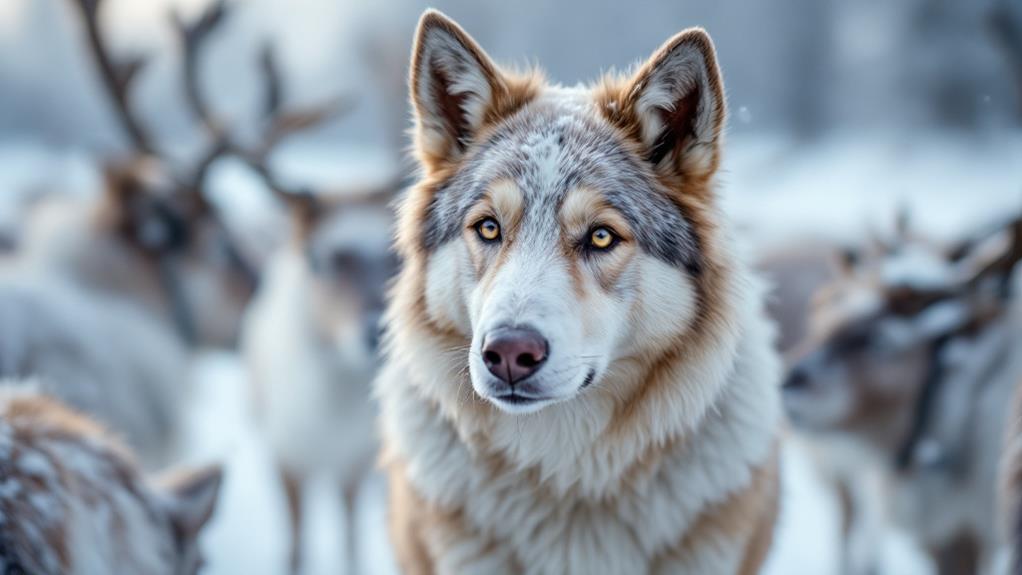
The Lapponian Herder's coat is one of its most distinctive features. It has a double coat that serves as excellent insulation against the harsh cold. The coat consists of a fine, dense undercoat and medium to long straight outer hairs. This combination not only provides warmth but also protects against the elements, making it perfect for the breed's working environment. The coat colors vary, including shades like black, dark gray, brown, and occasionally red-brown, often accented by lighter markings on the head and lower body.
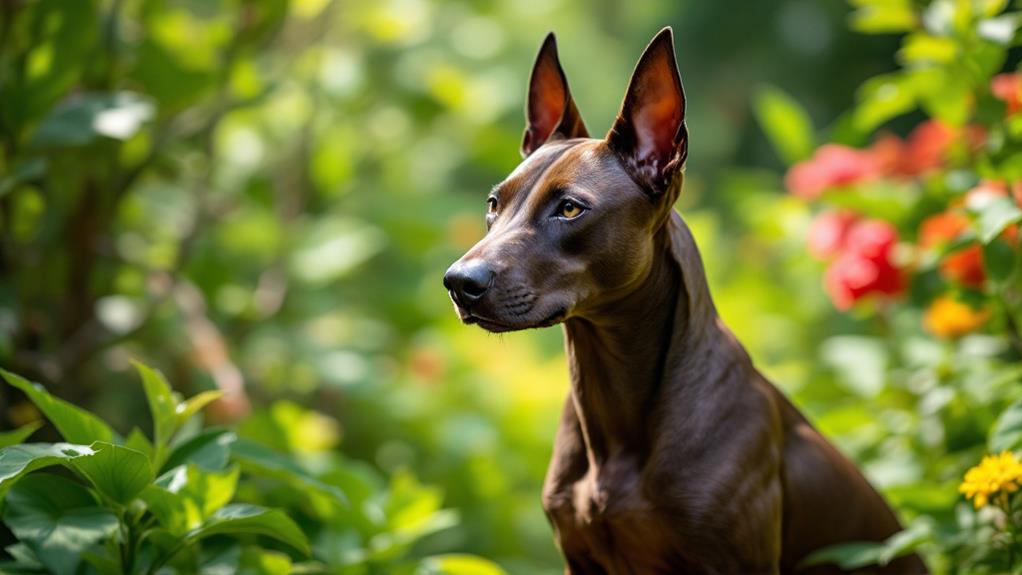
Facial features of the Lapponian Herder include an erect, tapered muzzle and medium-length pricked ears, giving them an alert, intelligent expression. These characteristics contribute to the breed's unique appearance and functionality as a herding dog.
Temperament and Behavior
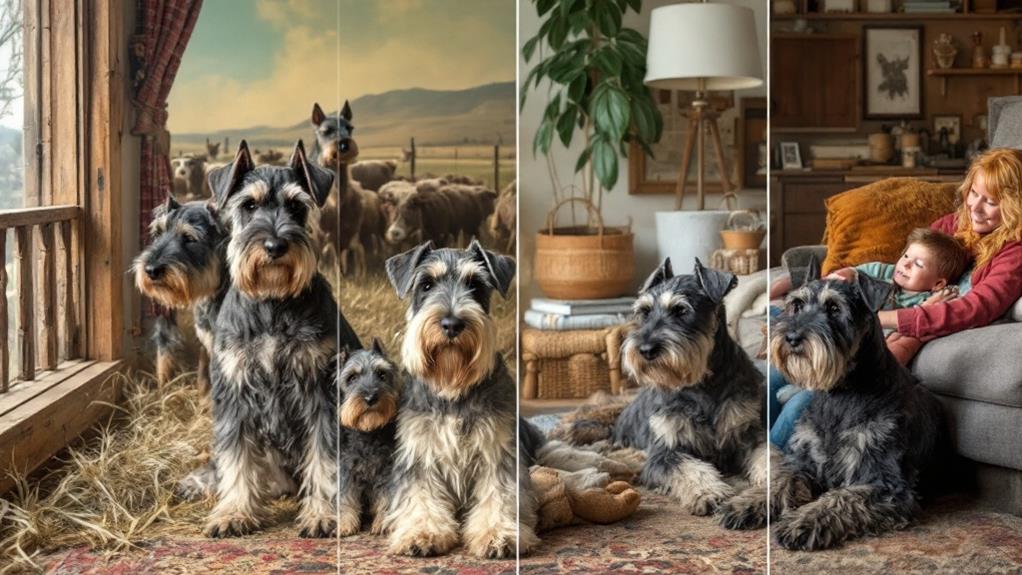
How does the Lapponian Herder's temperament reflect its history as a working dog? This breed's loyal and affectionate temperament makes it an ideal family companion, especially gentle with older children. However, its strong herding instinct can lead to attempts at herding children and smaller pets, so supervision during interactions is vital. These dogs are vocal, often barking to express excitement or alertness, which might not suit apartment living due to noise levels.
A Lapponian Herder's high energy is a reflection of its working past, requiring regular exercise to stay happy and healthy. They excel when given tasks that challenge their intelligence and physical abilities. Engaging them in activities such as agility training or herding exercises can keep them mentally stimulated and physically fit.
Socialization plays a significant role in a Lapponian Herder's development. Starting socialization early helps them become well-adjusted adults. They can struggle with loneliness, leading to potential destructive behaviors if left alone for too long. Ensuring they have plenty of interaction and companionship can prevent these issues. In summary, their temperament and behavior reflect their history as hardworking, intelligent dogs that thrive on activity and social connection.
Historical Background
The Lapponian Herder has a rich historical background rooted in the traditions of the Sami people of Lapland, Scandinavia. This ancient breed was developed by the Sami to assist in the herding and guarding of reindeer, a vital aspect of their way of life. With origins dating back to as early as 1674, the Lapponian Herder has played a significant role in the reindeer herding culture of this region. These dogs were fundamental for managing and protecting herds across the harsh landscapes of Lapland.
World War II, however, posed a significant threat to the Lapponian Herder population. The breed's numbers dwindled during this tumultuous period, prompting dedicated efforts in the 1950s to revive and restore these remarkable dogs. Thanks to the commitment of breeders, the Lapponian Herder was salvaged from the brink of extinction. In 1966, the Finnish Kennel Club officially recognized the Lapponian Herder as a distinct breed, setting it apart from closely related breeds like the Finnish Lapphund.
Known as Lapinporokoira in Finnish, the Lapponian Herder's name reflects its deep connection to the Sami community and its irreplaceable role in reindeer herding practices throughout history.
Care and Maintenance
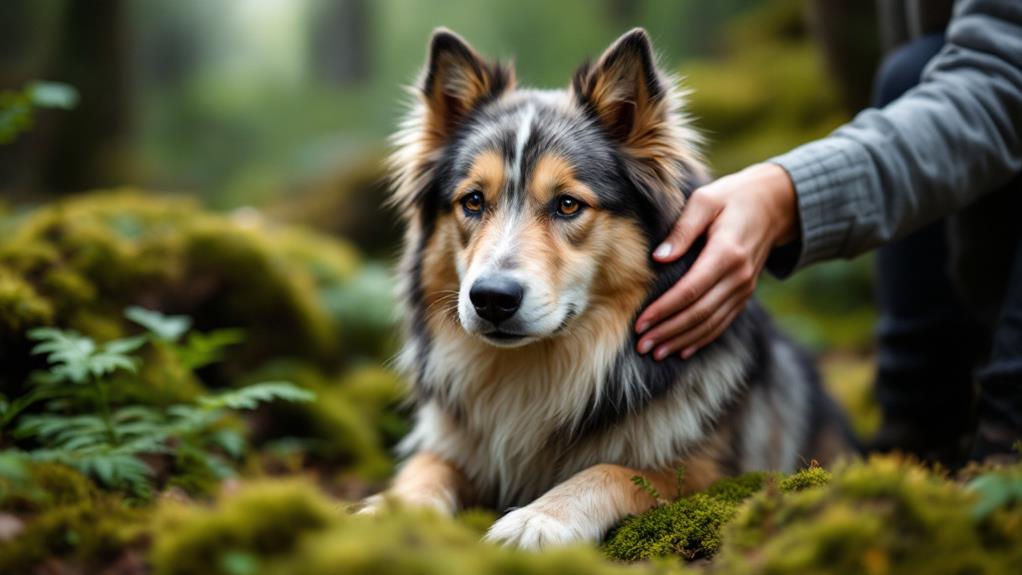
Caring for a Lapponian Herder involves a commitment to meeting its physical and mental needs. To keep your herder healthy and active, provide a high-quality, protein-rich diet suitable for its energetic lifestyle. Be mindful of its food intake to prevent obesity, as this breed thrives on maintaining a lean physique.
Grooming is another vital aspect of their care. Regular brushing helps prevent matting, especially during shedding seasons when you might need to groom daily. This not only keeps their coat healthy but also strengthens your bond with your dog.
Exercise is critical for the Lapponian Herder. Plan for at least an hour of vigorous activity each day. This can include outdoor adventures, structured play, or even agility training. Such activities not only fulfill their need for physical exertion but also keep them mentally stimulated.
Engage their intelligent minds with positive reinforcement training and early socialization. These methods prevent stubborn behavior and instill good manners. To further combat boredom, introduce puzzle toys or interactive games into their routine. These activities will keep your Lapponian Herder engaged and satisfied, ensuring a happy and well-balanced companion.
Health Considerations
As you guarantee your Lapponian Herder's physical and mental well-being through proper care, it's likewise significant to focus on their health considerations. These intelligent dogs can live between 10 to 14 years, but to optimize their lifespan, you must address potential health concerns proactively. They're prone to genetic health conditions like Canine Multifocal Retinopathy 3 (CMR3) and Progressive Retinal Atrophy (PRA), both of which can affect their vision. Regular veterinary check-ups are essential to monitor these issues, and genetic testing can provide early detection, allowing for timely intervention.
A high-quality, protein-rich diet tailored to their energy needs is critical for maintaining your Lapponian Herder's health and vitality. This guarantees they have the necessary nutrients to support their active lifestyle and general well-being. Furthermore, regular grooming sessions are fundamental, especially during shedding seasons. This helps prevent matting and maintains the health of their thick double coat, which is crucial for their protection against the elements.
Training and Socialization
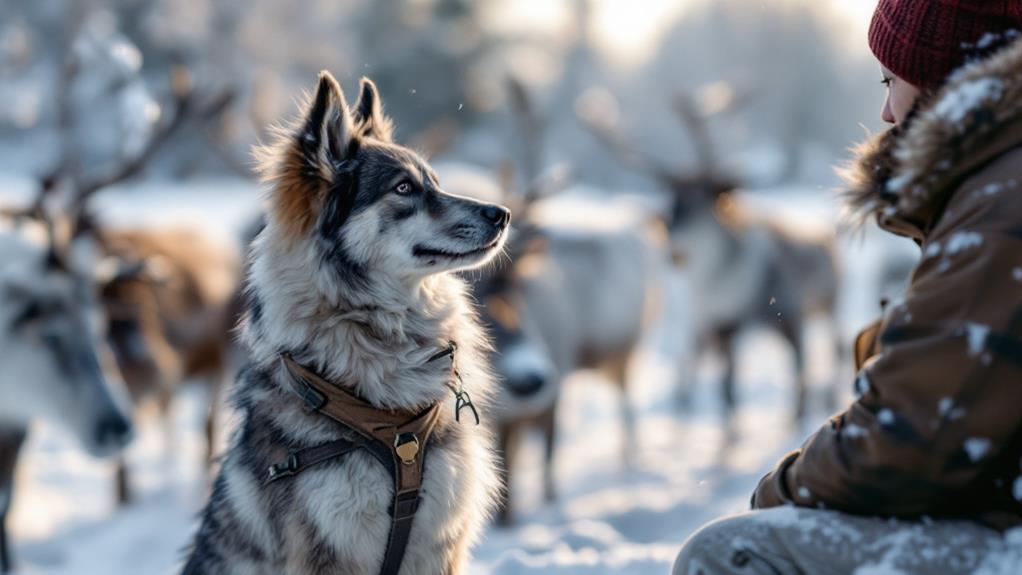
Successfully training and socializing your Lapponian Herder is essential to harness their intelligence and energetic nature. This breed's keen mind responds well to consistent training methods, particularly those using positive reinforcement. They're enthusiastic to please, making them quick learners when you establish clear boundaries and rules. Without these, their energetic nature might lead to stubbornness. Early socialization is just as important. Lapponian Herders can be wary of strangers and might try to herd small children or pets. Regularly exposing them to different environments and experiences will guarantee they grow into well-adjusted adults, ready to thrive in diverse situations.
Daily mental stimulation is a necessity for this active breed. Engage them with puzzle toys and obedience exercises to prevent boredom, which can lead to destructive behavior. Mental challenges keep them engaged and happy, allowing their intelligence to shine. Incorporating these activities into your routine will not only satisfy their need for mental stimulation but also strengthen your bond with your Lapponian Herder. By committing to thorough training and socialization, you'll help your dog become a confident, well-behaved companion, capable of handling whatever life throws their way.
Adaptability and Living Conditions
Adapting a Lapponian Herder to your living environment requires understanding their needs and tendencies. This breed is remarkably adaptable to different settings, including apartments, if you provide them with sufficient exercise and mental stimulation. Their energetic nature demands at least an hour of vigorous exercise daily. Without it, they might become bored and develop destructive behaviors that could disrupt your home.
If you're considering apartment living, remember their vocal tendencies. They can be quite the barkers, so it's essential to think about your neighbors. Proper training and socialization from a young stage can help manage these tendencies, making them more adaptable and well-behaved in shared spaces.
While the Lapponian Herder can fit into many living situations, they may not be the best choice for households with young children due to their natural herding instincts. However, they truly thrive in active families that can engage them both physically and mentally. By focusing on consistent exercise, training, and socialization, you can guarantee that your Lapponian Herder adapts well to your living conditions, creating a harmonious environment for both you and your dog.