Lancashire Heeler: The Vigorous and Intelligent Farm Dog
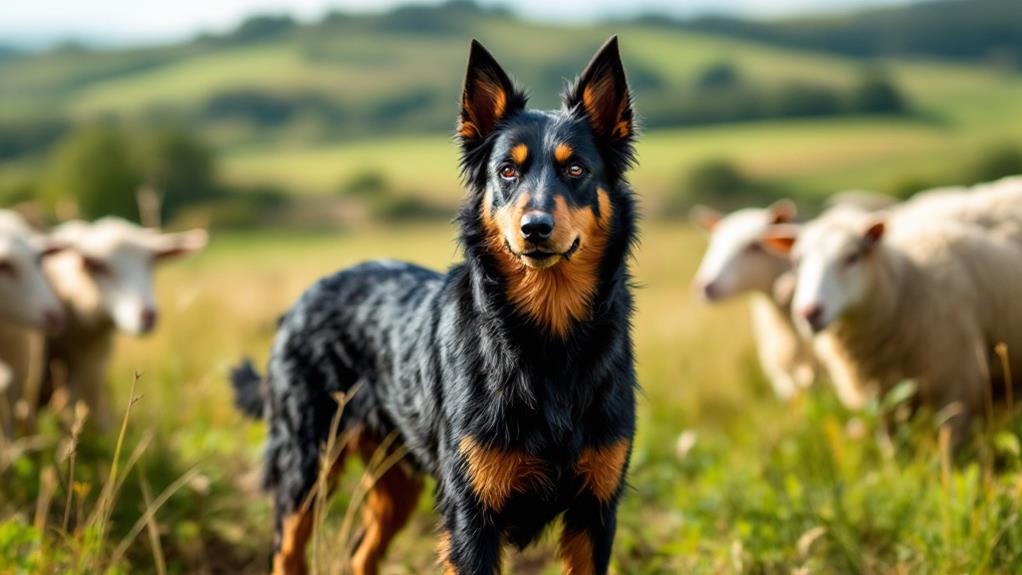
You'll find the Lancashire Heeler to be a vigorous and intelligent farm dog, developed in the 1700s in Great Britain for herding and pest control. This small yet robust breed, likely a mix of Dachshunds and Black and Tan Terriers, weighs between 9 to 17 pounds and boasts a weather-resistant coat. Heelers are lively and sociable, making them excellent family companions. Their intelligence aids quick learning, but they can be stubborn, so early training is key. Regular exercise and mental stimulation are a must. As you investigate, you'll uncover more about their unique characteristics and care needs.
Breed History and Development
The Lancashire Heeler's history is steeped in the pastoral landscapes of Great Britain, where it emerged in the 1700s. This breed was developed for herding livestock and pest control on the farms of Lancashire. Likely a cross between Dachshunds and Black and Tan Terriers, the Heeler's agility and intelligence made it an essential asset to farmers seeking efficient workers.
In 1978, enthusiasts established the Lancashire Heeler Club, and by 1981, The Kennel Club officially recognized the breed. Despite its hardiness, the Lancashire Heeler was designated a vulnerable native breed in 2003 due to a small gene pool and the presence of genetic disorders. This status underscored the significance of maintaining a healthy lineage, leading breeders to focus on preserving the breed's standards and vigor.
Recognition continued to grow with the United Kennel Club granting it status in 2009. By 2016, Lancashire Heelers were eligible for herding competitions, showcasing their skills beyond traditional farm work. As a lover of this breed, understanding its history helps you appreciate the dedication required to preserve its unique characteristics while ensuring its future remains robust and healthy.
Physical Characteristics
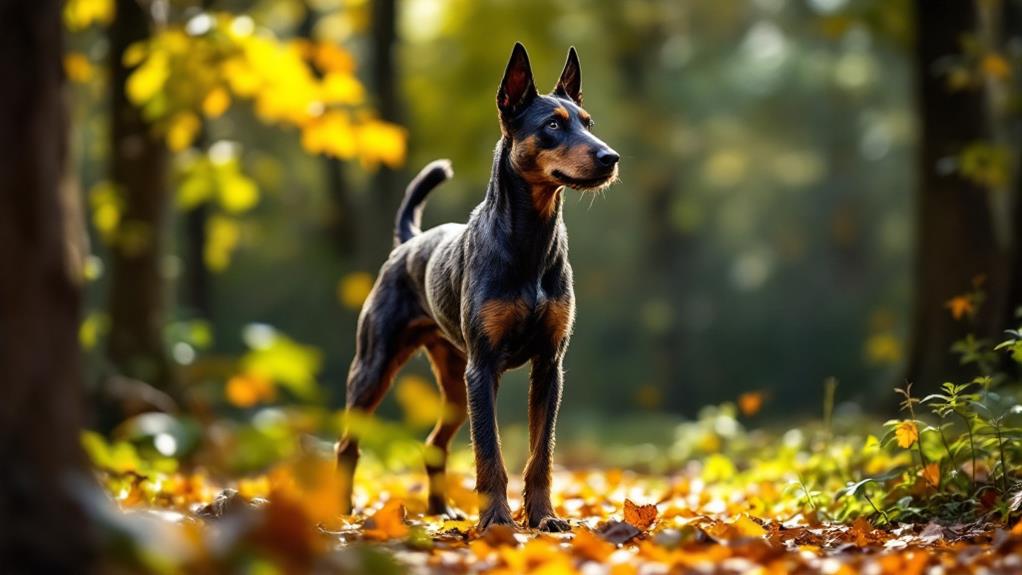
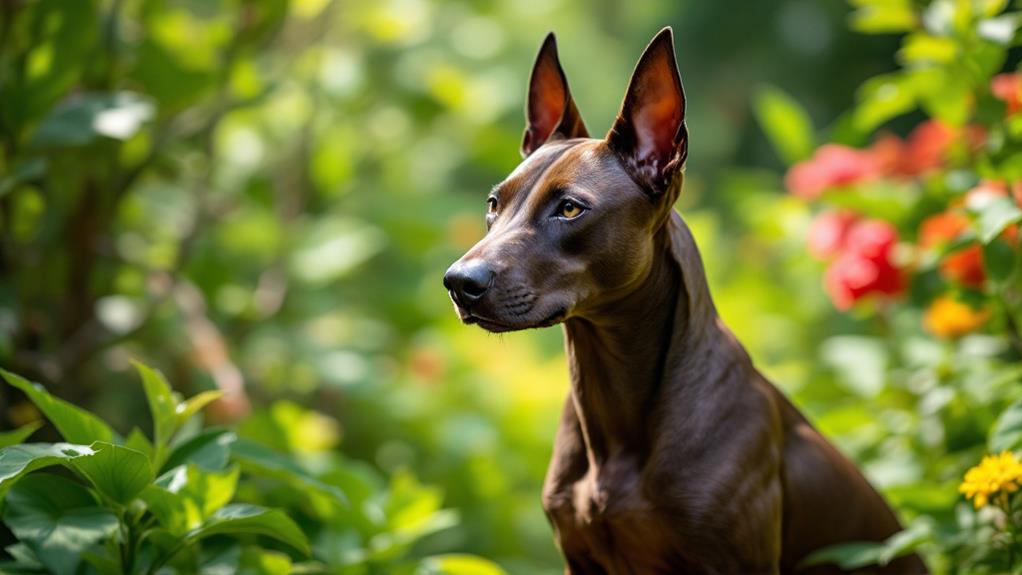
When you initially encounter a Lancashire Heeler, its compact and sturdy frame immediately stands out. As a small breed, it typically weighs between 9 to 17 pounds and stands 10 to 12 inches tall. This intelligent dog is built for action, with a robust and sturdy build that supports its renowned herding capabilities. The Heeler's coat is short, smooth, and weather-resistant, usually appearing in striking black and tan or liver and tan combinations. This coat requires minimal grooming, making it a practical choice for those who appreciate low-maintenance pets.
The Lancashire Heeler's distinguishing features include a tapering face, almond-shaped eyes, and trapezoidal, upright ears that contribute to its alert appearance. These physical traits not only improve its keen observation skills but also signify its readiness for different physical activities and performance sports. The breed boasts well-padded paws and a high, curved tail, which are crucial for its agility. These features make it adept at herding and other active pursuits.
With a lifespan of 12 to 15 years, the Lancashire Heeler is a long-lived companion, ready to engage in plenty of energetic adventures throughout its life.
Temperament and Behavior
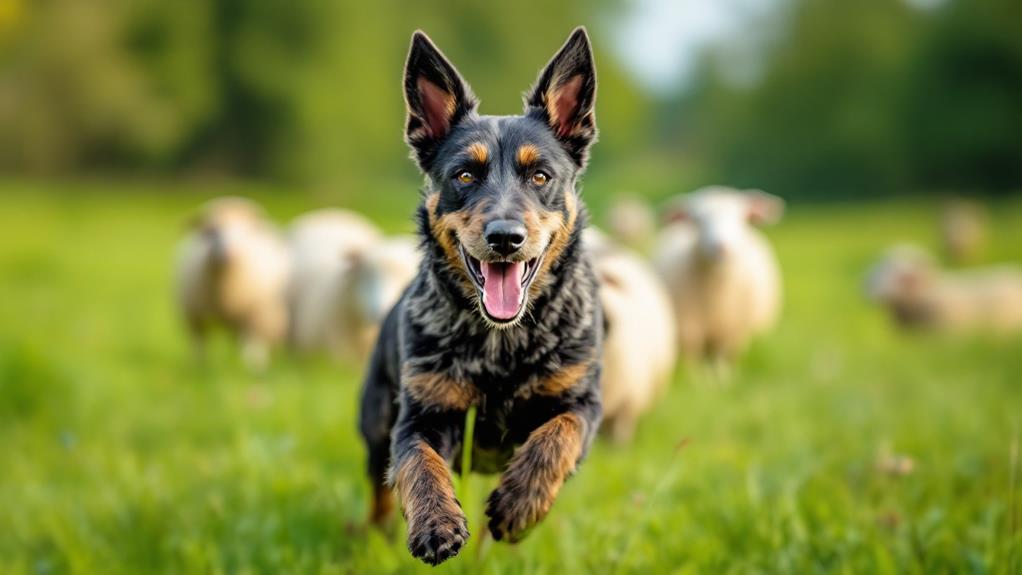
Beyond their sturdy physical attributes, Lancashire Heelers captivate with their lively temperament and behavior. Their sociable nature makes them excellent companions, especially in families with responsible children. You'll find that their intelligence shines through as they quickly learn new skills, though their stubborn streak can make training a bit of a challenge. To navigate this, consistent and positive reinforcement is key.
These dogs possess a natural herding instinct, which might manifest as nipping behavior. Early training and socialization are crucial to manage this trait effectively. Their cheerful disposition is often on full display when they flash the famous "Heeler smile." However, while they are generally friendly, they can be apprehensive around strangers and occasionally aggressive towards other dogs. This underscores the importance of careful socialization from a young period to help them feel more comfortable in different situations.
As you integrate a Lancashire Heeler into your home, be mindful of their unique behavioral traits and work to guide their instincts through structured training. By fostering positive experiences and setting clear boundaries, you'll nurture a loyal and joyful companion who thrives within your family.
Training and Exercise
Lancashire Heelers brim with energy and curiosity, making daily exercise a must to keep them healthy and happy. Their high energy levels mean they need 30 minutes to an hour of physical activity each day. Long walks, runs, and play sessions are perfect for burning off energy. But don't forget, these dogs also thrive on mental stimulation. Incorporate puzzle toys and engaging indoor activities like hide and seek or trick training to keep their intelligent minds occupied.
Early training and socialization are vital for these quick learners. Start as soon as possible to guarantee they develop good behaviors. Use positive reinforcement techniques, rewarding them for obedience and reducing their natural herding instincts, which can sometimes lead to nipping. By focusing on positive feedback, you'll harness their cheerful disposition effectively.
Since Lancashire Heelers can be a bit stubborn, consistency is key. Regular training sessions will help them understand what's expected. Always mix up activities to keep them interested, combining both physical and mental challenges. This approach not only prevents mischievous behavior but also strengthens your bond, guaranteeing a well-rounded, happy, and obedient companion.
Health and Nutrition
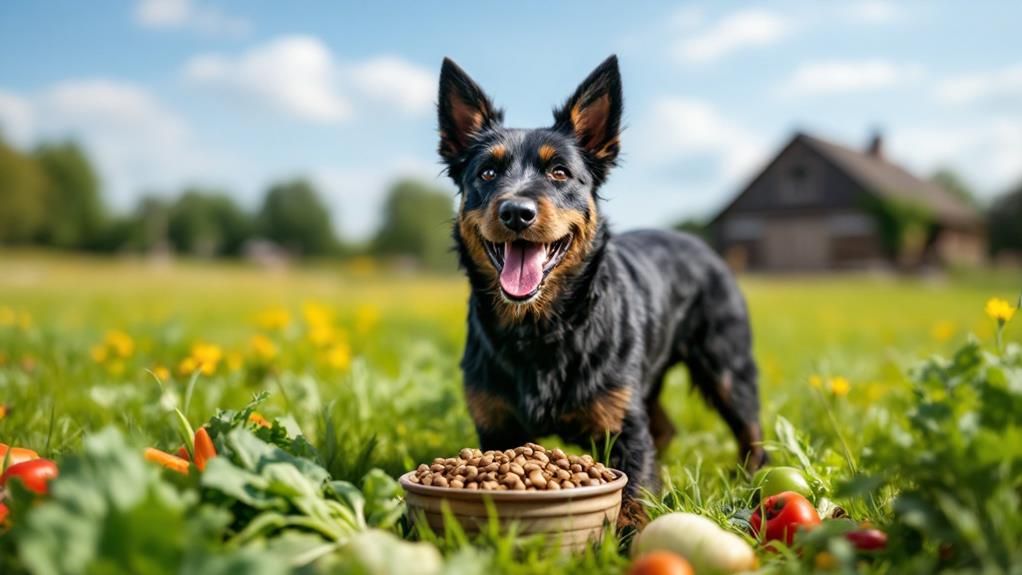
Proper health and nutrition are fundamental for keeping your Lancashire Heeler in top condition. Providing a balanced diet of high-quality, veterinary-approved dog food tailored to their stage and activity level is essential. This guarantees they receive the necessary nutrients for maintaining peak health and supporting their vigorous lifestyle. Don't forget about hydration—clean, fresh water should always be available to keep them well-hydrated.
Monitoring their calorie intake is significant to avoid obesity, which can lead to numerous health issues and reduce their vitality. An appropriate weight supports their general health and longevity. Regular veterinary check-ups are crucial to catch any potential health concerns early, especially since Lancashire Heelers are prone to ocular disorders like Collie Eye Anomaly and Primary Lens Luxation. Early detection allows for effective management, helping to maintain your dog's quality of life.
With proper nutrition and care, Lancashire Heelers typically enjoy a lifespan of 12 to 15 years, but some can live into their twenties. By focusing on a balanced diet, hydration, and regular veterinary visits, you'll give your Heeler the best chance for a long, healthy life full of energy and happiness.
Adoption and Breeding Tips
When considering bringing a Lancashire Heeler into your life, adoption or responsible breeding are two primary paths. Adoption from rescue organizations is a great way to provide a home to a Lancashire Heeler, reducing the number of dogs in shelters and promoting responsible ownership. It's a rewarding choice that brings joy to both you and the dog.
For those leaning towards breeding, it's essential to choose breeders who prioritize the health and temperament of the Lancashire Heeler. Reputable breeders will conduct necessary health screenings like Primary Lens Luxation (PLL) and Collie Eye Anomaly (CEA) to guarantee the breed's health. They adhere to ethical practices, avoiding puppy mills and educating potential owners about the breed's characteristics and needs.
Transparency is key with responsible breeders; they provide proof of health certifications and conduct annual checks for eyes and patellas. This builds trust and guarantees you're getting healthy puppies. Typically, a Lancashire Heeler litter consists of about five puppies. Take the time to vet breeders, confirming their values align with yours. This careful selection ensures you find the best match for your family and lifestyle, upholding the breed's health and vigor.