Lakeland Terrier: The Hardworking Farmers’ Dog
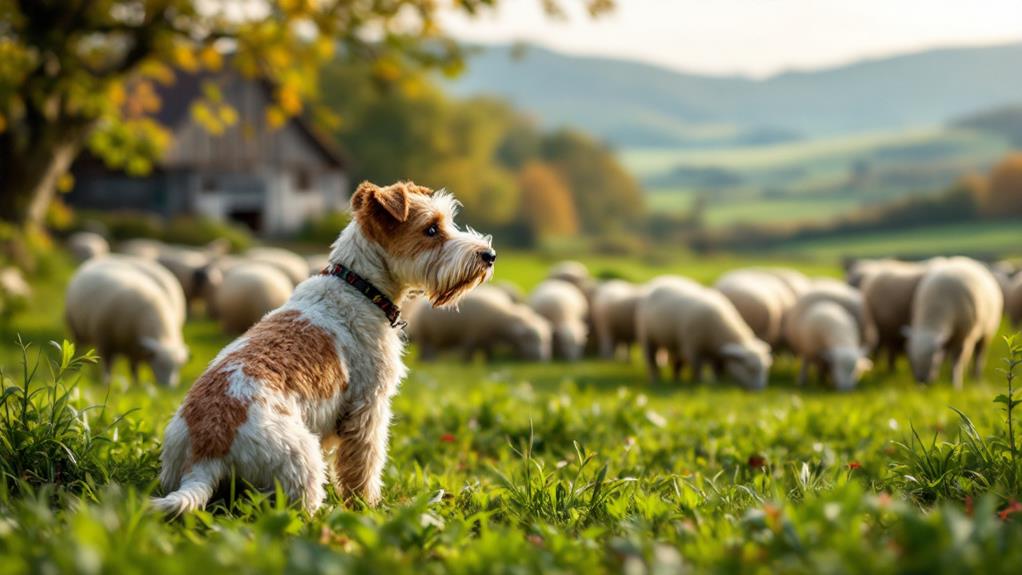
You'll find that Lakeland Terriers are more than just charming companions. Bred in the 19th century in England's Lake District, these dogs were vital for controlling vermin and foxes on farms. With their wiry, weather-resistant coats and compact yet sturdy build, they're perfectly suited for outdoor work. Their bold, lively nature requires regular exercise and mental stimulation, making them ideal for active lifestyles. Regular grooming will keep their dense coats in top shape. Intelligent and trainable, they excel in agility and obedience tasks. Through positive reinforcement and early socialization, you can nurture their role as dedicated farm dogs.
Origin and History
The Lakeland Terrier's story begins in the rugged Lake District of England, where farmers needed a dependable ally in their battle against vermin and foxes threatening their sheep. This dog breed was crafted with purpose in the 19th century, as farmers sought a Farmers Dog that could handle the challenges of rural life. You can imagine the determination in these early breeders, who focused on developing a dog that was both agile and tenacious, qualities necessary for managing small game and protecting livestock.
As you explore the history of the Lakeland Terrier, you'll find that these dogs were often used in packs. Their bold and energetic temperament made them ideal for working in groups to effectively hunt and manage the pest population. Recognized by The Kennel Club in the UK, the Lakeland Terrier quickly became a staple in farming communities due to their effectiveness and reliability.
Their wiry coat wasn't just for looks; it was specifically bred to withstand the harsh weather conditions of the Lake District. This adaptation guaranteed that the Lakeland Terrier could perform its duties regardless of the elements, solidifying its reputation as a hardworking Farmers Dog.
Physical Traits
When you initially encounter a Lakeland Terrier, you'll notice their compact and sturdy build. Standing between 13 to 15 inches tall at the shoulder, they present an ideal example of a lean body that's both agile and robust. Males are typically a bit larger than females, but both sexes share the same medium-sized frame, generally weighing between 15 to 17 pounds. Their size makes them versatile and perfectly suited for the demands of farm work.
The Lakeland Terrier's coat is another standout feature. Dense, harsh, and weather-resistant, it's designed to protect them during outdoor activities, come rain or shine. This unique coat comes in a variety of colors, including blue and tan, grizzle and tan, and liver, each enhancing their distinctive appearance.
Their dark, almond-shaped eyes are perhaps the most striking, providing an alert expression that underscores their intelligent and watchful nature. Here's a quick rundown of their key physical traits:
- Height: 13 to 15 inches at the shoulder.
- Weight: 15 to 17 pounds.
- Coat: Dense, harsh, weather-resistant.
- Colors: Blue and tan, grizzle and tan, liver.
These traits make the Lakeland Terrier a remarkable and adaptable breed.
Personality and Temperament
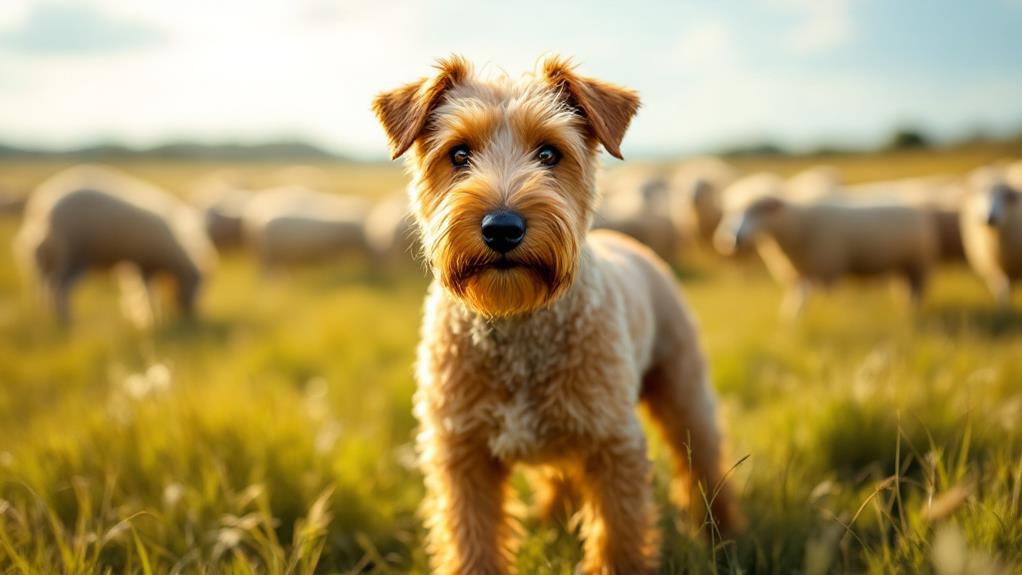
Over time, Lakeland Terriers have earned a reputation for their bold and lively nature, making them spirited companions. This dog is full of energy, and its activity level suits an owner who enjoys an active lifestyle. Their zestful temperament is characterized by a strong prey drive, so you'll need to keep a close eye on them around smaller animals to prevent any unplanned chase sequences. They're not just about energy; these dogs are also highly intelligent and trainable. Using consistent, positive reinforcement methods will yield the best results when training your Lakeland Terrier.
These terriers are fiercely loyal and protective of their families, making them excellent watchdogs despite their medium size. You'll find that their alertness and keen senses allow them to be vigilant protectors. However, their spirited nature means they thrive with early socialization. This is vital to improve their temperament, helping them grow into well-rounded dogs. By introducing them to a range of environments, people, and other pets early on, you can curb any overprotective tendencies and guarantee they develop a balanced disposition. Accept their lively spirit, and you'll have a devoted companion by your side.
Grooming and Maintenance
Grooming your Lakeland Terrier is crucial to keeping its dense, weather-resistant coat in top condition. Regular grooming not only prevents matting but also improves your dog's general health and appearance. Here's how to maintain your Lakeland Terrier's coat:
- Weekly Brushing: Brush its coat at least once a week to remove loose hair and debris. This routine not only keeps the coat looking sharp but also promotes healthy skin, preventing issues caused by tangles or trapped dirt.
- Bathing Schedule: Stick to bathing your Lakeland Terrier every 6-8 weeks. Frequent baths can strip away natural oils that protect the skin and coat, so moderation is key.
- Professional Grooming: Every few months, consider professional grooming to keep the coat's shape neat and address any specific needs. Professionals can guarantee your dog looks its best while maintaining coat health.
- Health Checks: Grooming sessions are perfect for checking skin, identifying parasites, or spotting any health concerns. Early detection can make a big difference in your dog's well-being.
Lastly, complement grooming with high-quality dog food to nourish their coat from the inside out. A balanced diet will support healthy fur, making grooming a breeze.
Health and Wellness
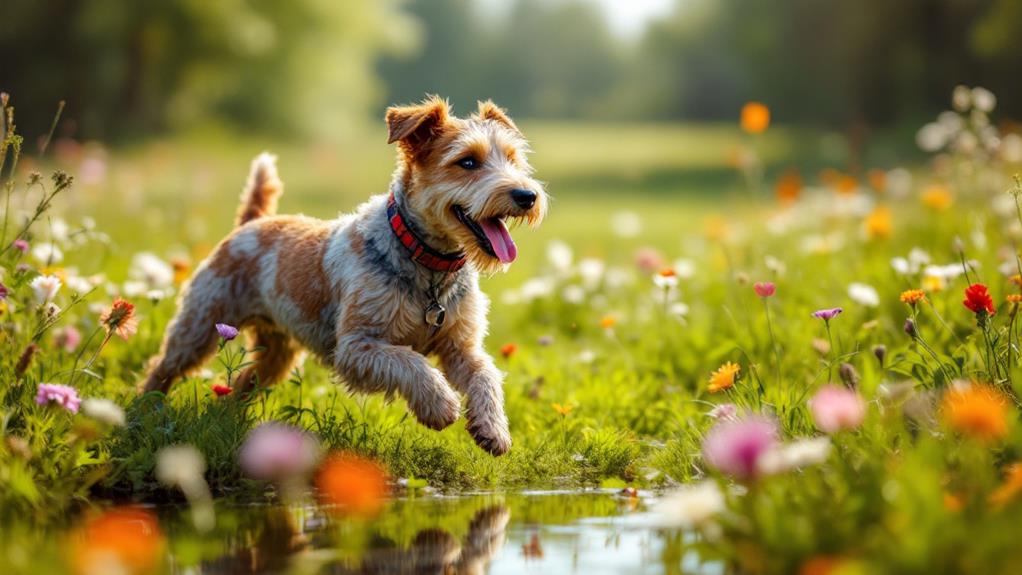
Maintaining your Lakeland Terrier's coat through regular grooming is just one part of ensuring their thorough health and wellness. To keep your Lakeland Terrier in top condition, regular vet check-ups are essential. These visits help monitor their health, potentially catching issues early, which is critical given their typical lifespan of 12 to 15 years.
A balanced diet plays an similarly significant role. Opt for fresh ingredients and high-quality dog food to prevent common health problems like hip dysplasia and eye disorders. Fresh dog food can also improve dental health and reduce inflammation, contributing to an all-around healthier lifestyle for your furry friend.
Exercise and mental stimulation are key to supporting your Lakeland Terrier's energetic nature. Daily walks, play sessions, and engaging activities keep them physically fit and mentally sharp. This active lifestyle not only helps manage their energy levels but also promotes long-term health and happiness.
Training Techniques
Training your Lakeland Terrier requires a strategic approach that utilizes their intelligence and enthusiasm to learn. Despite being a small package, they possess the tenacity and energy of a big dog. To effectively train your Lakeland Terrier, consider these key techniques:
- Positive Reinforcement: Reward-based training works wonders with this breed. They thrive on praise and treats, making them keen to please. By consistently using positive reinforcement, you'll find your Lakeland Terrier responding well to commands.
- Early Socialization: Start socializing your pup early to help them develop into well-rounded adults. Exposure to different environments, people, and other animals can mitigate their strong prey drive and prevent unwanted behaviors.
- Engaging Sessions: Keep training sessions varied and exciting. This energetic breed can get bored quickly, so mix up the activities and challenges to maintain their interest. Incorporate games and agility exercises to tap into their natural agility and determination.
- Firm Leadership: Establish yourself as the pack leader to prevent stubbornness. While they're intelligent, Lakeland Terriers can be independent, so clear and consistent guidance is essential in maintaining control.
Implementing these techniques will help you harness your Lakeland Terrier's potential, making training an enjoyable and rewarding experience.
Working Roles and Activities
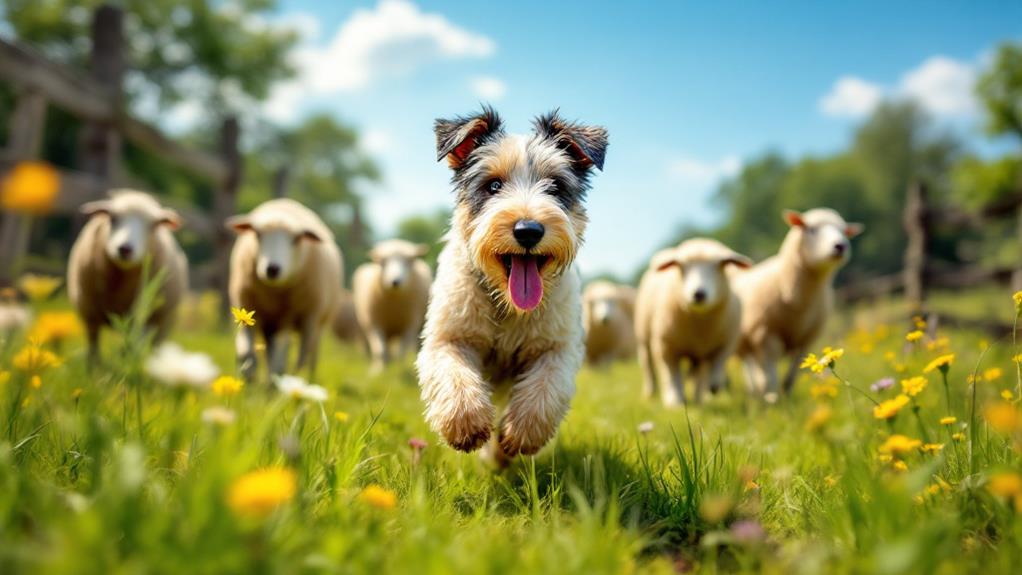
While you've mastered training techniques to bring out the best in your Lakeland Terrier, it's time to investigate the dynamic roles and activities they excel in. Originally bred to hunt small game and control vermin, these tenacious dogs showcase their agility in outdoor work environments. Their strong prey drive makes them incredibly effective at tracking and flushing out pests, especially in rural settings where they can roam freely. Imagine your Lakeland Terrier enthusiastically darting through fields, tirelessly working to keep your farm or dog home free from pesky intruders.
But their talents don't stop at hunting. Thanks to their intelligence and trainability, Lakeland Terriers excel in a range of dog sports, including agility and obedience trials. These activities not only challenge their minds but also provide much-needed physical exercise, ensuring they stay happy and healthy. The Kennel Club often hosts events where your Lakeland Terrier can shine, showcasing their skills against other dogs.
Beyond sports and hunting, these adaptable dogs fit well into therapy and assistance roles. Their loyal nature makes them excellent companions, regardless of a working environment or a family setting. With their energetic disposition, they're perfect for active lifestyles, thriving on regular exercise and engagement.