Kishu Ken: The Faithful and Noble Japanese Hunting Dog
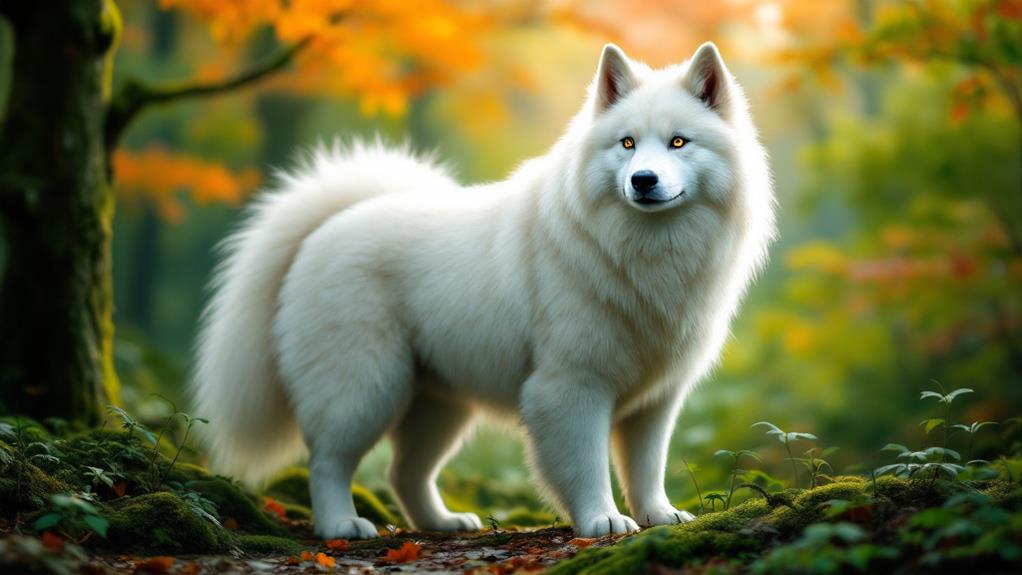
Meet the Kishu Ken, your faithful and noble companion from Japan. With origins dating back 3,000 years, this medium-sized, muscular breed is known for hunting prowess and loyalty. They bond closely with their families, showing affection and protective instincts. A distinct appearance includes prick ears and a short, double coat in colors like white and red. To keep them happy, provide daily exercise and grooming. While generally healthy, regular check-ups help manage potential issues. Although they're best suited for homes with space, their noble heritage makes them special. Uncover more about their fascinating history and unique traits.
Breed Overview
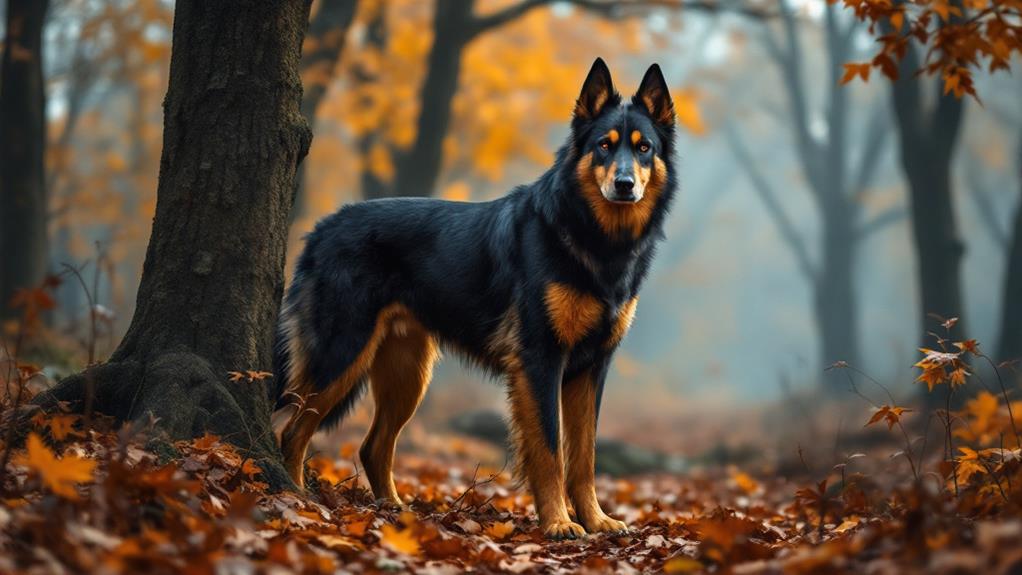
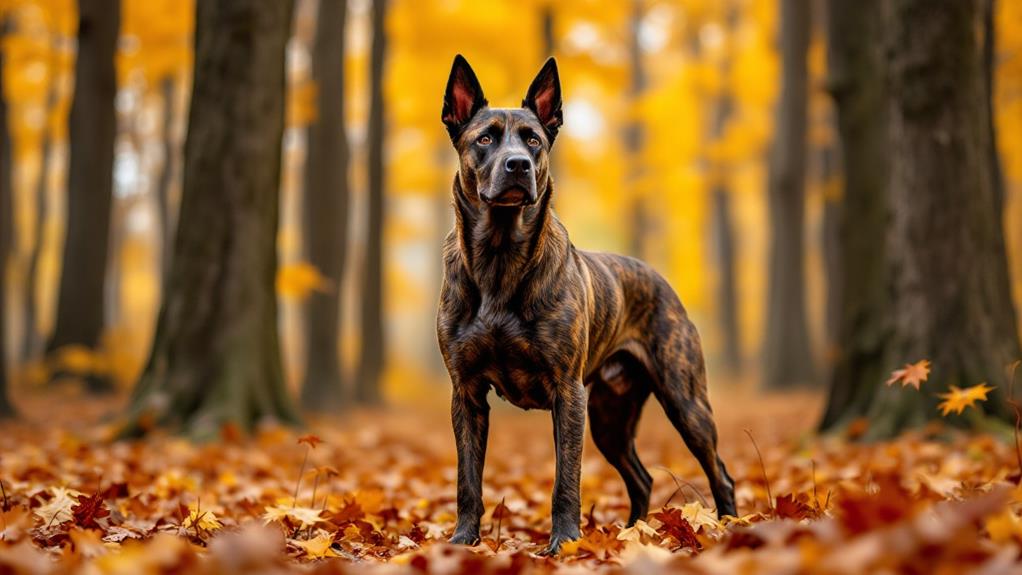
The Kishu Ken is a striking medium-sized breed from Japan's Kishu region, known for its rugged and muscular build. Standing 19-22 inches tall and weighing between 30-60 pounds, this Japanese breed boasts a dense double coat in colors like white, red, sesame, or brindle, with white being the most common. You'll notice its distinctive prick ears and alert eyes, which hint at its keen hunting instincts.
Historically bred as hunting dogs, Kishu Kens have a high prey drive and were used to hunt deer and wild boar. Their loyalty and protective nature make them excellent companions for those who appreciate a dog with a strong sense of duty. The Kishu Ken's life expectancy ranges from 12-15 years, and they're generally healthy, though you should watch for minor issues like allergies and autoimmune conditions.
The breed is recognized by the AKC Foundation Stock Service and enjoys active preservation efforts. The National Kishu Ken Club plays an essential role in promoting Kishu education and fostering a sense of community among enthusiasts. If you're considering adding a Kishu Ken to your family, this club is a significant resource for guidance and support.
Historical Background
Originating from the mountainous regions of Wakayama Prefecture, Kishu Ken dogs have a rich history that stretches back approximately 3,000 years. This ancient Japanese breed was specifically developed for hunting deer and wild boar, showcasing its exceptional skills and resilience in the rugged landscapes of Japan. The Kishu Ken's lineage is deeply intertwined with Japanese nobility and samurai, who valued these hunting dogs for their prowess and loyalty. Their ability to navigate challenging terrains and track game made them indispensable companions during hunting expeditions.
In 1934, the Nihon Ken Hozonkai (NIPPO) recognized the Kishu Ken as a distinct breed, emphasizing the need to preserve its cultural and historical significance. This standardization helped safeguard the breed's unique traits and heritage, ensuring its continuation as an essential part of Japan's natural history. That same year, the Kishu Ken was honored as a living natural monument in Japan, underscoring its crucial role in the country's heritage.
For centuries, the Kishu Ken has been more than just a hunting dog; it's a symbol of Japan's rich cultural tapestry. Its legacy continues to be celebrated, reflecting the timeless bond between humans and their faithful, noble companions.
Temperament and Behavior
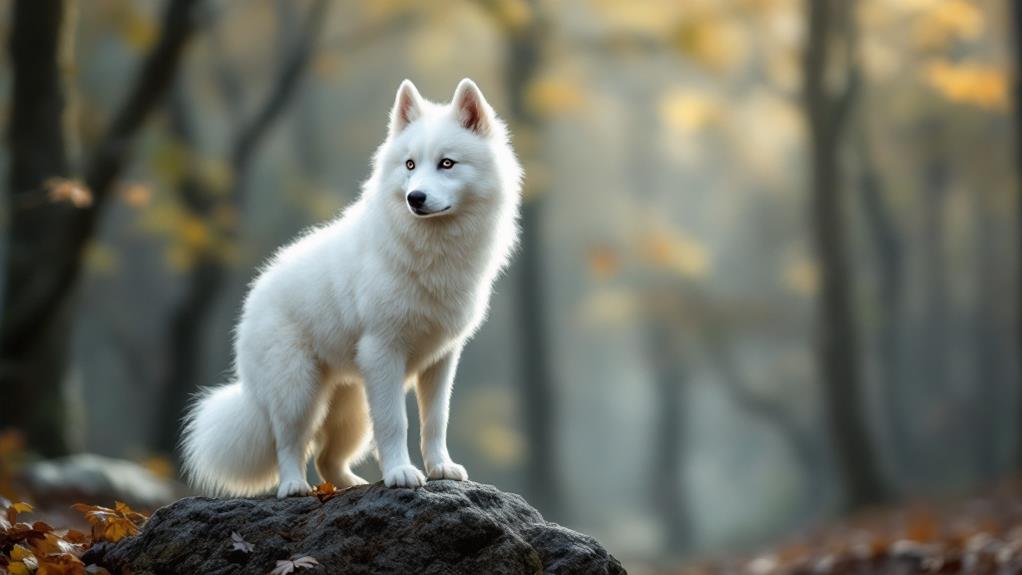
Known for its unwavering loyalty and affectionate nature, the Kishu Ken forms strong bonds with its family. You'll find that this breed is incredibly devoted, often sticking by their loved ones with a protective instinct. While they're affectionate with those they trust, they're typically reserved around strangers, making them excellent guardians. Their calm and dignified demeanor at home reflects their noble characteristics, offering a sense of peace and security.
However, owning a Kishu Ken requires commitment to early socialization and training. Without these, their strong-willed and dominant traits may lead to behavioral challenges. Socialization is vital to guarantee they are well-adjusted around different people and environments. Positive reinforcement training helps harness their intelligence and loyalty, leading to a well-mannered companion.
One aspect you must consider is their high prey drive. Kishu Kens have a natural instinct to chase, which means careful introductions to smaller pets are necessary. Regular exercise is important not just for their physical health, but also to keep their minds stimulated. By understanding their needs and providing proper guidance, you'll have a faithful and noble companion in the Kishu Ken.
Physical Characteristics
When you look at a Kishu Ken, you'll see a balance of elegance and strength that matches their loyal temperament. As a medium-sized breed, they stand between 19 to 22 inches tall and weigh around 30 to 60 pounds, showcasing a sturdy body structure that's both muscular and agile. This body type is crucial for their historical role as a hunting dog, capable of traversing rugged terrains with ease.
One of the most striking features of the Kishu Ken is their dense double coat. It's short, straight, and coarse, providing protection against harsh weather and varied landscapes. The coat comes in a range of colors, including white, brindle, red, and sesame, each adding to their noble appearance.
Their distinctive prick ears are perfectly proportioned to their head, giving them a keen and attentive look. Complementing this are their alert and intelligent eyes, which exude confidence and a dignified demeanor. These eyes not only reflect their intelligence but also their strong connection with their human companions. Furthermore, the breed's webbed feet and dew claws hint at their ability to maneuver through challenging environments, underscoring their origins as Japan's faithful hunting companions.
Grooming Needs
Grooming your Kishu Ken is essential to keeping their coat healthy and free from loose fur. Their short, dense double coat requires regular grooming to manage shedding and maintain cleanliness. Here's how you can meet your Kishu Ken's grooming needs effectively:
- Brushing: During non-shedding periods, a weekly brushing session is sufficient to keep the coat looking its best. However, when shedding season arrives, switch to daily brushing. This helps manage loose fur and prevents undercoat impaction, ensuring your Kishu Ken stays comfortable.
- Bathing: The Kishu Ken's coat is generally odorless, so bathing 2-3 times a year is enough. Over-bathing can strip the natural oils from their skin, leading to potential skin issues. The breed's stiff topcoat naturally repels dirt, making it easier to clean after outdoor adventures.
- Hygiene: Regular grooming extends beyond the coat. Maintain general hygiene by trimming your Kishu Ken's nails and cleaning their ears regularly. This not only contributes to their health but also prevents potential infections or discomfort.
Health and Nutrition
A Kishu Ken's health and nutrition form the cornerstone of their well-being. While this breed is generally healthy, minor health issues like hip dysplasia can arise. To mitigate these, it's advisable to conduct hip X-rays. Regular health screenings are essential, with evaluations for thyroid, dentition, and eyes helping to stave off hereditary conditions. By understanding potential health issues, you can take proactive measures to guarantee your Kishu Ken thrives.
Proper nutrition plays a significant role in maintaining your Kishu Ken's health. An average daily intake of 2.5 cups of quality dog food is recommended, costing around $34.00 to $45.00 monthly. Monitoring their diet closely can prevent nutritional deficiencies and support their active lifestyle. Regular exercise complements their diet, keeping them fit and energetic.
Allergens like grass and dust mites may cause skin issues, so it's necessary to be mindful of their environment. Careful breeding practices and genetic testing help prevent autoimmune conditions, safeguarding the breed's long-term vitality. By prioritizing these health measures, you can contribute to the enduring health and nobility of your Kishu Ken, making them a faithful companion for years to come.
Adaptability and Living Conditions
Understanding your Kishu Ken's health and nutrition is just one part of ensuring their general well-being; their adaptability and living conditions also play a significant role. The Kishu Ken, with its strong hunting heritage, isn't always the easiest to adapt to urban environments. Here's what you need to focus on to help your Kishu Ken thrive:
- Exercise Needs: This breed requires at least 30 minutes of daily exercise to maintain its physical and mental health. Without enough exercise, your Kishu Ken may become bored and exhibit unwanted behaviors.
- Training and Socialization: Early training and socialization are vital. The Kishu Ken can be strong-willed and dominant, so consistent training will help in managing potential behavioral issues. Socializing them early can help curb their high prey drive, which makes them unsuitable for homes with small animals.
- Family Environment: Despite their hunting background, Kishu Ken can be excellent family dogs if they receive the right balance of exercise, training, and companionship. They thrive in environments where they're included as part of the family and have space to roam.
Cultural Significance
The Kishu Ken holds a revered place in Japanese culture, celebrated as a living natural monument since 1934. This recognition reflects its deep cultural significance and historical heritage as one of the esteemed Japanese breeds. Traditionally, noble families and samurai cherished the Kishu Ken for its hunting prowess, especially in tracking deer and boar. This hunting dog wasn't just a companion; it was a symbol of status and skill, integral to traditional Japanese society.
The breed's name, "Kishu Ken," emphasizes its cultural roots, as "ken" means "dog" in Japanese, preferred over "Kishu Inu" due to grammatical conventions. The Kishu Ken's loyalty and protective nature have made it a beloved cultural icon, frequently appearing in Japanese media and art. These portrayals underscore its status as a symbol of devotion and courage, celebrated across generations.
Efforts to preserve and promote the Kishu Ken are spearheaded by organizations like the National Kishu Ken Club. They've worked tirelessly to guarantee that the unique qualities and heritage of this remarkable breed are maintained for future generations, highlighting the breed's enduring role in Japanese culture.
Preservation Efforts

Preserving the Kishu Ken's rich heritage and safeguarding its future is a mission adopted by dedicated enthusiasts and organizations like the National Kishu Ken Club. Founded in 2015, the club unifies Kishu Ken lovers and supports the breed's acceptance into the American Kennel Club's Foundation Stock Service. Their preservation efforts are crucial because the Kishu Ken is not only a living natural monument in Japan but also a breed with dwindling numbers due to modern living conditions.
To maintain the breed's health and vigor, the National Kishu Ken Club encourages breeders to focus on:
- Genetic Diversity: By promoting responsible breeding practices, breeders can avoid genetic bottlenecks and keep the Kishu Ken population robust.
- Health Testing: Conducting thorough health screenings, including genetic testing and evaluations for autoimmune conditions, helps mitigate health issues and promote transparency in breeding.
- Public Education: Raising awareness about the Kishu Ken's unique qualities and historical importance can inspire more people to appreciate and support this noble breed.
These preservation efforts not only aim to protect the Kishu Ken's future but also to highlight its cultural and historical significance, guaranteeing that this faithful hunting dog remains a part of our world for generations to come.