Keeshond: The Foxy and Friendly Dutch Companion Dog
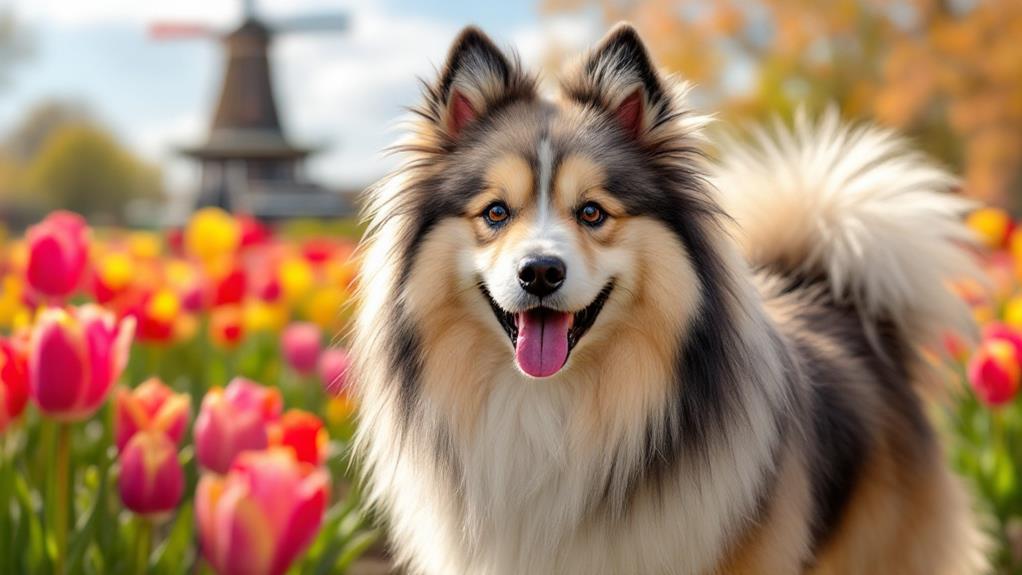
You're sure to love the Keeshond, a medium-sized spitz breed known for its foxy appearance and friendly demeanor. With a lush double coat in striking shades of gray, black, and white, these charming dogs stand out. Originally bred in 17th-century Netherlands as Dutch Barge Dogs, they're affectionate, intelligent, and excellent watchdogs. Their lively nature earns them the nickname "The Smiling Dutchman." Regular grooming and exercise keep them healthy and happy, crucial for their 12-15 year lifespan. Early socialization and training foster their playful and obedient nature. Uncover more about this engaging and lovable breed's fascinating qualities.
Breed Overview
The Keeshond's distinctive charm and rich history make it an enchanting breed. If you're considering a new furry friend, the Keeshond might just capture your heart with its friendly temperament and playful spirit. Known affectionately as the Dutch Barge Dog, this medium-sized breed stands 17-18 inches tall and weighs between 35-45 pounds, making it a perfect fit for families and children.
You'll notice the Keeshond's striking double coat, which features a long outer layer and a soft undercoat. Typically showcasing shades of gray and black with white markings, their fur adds to their foxy appearance. This breed's intelligence and trainability make them a joy to teach and participate in dog sports or obedience training.
Their life expectancy of 12-15 years means you'll have plenty of time to enjoy their lively company. The Keeshond's affectionate nature guarantees they're not just pets but true family members. They're known for being excellent watchdogs, stemming from their heritage on Dutch canal barges. Their alertness combined with a friendly demeanor makes them both vigilant and loving companions in any home.
Historical Background
Imagine strolling along the lively canals of 17th-century Netherlands, where Keeshonds, known then as Dutch Barge Dogs, were a common sight. These loyal companions were more than just watchdogs; they were integral to everyday life aboard the vibrant canal barges. The Dutch dog breed traces its historical background to these early days, when their keen senses and friendly demeanor made them indispensable crew members.
Fast forward to the 18th century, and you'll find that Keeshonds gained political significance. Named after Cornelis Kees de Gyselaer, a leader during the Dutch Patriot movement, they became symbols of Dutch patriotism. However, their popularity waned following the rebellion, causing a decline in their numbers.
The early 1900s marked a turning point for the breed. Baroness van Hardenbroeck's efforts breathed new life into the Keeshond population, paving the way for the breed's recognition by the American Kennel Club in 1930. As the breed gained fame in dog shows for its agility and charm, notable individuals welcomed it, further cementing its status. Today, the Keeshond's rich historical background and enduring appeal continue to captivate dog lovers worldwide.
Physical Traits
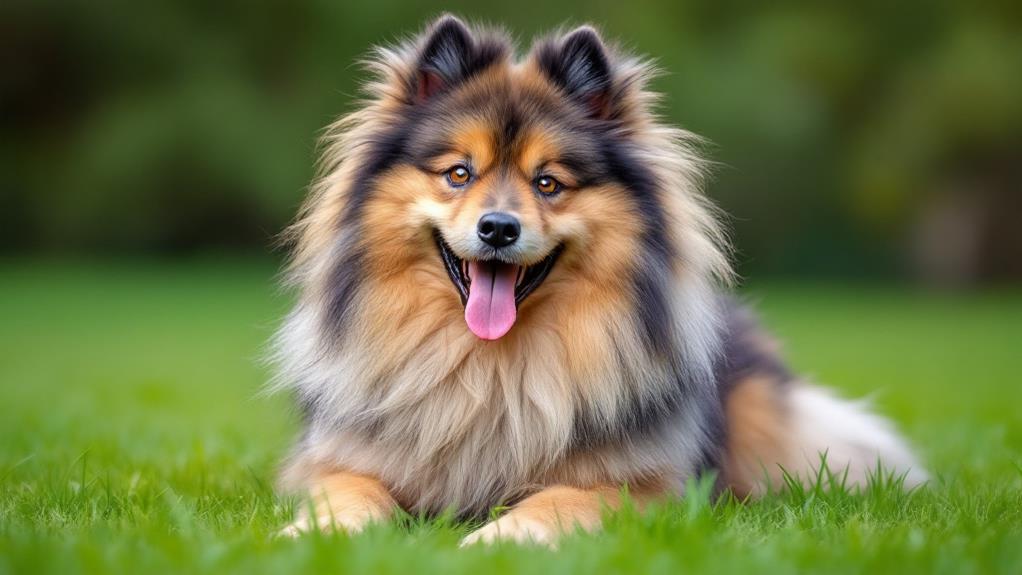
When you initially lay eyes on a Keeshond, you're likely struck by its striking appearance and charm. As a medium-sized spitz dog, the Keeshond boasts a robust and eye-catching stature. Males typically stand around 18 inches tall, while females are slightly shorter at 17 inches, with both weighing between 35 to 45 pounds. Their enchanting presence is further accentuated by a thick coat, which consists of a long, straight outer layer and a soft, dense undercoat. This double coat displays a beautiful mix of gray and black, often highlighted with white markings.
Their facial features are distinct, giving them a fox-like allure. Small, erect ears sit atop a wedge-shaped head, while dark muzzles are framed by unique 'spectacle' markings around the eyes. This gives the Keeshond an intelligent and inquisitive expression.
- Medium-sized spitz dog with a robust build
- Thick coat featuring a double layer
- Unique tail that sweeps over the back in a plume
The Keeshond's unique tail gracefully arches over their back, adding to their overall appeal. However, be prepared for heavy shedding, particularly during seasonal changes, necessitating regular grooming to keep their coat healthy and free of matting.
Temperament and Behavior
Known for their friendly demeanor, Keeshonds make excellent companions due to their affectionate and gentle nature. With a lively and playful spirit, they are often called "The Smiling Dutchman" because of their joyful expressions. Their temperament is perfect for families, including those with children. However, to fully develop their warm and sociable nature, early socialization is vital. Introducing your Keeshond to a variety of people, pets, and environments will help them grow into confident adults, preventing any reserved behavior around strangers.
Keeshonds are highly sociable and enjoy being part of family activities. They thrive on regular interaction and companionship, so it's important not to leave them alone for long periods. Prolonged isolation can lead to separation anxiety, which is distressing for both the dog and owner. Their affectionate nature means they crave your presence and love to be included in your daily life.
Thanks to their intelligence and willingness to please, Keeshonds learn quickly with positive reinforcement. This enthusiasm makes them excel in obedience training and dog sports. Altogether, their friendly temperament and need for companionship make them ideal for families looking for an engaging and loving pet.
Training Tips
To bring out the best in your Keeshond's friendly nature, it is vital to focus on effective training strategies. Keeshonds are intelligent and enthusiastic to please, making basic obedience training significant for their development and adaptability. Start early with consistent training sessions to establish good habits. Early socialization is key to fostering your Keeshond's confidence, helping them interact positively with strangers and other pets. Introduce them to diverse environments, sounds, and experiences to reduce undesirable behaviors.
Use positive reinforcement techniques for the most effective training results. Keeshonds respond well to praise and rewards rather than harsh methods. Incorporate treats, verbal praise, and affection to reinforce good behavior. Keep training sessions enjoyable by incorporating play, ensuring your Keeshond remains motivated and retains their lively spirit.
To support your Keeshond's mental stimulation and prevent boredom, consider these engaging activities:
- Interactive toys: Keep them entertained and mentally sharp.
- Puzzle games: Challenge their intelligence and problem-solving skills.
- Regular play sessions: Combine training with play to maintain interest.
Health and Wellness
For ideal health and wellness in your Keeshond, it's important to maintain a balanced routine of regular vet visits and a nutritious diet. Regular check-ups are significant for early detection of common health issues such as hip dysplasia, Addison's disease, and progressive retinal atrophy. These visits help ascertain any potential problems are caught early, allowing for timely intervention and management.
Feeding your Keeshond a high-quality diet is another cornerstone of their well-being. Typically, they require 1 to 2 cups of food daily, but this can vary based on maturity, weight, and activity level. Confirming their diet is balanced helps prevent obesity, a condition that can exacerbate other health issues.
In addition to diet and vet care, regular exercise is important for your Keeshond's physical and mental health. They thrive on about an hour of daily physical activity, which can include walks, play sessions, and interactive games. Engaging them in dog sports can be particularly beneficial, given their energetic and playful nature. Furthermore, since Keeshonds are prone to separation anxiety, regular social interaction can help avert behavioral issues, guaranteeing a happy, healthy companion.
Grooming Essentials
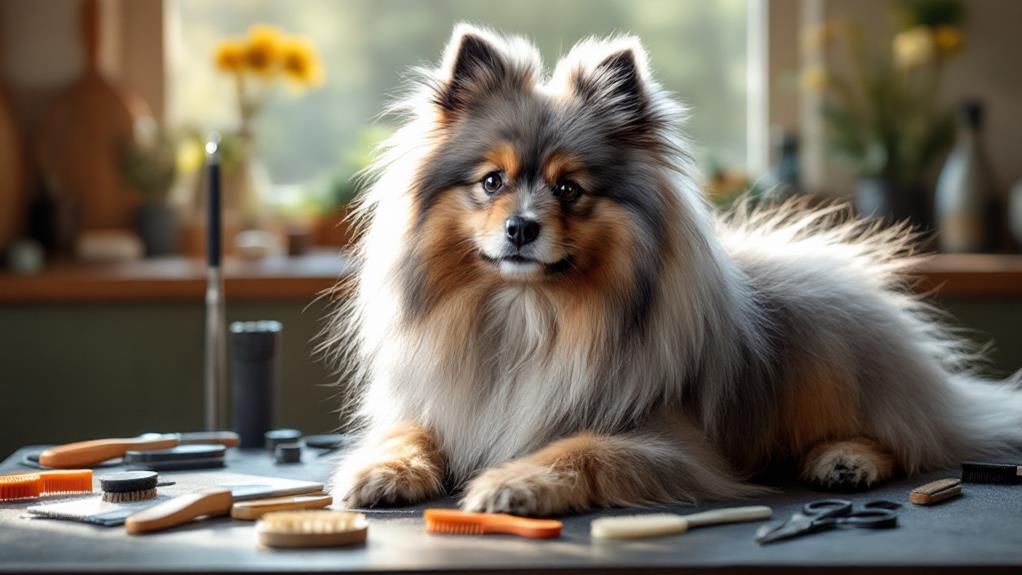
In conjunction with maintaining their health and wellness through diet and exercise, grooming plays a crucial role in your Keeshond's all-encompassing care routine. Their luxurious double coat requires regular attention to keep it healthy and beautiful. Aim to brush your Keeshond's coat two to three times a week to prevent matting and minimize shedding, especially during seasonal changes when shedding is more pronounced. This routine not only maintains their stunning appearance but also reduces the amount of fur accumulating in your home.
To guarantee your Keeshond's general health, don't forget to regularly check their ears, eyes, and teeth. While at-home grooming tools are affordable and effective for routine maintenance, professional grooming can be beneficial occasionally for more detailed care. Bathing should be infrequent to retain the natural oils that keep their coat healthy.
Remember to:
- Trim around the feet pads and hocks for hygiene and appearance.
- Avoid shaving their thick coat, as it protects against environmental factors.
- Schedule professional grooming sessions when needed for a polished look.
Living With a Keeshond
When you welcome a Keeshond into your home, you're gaining a loyal and affectionate family member who thrives on companionship. These dogs have a friendly demeanor, making them excellent playmates for children and other pets. Their moderate to high energy levels mean they need daily exercise, so be ready for walks and playtime to keep them happy and healthy. This activity prevents potential behavioral issues that can arise from pent-up energy.
Keeshonds are known for their social nature, which means they're not fans of being left alone for too long. If they feel neglected, they might resort to barking or destructive behaviors. To combat this, crate training and providing interactive toys can help keep them engaged when you're away. Regular socialization and training from an early stage will guarantee they adapt well to different environments.
Living with a Keeshond also means committing to regular grooming. Their thick double coat requires brushing two to three times a week to prevent matting and manage shedding, especially during seasonal changes. Despite their grooming needs, Keeshonds are adaptable and can thrive in various living situations, including apartments, as long as they receive consistent interaction and mental stimulation.