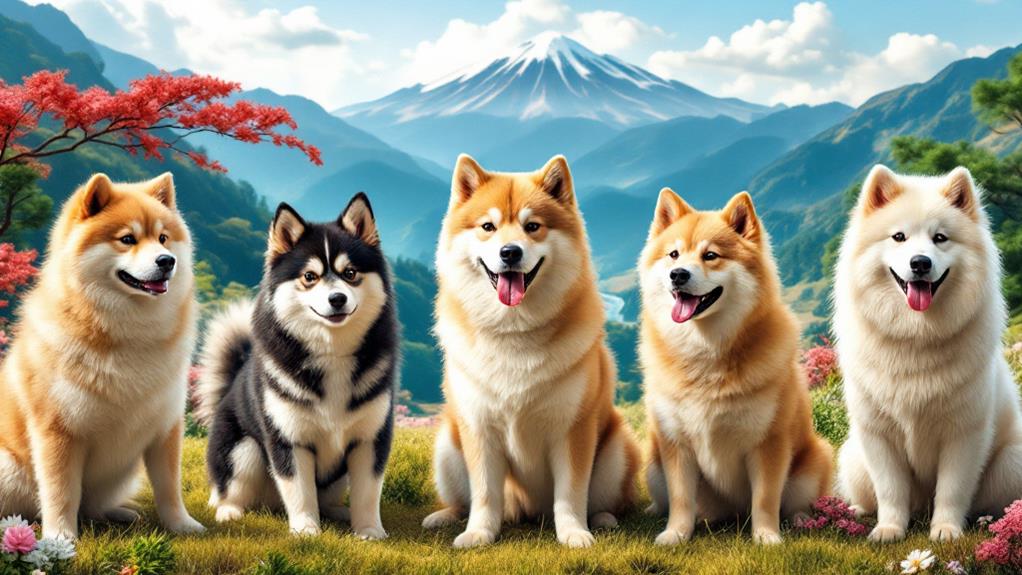
Kai Ken: The Rare and Powerful Japanese Hunter
Uncover the Kai Ken, an intriguing and rare Japanese hunting dog known for its "Tiger Dog" brindle coat. Standing 17-20 inches tall and weighing up to 55 pounds, it's perfect for adventurous owners. With origins in Kai Province near Mount Fuji, this breed was recognized as a Natural Monument in 1933. They're athletic and intelligent, making them skilled hunters and protective watchdogs. Known for their affectionate nature, Kai Kens thrive on positive reinforcement but require early socialization. Minimal grooming and a balanced diet keep them healthy and happy. There's much more about this remarkable breed's past and cultural ties.
Breed Characteristics
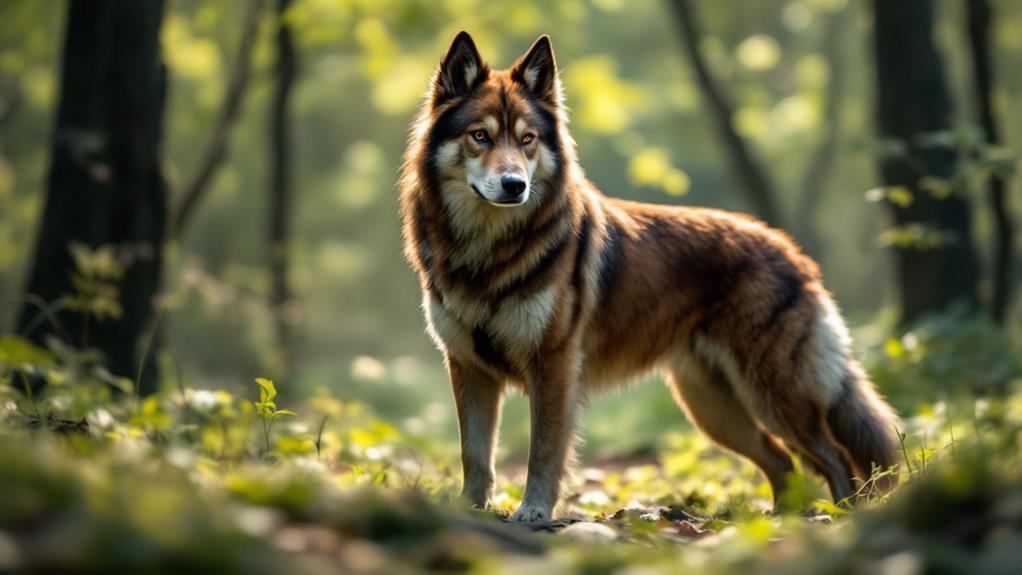
The Kai Ken's unique characteristics make it a standout among dog breeds. As a medium-sized dog, it typically weighs between 25-55 lbs and stands 17-20 inches tall. Its athletic build supports an active lifestyle, ideal for those who love adventure. One of the most striking features is its brindle coat, which can appear in black, red, or a mix, earning the Kai Ken the nickname "Tiger Dog." This double coat, with a soft undercoat and coarse outer layer, requires minimal grooming, although you'll need to manage shedding twice a year.
You're bound to be impressed by the Kai Ken's agility and intelligence. These dogs boast strong hunting instincts, making them effective hunters capable of tree climbing and even swimming after prey. Their agility makes them excellent at traversing different terrains, and their intelligence guarantees they learn tasks quickly.
When it comes to personality, the Kai Ken is known for its protective nature and loyalty to their families. While they form strong bonds with loved ones, they're often reserved around strangers, assuring your household feels secure. This breed's unique blend of traits makes the Kai Ken an exceptional companion for the right owner.
Historical Significance
Situated in the mountainous regions near Mount Fuji, Kai Ken dogs trace their roots back to the historic Kai Province in Japan. As one of the six native Japanese breeds, or Nihon Ken, the Kai Ken stands out as a rare breed with a rich historical significance. Initially bred as a hunting dog, it excelled in pursuing Japanese serow, deer, wild boar, and even bears, thanks to its impressive climbing and swimming skills.
In 1934, the Japanese government recognized the Kai Ken's cultural significance by designating it a Natural Monument. This designation highlights both its rarity and its role in Japan's cultural identity. The decline of traditional hunting practices posed a threat to this remarkable breed, leading to conservation efforts.
- Designated as a Natural Monument in 1934
- Recognized as one of the six native Nihon Ken breeds
- Conservation efforts initiated by Kai Ken Aigokai in 1931
- Historical importance as a national heritage
The establishment of the Kai Ken Aigokai in 1931 marked the beginning of formal conservation efforts. This initiative, spearheaded by Dasuke Adachi, aimed to protect the breed's historical importance and guarantee its continued presence in Japanese culture.
Temperament and Behavior
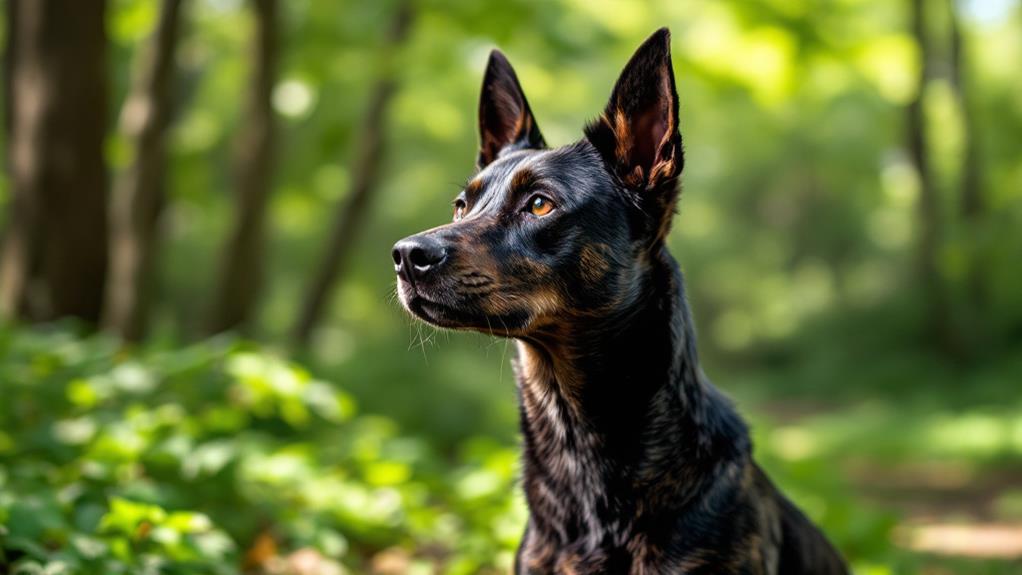
How does the Kai Ken's temperament shape its role as both a loyal companion and a vigilant guardian? This breed's unique temperament makes it an ideal balance of affection and alertness. Known as natural hunters, Kai Kens possess a strong prey drive, making them effective watchdogs. They can be energetic and wild outdoors, showcasing their hunting instincts, but they're also affectionate and playful indoors, displaying a deep loyalty to their families.
To harness their full potential, early socialization is essential. Kai Kens can be reserved around strangers, so introducing them to different people and environments helps mitigate shyness. With proper socialization, they become more adaptable and confident, enhancing their behavior as loyal companions.
Training a Kai Ken requires patience and consistency. They're intelligent and respond well to positive reinforcement but can be stubborn without firm supervision. This breed needs regular exercise and mental stimulation to prevent behavioral issues, channeling their energetic nature productively.
Their alertness and bravery make them outstanding guardians. The Kai Ken's protective nature guarantees your loved ones' safety while maintaining a warm, affectionate demeanor at home. Balancing these traits, the Kai Ken truly embodies the best of both worlds as a companion and protector.
Health and Maintenance
To guarantee your Kai Ken lives a long and healthy life, prioritize regular veterinary check-ups and a consistent care routine. With a lifespan of 14.5 to 16 years, this breed thrives on proper care. Regular vet visits become even more significant as your Kai Ken matures, helping to monitor their health and address any potential issues early.
Grooming your Kai Ken is simple yet fundamental. Their minimal grooming needs mean you only need to brush them occasionally, which helps manage shedding, especially during their semi-annual shedding periods. Maintaining their coat doesn't take much effort, but it plays a crucial role in their integral health.
Given their high energy levels, exercise is a must for your Kai Ken. Aim for about 70 minutes of daily activity, including long walks and interactive playtime. This routine keeps their physical and mental health in check. A balanced diet is just as significant. Confirm you feed them high-quality, suitable dog food, roughly 2.5 cups daily, tailored to their activity level.
- Regular veterinary check-ups
- Minimal grooming with occasional brushing
- Daily exercise for high energy levels
- Balanced diet with proper portions
Investing in these practices guarantees your Kai Ken remains healthy and happy.
Cultural Impact
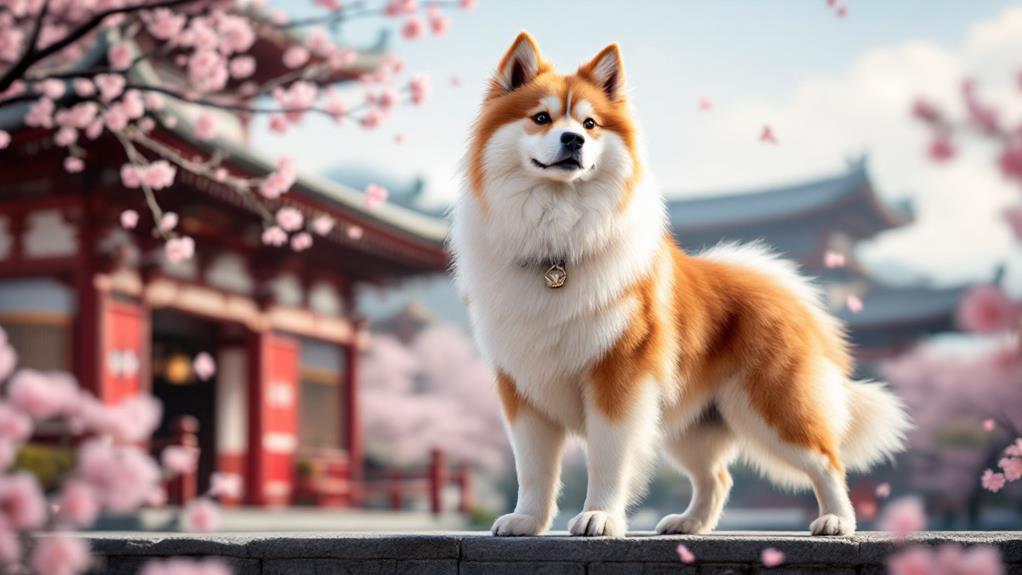
Many might not realize the profound cultural impact the Kai Ken has had in Japan. Known as the "Tiger Dog" due to its unique brindle coat, the Kai Ken holds an esteemed place in Japanese culture. Officially recognized as a national gem and declared a Living Natural Monument in 1933, this breed symbolizes the deep connection between humans and dogs in Japan.
Historically, the Kai Ken's hunting prowess has been invaluable, especially in the mountainous regions where it was traditionally used for hunting large game. This role fostered a strong bond between the Kai Ken and local hunters, cementing its historical significance. The breed's loyalty and skill have been celebrated in media, most significantly in the manga series "Ginga: Nagareboshi Gin," where its character embodies these traits.
Beyond its native land, the Kai Ken's influence has spread through popular culture. For instance, the character Chu from the video game "Ōkami" is inspired by this remarkable breed. These representations highlight the Kai Ken's cultural impact, drawing admiration and appreciation from audiences worldwide. Embracing a Kai Ken means connecting with a piece of Japanese history and cultural heritage.