Jindo: The Intelligent and Loyal Korean Dog

The Jindo, from South Korea's Jindo Island, showcases intelligence and loyalty, making it a revered companion. This medium-sized dog, with its distinctive double coat and spitz-like appearance, requires regular exercise and mental challenges. With a lifespan of 14 to 15 years, Jindos need consistent training to balance their independent nature. They're highly trainable with positive reinforcement and early socialization. These dogs thrive in active homes with secure fencing due to their agility and adventurous spirit. Celebrated as a cultural icon, the Jindo's rich heritage speaks to its unique lineage and significance, promising more intriguing facets to uncover.
Breed Overview
As one of the most esteemed breeds hailing from Jindo Island in South Korea, the Jindo dog is celebrated for its independence, hunting prowess, and strong guarding instincts. If you're considering a pet that combines loyalty with intelligence, Korean Jindo dogs might be the perfect fit for you. These medium-sized dogs are renowned for their unwavering devotion and keen sense of awareness, making them not only excellent companions but also formidable protectors of your home.
Jindos are intelligent dogs that thrive in environments where they can exercise both their bodies and minds. Their strong guarding instincts mean they're always alert, making them ideal for active families who appreciate a dog that can offer companionship while ensuring security. The breed's dense coat is another distinctive feature, providing them with resilience against diverse weather conditions.
When welcoming a Jindo into your home, you're inviting a loyal friend who will form a strong bond with your family. They require regular physical activity and mental stimulation, so if you lead an active lifestyle, a Jindo could be your perfect match. With proper care and attention, your Jindo will become a cherished part of your family, offering years of dedicated companionship.
Physical Characteristics
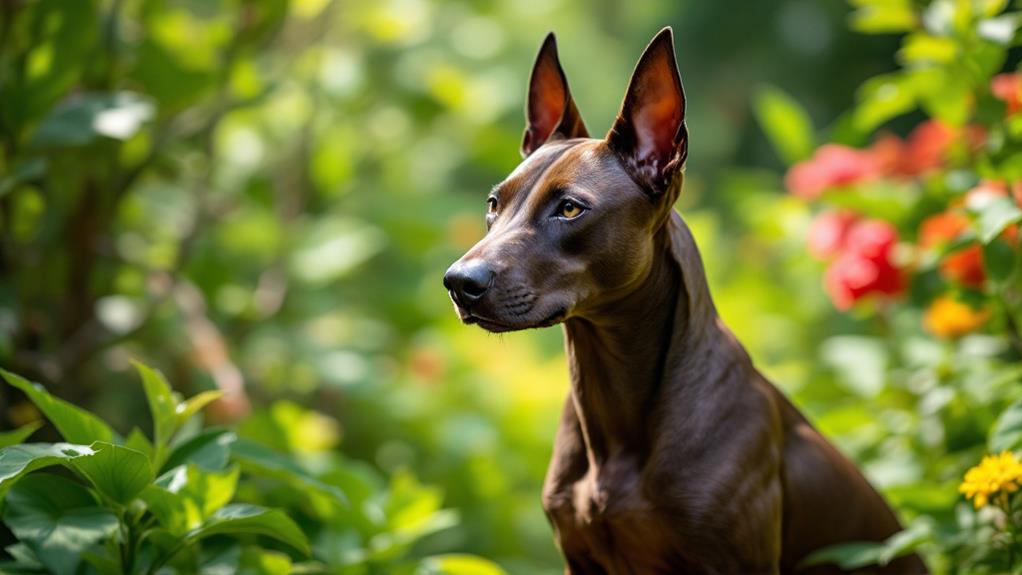
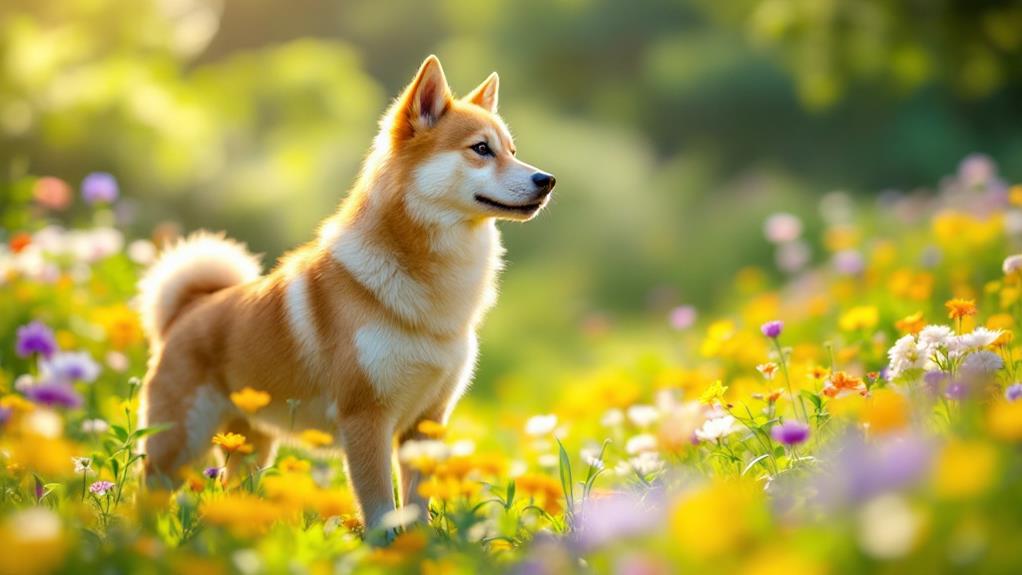
Jindo dogs boast a striking appearance that immediately captures attention. As a medium-sized breed, males typically stand 19-22 inches tall and weigh between 40-50 pounds, while females measure 17-20 inches and weigh 30-40 pounds. Their distinctive double coat is short, dense, and water-resistant, available in a variety of colors like red, white, black and tan, and brindle. This coat is not only aesthetically pleasing but also functional, providing protection against harsh weather conditions.
The Jindo's erect ears and curled tail contribute to their classic spitz-type look. These features improve their alert and intelligent expression, making them a favored choice for roles requiring vigilance. Their muscular build guarantees they're not only agile but also well-suited for activities like hunting and guarding. Regardless of whether they're sprinting through the woods or standing watch over a home, their physical prowess is undeniable.
Within the breed, you'll find two main body types: the Tonggol, known for its muscular and stocky frame, and the Hudu, which is more slender and elongated. Both types maintain the breed's trademark strength and agility, assuring that every Jindo is ready for action.
Lifespan and Health
A well-cared-for Jindo dog typically enjoys a lifespan of 14 to 15 years. This impressive lifespan can be achieved through proper care and attention to their health needs. Although Jindos are generally healthy dogs, they can be prone to certain conditions like Discoid Lupus Erythematosus (DLE) and hypothyroidism. DLE may cause loss of pigment on the nose and skin sores, which worsen with sunlight exposure. Recognizing these signs early can help you manage the condition effectively.
Hypothyroidism is another health issue that might affect your Jindo. It manifests through symptoms such as weight gain, lethargy, and skin infections due to low thyroid hormone levels. Regular veterinary check-ups are essential for monitoring these potential issues. Your vet can help detect any problems early and suggest necessary treatments or lifestyle adjustments to guarantee your Jindo stays healthy.
Training and Behavior
Training a Jindo dog requires a blend of patience and consistency, as their independent nature can sometimes lead to stubborn behavior. These intelligent dogs are highly trainable, but you need to start early with consistent training to foster good behavior. Positive reinforcement is key; rewarding them with treats and praise helps reinforce obedience and strengthens their loyal bond with you. Given their independent streak, patience is vital to manage any stubborn tendencies effectively.
Socialization is another significant aspect of their training. By exposing your Jindo to diverse environments and different animals, you help them adjust and reduce anxiety around unfamiliar people or pets. Engaging them in basic obedience commands like sit, stay, and come establishes clear communication and boundaries, essential due to their strong prey drive.
Regular exercise and mental stimulation are necessary for maintaining a balanced behavior. Jindos thrive in active environments where they can channel their energy and intelligence. Without enough exercise, they might develop behavioral issues. Keeping them engaged with activities that challenge their mind and body not only curbs unwanted behavior but also strengthens your relationship with this loyal and intelligent companion.
Ownership Considerations

When considering bringing a Jindo into your home, it's imperative to understand the breed's unique needs and characteristics. Jindo dogs, known for their high energy and loyalty, thrive in active households. They're not just any dog; they need regular exercise and mental stimulation to stay happy and healthy. Regardless of whether it's a long walk, a game of fetch, or agility training, providing consistent exercise is a key part of responsible Jindo ownership.
You'll also need to ascertain your yard is secure. Jindos can jump quite high, so strong fencing of at least 6 feet is necessary to prevent any unexpected escapes, especially given their strong prey drive. Supervision during outdoor activities is fundamental to keep them safe.
Training and socialization are crucial from an early stage. Jindos are intelligent but can be independent and stubborn, so consistent training helps manage these traits. Early and ongoing socialization will help them develop good behavior and reduce any undesirable habits. Grooming is relatively simple, thanks to their short, dense coat, but regular brushing will help manage shedding. By understanding these aspects, you'll be well-prepared to provide a loving and enriching environment for your Jindo.
History and Recognition
The Jindo dog has a rich history and significant cultural recognition in Korea. This breed's loyalty and unique characteristics have made it a symbol of South Korean heritage. In 1938, the Jindo was recognized as a Natural Gem, following research by Tamezo Mori in 1937. This acknowledgment set the stage for its cultural importance and protection. In 1962, the South Korean government officially designated the Jindo as a national gem to safeguard its lineage and guarantee its survival.
The Jindo's expedition through history can be outlined as follows:
- 1938: Recognized as a Natural Gem.
- 1962: Designated as a national gem by South Korea.
- 1988: Featured in the Seoul Summer Olympics opening ceremonies.
- 2008: The Jindo Dogs Guild of Korea began issuing purity certificates.
Under the Cultural Heritage Protection Act, exporting pure Korean Jindo Dogs has faced restrictions to maintain breed standards and heritage. This act reflects the breed's esteemed status and the efforts to protect it from natural causes that could threaten its existence. Park Bok-dan, among others, continues to contribute to preserving this national symbol. As a result, the Jindo isn't just another dog breed but a revered cultural icon in South Korea.
Lineage and Research
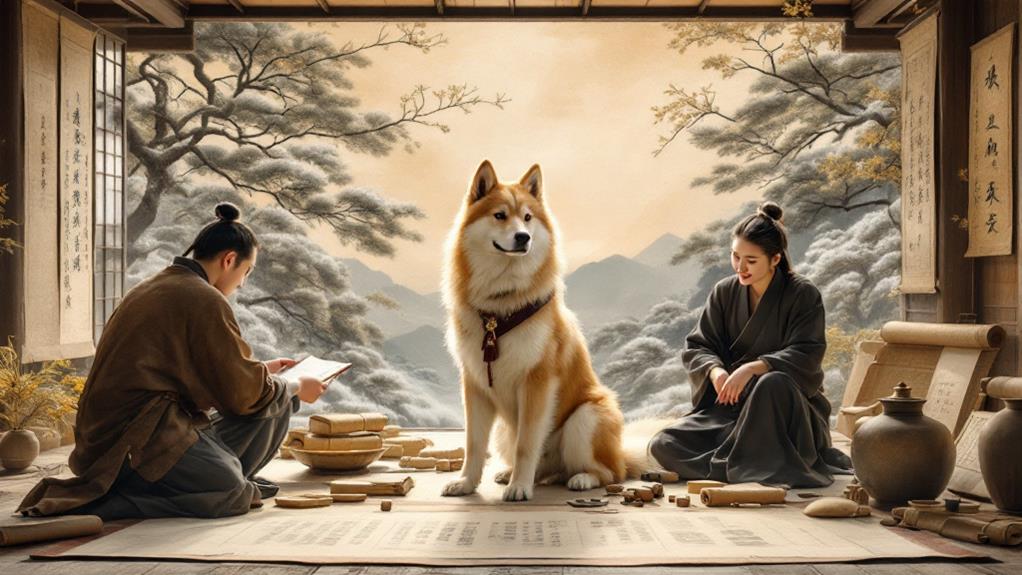
Building on its historical significance, the Jindo dog's lineage and research have revealed fascinating insights into its ancestry. A 2020 study uncovered that Jindos share common ancestry with the New Guinea singing dogs, anchoring them firmly within the East/Southeast Asian dog lineage. Unlike many selectively bred breeds, Jindos have retained a natural genetic diversity that speaks to their long-standing presence in Korea. They parted ways from the Donggyeongi dog lineage around 900 years ago, showcasing unique mitochondrial DNA genotypes that set them apart.
DNA analysis continues to play an essential role in understanding the evolution and conservation of Korean Jindos. This research has been instrumental in highlighting the breed's need for responsible breeding practices and habitat protection to guarantee their genetic diversity and integrity are preserved. As a loyal and intelligent breed, Jindos possess a temperament that has won them recognition from major kennel clubs like the Fédération Cynologique Internationale and the United Kennel Club.
Efforts to conserve certain Jindo variants focus on maintaining the breed's genetic diversity while emphasizing traits like temperament and physical characteristics. These conservation initiatives aim to protect the Jindo's rich lineage and secure its survival for future generations.
Breed Standards and Conservation
In recognizing the Korean Jindo, diverse kennel clubs, including the Fédération Cynologique Internationale and the United Kennel Club, emphasize its distinctive physical traits and temperament outlined in breed standards. These standards guide breeders to maintain the dog's unique lineage and guarantee its qualities are preserved for future generations. As a national gem of South Korea, the Jindo is safeguarded under the Cultural Heritage Protection Act, which restricts the exportation of pure Jindos to preserve genetic diversity and prevent dilution of the breed.
Conservation efforts are vital for maintaining the genetic diversity of the Jindo. Certain variants face the risk of endangerment, and responsible breeding practices are imperative. Here's how these efforts are structured:
- Preservation Initiatives: Focused on maintaining the breed's purity and the unique lineage through genetic studies.
- Training Programs: Developed for military roles, highlighting the Jindo's capabilities and reinforcing its status.
- Genetic Studies: Mitochondrial DNA analysis improves understanding of its evolutionary path and relationship to other East/Southeast Asian dogs.
- Cultural Heritage: The Jindo's status as a national gem emphasizes its cultural significance and need for protection.
These structured efforts guarantee the Jindo's continued legacy and contribution to South Korea's heritage.