Javanese Cat: The Refined and Talkative Feline Companion
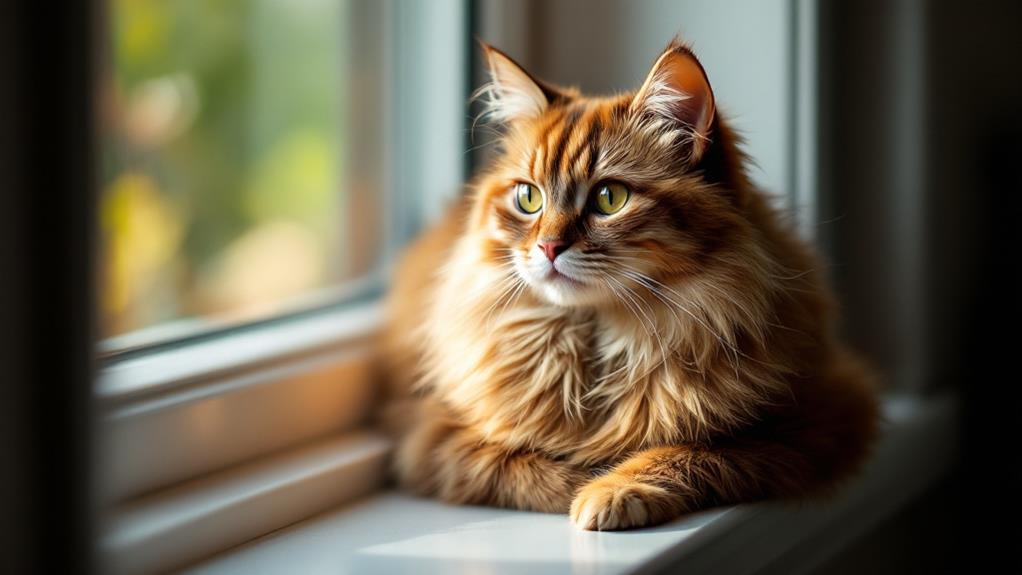
The Javanese cat is a refined and talkative feline companion that's bound to captivate you with its striking blue eyes and elegant appearance. These sociable cats thrive in affectionate households, creating strong bonds with family members and getting along famously with children and other pets. Known for their playful energy and vocal tendencies, Javanese cats will fill your home with a variety of sounds, from gentle meows to charming trills. They're highly trainable and love learning new tricks, making them perfect for interactive play. Curious about their origins, care, and how to find one? There's more to investigate.
Overview and Characteristics
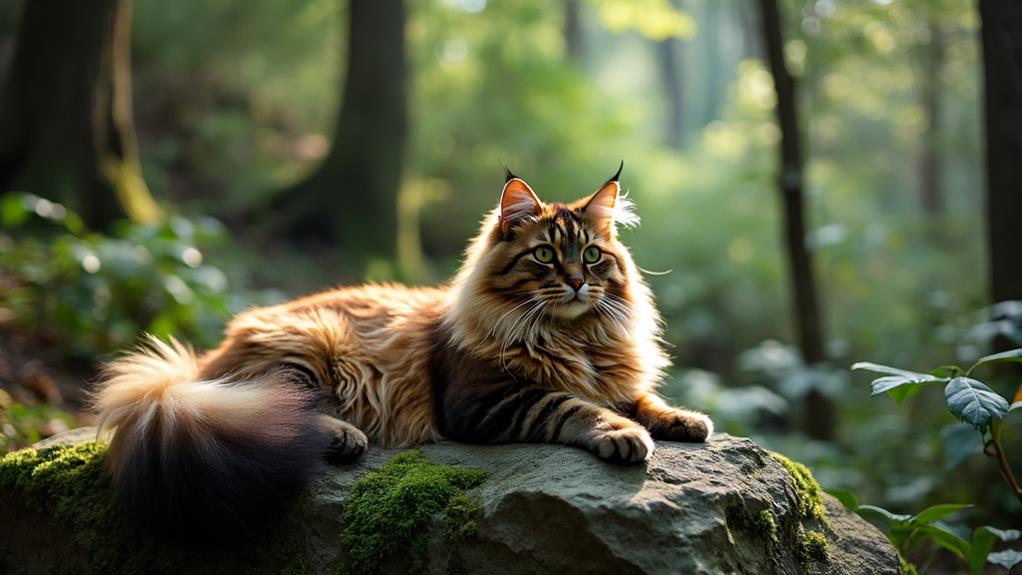
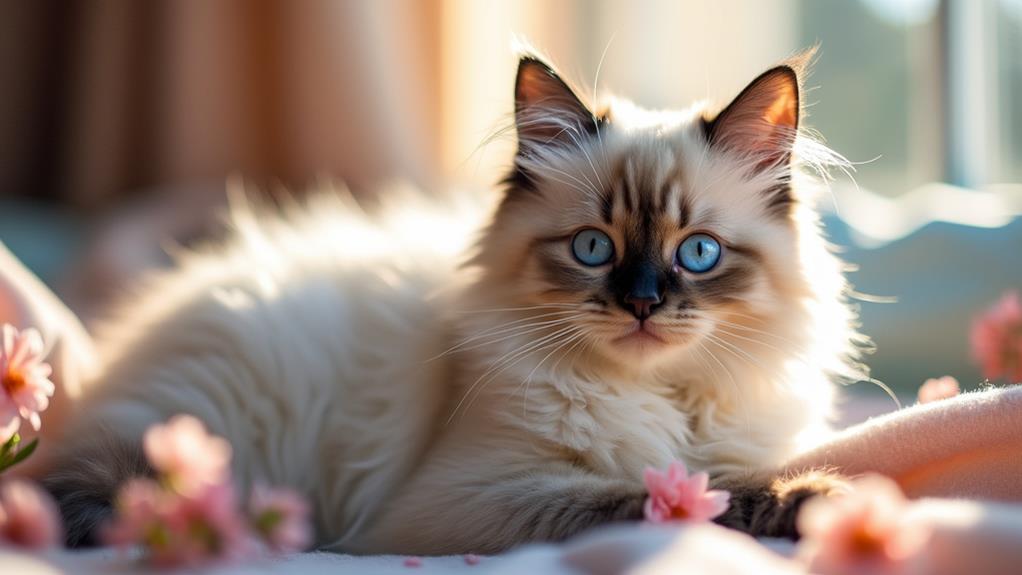
The Javanese cat stands out with its elegant appearance, featuring a long, slender body and a muscular build. This graceful breed boasts a luxurious medium-length silky coat that adds to its striking appearance. Its enchanting blue almond-shaped eyes and large, triangular ears improve its refined look, making it a true visual delight. Originating in the 1950s in the United States, the Javanese cat is closely related to the Siamese, Balinese, and Oriental breeds.
When it comes to personality, the Javanese cat is known for its affectionate nature and playful disposition. As a highly social creature, it thrives on human interaction and enjoys being a part of family activities. This makes them ideal pets, especially in households where they can be around people or other animals frequently.
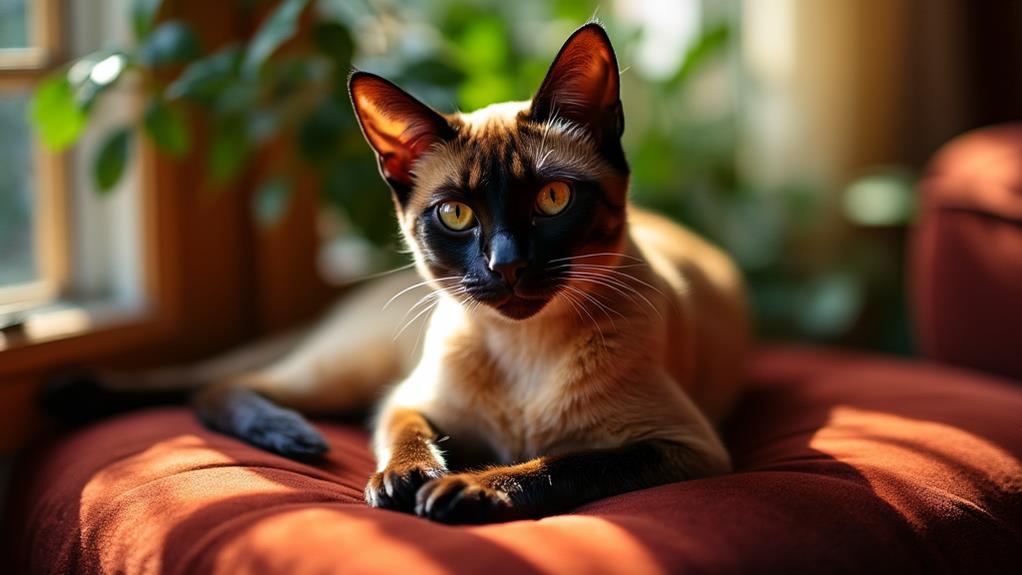
The Javanese cat comes in a variety of colorpoint patterns, including seal, blue, chocolate, lilac, red, cream, and tortoiseshell. These patterns not only improve their beauty but also offer potential owners a wide range of choices. With their combination of striking looks and engaging personality, Javanese cats make excellent companions for anyone seeking a lively and loving pet.
Temperament and Behavior
With their highly social nature, Javanese cats thrive on building strong bonds with their human companions. They're incredibly affectionate, constantly seeking interaction and attention. You'll find them enthusiastic to be by your side, regardless of it's during quiet moments or lively family activities. Their vocal nature is unmistakable, as they love to communicate with a wide array of sounds, from gentle meows to charming trills, often seeming like they're holding a conversation with you.
These cats possess an energetic temperament, making regular playtime and mental stimulation vital for their well-being. They're not ones to sit idle; instead, they relish interactive play that challenges their agility and intelligence. Javanese cats fit well into active households, where their need for companionship and activity is met.
Their outgoing personality means they get along splendidly with children and other pets, making them ideal for multi-pet households. However, it's important to guarantee they're not left alone for extended periods, as they can become depressed or anxious without sufficient social interaction. By providing a lively, loving environment, you'll nurture those strong bonds and keep your Javanese cat content and engaged.
Training and Intelligence
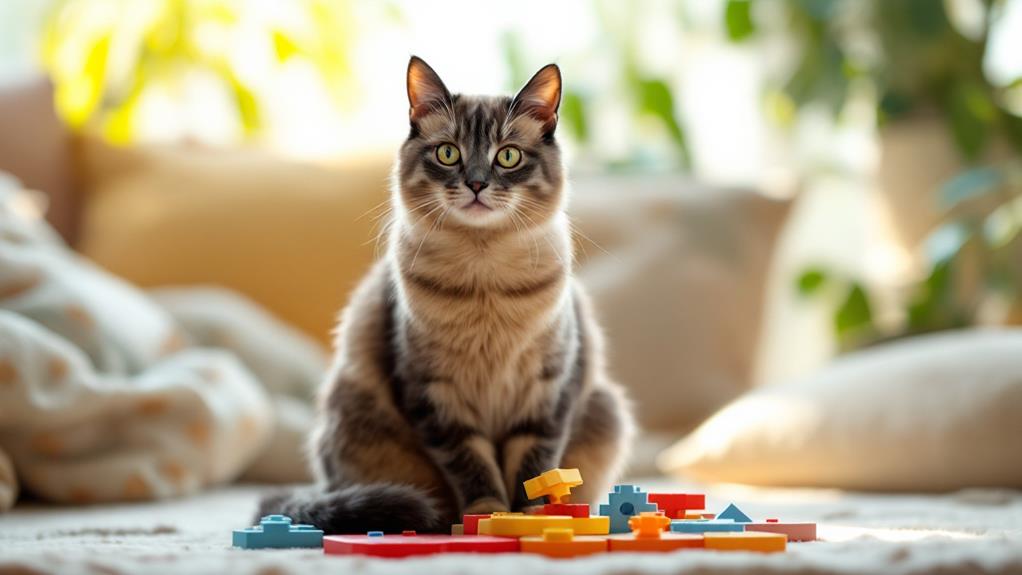
Harnessing the intelligence of Javanese cats opens up a world of training possibilities. These felines are highly trainable, and their curious nature makes them enthusiastic learners. By using positive reinforcement methods, you can teach your Javanese cat a variety of commands and tricks. Treats, praise, and affection work wonders in reinforcing desired behaviors. Their playful nature means they enjoy the process, turning training sessions into fun bonding activities.
Javanese cats are natural problem solvers, thriving on mental stimulation. Interactive play and puzzle toys that challenge their minds keep them entertained and engaged. Regular training not only improves their obedience but also strengthens your bond with them. As you work together, you'll notice how quickly they pick up new skills and how eagerly they respond to your cues.
Incorporating training into your Javanese cat's routine helps prevent boredom and promotes general well-being. These cats crave mental engagement, and structured activities fulfill that need. Their intelligence makes them excellent companions, always curious and ready to learn. By embracing their trainability, you're not just teaching commands; you're enriching their lives and creating a fulfilling and harmonious relationship.
Health and Grooming
Caring for your Javanese cat's health and grooming needs is essential for their well-being. Javanese cats are generally healthy, but they can be prone to respiratory issues, dental problems, and genetic conditions like Progressive Retinal Atrophy (PRA) and lysosomal storage disease. To keep your feline companion in top shape, schedule regular veterinary check-ups. These visits are critical for early detection and management of potential health concerns, ultimately contributing to their average lifespan of 12 to 16 years.
Grooming your Javanese cat is straightforward and requires minimal effort. A weekly brushing is usually sufficient to maintain their medium-length, silky coat, helping to prevent matting and control moderate shedding. Regular dental care is just as significant; brushing your cat's teeth and seeking professional cleanings can help preserve their oral health and prevent periodontal disease.
Providing a balanced diet is key to supporting their general health, but be cautious of obesity, especially as your cat grows older. Monitoring their weight and adjusting their diet as needed can help you maintain their health and vigor. By focusing on these aspects, you can guarantee your Javanese cat remains a happy and healthy companion.
Nutritional Needs
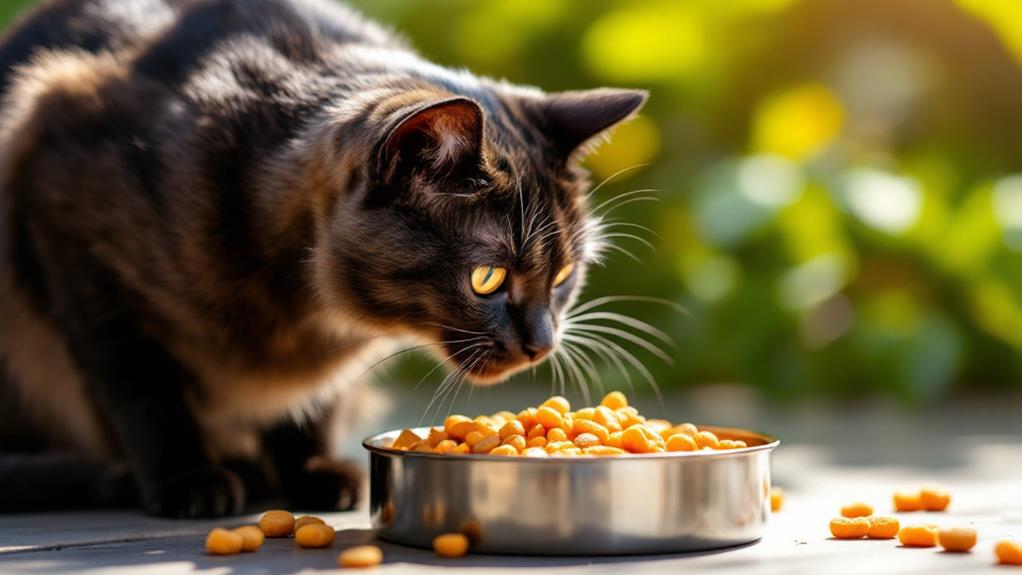
While maintaining their health and grooming is significant, understanding your Javanese cat's nutritional needs is likewise fundamental. A high-quality, high-protein diet is essential for supporting their energetic and active lifestyle. This dietary approach plays a key role in guaranteeing their overall health and well-being. Providing a balanced diet enriched with important amino acids, vitamins, and minerals promotes muscle development and boosts immune function.
For kittens, it's necessary to offer specially formulated kitten food during their initial year to meet their growing nutritional needs. Adult Javanese cats benefit from healthy weight formulas, which help manage obesity effectively. Monitoring food intake and adjusting portions according to their activity level can help maintain a healthy weight, contributing to their longevity, which usually ranges from 12 to 15 years.
You should consult with a veterinarian to understand specific dietary needs and receive personalized recommendations. They can guide you in selecting high-quality cat food brands that cater to the unique nutritional requirements of the Javanese cat. With these dietary strategies, you can guarantee your feline companion thrives in peak health and vitality.
History and Origins
The Javanese cat's expedition began in the 1950s in the United States as breeders sought to create a long-haired variation of the Siamese, initially dubbing it the Long-haired Siamese. They aimed for an elegant feline with a luxurious coat, capturing the grace and poise reminiscent of Balinese dancers. This endeavor involved selective breeding, focusing on coat length and the distinctive colorpoint patterns.
The origins of the Javanese are closely tied to both the Siamese and Balinese breeds. While the Siamese contributed the foundation, the Balinese influenced its striking elegance and medium-length coat. Breeders worked diligently to refine these traits, ultimately producing cats in a variety of colors, including seal, blue, chocolate, and lilac. Each shade added a unique allure, enhancing the breed's overall charm.
In 1987, the Cat Fanciers' Association (CFA) officially recognized the Javanese as a distinct breed, cementing its place in feline history. This recognition marked a significant milestone, acknowledging the breed's distinct characteristics and solidifying its identity apart from its close relatives. The Javanese cat stands today as a representation of the dedication of breeders, celebrated for its unique origins and elegant presence.
Physical Attributes
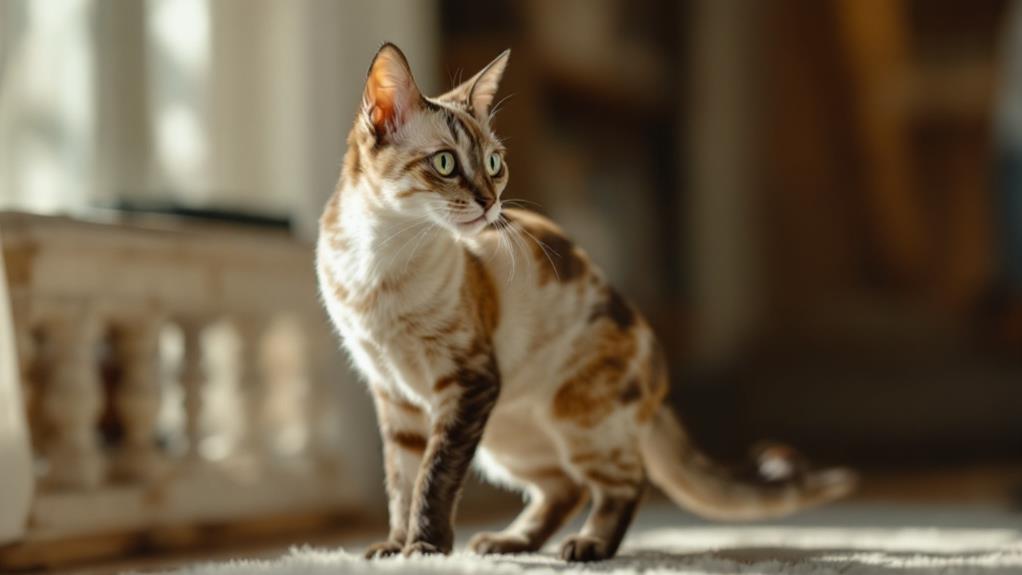
Building on its rich history and refined origins, the Javanese cat fascinates admirers with its distinct physical attributes. This feline's medium-length, silky coat is not only a pleasure to touch but also a visual treat with its diverse colorpoints—ranging from seal and blue to chocolate, lilac, and tortoiseshell. Such diversity in coloring amplifies the breed's elegant look and makes each Javanese unique.
You'll notice their lithe yet muscular build, which contributes greatly to their agility and playful nature. This physical prowess allows them to move with grace and ease, making them both enchanting and entertaining companions. The Javanese's head showcases a long, tapering wedge shape that gives them a distinctive Siamese-style appearance. Their large, triangular ears, with wide bases, not only improve their elegant look but also contribute to their keen sense of hearing.
Of course, the highlight of the Javanese cat's appearance is their striking blue almond-shaped eyes. These eyes are not just visually striking; they reflect an expressive demeanor that reveals their intelligent and curious nature. With such enthralling physical traits, the Javanese cat is truly a stunning addition to any home.
Finding a Javanese Cat
Looking to bring a Javanese cat into your home? Adoption opportunities for these elegant felines can be limited due to their rarity in shelters and rescues. However, you can investigate several avenues to find your perfect feline companion. Start by consulting tools like Petfinder, which can help locate Javanese or similar cats in need of a home. Be cautious, though, as non-purebred cats might be mislabeled as Javanese, so it's essential to evaluate each cat carefully.
If adoption proves challenging, consider reaching out to local breeders. Confirm they adhere to ethical breeding practices by checking their reputation and verifying their credentials. Reputable breeders will prioritize the health and well-being of their cats, offering you a well-cared-for companion.
Engaging with the Javanese cat community can also be beneficial. Attend cat shows and join breed clubs to connect with fellow enthusiasts. These networks often provide valuable resources and lead to reputable breeders or adoption opportunities. By immersing yourself in this community, you'll gain insights and make informed decisions about welcoming a Javanese cat into your family. With persistence and the right resources, you'll find the perfect feline companion.