Japanese Akitainu: The Courageous Japanese Hunting Dog
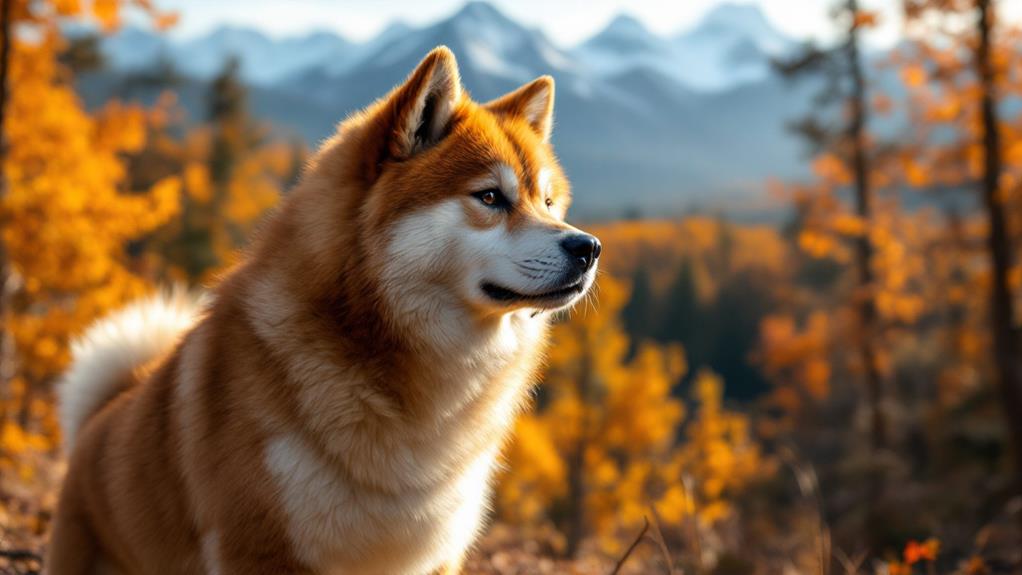
The Japanese Akitainu, a courageous hunting dog, hails from Japan's mountainous regions and was bred for hunting large game like bears and boar. This breed is known for its robust build, keen intelligence, and unwavering loyalty. With a thick, water-resistant coat, it thrives in harsh weather, displaying both elegance and strength. You'll find the Akitainu fiercely protective yet affectionate, a trait that makes socialization crucial. While they can be reserved with strangers, they're full of love for family. Immerse yourself in the intriguing history and learn about the legendary tales and care tips that make this breed special.
Origin and History
Originating in the rugged mountainous regions of Japan, the Japanese Akitainu boasts a rich history intertwined with the country's nobility. This breed was initially bred for hunting large game such as bears, boar, and deer. As you explore the history of the Japanese Akitainu, you'll uncover its critical role in the 17th century when it became a favorite among Japanese nobility. These dogs were prized for their strength and endurance, showcasing their remarkable hunting prowess.
However, the Japanese Akitainu's history faced a severe challenge during World War II. The breed suffered a significant decline due to cross-breeding and the wartime destruction of non-combat dogs. This period brought the Japanese Akitainu to the brink of extinction. But thanks to post-war efforts by dedicated breeders like Morie Sawataishi, the breed experienced a revival. Sawataishi focused on pure breeding to preserve the breed's unique characteristics, ensuring its survival.
Today, the Japanese Akitainu is celebrated as a national gem in Japan, symbolizing good health and long life. Its cultural significance is further solidified through stories like that of Hachikō, making it an enduring icon.
Physical Traits
When you initially encounter a Japanese Akitainu, you'll notice its striking physical presence, defined by a robust and powerful build. This spitz type breed typically weighs between 70 to 130 pounds, with males generally being larger than females. Standing about 24 to 28 inches tall at the shoulder, the Akitainu's stature exemplifies strength and elegance. Its thick, double-layered coat is not only a visual highlight but also serves as a practical feature, being water-resistant and providing protection against harsh weather conditions.
You'll find the coat colors of the Akitainu to be quite distinct, often seen in shades of brindle, white, and pinto. These specific patterns are closely tied to their purebred lineage, showcasing the breed's rich heritage. One of the most enchanting features of this dog is its fox-like face, complete with erect ears that improve its dignified and noble appearance. The combination of these physical traits not only makes the Akitainu visually appealing but also underscores its historical role as a courageous hunting companion. Regardless of being in the wild or at home, the Akitainu's physical attributes guarantee it stands out in any setting.
Temperament and Behavior
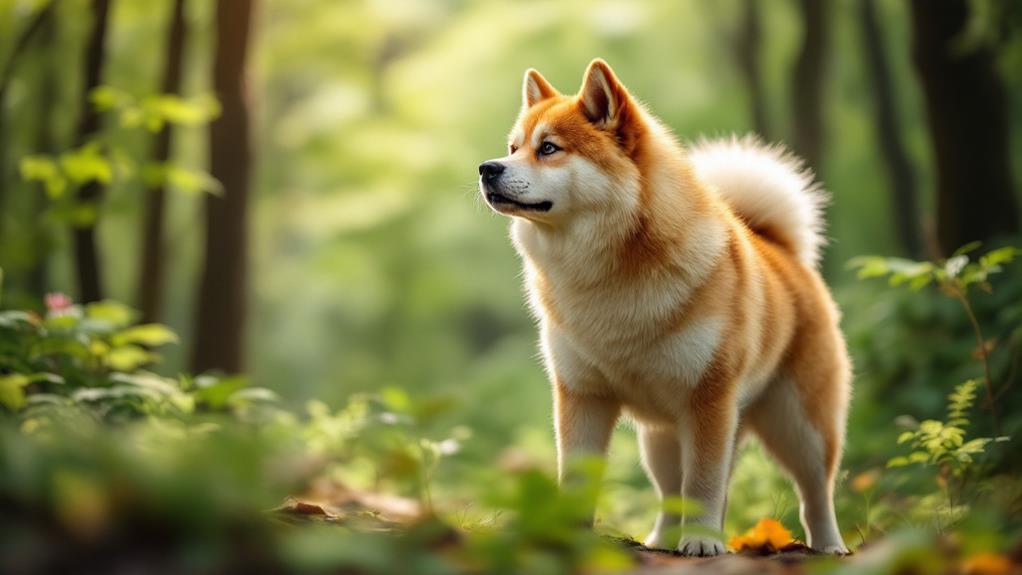
The Japanese Akitainu impresses with its dignified and courageous temperament, embodying a calm demeanor while remaining ever-alert and protective of its family. This breed's temperament is defined by a strong sense of loyalty and affection towards those it considers family. However, without proper socialization, the Akita Inu can become reserved or even aloof around strangers. Early and consistent exposure to diverse people and environments is crucial in shaping a well-balanced temperament.
Your Akita Inu is intelligent and keen to please, making training a rewarding experience when you use positive reinforcement. They respond best to consistent training methods that encourage their natural inclination to learn and adapt. It's significant to bear in mind that this breed has a strong prey drive, so supervising them around small animals can prevent aggressive tendencies from emerging.
Though typically affectionate with family, the Akita Inu might be standoffish with unfamiliar faces. It requires an experienced owner who can manage its protective instincts effectively. If you're considering this breed, prepare to invest time in training and socialization to guarantee your Akitainu grows into a well-adjusted and balanced companion. With the right guidance, their noble temperament truly shines.
Health Considerations
Addressing health considerations for your Japanese Akitainu is essential to guarantee a long and healthy life. With a life expectancy ranging from 10 to 15 years, you can extend this duration by focusing on proper care. Regular veterinary check-ups are important since Japanese Akitainu are prone to health concerns like hip dysplasia and progressive retinal atrophy. These conditions can greatly impact their quality of life if not detected early. Make certain to schedule regular screenings for genetic conditions, particularly those affecting hip and eye health.
Effective weight management is another critical aspect of maintaining your dog's overall health. Obesity can lead to a host of supplementary health issues, so make sure your Akitainu receives a balanced diet and ample exercise. Preventive care, including vaccinations, plays a significant role in safeguarding their longevity and well-being. Consistent vaccinations protect them from common diseases, allowing them to thrive.
Training Techniques
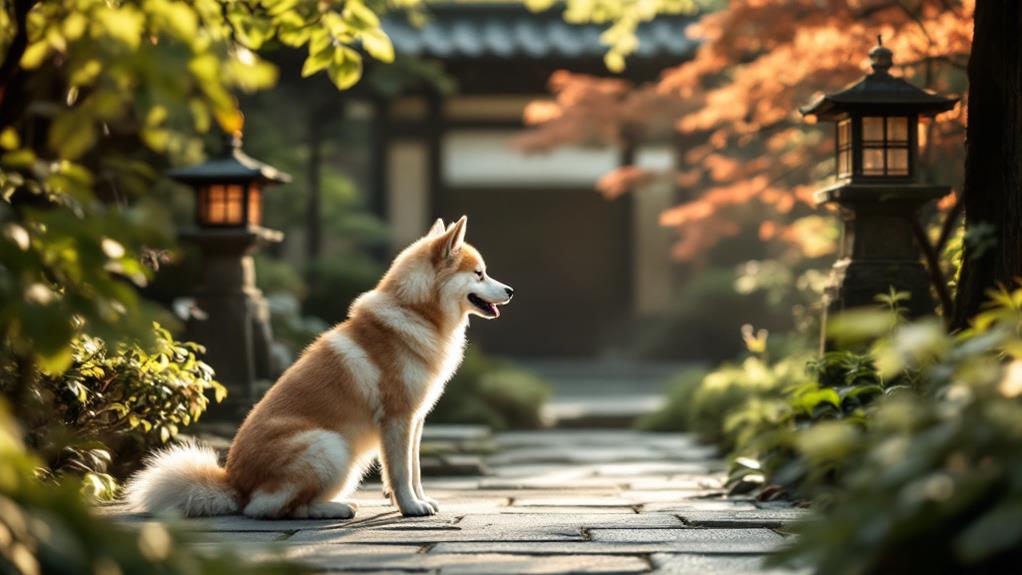
Focusing on your Japanese Akitainu's health is just one part of guaranteeing their complete well-being. Training techniques play a vital role in shaping their behavior and temperament. Since Akitainus are highly intelligent, they respond exceptionally well to positive reinforcement. Use treats, praise, and encouragement to keep them engaged. Consistency is key here—set clear expectations and maintain them throughout the training process.
Early socialization is just as significant for your Akitainu puppy. Encourage interactions with diverse people, animals, and environments to help them grow into well-adjusted adults. This exposure will aid in developing a balanced temperament and reduce the likelihood of behavioral issues later on.
Keep training sessions short and engaging, as Akitainus can lose interest quickly. Incorporate play and mental stimulation to make learning fun and effective. Given their strong prey drive, supervision around small animals is vital. Focus on commands that help manage these instinctual behaviors to guarantee safety and control.
Lastly, establish a structured training routine. Akitainus thrive under strong leadership, and a well-organized approach will foster a harmonious relationship between you and your dog. Remember, patience and consistency are your best tools in this process.
Exercise Needs
Japanese Akitainus typically require moderate to high levels of exercise to stay healthy and happy. Daily walks and playtime are vital to meet their exercise needs, helping to maintain both their physical and mental well-being. Regular physical activity is key to preventing obesity, which is particularly significant due to their predisposition to health issues like hip dysplasia and thyroid problems. Engaging your Akitainu in activities such as obedience training, agility, and lure coursing not only provides excellent exercise but also stimulates them mentally.
Given their strong prey drive, it's imperative to supervise any outdoor activities, especially if you're in areas where smaller animals might be present. Tailoring a consistent daily exercise routine to suit your dog's life stage, weight, and energy level will guarantee they thrive. While Japanese Akitainus and American Akitas share some similarities, each dog's needs can vary. As a result, understanding your specific Akitainu's personality and preferences is fundamental.
Grooming Tips
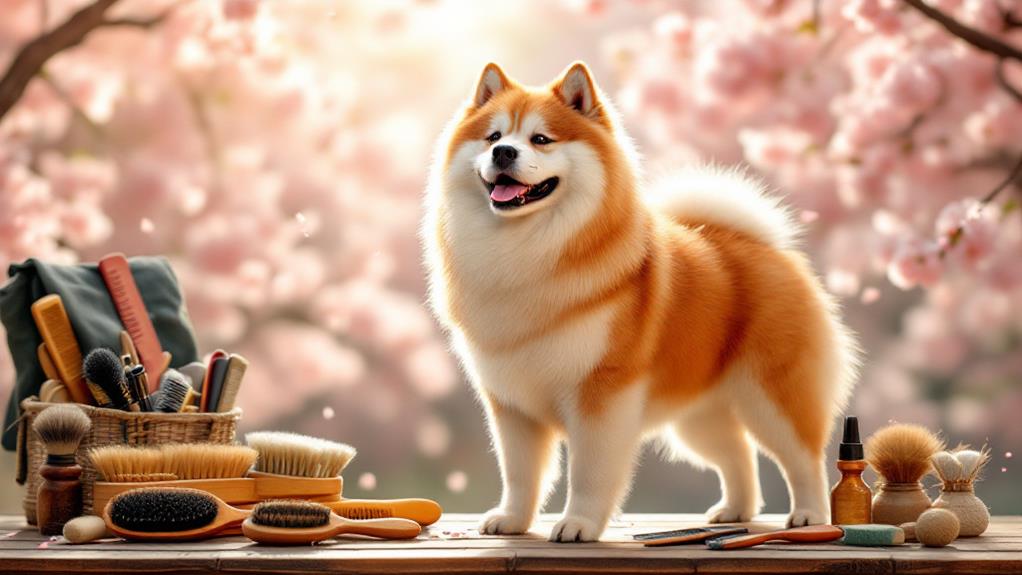
A well-groomed Japanese Akitainu will not only look its best but also enjoy better health. This breed's thick, double-layered coat is water-resistant and requires regular grooming to stay in top condition. Start by brushing your Akitainu once a week to remove loose hair and prevent matting. During shedding season, which happens a couple of times a year, you'll need to increase the frequency of brushing to keep the coat manageable and your home fur-free.
When it comes to bathing, be sparing. Bathing your Akitainu about every three months is usually enough to keep them clean without stripping their coat of vital natural oils. Over-bathing can lead to dry skin and coat problems, so only bathe them when necessary.
Don't forget about their ears. Regular checks and cleaning are imperative to prevent infections, as their ear structure makes them prone to issues. Also, remember to trim their nails every 3-4 weeks. This is significant to prevent discomfort and maintain proper foot health, as long nails can make walking painful. By following these grooming tips, you'll keep your Japanese Akitainu healthy and looking their best.
The Story of Hachikō
With unwavering loyalty that captured the hearts of many, Hachikō's story is one of devotion and resilience. Born in 1923, this remarkable Akita Inu was owned by Hidesaburō Ueno, a professor at Tokyo Imperial University. Hachikō formed an unbreakable bond with Ueno, greeting him daily at Shibuya Station. However, tragedy struck in 1925 when Ueno passed away unexpectedly. Despite his owner's death, Hachikō continued to wait at the station every day for nearly a decade, a symbol of his enduring loyalty.
Hachikō's dedication didn't go unnoticed. His story became a national emblem of loyalty and devotion, inspiring books, movies, and even a statue at Shibuya Station in his honor. This Akita's tale resonated deeply with many, drawing attention to the breed's loyal nature. Despite the challenges the Akita faced during those times, including cross-breeding and wartime destruction, Hachikō's legacy played a significant role in revitalizing the breed's popularity.
Breed Preservation Efforts
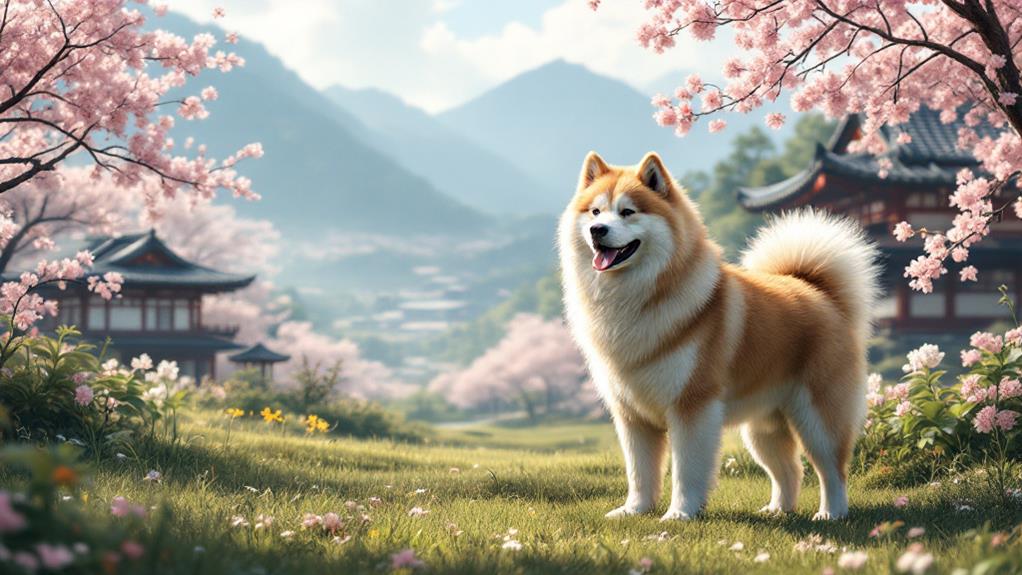
Although the Akita breed faced a severe decline after World War II, dedicated breeders launched significant preservation efforts to guarantee its survival. Pioneering breeders in Japan, like Morie Sawataishi, took it upon themselves to restore the breed using careful breeding practices. They didn't have it easy; the gene pool was limited, so they had to cross Akitas with other breeds like the Tosa Inu and German Shepherds. This strategy was essential in expanding the gene pool, assuring the Akita's lineage didn't fade into obscurity.
In the postwar period, the Ichinoseki and Dewa lines emerged as popular breeding choices. These lines were instrumental in the revival efforts, as they incorporated diverse bloodlines to strengthen the breed. Kongo-Go, a prominent stud, played a major role during this time. His contribution was significant in restoring the Akita's distinct characteristics, cementing his place in breed preservation efforts.
Today, these efforts continue. Breeders on both sides of the Pacific focus on preserving the integrity and health of the Akitainu breed. Their commitment guarantees that this courageous Japanese hunting dog remains a symbol of resilience and pride.
Choosing the Right Puppy
When you're considering a Japanese Akitainu puppy, it's vital to confirm the breed's traits align with your family's lifestyle. These dogs are known for their courage and loyalty, but also require significant exercise and socialization. Before bringing one home, assess if their potential size and temperament suit your household's dynamics.
Selecting the right puppy starts with finding reputable breeders. It's important to verify that breeders provide health testing documentation and detailed information about the puppy's lineage. This guarantees you're getting a healthy and well-adjusted animal. Ask breeders about their experience with the breed and what specific traits they prioritize in their breeding program. This can give you insight into what to expect with your new companion.
Resources like e-books and breed-specific organizations can be invaluable in guiding you through the decision-making process. They offer tips on evaluating breeders and understanding what to look for in a puppy. By taking the time to research and ask the right questions, you'll increase your chances of finding a Japanese Akitainu puppy that's a perfect match for your family. Ultimately, your efforts will lead to a rewarding and lasting relationship with your new furry friend.