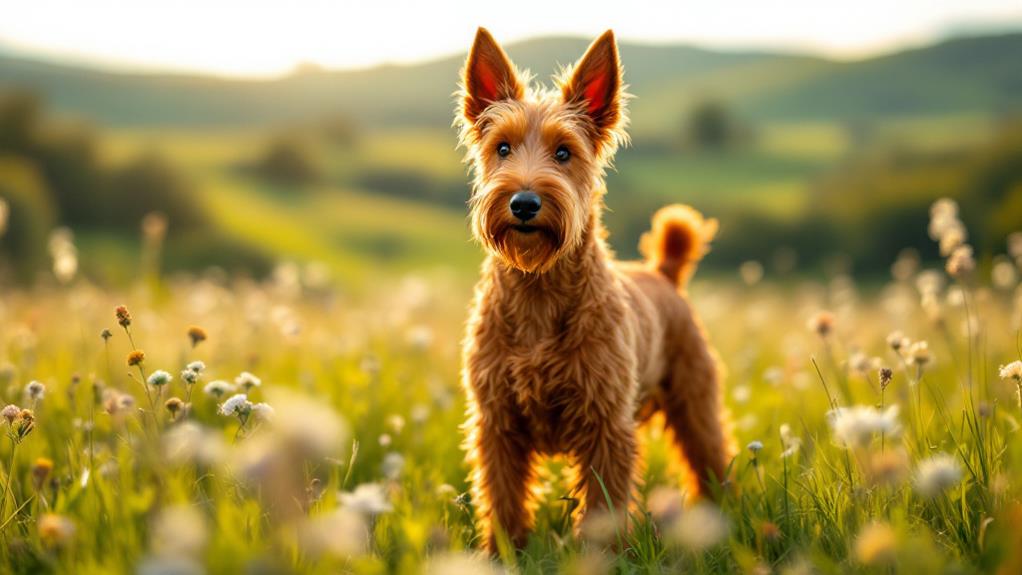
Jack Russell Terrier: The Clever and Energetic Hunting Dog

Jack Russell Terriers are clever, energetic, and highly skilled hunting dogs with a rich history rooted in 19th century England. Revered for their agility and intelligence, these terriers were bred by Reverend John Russell for fox hunting. You'll notice their compact, muscular build and distinctive coats adorned in black or tan patches. Jack Russells have a strong prey drive, making supervision essential around smaller animals. They're ideal for active households, needing consistent exercise and training. With proper care, these robust dogs can enjoy lives up to 16 years. Exploring their characteristics further will reveal the depth of this fascinating breed.
Breed History
The Jack Russell Terrier's history is rooted in the early 19th century when Reverend John Russell aimed to create an agile and efficient fox-hunting dog in England. As a passionate hunter, John Russell sought a breed that could excel in fox hunting, leading to the development of the Jack Russell Terrier. His vision was to have a dog that wasn't just quick and energetic but also intelligent enough to assist during hunts. The Jack Russell Terrier quickly gained favor among sportsmen due to its remarkable hunting abilities.
Distinctive Characteristics
Building on their storied history as agile fox hunters, Jack Russell Terriers boast several distinctive characteristics that set them apart. These compact, muscular dogs typically weigh between 13-20 pounds and stand 10-15 inches tall, yet their size belies their immense energy and spirited nature. They're known for high energy levels, demanding at least 30-45 minutes of vigorous exercise daily to keep their minds and bodies in peak condition. This trait makes them ideal for active families looking for a lively family pet.
Jack Russell Terriers are characterized by their happy, bold, and intelligent temperament, offering companionship with a dash of mischief. Their instinct for hunting is undeniable, but they still thrive as beloved family pets when properly channeled. They come with a variety of coat types, including smooth, broken, or wire, and typically feature a white base with black or tan patches.
Consider these key traits:
- Size and Stature: Compact yet muscular, perfect for both work and play.
- Energy Levels: High energy requiring regular exercise.
- Temperament: Bold, intelligent, and happy.
- Coat Variety: Smooth, broken, or wire with distinct markings.
These unique traits make Jack Russells both enchanting companions and skilled working dogs.
Hunting Instincts

Jack Russell Terriers' origins as fox hunters are evident in their powerful hunting instincts and boundless energy. These small dogs are equipped with a natural prey drive, which motivates them to chase anything that moves, regardless of whether it's a squirrel, a rabbit, or even other dogs. Their hunting instincts are so ingrained that they can sometimes be aggressive towards smaller animals. This behavior makes supervision crucial, especially when they're outdoors or around other pets.
You'll notice that their high energy levels require plenty of outlets. Without regular exercise and mental stimulation, a Jack Russell can become restless, leading to unwanted behaviors. Engaging them in activities that mimic hunting, like fetch or agility courses, can help satisfy their instincts and keep them happy.
Their courageous nature means they won't hesitate to confront larger animals, a reflection of their fearless personality despite their small stature. However, this bravery can sometimes get them into trouble if left to roam freely. Always remember to keep a watchful eye when they're outside, as their strong hunting instincts might lead them astray in pursuit of prey. With proper supervision and activities, you can manage their instincts and guarantee they thrive.
Family Compatibility
Shifting from their hunting instincts, you'll find that Jack Russell Terriers can make wonderful companions for families, especially those with well-behaved children. These dogs are generally friendly and playful, making them excellent family pets. However, their assertive nature means you'll need to supervise interactions with small children. Making sure that playtime remains gentle and appropriate is vital, as they might not tolerate rough handling.
To enhance family compatibility, early socialization is important. This helps Jack Russells adapt to family life and minimizes aggression towards other dogs. Here are some key points to remember:
- Assertive Nature: Supervise play to make certain interactions are safe and gentle.
- Early Socialization: Introduce them to diverse situations and animals early on.
- High Energy Levels: Provide daily exercise and mental stimulation to keep them happy and well-behaved.
- Lifestyle Compatibility: Consider if your family can meet their need for activity and companionship.
Jack Russells are ideal for active households ready to engage in regular physical activities. Evaluating your lifestyle's fit with their needs guarantees you and your Jack Russell thrive together, forming a harmonious partnership.
Training Essentials

In regards to training fundamentals for your Jack Russell Terrier, consistency and firmness are vital. Given their high intelligence and strong-willed nature, it's important to start training early with short, engaging sessions. Focus on basic obedience commands like sit, stay, come, and leave it. Establishing clear boundaries will help communicate effectively with your Jack Russell, ensuring they understand what's expected of them.
Socialization plays a significant role in their training. Regular exposure to other dogs and environments prevents aggression and helps them learn that not every animal is prey. This is particularly vital due to their strong hunting instincts. A well-socialized Jack Russell is more likely to be friendly and adaptable in different situations.
Always use positive reinforcement methods. Rewarding desired behaviors with treats, praise, or playtime encourages your dog and minimizes stubbornness and mischief. This approach makes training enjoyable for both you and your pet.
Channel their energy and instincts constructively by training specific behaviors, like designated digging areas. This helps manage their high activity levels and keeps them engaged. With the right training approach, your Jack Russell will thrive, becoming a well-behaved and happy companion.
Care and Grooming
Proper care and grooming for your Jack Russell Terrier are straightforward yet vital to keep them healthy and looking their best. Despite their low grooming needs, you should still pay attention to several key aspects. Their coat requires only weekly brushing and occasional baths to maintain its condition. Regular nail trimming, ideally once a month, is important to prevent injury and guarantee your dog walks comfortably.
To guarantee your Jack Russell Terrier thrives, their diet must be carefully monitored. A balanced, high-quality diet is vital for maintaining their health and energy. Feeding them twice a day supports their active lifestyle, preventing unnecessary weight gain and guaranteeing they have the energy needed for their daily activities.
Routine care goes beyond grooming and diet. Here's a simple checklist to help:
- Weekly brushing - Keeps their coat healthy and minimizes shedding.
- Monthly nail trims - Prevents discomfort and injury.
- Balanced diet - Fuels their energetic nature.
- Regular check-ups - Important for early detection of health issues.
Lastly, keep in mind that Jack Russells need 30-45 minutes of vigorous exercise each day. Activities like jogging or interactive play are perfect to keep their energy in check and prevent behavioral problems.
Health Concerns

In regard to health concerns, Jack Russell Terriers, despite being generally robust, are not without their vulnerabilities. They have an impressive lifespan of 13 to 16 years, but genetic conditions like Legg-Calve-Perthes disease and patellar luxation can affect them. Moreover, eye disorders, such as glaucoma and lens luxation, and deafness, particularly in white-coated individuals, are common health issues you should watch for.
Regular veterinary check-ups are essential in identifying and managing these conditions early. Your vet can help you screen for genetic issues, like severe combined immunodeficiency (SCID), although less than 1.1% of Jack Russells carry the SCID allele. By keeping up with these check-ups, you can guarantee your Jack Russell remains healthy and catches any potential problems before they worsen.
Nutrition plays a significant role in your dog's health and longevity. Providing a balanced diet supports their general well-being and helps prevent obesity-related issues. Pairing proper nutrition with consistent exercise will keep your Jack Russell energetic and happy. Staying informed about their health concerns and maintaining regular vet visits and a good diet will give your Jack Russell the best chance at a long, healthy life.
Exercise Requirements
In relation to exercise, Jack Russell Terriers are a bundle of energy that needs an outlet. Their high energy levels demand a minimum of 30-45 minutes of vigorous exercise daily. This is essential for maintaining not only their physical but also their mental health. Without meeting these exercise requirements, Jack Russells may develop behavioral issues like excessive barking or digging due to boredom.
To effectively channel their energy, consider engaging them in activities they love. Here's how you can meet their exercise needs:
- Jogging: A perfect way for both of you to stay fit, while satisfying their urge to move.
- Agility Training: Their agility and intelligence make them excellent candidates for agility courses, offering both mental and physical stimulation.
- Fetch: Simple yet effective; playing fetch helps them burn off energy in a fun way.
- Interactive Games: These stimulate their inquisitive minds, offering mental challenges they crave.
Structured exercise routines, including opportunities for off-leash play in secure areas, cater to their strong hunting instincts. By incorporating these activities, you'll help your Jack Russell lead a happy, healthy, and balanced life, meeting their high energy levels and mental health needs.
Adaptability

When considering a Jack Russell Terrier as a pet, it's important to understand their adaptability. These dogs can fit into different environments, from lively city apartments to spacious suburban homes. Thanks to their small size, usually between 10 to 15 inches tall and 11 to 20 pounds, they're suited for smaller living spaces. However, their adaptability relies heavily on their owner's commitment to providing proper training and plenty of exercise.
Jack Russell Terriers are known for their inquisitive and active nature. They thrive in environments that offer mental stimulation and physical challenges. To successfully adapt to apartment living, they need at least 30-45 minutes of vigorous activity daily. This exercise helps manage their high energy levels and prevents destructive behavior. Without it, their strong hunting instincts might make them unsuitable for sedentary lifestyles or homes lacking space for activity.
An experienced dog owner will establish a structured routine and provide consistent training to channel a Jack Russell Terrier's energy positively. By creating an engaging environment, you can guarantee these clever hunting dogs adapt well, regardless of their living situation. Just remember, their adaptability hinges on your willingness to meet their unique needs.
Preservation Efforts
Preservation efforts for the Jack Russell Terrier focus on maintaining its legacy as a functional working dog. The Jack Russell Terrier Club of America (JRTCA) is at the forefront, advocating for preservation through responsible breeding. They guarantee that Jack Russell Terrier breeders prioritize the breed's working abilities and health, not just looks. You can support these efforts by understanding the preservation goals and responsible ownership practices.
Here are four key actions you can take:
- Educate Yourself: Learn about the unique needs and characteristics of Jack Russells. This knowledge helps you appreciate why preservation is essential.
- Choose Responsible Breeders: Look for breeders who emphasize responsible breeding practices, guaranteeing that your dog is a capable working dog, not just a pretty face.
- Commit to Training and Socialization: Proper training and socialization are fundamental. They help prevent behavioral issues, keeping your Jack Russell a reliable working companion.
- Support Breed Clubs: By supporting organizations like the JRTCA, you're helping to uphold the breed's standards and reputation.
With dedication, you can play a role in preserving the Jack Russell Terrier's heritage, guaranteeing they remain energetic, intelligent, and versatile working dogs.