Is It Possible to Kitten-Proof Your Home? Steps to Ensure Safety
Kitten-proofing your home is not only possible but vital for your furry friend's safety. Start by evaluating your home for hazards like electrical cords, small objects, and toxic plants. Secure fragile items and lock away cleaning supplies and medications. Cover exposed wires and store food safely. Create a stimulating indoor environment with cat-safe plants and play structures. Regularly supervise your kitten, especially near potential fire hazards. Setting up safe play areas supports both investigation and safety. By understanding your kitten's curiosity, you can create a secure space. Investigate further to uncover detailed strategies and tips for complete peace of mind.
Understanding Kitten Curiosity
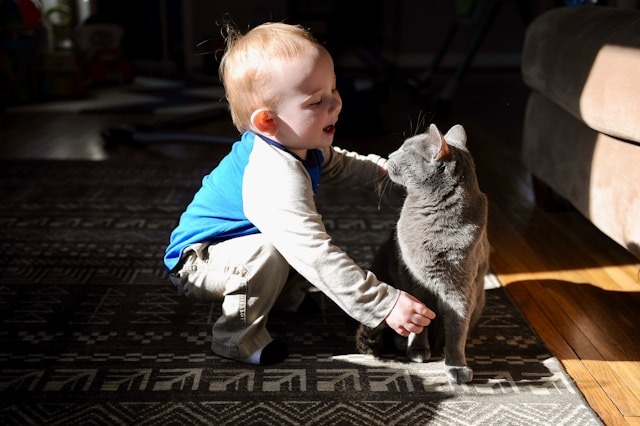
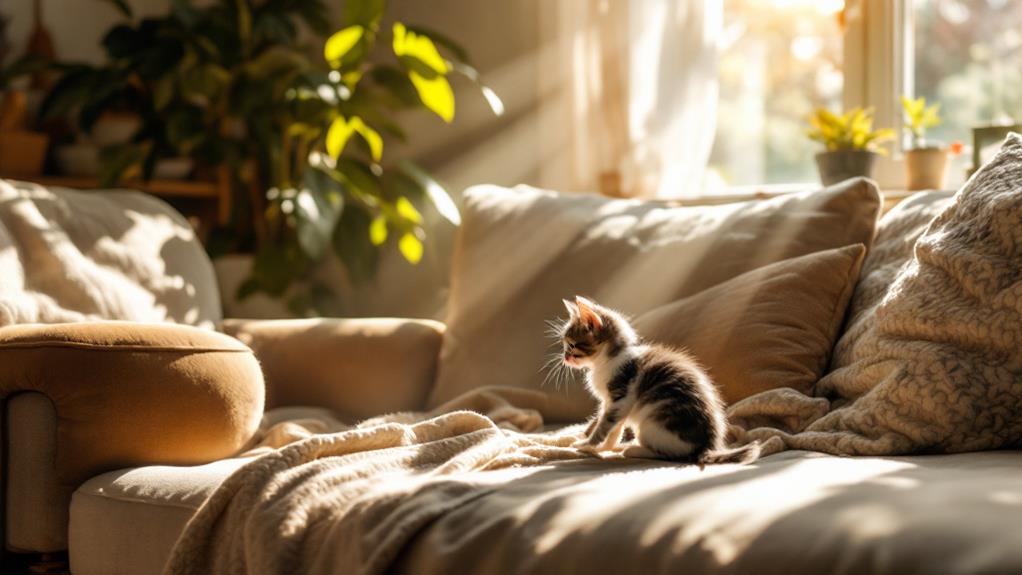
Kittens are naturally inquisitive, and their playful antics often lead them into every nook and cranny of your home. As inquisitive creatures, they're constantly examining their surroundings, enthusiastic to play and uncover new things. This curiosity is both adorable and potentially hazardous. Your adventurous kitten might chew on multiple objects, unaware of the dangers they pose. Items like electrical cords, small toys, or even household plants can become targets for their tiny teeth, increasing the risk of choking or digestive issues.
Creating a safe environment is vital. You want to encourage their playful spirit without exposing them to unnecessary risks. By understanding their behavior, you can better anticipate where they might venture next. They could attempt to reach high shelves, where they might knock over fragile items. It's important to secure areas that could pose a threat, ensuring your home remains a safe playground for them.
While you can't eliminate every potential hazard, being proactive will help your kitten navigate safely. Their natural inclination to investigate is a sign of healthy development, so allow them the freedom to roam, but always stay one step ahead in safeguarding their environment.
Assessing Home Hazards
As you welcome the delightful curiosity of your kitten, it's vital to concentrate on evaluating the potential hazards within your home. Start by conducting a thorough inspection, focusing on areas like high shelves with fragile items and low cupboards where your kitten might hide. When examining home hazards, pay close attention to loose cords, small objects, and items that could easily be knocked over, particularly in rooms your kitten frequently accesses.
It's important to keep your home free of accessible hazardous materials. Make sure cleaning supplies and medications are securely stored out of your kitten's reach. This precaution helps prevent accidental ingestion, which could lead to serious health issues. As you kitten-proof your home, remember to evaluate climbing opportunities. Furniture and shelves might tempt your kitten to investigate, so verify they're secure or inaccessible to prevent potential falls or access to dangerous areas.
Lastly, scrutinize your home layout for small objects like rubber bands or paper clips that could pose choking hazards. These items should be promptly removed from areas your kitten can reach. By thoroughly examining these risks, you'll create a safer environment for your curious new companion.
Securing Dangerous Items
Vigilance is key when securing dangerous items in your home to protect your kitten from harm. Start by storing all hazardous materials, like cleaning supplies and medications, in secure cabinets or locked areas. This prevents your curious kitten from accessing them. Childproof locks are a great enhancement to cabinets containing these items, guaranteeing they remain out of reach.
Next, address small objects. Items such as paper clips, thumbtacks, rubber bands, ribbons, and twine can be choking hazards. Keep these stored away in closed containers or drawers. Regularly scan your home to verify none are left within your kitten's reach.
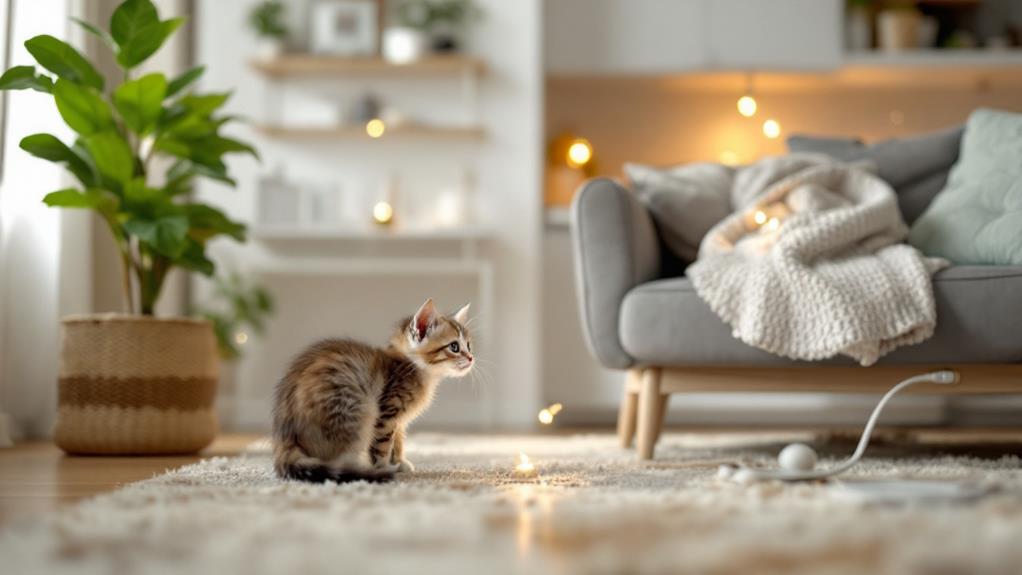
Don't overlook electrical cords. Loose cords can attract kittens, who may chew on them. Cover exposed wires with protective coverings to prevent accidents or potential electrocution. This simple step keeps your furry friend safe from electrical dangers.
Food and Plant Caution
To frequently guarantee your kitten's safety, be mindful of the food and plants you have around your home. Kittens are naturally curious and might not distinguish between safe and toxic items. Make certain you cover all food items and store leftovers securely. Use childproof locks on cabinets containing potentially harmful substances, keeping them out of your kitten's reach.
You should also research household plants thoroughly. Some common plants, like lilies, are toxic to kittens and can cause severe health issues if ingested. Removing or relocating toxic plants is a proactive step to guarantee your kitten's safety. Opt for cat-friendly plants to keep both your home and your furry friend happy.
Here's how you can protect your kitten from toxic surprises:
- Store leftovers securely: Prevent access to hazardous treats.
- Choose safe plants: Avoid toxic ones like lilies.
- Install childproof locks: Keep dangerous items out of reach.
Taking these precautions will help create a safer environment for your kitten. Every small step, like keeping toilet lids down and making certain drapes are out of reach, contributes to a home where your kitten can explore without encountering unexpected dangers.
Outdoor Protection Strategies
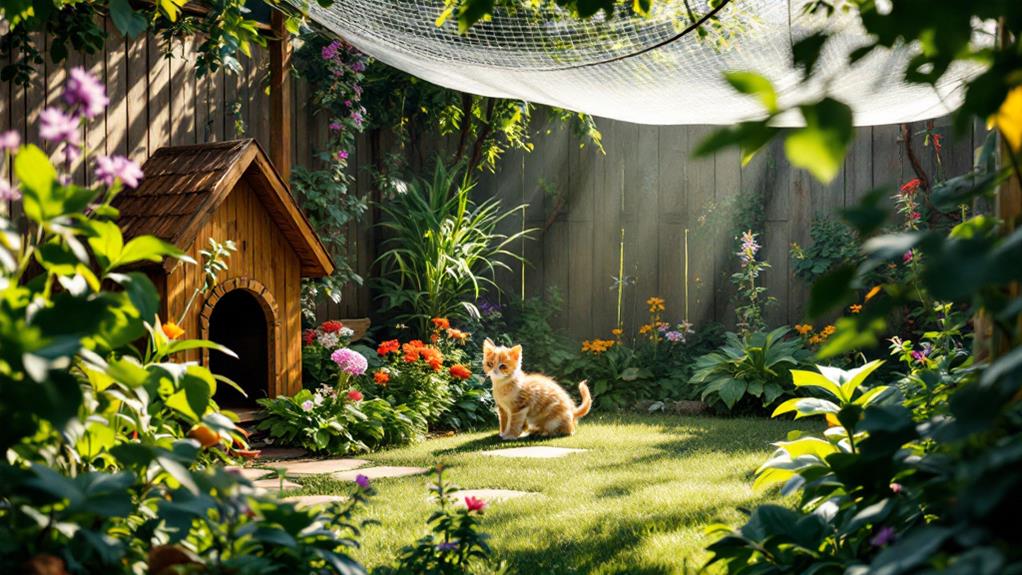
As far as allowing your kitten to investigate the great outdoors, keeping them safe should be your top priority. Begin by ensuring any outdoor exploration is closely monitored. This helps protect your kitten from dangers like traffic, predators, and toxic plants. Use animal-safe pest control methods to avoid exposing your kitten to harmful chemicals often present in traditional treatments. By doing so, you create a safer environment for them to enjoy.
Clear your yard of dangerous materials such as snail bait, traps, and sharp objects. These can pose serious risks to your kitten, so removing them is crucial. Encouraging indoor play with engaging toys can also minimize the necessity for outdoor play, reducing exposure to potential hazards. Create a secure indoor environment with climbing structures and play areas to keep your kitten entertained and satisfied without needing to venture outside frequently.
Electrical and Fire Safety
When kitten-proofing your home for electrical and fire safety, it's vital to address all potential hazards. Start by shortening exposed electrical cords or covering them with protective materials. This prevents your curious kittens from chewing on them, which could lead to electrical shock or even fire risks. Regularly inspect your home for frayed wires and replace any damaged cords immediately to reduce the chance of electrocution or fires born from faulty wiring.
Confirm that all appliances and electrical devices are securely placed and out of reach. Routine checks can help avoid accidents, keeping your furry friends safe. Never leave the stove unattended, and always make sure hot surfaces are inaccessible to prevent burns or accidental fires.
Supervising your kittens around heaters and fireplaces is vital. Reinforce boundaries to keep them away from these hot spots, as they can cause serious injuries. By taking these precautions, you can create a safer environment for your playful companions.
- Imagining a curious kitten chewing on an exposed wire, risking electrocution.
- Visualizing a tiny paw reaching toward a hot stove, unaware of the danger.
- Feeling relief knowing your kitten is safe from fire hazards.
Enriching Indoor Spaces
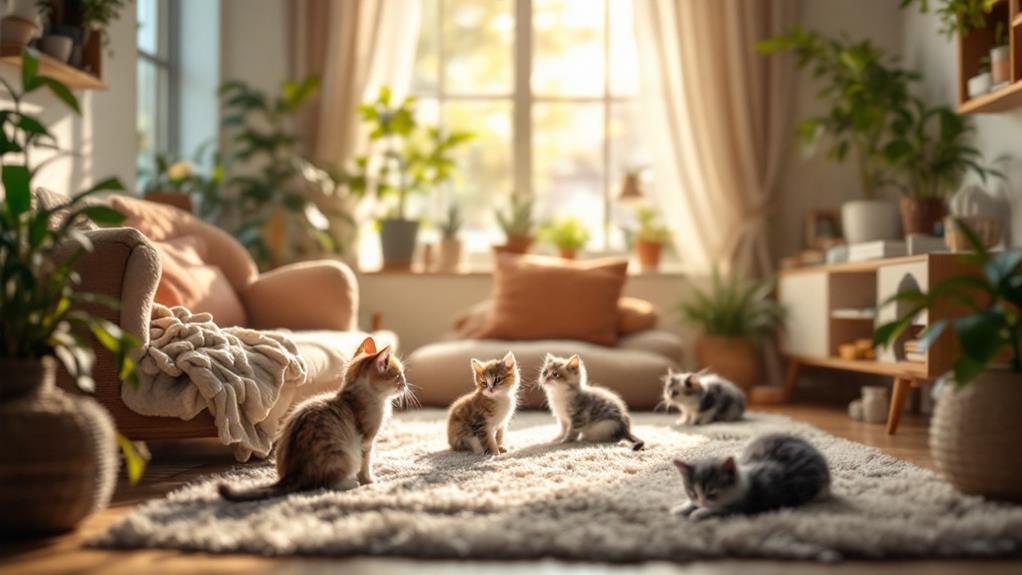
Having tackled the significant aspects of electrical and fire safety, let's focus on enriching the indoor spaces for your kittens. Creating an engaging environment is vital for their mental and physical activity. Start by introducing a variety of interactive playthings like puzzle feeders. These toys not only keep your kittens entertained but also stimulate their minds, reducing boredom and the risk of destructive behaviors.
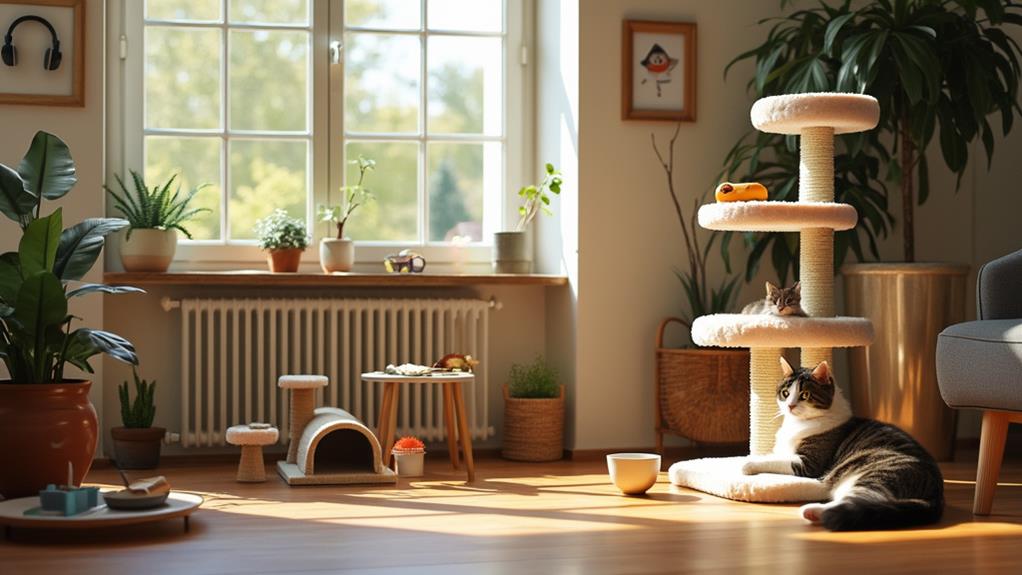
Incorporate vertical spaces using cat trees and shelves. These structures allow your kittens to climb and investigate safely, satisfying their natural instincts to perch and observe. It's a great way to encourage exercise while providing a sense of adventure in a controlled environment. Regularly rotating these toys keeps the play experience fresh, maintaining their interest and promoting active playtime.
Don't forget to create cozy retreat areas with soft bedding. These spots provide your kittens with a safe haven to rest and feel secure, which is necessary for their well-being. Interact with your kittens through play sessions as part of your daily routine. This not only enriches their environment but also strengthens the bond between you and your furry friends, keeping them healthy and happy.
Safe Play and Supervision
Guaranteeing safe play and supervision is vital for your kittens' well-being. By supervising kittens during playtime, you can immediately address dangerous behavior or access to hazardous items. This vigilance helps guarantee their safety as they investigate their environment. Start by gradually introducing them to different areas of your home, monitoring their adventures to prevent accidents and teach them boundaries. It's key to designate specific play areas free from hazards, offering toys and scratching posts to safely redirect their energy.
Regularly inspecting these play areas is critical. Look out for potential dangers like loose cords, small objects, or unstable furniture. By doing so, you're maintaining a kitten-proofing routine that reduces risks. Keeping a consistent playtime schedule not only engages them mentally and physically but also strengthens your bond.
Here's why it matters:
- Peace of Mind: Knowing your kittens are in a safe play environment lets you relax and enjoy their playful antics.
- Increased Bonding: Supervised play strengthens your connection with your kittens.
- Healthier Kittens: Safe, structured play supports their physical and mental development.
Emergency Preparedness Tips
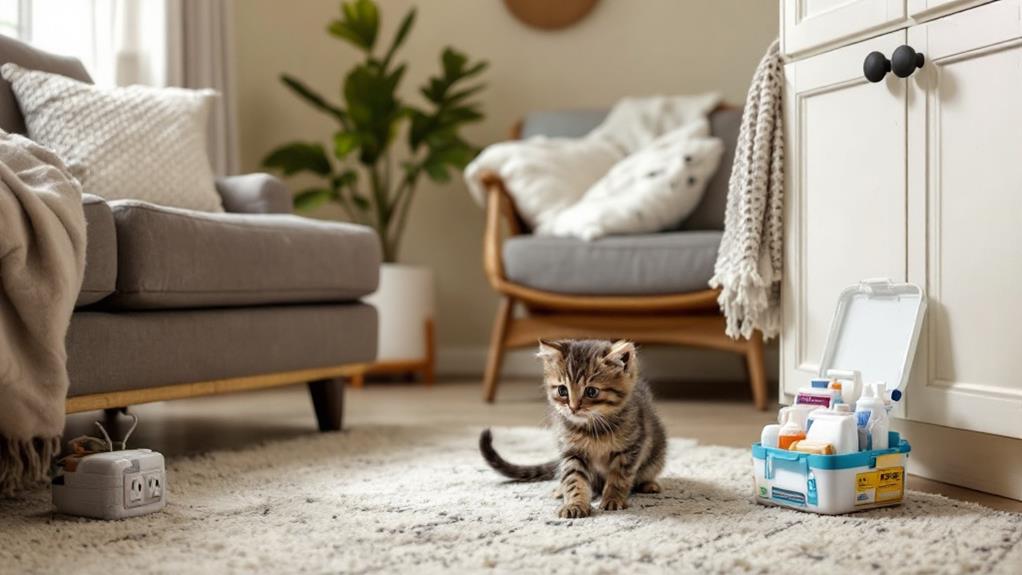
While safe play and supervision provide a foundation for your kitten's well-being, it's just as crucial to be prepared for emergencies. Start by assembling a pet-specific primary aid kit with necessities like bandages, antiseptic wipes, and tweezers to tackle minor injuries. Familiarize yourself with local veterinary services and emergency clinics for quick access when needed.
Keep a list of emergency contacts, including your veterinarian, local animal hospitals, and poison control hotlines, in a visible spot. This guarantees you can act swiftly if your kitten faces a health crisis. An evacuation plan should also be in place, incorporating your pets with carriers, leashes, and a travel bag containing food, water, and medications readily available.
Stay organized by regularly updating your kitten's vaccination and health records, storing them in a safe, easily accessible location. This keeps you ready for any unexpected situation requiring documentation. Furthermore, consider microchipping your kitten, and confirm they wear a safety collar with an ID tag bearing your contact information. This raises the likelihood of a safe return if they ever get lost. With these steps, you'll improve the safety and security of your furry friend during emergencies.
Continuous Monitoring and Training
To guarantee your kitten grows into a well-adjusted adult cat, it's vital to engage in continuous monitoring and training. Kittens need time to learn house rules and boundaries, so consistently supervise their exploration to address potential dangers immediately. Gradually introduce them to different areas of your home, making sure they adjust safely while you keep an eye on their interactions with a variety of household items.
Regular training sessions play an important role in helping your kitten understand acceptable behavior. Calmly redirect any misbehavior, reinforcing the desired behaviors positively. This approach not only teaches them what's appropriate but also builds a trusting relationship between you and your furry friend.
Stay proactive by regularly monitoring your kitten's behavior. This vigilance helps identify areas of interest or potential hazards, allowing you to make necessary adjustments for their safety. Establish a routine that includes:
- Playtime and exploration: Encourage curiosity while maintaining safety.
- Consistent house rules: Reinforce boundaries to guarantee a harmonious living space.
- Positive reinforcement during training sessions: Strengthen your bond and promote good behavior.