Is a Pionus Parrot the Ideal Pet for You? A Complete Guide
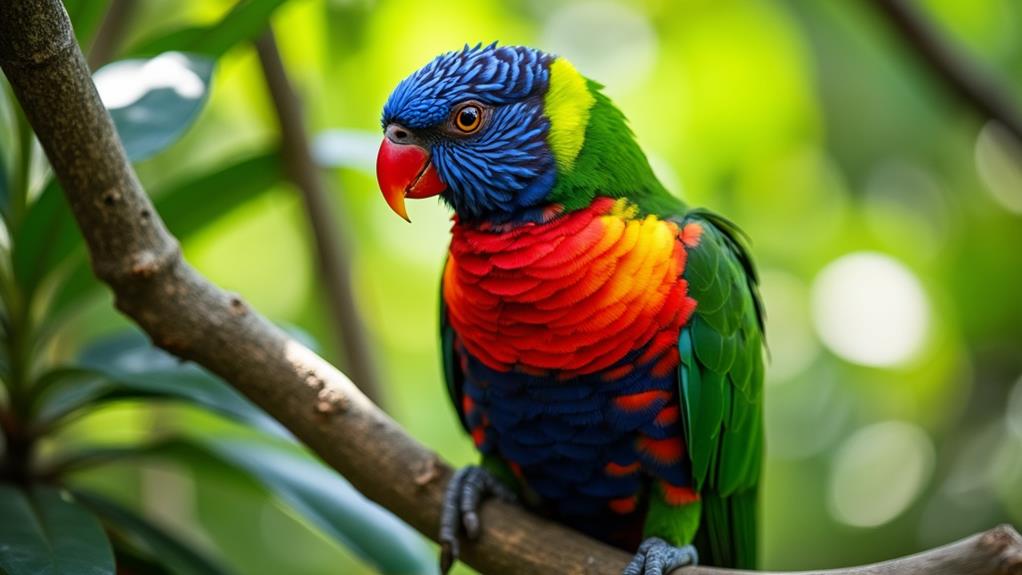
Considering a Pionus parrot as a pet? These charming birds are known for their modest beauty and soft vocalizations, making them great for peaceful homes. They're quieter than many parrots, ideal for apartments. With lifespans of 30-40 years, they require a long-term commitment. Pionus parrots thrive on interaction and display unique behaviors like the "Pionus strut." They need a spacious cage, a balanced diet, and regular vet visits to stay healthy. Choosing between species like the Blue-headed or White-capped depends on your lifestyle. Investigate more to see how a Pionus parrot could be your perfect pet companion.
Key Takeaways
- Pionus parrots are quieter than most parrots, making them suitable for apartment living.
- They require a balanced diet to prevent Vitamin A and D deficiencies.
- Lifespan of 30-40 years demands a long-term commitment from owners.
- Spacious cages with climbing structures and toys are essential for enrichment.
- Regular social interaction is crucial to prevent undesirable behaviors like biting.
Understanding Pionus Parrots
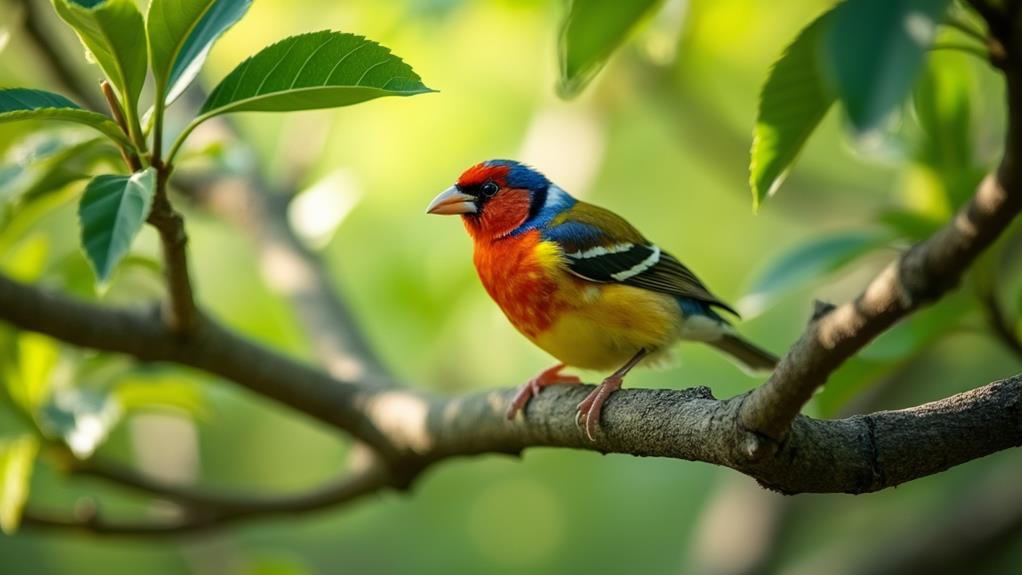
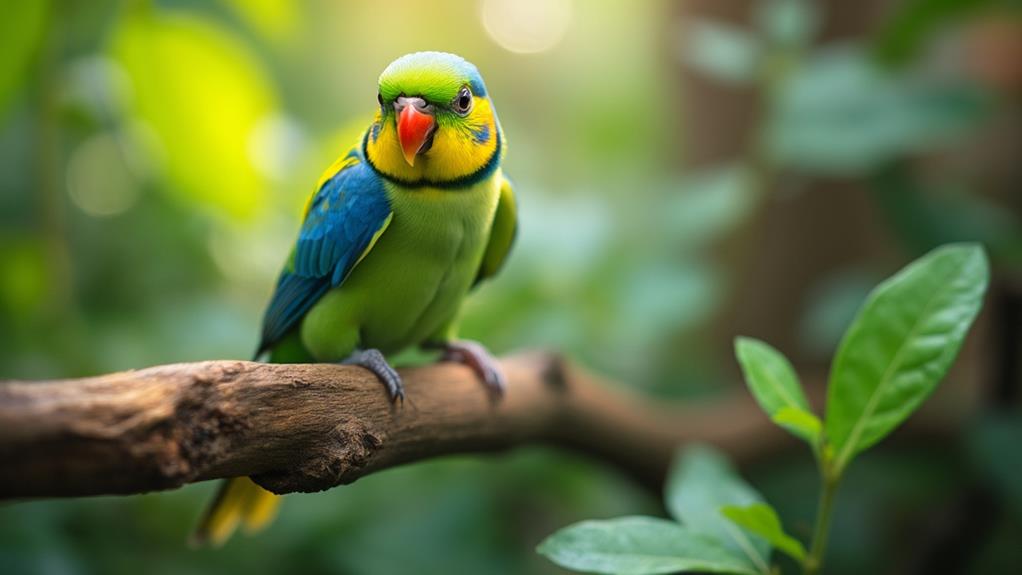
Understanding Pionus parrots involves appreciating their unique characteristics and requirements as pets. These parrots captivate with their modest yet beautiful plumage, showcasing shimmering jewel tones under bright light. Unlike the more flamboyant parrot species, Pionus maintain a subtle elegance that's easy to admire. They range in size from 24 to 29 cm, with a distinctive short square tail that sets them apart visually.
If you're seeking a long-term companion, Pionus parrots are ideal with their impressive lifespan of 30-40 years, provided they're cared for properly. They're generally quieter than many other parrots, making them a great choice if you prefer a more peaceful living environment. You'll typically hear their gentle vocalizations during dawn and evening, which contributes to their charm without overwhelming your home with noise.
Pionus parrots are known for their affectionate and engaging personalities. They form strong bonds with their owners, often showing loyalty and affection, yet they're tolerant and friendly with other household members too. This makes them not only a delightful enhancement to your family but also an ideal pet if you're looking for a companionable and loving bird.
Choosing the Right Species
When selecting the right species of Pionus parrot for your home, it's crucial to evaluate their unique characteristics and your personal preferences. Pionus parrots are known for their gentle nature, making them an ideal pet for quieter households or apartments. Among the species commonly available in captivity, the Maximilian's, Blue-headed, and White-capped Pionus are popular options, ranging in size from 24 to 29 cm. Each species offers distinct features, so consider which aligns with your lifestyle.
Individual personalities in Pionus parrots vary, adding an intriguing aspect to their companionship. Males often excel in vocabulary, while females tend to be more skilled at performing tricks. This variety allows you to choose a bird whose talents match your interests. Keep in mind that Pionus parrots require a long-term commitment, as they typically live 30-40 years with proper care. This commitment should be a key factor in your decision-making process.
While less common, the Coral-billed and Bronze-winged species are gaining popularity, offering more diversity in your choice. In contrast, the Dusky species is less common in the UK, and the Plum-crowned and White-headed species are rarely managed in captivity. Select wisely, ensuring your Pionus parrot becomes your ideal pet.
Communication and Behavior
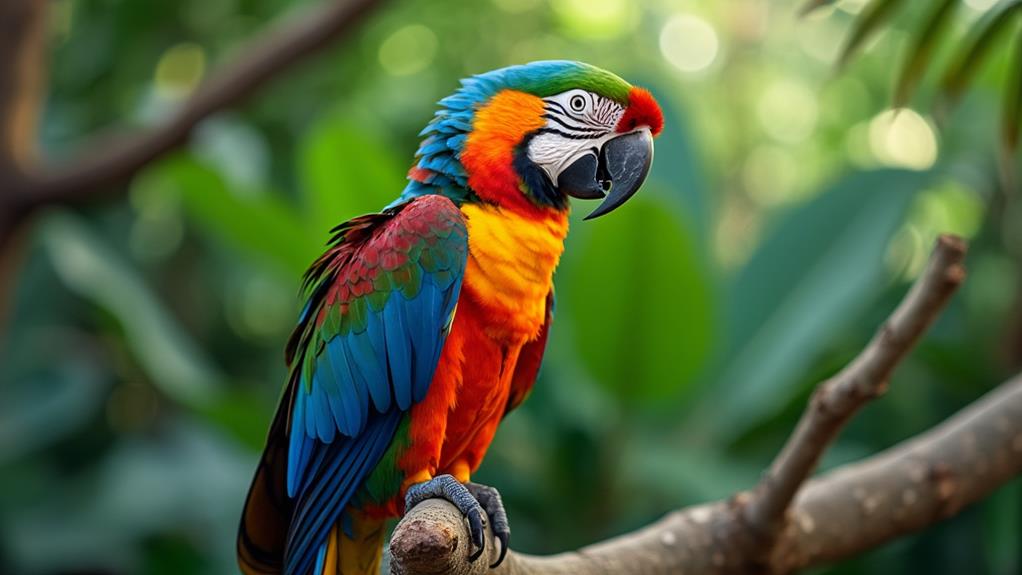
After selecting the ideal Pionus parrot species for your home, it's essential to focus on how they communicate and behave. Pionus parrots are generally quieter than many other parrots, making them great for apartment living. However, they can still be vocal, especially at dawn and evening. Their communication isn't just about sounds; body language plays a massive role. Understanding their body language, like the "Pionus strut" with a lowered head and puffed body, helps you interpret their emotional state, regardless of whether they're excited or feeling territorial.
These parrots are affectionate and form strong bonds with their owners. They tend to be gentle, although you might notice some defensive behavior during hormonal changes, particularly in males. Regular social interaction is vital for their mental health. Without it, they can develop undesirable behaviors like biting or feather plucking. While males often excel in vocabulary, females might be better at performing tricks or mimicking sounds.
To maintain a healthy relationship, pay attention to their communication cues and engage with them frequently. This bonding guarantees your Pionus parrot remains emotionally balanced and well-behaved, enhancing your companionship.
Nutrition and Health Needs
A fundamental aspect of keeping your Pionus parrot healthy is verifying they receive a balanced diet rich in high-quality pellets, fresh fruits, and vegetables. This proper diet helps prevent Vitamin A and D deficiencies, which are common in these birds. Include safe foods like broccoli, carrots, and kale, while strictly avoiding toxic items such as avocado. In the wild, Pionus parrots consume 15-20% protein, but for captive birds, adjust their caloric intake due to a more sedentary lifestyle. Sprouted legumes and grains can be beneficial, providing necessary nutrition without excessive calories.
Regular health check-ups with an avian veterinarian are pivotal. They help identify potential issues early, such as Aspergillosis, a fungal respiratory disease to which Pionus parrots are susceptible, particularly in moist environments. Consistent visits to the vet guarantee your parrot's health needs are being met and can greatly contribute to their longevity.
While nutrition is necessary, keep in mind that a clean and enriched environment also plays a key role in their comprehensive well-being. With proper care, including a balanced diet and regular veterinary visits, your Pionus parrot can thrive for 30-40 years, offering you a long-lasting companionship.
Creating an Enriched Environment
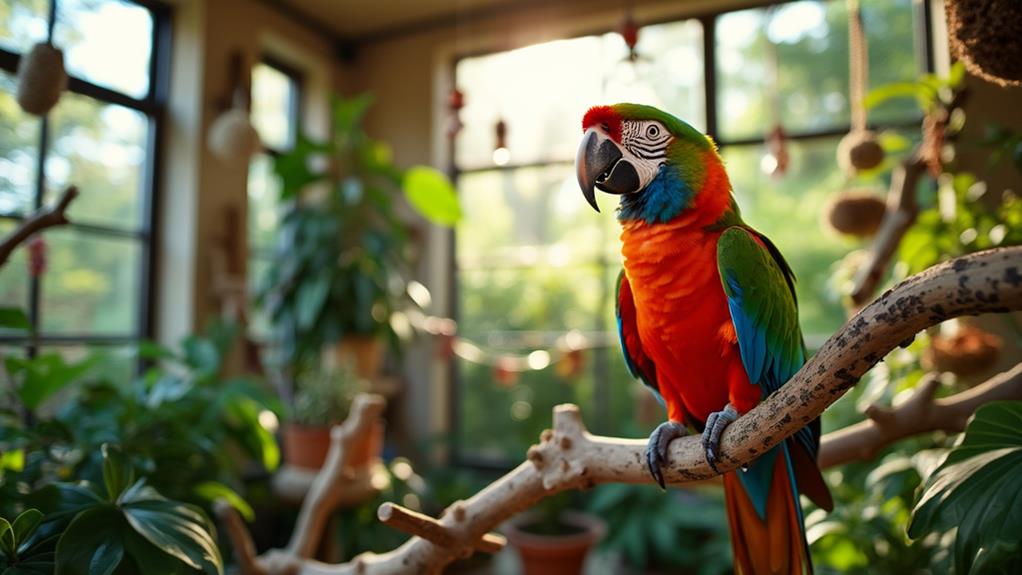
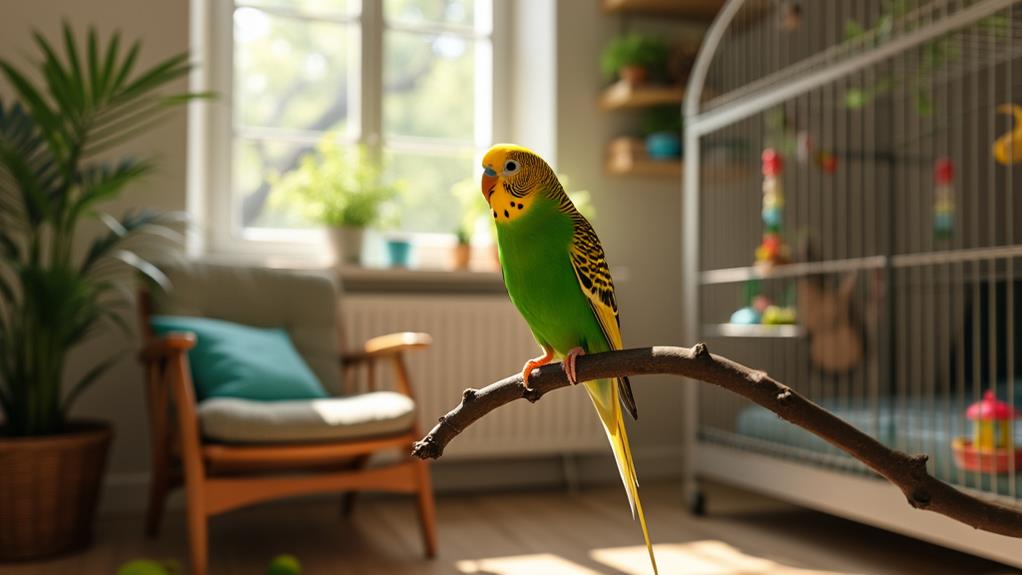
To guarantee your Pionus parrot thrives, focus on creating an enriched environment that caters to their needs. Start with a spacious cage, at least 34 x 24 x 36 inches, which offers ample room for them to investigate and engage in physical exercise. This space accommodates their territorial nature and allows for the inclusion of climbing structures and hanging gyms. Such enhancements encourage your Pionus parrot to engage in natural behaviors like climbing and swinging, promoting overall physical health.
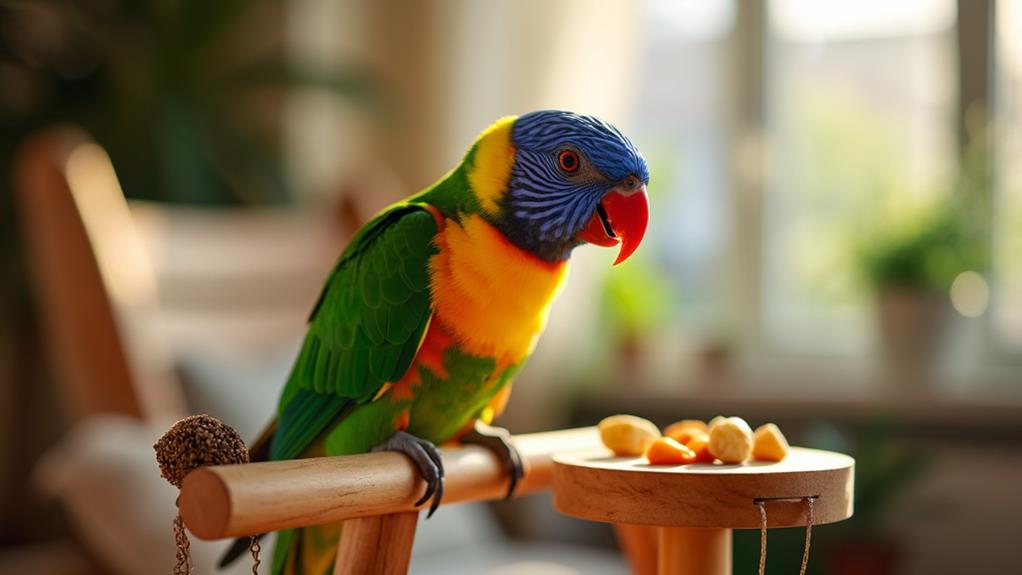
Mental stimulation is essential. Regularly rotate toys made from safe materials like soft wood, balsa, and cork to keep your parrot interested and mentally engaged. Pionus parrots are naturally curious, and these toys encourage investigation and play. Furthermore, integrate foraging activities into their daily routine. Hide treats or food in toys to stimulate their natural foraging instincts, offering both entertainment and mental challenge.
Don't forget about bathing opportunities. Regular misting or providing shallow water dishes helps maintain feather health and cleanliness, contributing to their overall well-being. By creating an enriched environment tailored to your Pionus parrot's needs, you'll guarantee they live a happy, healthy, and fulfilling life.