Interesting Facts About Veterinarians: Behind the Scenes of Animal Care
You might think veterinarians just give vaccinations and check-ups, but there's much more to it. About 80% of vets are women, and they face physical and emotional challenges every day, with over half being injured by their patients. They're trained in specialties like oncology and cardiology, handle unpredictable hours, and wrestle with compassion fatigue. They also contribute to public health by controlling zoonotic diseases, while technological advancements like 3D printing and telemedicine improve their work. Veterinarians partner closely with pet owners for preventative care, ensuring holistic wellness. There's much more intricacy and dedication involved in their essential role.
Veterinary Demographics
When you look at veterinary demographics, you'll notice a few interesting trends shaping the profession. With about 62% of U.S. households owning pets, the veterinary profession is experiencing a high demand for services. Dogs, being the most popular companions, are found in 46.3 million households, making them frequent visitors to your local vet clinic. This high demand drives the need for veterinarians to specialize in different fields such as oncology, internal medicine, and animal dentistry to provide extensive care tailored to distinct pet needs.
As a pet owner, you might find comfort in knowing that your veterinarian is highly trained in a specific area, ensuring the best possible care for your furry friend. The profession is also seeing a significant shift towards gender diversity. About 80% of practicing veterinarians are women, reflecting how the field has evolved over the years to welcome more female professionals. This trend not only enriches the profession but also broadens perspectives in animal care. With such a diverse and specialized workforce, the veterinary profession continues to thrive, meeting the needs of both pets and their owners in a dynamic landscape.
Education and Training
Becoming a veterinarian is a rigorous expedition that demands dedication and extensive study. You'll start by earning a bachelor's degree, often in a science-related field, to build a solid foundation. Admission to veterinary school is fiercely competitive, so gaining substantial volunteer or work experience in veterinary settings is vital. Once you make it to veterinary school, prepare for four challenging years to earn your Doctor of Veterinary Medicine (DVM) degree.
During this time, the veterinary curriculum will engage you in subjects like anatomy, physiology, pharmacology, and surgery. This all-encompassing education guarantees you're well-equipped to handle the complexities of animal health care. The hands-on clinical experience you'll gain is invaluable, preparing you for real-world scenarios.
After earning your DVM, your path doesn't end. The veterinary field is always evolving, so continuous education is a must. Workshops, conferences, and seminars help you stay up-to-date with the latest advancements and techniques. This ongoing learning is vital for delivering the best care possible. While specialization requires further training and certification, staying informed through continuous education keeps you at the forefront of veterinary medicine, guaranteeing the animals in your care receive exceptional treatment.
Specializations in Practice
Exploring veterinary specializations opens up a world of opportunities to focus on specific fields like surgery, dermatology, oncology, cardiology, and emergency care. With over 46 recognized veterinary specialties, you can tailor your career to suit your interests and meet the growing demands of animal health. Specializing in veterinary medicine means you'll undergo extra training and examinations, becoming board-certified to demonstrate your expertise.
These specialties aren't just limited to traditional fields; they're expanding alongside advancements in veterinary science. New areas continue to emerge, offering exciting challenges and opportunities. The veterinary staff involved in specialized care play an essential role in advancing treatment methodologies and improving patient outcomes.
Demand for specialized veterinarians is particularly high in areas like exotic animal care and internal medicine. The complexity of animal health has grown, reflecting a broader understanding of unique species and their needs. Your role in these specialties not only improves your skills but also contributes greatly to the well-being of diverse animal populations.
Choosing a specialty allows you to make a significant impact within the field, offering targeted care and solutions that strengthen the bond between humans and animals.
Day-to-Day Challenges
Steering the day-to-day challenges of a veterinary career requires resilience and adaptability. As a veterinarian, you're constantly maneuvering through unpredictable situations in animal care. Over 50% of veterinarians experience serious injuries, often from frightened dogs or aggressive cats. These risks underscore the need for vigilance and quick reflexes in the veterinary clinic.
The demanding schedule is another hurdle. Long, unpredictable hours are the norm, with night, weekend, and holiday shifts to accommodate emergency cases. This schedule can be exhausting, but it's part of the commitment to animal welfare. You must be ready to respond at a moment's notice, balancing your personal life with your professional responsibilities.
Emotional stress is an inevitable aspect of the job, especially when dealing with sick or injured animals. You must balance the expectations of pet owners with the best interests of the animals, often having difficult conversations. Communication is key. You need to discuss treatment options and financial constraints tactfully, maintaining empathy throughout.
Additionally, the clinic environment can be harsh, with exposure to hazardous materials and emotionally charged situations. These challenges can lead to compassion fatigue, making resilience crucial for maintaining a successful and fulfilling veterinary career.
Emotional Aspects

Handling the emotional aspects of a veterinary career involves steering through a complex landscape of feelings. As a veterinarian, you're constantly maneuvering through emotionally charged situations, like delivering difficult diagnoses or guiding pet owners through end-of-life care decisions. These moments require exceptional communication skills to offer support and empathy. You might find yourself deeply affected by the emotional aspects of animal care, especially when witnessing the suffering of animals or making life-and-death decisions. This can lead to compassion fatigue, a condition affecting mental health and job satisfaction.
Building long-term relationships with clients and their pets often intensifies these emotional challenges. When you've cared for a pet throughout its life, discussing its end-of-life options can be particularly heart-wrenching. Euthanasia, although a compassionate choice at times, is a regular part of your practice and can weigh heavily on your emotional well-being. Yet, it's not all heartache. The joy of successful treatments and the happiness of pet owners when their beloved animals recover offer rewarding moments. These highs and lows create a unique and complex emotional landscape in your professional life, where every day brings new challenges and triumphs.
Preventative Care Importance
In the domain of veterinary care, where emotional dynamics play a significant role, focusing on preventative measures can be a proactive way to bolster both animal welfare and owner peace of mind. Preventative care is fundamental for maintaining peak animal health, and veterinarians are critical in guiding you through this process. By scheduling regular wellness exams, you guarantee early detection of potential health issues, which can dramatically improve treatment outcomes and reduce long-term costs.
Vaccinations, spaying, and neutering are important components of preventative care, helping prevent severe health issues and control pet populations. These procedures can also ward off certain cancers and manage behavioral problems, contributing to your pet's comprehensive well-being.
Dental health shouldn't be overlooked, as over 80% of pets exhibit signs of periodontal disease by three years old. Regular dental check-ups and cleanings are fundamental to maintaining oral health and preventing complications that can affect your pet's quality of life.
Veterinarians also educate you on lifestyle factors like diet and exercise, promoting a holistic approach to animal wellness. Prioritizing preventative care not only improves animal health but also strengthens the bond between you and your furry friend.
Public Health Contributions
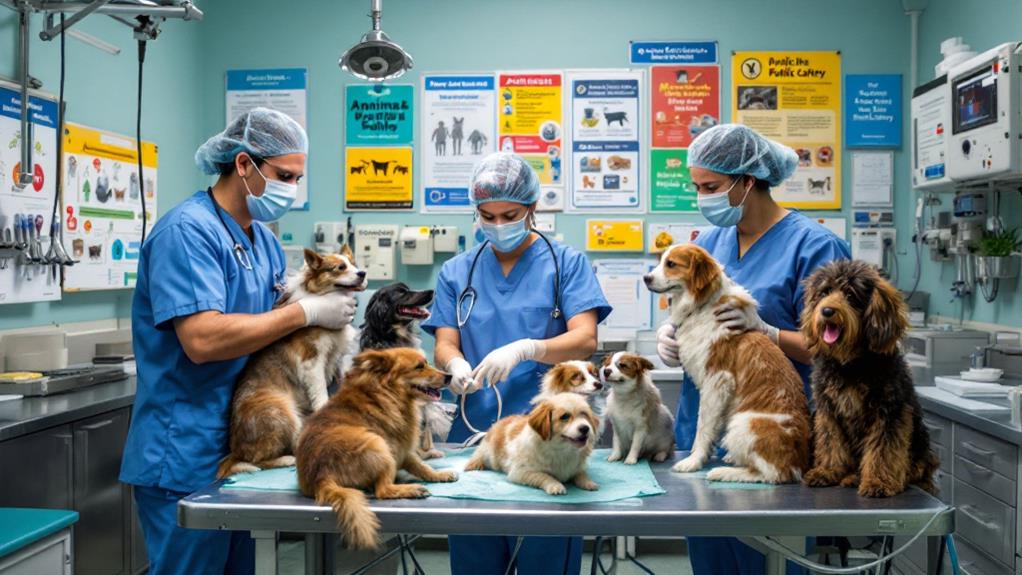
Veterinarians play a vital role in public health, particularly through their work with zoonotic diseases—illnesses transmitted from animals to humans. About 61% of disease-causing agents in humans originate from animals, emphasizing the significance of veterinary professionals in monitoring and managing these animal diseases. By understanding and studying zoonotic diseases, veterinarians help prevent potential health risks to humans.
You've likely benefited from their contributions even if you didn't realize it. For instance, veterinarians were instrumental in eradicating malaria in the U.S., showcasing their impact on public health goes far beyond just animal care. This achievement highlights the significance of integrating veterinary and human health efforts, stressing that animal and human health are deeply interconnected.
Veterinarians also collaborate with health organizations to control outbreaks of diseases like rabies and Lyme disease. Through public health initiatives, they work tirelessly to protect communities from these threats. Their expertise in veterinary science aids in understanding how diseases transmit from animals to humans, ultimately helping to prevent outbreaks. So, whenever you think about public health, keep in mind that veterinarians are pivotal players in safeguarding both animal and human well-being. Their work guarantees a healthier world for all.
Technological Advancements
With remarkable frequency, advancements in technology revolutionize veterinary medicine, transforming how veterinarians diagnose and treat animals. You're now seeing a significant leap in veterinary care, thanks to these innovations. Advanced imaging techniques, like MRI and CT scans, have become game-changers, providing veterinarians with improved diagnostic capabilities. These tools allow for precise assessments of animal health, ensuring your furry friends receive the best care possible.
Telemedicine is reshaping veterinary medical practices by offering remote consultations and follow-ups. This advancement improves access to veterinary services, making it easier for you and your pets to connect with professionals, even from a distance. Here are some notable technological advancements:
- Electronic Health Records: Streamline patient management and improve communication between veterinarians and clients.
- Laser Therapy: Offers non-invasive treatment options, providing pain relief and promoting healing.
- 3D Printing: Creates custom prosthetics and orthopedic devices, enhancing animal mobility and quality of life.
- Advanced Imaging: MRI and CT scans improve diagnostic capabilities for accurate health assessments.
These technological advancements in veterinary care continue to revolutionize the field, ensuring that animal health is prioritized with cutting-edge solutions and improved access to care.
The Reality of Risks
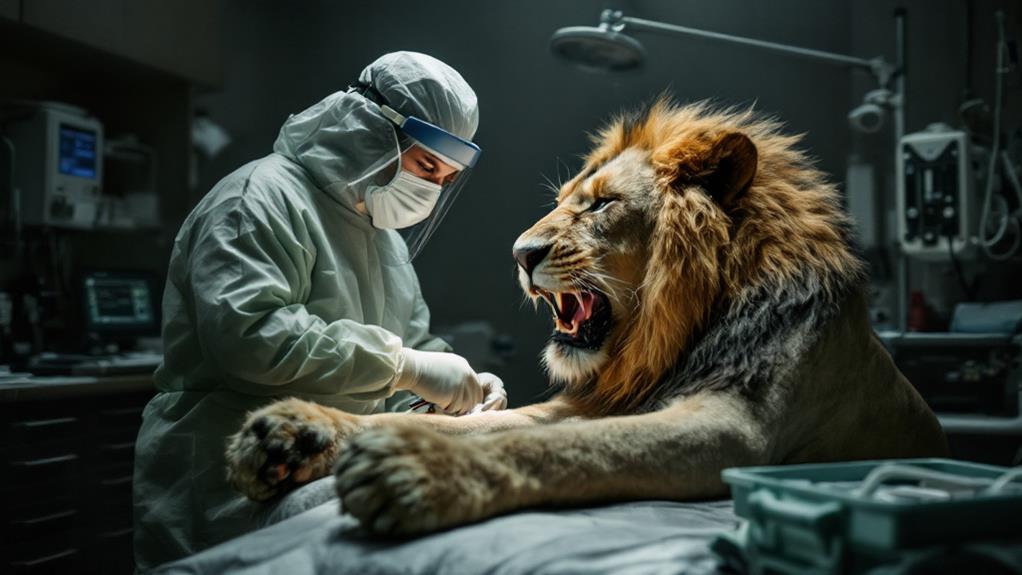
While technological advancements have greatly improved veterinary care, it's essential to acknowledge the inherent risks that come with the profession. As a veterinarian, you're constantly exposed to unpredictable animal behavior, which can lead to serious injuries. Over half of veterinarians report experiencing significant injuries during their careers, often due to frightened pets. Bites from dogs and cats are common hazards, potentially leading to severe infections and complications that affect your health.
Dealing with large animals like horses adds another layer of risk. You're at risk of injury from kicks or falls, which can have serious consequences. Handling these animals requires not only skill but also vigilance to guarantee your safety. Furthermore, your work often involves dealing with unpleasant materials, such as maggots or bodily fluids, presenting further health risks.
Beyond the physical dangers, the emotional demands of being a veterinarian can take a toll. You frequently face life-and-death situations, leading to compassion fatigue. Balancing the care for animals with the emotional challenges of the job requires resilience. Despite these risks, your dedication to animal health guarantees that pets receive the best care possible, highlighting the demanding yet rewarding nature of your profession.
Pet Owner Collaboration
A strong partnership between you and your veterinarian can greatly enhance your pet's health. By fostering effective communication, you guarantee a better understanding of diagnoses and treatment plans. As a pet owner, you're crucial in preventative care, participating in regular check-ups and vaccinations, which help catch health issues early. Veterinarians value your input and collaboration, as it directly impacts animal welfare.
Consider these collaborative strategies to improve your pet's well-being:
- Engage in open communication: Share any observations about your pet's behavior or health changes with your veterinarian, guaranteeing they have a complete picture.
- Participate in regular check-ups: Routine visits allow for early detection of potential health problems, providing your pet with the best chance for a healthy life.
- Educate yourself on nutrition: Learn about proper diets and nutrition from your veterinarian to support your pet's overall well-being.
- Discuss financial concerns: Be honest about budget constraints, allowing your veterinarian to suggest viable, cost-effective treatment options.
Veterinarians often engage in local outreach programs to educate you on responsible pet care, such as spaying/neutering to control pet populations. By being informed and involved, you contribute greatly to your pet's health and happiness.
Related posts