
Interesting Facts About Pet Food: What You Should Know
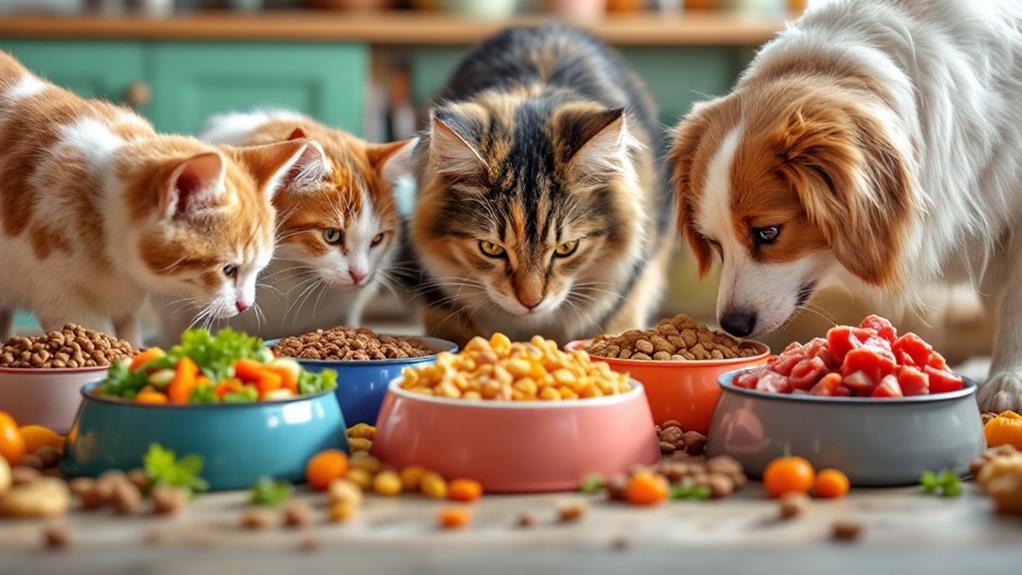
When shopping for pet food, prioritize clear ingredient lists with high-quality proteins like chicken or beef as the primary ingredients. Avoid ambiguous terms like "meat meal" or products with grains and by-products upfront. Be wary of 4D meats; they pose ethical concerns and health risks. Protein extenders and synthetic preservatives can dilute nutrition and pose potential hazards. Opting for fresh food can provide more natural nutrients without artificial additives. Contaminants like heavy metals and excessive synthetic vitamins can harm your pet's health. Choose brands emphasizing transparency and rigorous testing. By exploring these insights further, you'll make better choices for your pet.
Understanding Pet Food Ingredients
When you're choosing pet food, understanding the ingredients is vital for your pet's health. A good pet food should start with a clear ingredient list prioritizing high-quality protein sources. Look for named meats like chicken or beef as the initial ingredients. These indicate a nutritious diet, ensuring your pet receives the necessary nutrients. Avoid products where grains or by-products top the list, as they offer less nutritional value.
It's significant to be cautious of ambiguous terms like "meal" on labels. While these refer to dehydrated proteins, their quality can vary greatly. High-quality meals can be beneficial, but low-quality ones may not provide the nutrients your pet needs. Likewise, watch out for protein extenders like blood meal. They're often indigestible and could compromise your pet's health over time.
Transparency in ingredient sourcing is vital. Knowing where the components come from helps you avoid low-quality ingredients. Some commercial pet foods use added preservatives and synthetic nutrients that can pose health risks if over-supplemented. By carefully examining the ingredient list and understanding these factors, you can make informed choices that support your pet's long-term health and well-being.
The Truth About 4D Meat
While understanding the ingredient list is key to choosing the right pet food, it's just as crucial to be aware of the quality of those ingredients. 4D meat, sourced from animals that are dead, dying, diseased, or disabled, is used by some pet food manufacturers to cut costs. This practice raises ethical concerns and poses potential health risks for your pets. Feeding your pet foods containing 4D meat can expose them to diseases and contaminants that might be harmful to their wellbeing.
Unfortunately, many pet food brands don't disclose the sourcing of their meat ingredients, making it difficult for you to know if 4D meat is part of your pet's diet. This lack of transparency can leave you worried about what exactly your furry friend is consuming. To safeguard your pet's health and safety, it's recommended to opt for high-quality food that uses human-grade ingredients instead of lower-quality protein sources like 4D meat.
Choosing high-quality food not only supports your pet's comprehensive health but also aligns with ethical standards concerning animal welfare. By being an informed consumer, you can make better choices that promote the long-term health and happiness of your pet.
Fresh Food Benefits
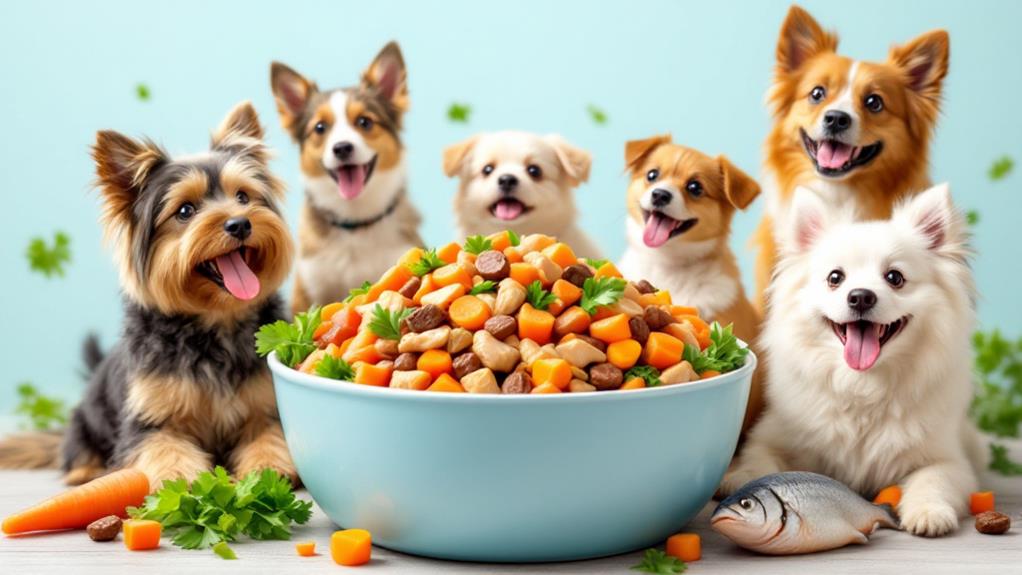
Embracing the benefits of fresh food in your pet's diet can greatly boost their total health. Fresh food delivers natural nutrients that are often lost in the processing of canned and dry options. These nutrients can help meet your pet's nutritional requirements more effectively, leading to fewer health issues over time. When you mix fresh food with commercial choices, you create a balanced diet that not only appeals to your pet but also guarantees they get everything they need.
One of the standout advantages of incorporating fresh food into your pet's diet is palatability. Pets often find fresh food more enticing, which can foster better eating habits and improve the pleasure they derive from meals. This enhanced appetite can be particularly beneficial for pets that are picky eaters or those with health issues that affect their eating patterns.
Moreover, fresh diets generally exclude artificial additives, preservatives, and fillers, providing a cleaner eating experience. By using fresh ingredients, you can customize your pet's meals to address specific dietary needs, including allergies or sensitivities. This tailored approach can greatly improve your pet's overall well-being and guarantee their nutritional requirements are met without compromise.
Importance of High-Quality Protein
High-quality protein is essential in your pet's diet, ensuring they get the fundamental amino acids necessary for maintaining strong muscles and general health. When selecting pet food, prioritize products where high-quality protein sources are among the initial ingredients. This guarantees your pets receive the necessary amino acids vital for muscle maintenance and optimal health. For dogs, aim for a protein content of 18-25%, while cats, who are obligate carnivores, require 26-30% to meet their specific nutritional standards.
Named meat sources, such as chicken or beef, are preferable to generic terms like "meat meal." This distinction is significant because generic terms may include unspecified animal by-products, which can compromise the quality of the protein and, subsequently, your pet's health. Insufficient high-quality protein can lead to deficiencies that affect energy levels, coat condition, and immune function, making it essential to choose wisely.
Research shows that the quality of protein influences digestion and nutrient absorption, playing a key role in maintaining a healthy weight and reducing obesity-related disease risks. By ensuring your pet's diet includes high-quality protein, you support their overall health and well-being effectively.
The Role of Preservatives
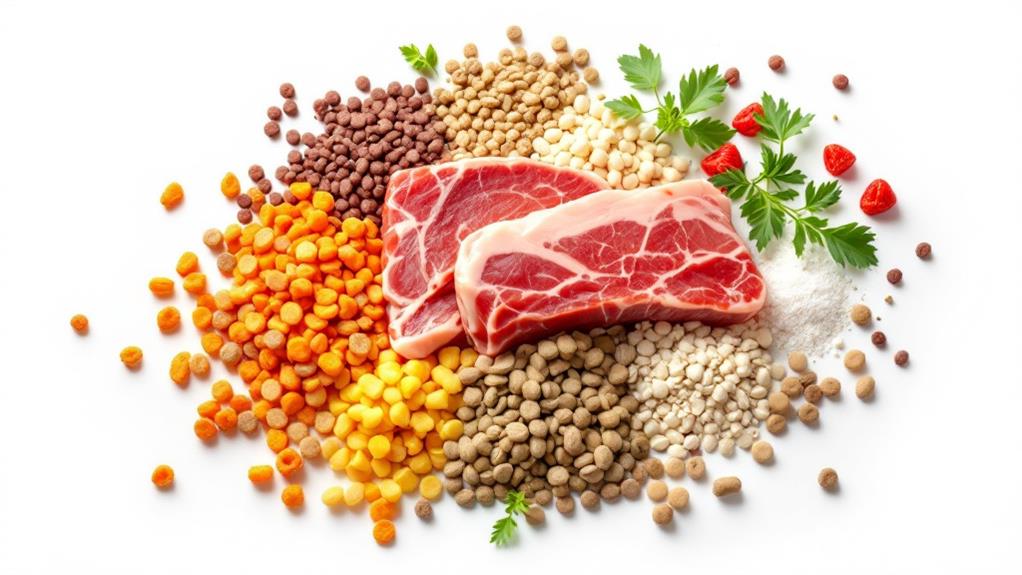
After selecting pet food with high-quality protein, it's vital to contemplate another significant aspect of your pet's diet: preservatives. Many commercial pet foods contain synthetic preservatives to prolong shelf life, but they can pose potential health risks. These preservatives, sometimes acting as pesticides, might lead to long-term health issues like allergies or organ dysfunction in pets. That's why it's important to be aware of what goes into your pet's food.
Natural preservatives, such as mixed tocopherols and rosemary extract, offer a safer alternative. However, they're less common due to higher costs. When choosing pet food, you should consider if the benefits of natural preservatives outweigh the price difference for your pet's health.
Safety regulations around preservatives in pet food differ globally. Some countries may allow substances that others ban, leading to varied standards. Thus, understanding these regulations can help you make informed decisions about your pet's diet.
Regular testing and strict adherence to quality control measures are significant in ensuring harmful preservatives don't slip into the pet food supply. By staying informed and vigilant, you can help safeguard your pet against potential health issues linked to preservatives.
Evaluating Raw Food Diets
Raw food diets for pets have been gaining popularity for their potential to provide higher nutrient levels compared to processed kibble. By including fresh meats, fruits, and vegetables, these diets offer natural enzymes and vitamins vital for your pet's well-being. If you're considering this approach, keep in mind that a properly balanced raw food diet can improve your pet's coat condition, energy levels, and general health. However, it must be tailored to meet specific nutritional requirements to avoid any deficiencies.
Handling raw food safely is fundamental to prevent bacterial contamination. Make sure you follow strict hygiene practices, like washing your hands thoroughly and sanitizing all surfaces after preparing your pet's food. This keeps both you and your pet safe from potential health risks. Some studies even suggest that pets on a raw food diet might experience fewer allergies and digestive issues, although these benefits can vary by individual pet and depend on careful ingredient selection.
Before making any dietary changes, consult with a veterinarian or a pet nutritionist. They can help make sure that the raw food diet is nutritionally balanced and meets your pet's unique dietary needs, safeguarding their health while maximizing benefits.
Hidden Dangers of Protein Extenders
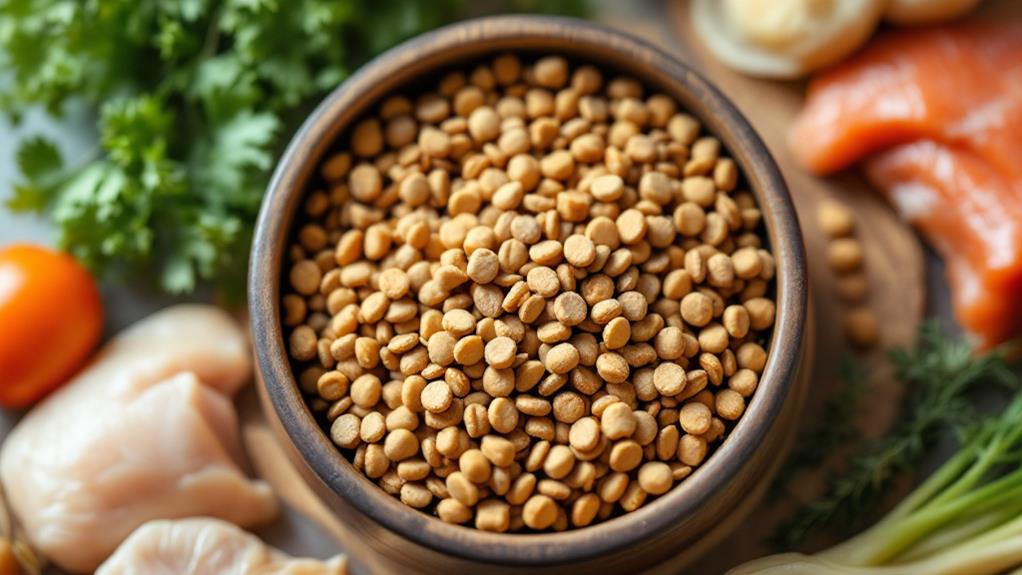
In recent years, awareness about the ingredients in pet food has grown, and with it, concerns about protein extenders like blood meal. These low-quality and often indigestible ingredients can greatly compromise the nutritional value of your pet's food. Protein extenders might be more than just a cost-saving measure for manufacturers—they can pose real health risks to your pets.
Here's what you should know about protein extenders in pet food:
- Nutritional Compromise: Protein extenders like blood meal can lower the general quality of pet food by diluting the nutritional content, leaving your pet with less of the vital nutrients they need.
- Health Risks: Due to unclear sourcing and production, protein extenders could potentially transmit diseases, putting your pet's health at risk.
- Nutrient Absorption: Pets often struggle to digest these extenders, leading to inefficient nutrient absorption. Over time, this can contribute to multiple health issues.
- Cost vs. Quality: While protein extenders might reduce production costs for manufacturers, they usually signal a compromise in quality, which can negatively affect your pet's well-being.
Stay informed about protein sources to guarantee your pet enjoys a healthier, balanced diet.
Heavy Metal Contamination Risks
Heavy metal contamination in pet food is a growing concern that pet owners shouldn't ignore. Heavy metals like lead, mercury, and cadmium have been found in some commercial pet foods, raising significant health concerns for your beloved pets. Prolonged exposure to these toxic substances can lead to severe health issues, including neurological damage and kidney dysfunction. It's vital to understand the risks and take action to protect your pet's wellbeing.
To minimize risks, regular testing and quality control in pet food production are critical. Brands that prioritize transparency and rigorous testing protocols are more likely to adhere to safety standards, ensuring their products are safer for your pets. As a consumer, being aware of potential heavy metal contamination helps you make informed choices when selecting pet food. Look for brands that clearly communicate their safety measures and testing practices.
Navigating Synthetic Nutrients
When choosing pet food, understanding the role of synthetic nutrients is vital for guaranteeing your pet's health. These nutrients are often added to compensate for what's lost during processing, but they require careful management. If not handled properly, they can lead to imbalances and deficiencies. For pet owners, it's important to be informed and proactive about what goes into your pet's diet.
Here are four key points to reflect on:
- Read Labels Carefully: Brands vary in their use of synthetic nutrients. Understanding the sources of these additives helps in making informed choices.
- Avoid Over-Supplementation: Too much of synthetic vitamins, especially A and D, can be toxic. Make certain your pet's food is carefully formulated.
- Choose Whole Food Sources: Pets often absorb nutrients more effectively from whole food sources, leading to better health outcomes compared to synthetic alternatives.
- Consult Your Veterinarian: Regular vet visits confirm your pet gets balanced nutrition without excessive reliance on synthetic additives.
Making Informed Meat Choices
After understanding synthetic nutrients, it's just as important to focus on the quality of meat in your pet's diet. When selecting pet food, prioritize high-quality protein sources as the primary ingredients. Look for specific meats like chicken or beef instead of vague terms such as "meat" or "meat meal." These generic terms often indicate by-products with unclear sourcing, which may lack necessary nutrients your pet needs. Cats, being obligate carnivores, require diets rich in animal sources of protein. On the other hand, dogs can thrive on a balanced diet that includes both animal and plant ingredients.
Avoiding low-quality protein extenders, like blood meal, is essential. These extenders can pose health risks and may not provide the digestible, nutritious ingredients your pet deserves. Understanding the quality and sourcing of meats in pet foods is important, as some products might contain 4D meat from diseased or disabled animals. Not only does this raise ethical concerns, but it also poses potential health hazards to your pet. By choosing foods with high-quality whole meats as primary ingredients, you're ensuring a nutritious and safer diet, ultimately supporting your pet's comprehensive health and well-being.