Icelandic Sheepdog: The Inquisitive and Loyal Herder
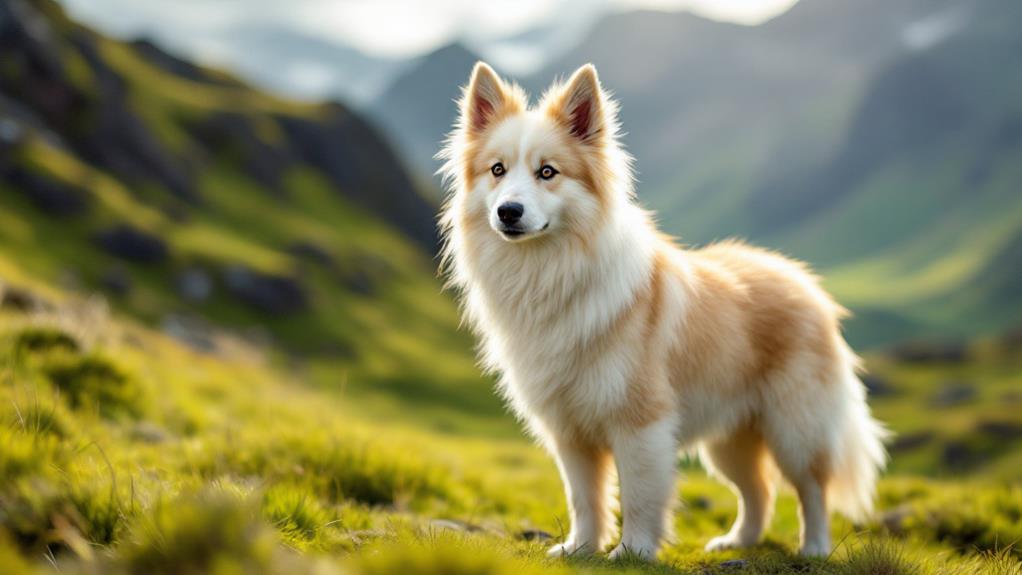
You'll love the Icelandic Sheepdog for its inquisitive and loyal nature, a true reflection of its Viking roots. This medium-sized herder, with its thick double coat and curled tail, thrives on companionship and activity. They bond strongly with families and protect with a naturally vocal watchdog instinct. Highly trainable, they're intelligent yet sometimes stubborn, needing mental and physical stimulation. With an average lifespan of 12 to 14 years, they're generally healthy but watch out for hip dysplasia and eye conditions. Grooming and a balanced diet are crucial. Prepare to investigate how this breed thrives in both homes and fields.
Breed Origins and History
The Icelandic Sheepdog's story begins with the Vikings who brought their dogs to Iceland around 874 AD during its settlement. These dogs, descending from Scandinavian breeds, were crucial companions, helping the settlers adapt to the new land. The Icelandic Sheepdog quickly became integral in herding and protecting livestock, especially sheep, in the harsh Nordic climate. Over time, the isolation of Iceland allowed the breed to develop unique characteristics, setting it apart in both appearance and temperament.
The history of the Icelandic Sheepdog is rich with cultural significance. As Iceland's only native dog breed, it embodies the resilience and adaptability of the Icelandic people. However, by the 19th and 20th centuries, the breed faced a sharp decline due to disease and other factors, threatening its existence. Recognizing the importance of preserving this part of Icelandic heritage, breed enthusiasts initiated revival efforts in 1969. These efforts successfully brought the breed back from the brink of extinction.
Today, the Icelandic Sheepdog is recognized by the American Kennel Club, symbolizing the enduring connection between the breed and Iceland's history. Its story is a reflection of perseverance, celebrating its role in Iceland's cultural legacy.
Physical Traits
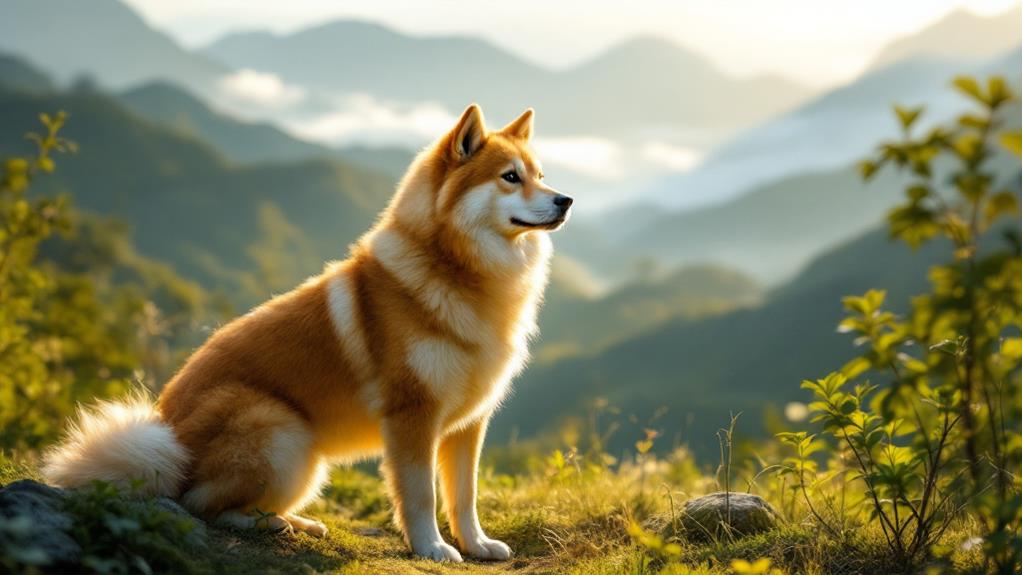
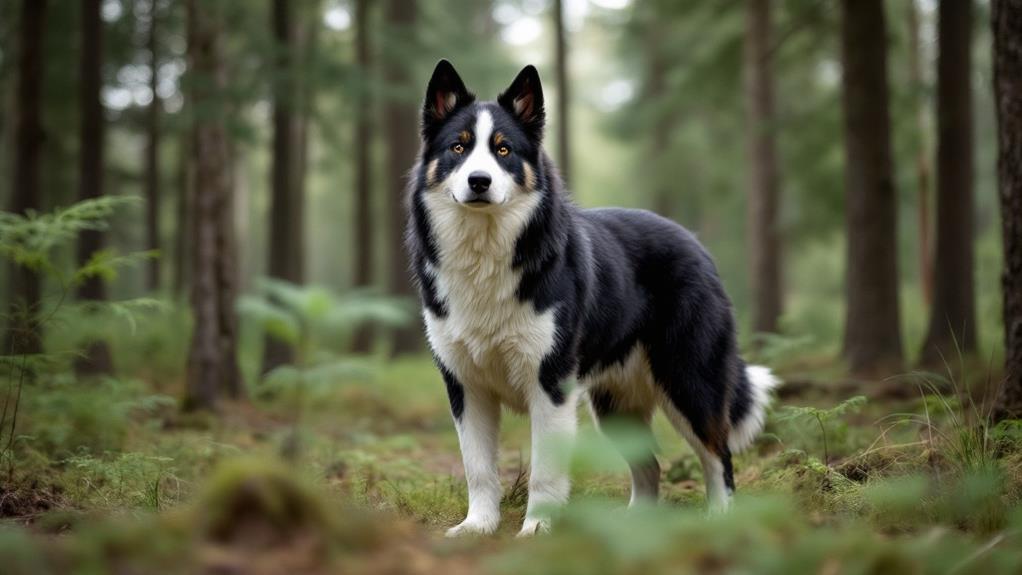
Icelandic Sheepdogs captivate with their medium-sized, robust frame and distinctive features. As a coated Nordic spitz-type, they are built to withstand harsh climates with their thick double coat, which can be either long or short. This coat is not just for show—it's weatherproof, ensuring they're well-protected against the elements. Male Icelandic Sheepdogs typically reach up to 18 inches in height and weigh around 30 pounds, while females stand about 16.5 inches tall and weigh approximately 25 pounds. Their rectangular body shape, along with a bushy tail, further defines their spitz-type classification and makes them stand out among northern breeds.
A few physical traits that make Icelandic Sheepdogs truly unique include:
- Prick ears: These give them an alert and inquisitive expression.
- Curled tail: This feature adds to their distinctive silhouette.
- Foxy face: Their charming face is both expressive and endearing.
- Diverse coat colors: Often with striking white markings, their coats showcase a variety of patterns.
Temperament and Behavior
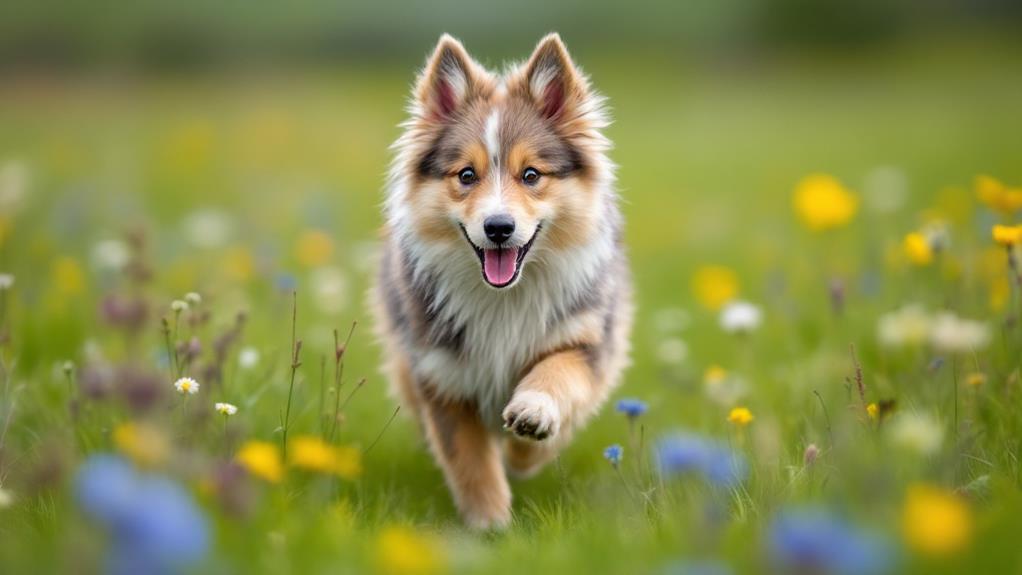
Beyond their striking appearance, these delightful dogs offer a temperament that's likewise enchanting. The Icelandic Sheepdog is renowned for its friendly and happy nature, making it a perfect companion for families and individuals alike. As a loyal herder, this breed thrives on forming strong bonds with their owners, often showing unwavering devotion and affection. You'll find that their social nature draws them to people, making them enthusiastic participants in family activities and a source of joy in your home.
As herders, Icelandic Sheepdogs are naturally vocal, with a high barking level that proves useful as a watchdog trait. This alertness, combined with their friendly demeanor, means they're always ready to protect and engage with their environment. Their intelligence makes training a breeze, although they might show a bit of stubbornness if not properly guided. It's important to approach training with patience and consistency.
To keep their lively demeanor in check, regular mental and physical stimulation is vital. Without it, they might develop behavioral issues. Engaging them with multiple activities keeps them happy and healthy, ensuring that their friendly and loyal nature shines through in every interaction.
Health and Lifespan
When you welcome an Icelandic Sheepdog into your home, you're looking at a companion with a lifespan of around 12 to 14 years, showcasing their robust health and vigor. As a generally healthy breed, they experience few genetic issues. However, maintaining their well-being requires regular veterinary check-ups. Common health concerns include hip dysplasia and certain eye conditions, so routine health screenings are essential for early detection and management.
To support their health and longevity, a balanced diet paired with regular exercise is vital. This active breed thrives on physical activity, which complements their inquisitive nature. Keeping them fit not only improves their lifespan but also boosts their overall vitality.
Grooming plays a significant role in their health. With their thick double coat, regular grooming helps prevent skin issues and keeps them comfortable. This practice promotes healthy skin and coat while also allowing you to bond with your furry friend.
Here are some key points to remember for your Icelandic Sheepdog's health:
- Regular vet check-ups: Necessary for monitoring and maintaining health.
- Balanced diet and exercise: Crucial for longevity and vitality.
- Routine health screenings: Important for early detection of common issues.
- Consistent grooming: Prevents skin problems and promotes well-being.
Training and Socialization
Training and socializing your Icelandic Sheepdog from an early stage is key to nurturing a well-adjusted and cooperative companion. Early socialization is vital, helping them develop a balanced temperament and reducing stubbornness later in life. Start introducing your pup to diverse environments, people, and other animals to build their confidence and adaptability. While beginning training around one year of maturity allows them to settle and focus, incorporating positive reinforcement methods from the start is fundamental. This approach not only yields the best results but also encourages your dog's enthusiasm to please.
Icelandic Sheepdogs excel at learning new commands and tricks, making them a joy to train. Consistent training sessions that incorporate mental stimulation will keep them engaged and keen. Use treats, praise, and play to reward desired behaviors during these sessions. Their intelligent and energetic nature thrives on challenges, so consider engaging them in dog sports and activities. These activities improve their training experience and provide an excellent outlet for their energy.
Care and Maintenance
Caring for your Icelandic Sheepdog involves regular grooming and attentive maintenance to guarantee its well-being. With its thick double coat, this breed requires frequent grooming to prevent matting and maintain its weatherproof quality. Brushing a few times a week will help manage shedding and keep your dog's coat in top condition. Besides grooming, providing daily exercise is vital. This active breed thrives on physical activity and mental stimulation, so make sure to incorporate walks, playtime, and training sessions into your routine.
To keep your Icelandic Sheepdog healthy, routine veterinary check-ups are a must. Regular visits help monitor their health and catch any issues early, such as hip dysplasia or eye conditions. A balanced diet tailored to their needs is fundamental for their long-term health and can contribute to a lifespan of 12 to 15 years. It's also significant to focus on socialization, ensuring they develop a well-rounded temperament and interact positively with others.
Here are some key points to remember:
- Regular grooming: Brush several times a week to prevent matting.
- Daily exercise: Engage in walks and playtime.
- Routine vet visits: Monitor health and catch issues early.
- Balanced diet: Support a long, healthy life.
Role in Icelandic Culture
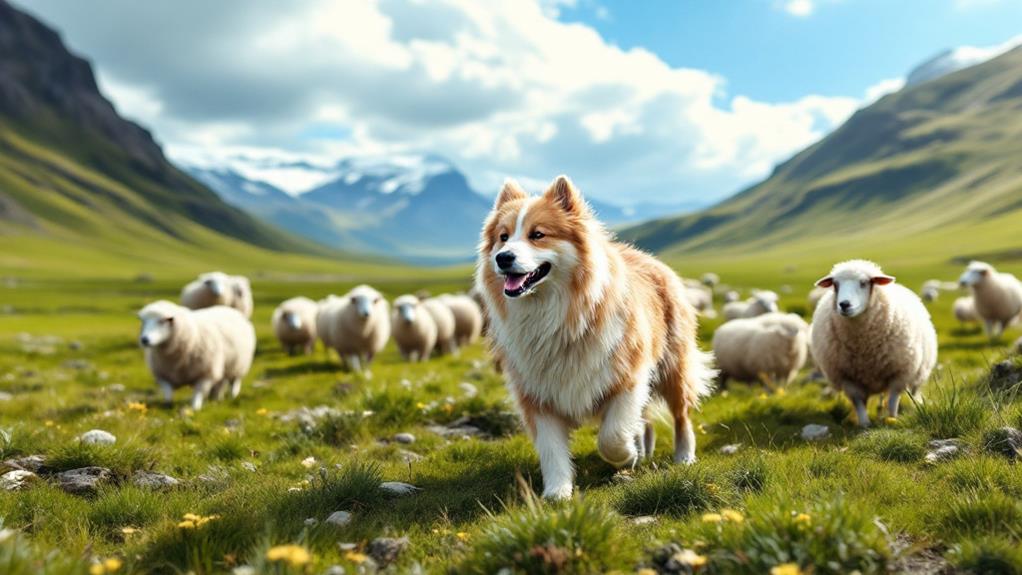
The Icelandic Sheepdog holds a special place in the heart of Icelandic culture, with roots tracing back to the Viking settlement around 874 AD. As Iceland's native dog breed, it played an essential role in the survival and prosperity of early settlers. You'd find these agile and mentally alert dogs herding and protecting sheep, vital for enduring the harsh Icelandic environment. Their abilities as herders of small-to-medium livestock not only guaranteed the safety of valuable flocks but also supported the island's agricultural foundation.
Participating in traditional annual sheep roundups, known as rettir, the Icelandic Sheepdog showcases its significance in agricultural practices and community events. During rettir, these dogs work alongside farmers and families, rounding up sheep from the mountains, a demonstration of their herding prowess and historical importance. Their involvement in these events highlights their enduring connection to Icelandic life and customs.
Beyond their working capabilities, the Icelandic Sheepdog's loyalty and friendly nature make them beloved companions in households across the country. This native dog breed's presence in Icelandic homes reinforces its status as a cherished symbol of cultural heritage, intertwining their legacy with the nation's identity.
Ownership Considerations
When considering an Icelandic Sheepdog as a pet, it's important to understand the breed's specific needs and characteristics. This faithful dog requires regular grooming due to its thick double coat, essential for protecting against harsh weather. Ownership considerations include your willingness and ability to commit time and resources to keep your dog healthy and happy. Icelandic Sheepdogs thrive in active households, needing daily exercise and mental stimulation to ward off boredom and maintain their health.
To guarantee a positive experience for both you and your dog, keep these points in mind:
- Grooming: Regular grooming sessions are necessary to manage their thick coat and prevent matting.
- Exercise: They need ample exercise and mental challenges to stay content and well-behaved.
- Social Needs: These dogs are highly social and shouldn't be left alone for long periods to avoid separation anxiety.
- Health Checks: Research reputable breeders and ask for health clearances, especially for hip dysplasia and eye diseases.
Commitment to their care is significant, as they typically live 12 to 15 years. Factoring in these ownership considerations guarantees a rewarding relationship with your devoted Icelandic Sheepdog.