How to Introduce Your Cat to Your New Baby: A Step-by-Step Guide
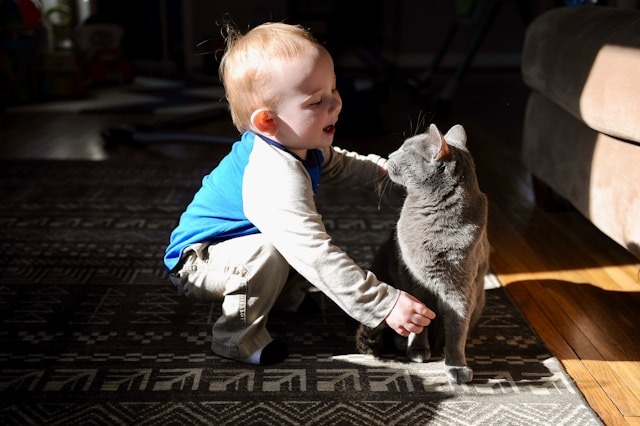
Start by gradually introducing your cat to the new environment and scents associated with the baby. Set up a designated area for the baby that's off-limits. Acclimate your cat to baby-related items by letting them sniff blankets or clothes beforehand. Keep a consistent routine for feeding and playtime to minimize stress. When the baby arrives, allow your cat to approach at its own pace. Keep interactions short and reward calm behavior with treats. Make certain your cat has a safe retreat during busy times and involve them in positive baby-related activities. There's more to this process than meets the eye.
Preparing Your Home Environment
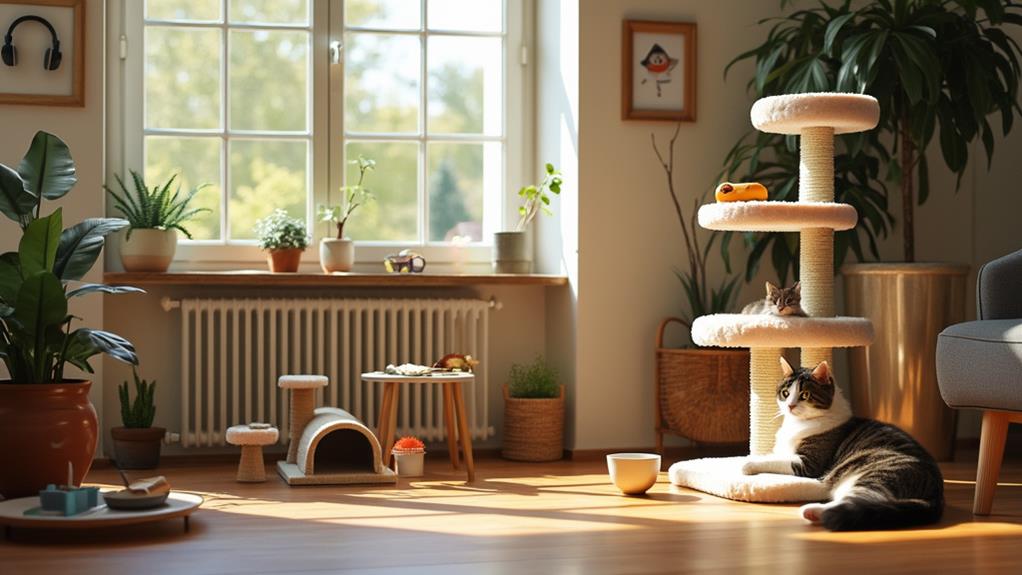
Preparing your home environment is vital when introducing your cat to your new baby. Start by preparing a home environment well in advance, allowing your cat to gradually acclimate to new furniture and baby items. Set up a designated area for the baby that's off-limits to the cat. This helps establish boundaries while ensuring your cat has safe spaces to retreat to during this shift. Introduce baby-related scents like lotion and powder a few weeks before the baby's arrival. This helps your cat get used to these new smells, creating a familiarity that eases the upcoming alteration.
Maintaining your cat's established routines for feeding and playtime is critical. Consistency minimizes stress and helps your pet feel secure even with the new baby around. To get your cat used to the auditory changes, play soft baby sounds at a low volume. Doing this early and often helps reinforce calm behavior. Reward your cat with treats or praise when they remain calm, building positive associations with the new baby-related changes. By carefully preparing your home environment, you create a smoother shift for both your cat and your growing family.
Familiarizing Your Cat With New Scents

As you create a welcoming environment for your new baby, it's just as important to familiarize your cat with new scents to ease their adjustment. Start by introducing baby-related scents, like baby lotion or powder, a few weeks before your baby's arrival. This gradual introduction helps your cat become familiar with these new odors, reducing anxiety during the change. Use items such as blankets or clothes that carry the baby's scent. Allow your cat to sniff these items, fostering a sense of familiarity and comfort.
To create a positive association with the new smells, utilize infant socks worn by your baby. These socks carry the baby's scent and can be introduced to your cat, reinforcing a peaceful bond. Gradually expose your cat to recorded sounds of infants crying, rewarding calm behavior to promote their association of the noise with positive experiences.
Reinforce your cat's positive interactions by offering treats and praise when they show curiosity or remain calm around the new baby items. This not only rewards them but also encourages a smooth introduction process. With patience and consistency, your cat will adjust to the new environment, promoting a harmonious household.
Managing First Interactions
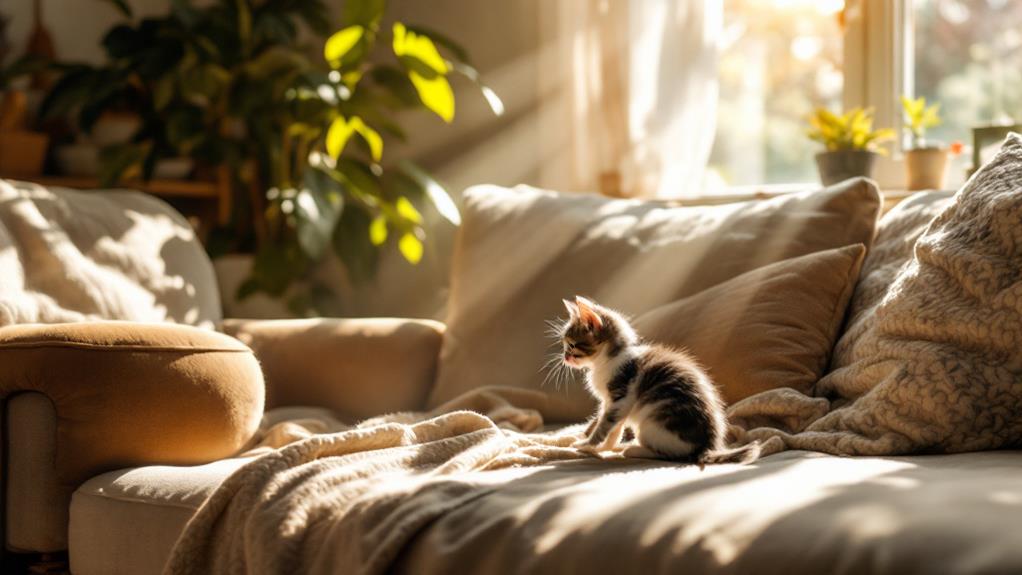
One vital step in introducing your cat to your new baby is managing their initial interactions carefully. Start by guaranteeing a calm environment, which is important for fostering a positive experience. Allow your cat to approach the new baby at its own pace. This approach helps minimize stress and encourages curiosity. Before the introduction, engage in interactive play sessions with your cat. These sessions help reduce any anxiety and make sure that your cat feels secure and relaxed.
As you proceed, monitor your cat's body language closely. Look for signs of stress, such as flattened ears or hissing. If you notice any discomfort, be ready to gently remove the baby and give your cat space. It's vital to establish a safe space where your cat can retreat if it feels overwhelmed. This allows your cat to control interactions with the baby, making it feel more at ease.
Keep these initial interactions brief and rewarding. Offer your cat treats as rewards for calm behavior, reinforcing a positive association with the new baby. By managing primary interactions thoughtfully, you help set the stage for a harmonious relationship between your furry friend and your new family member.
Maintaining Routine and Stability
Managing initial interactions sets the foundation for a peaceful coexistence, but maintaining routine and stability is key to keeping your cat content as your family grows. Cats thrive on routine, and the arrival of a new baby can disrupt their sense of stability. To minimize anxiety, stick to their established feeding and playtime schedules. This consistency offers comfort and reassurance, helping your cat feel secure in their environment.
Make sure you're setting aside time specifically for your cat. Amidst the demands of a newborn, it's easy to overlook, but regular attention is essential for maintaining a positive relationship. Allocate specific moments for interaction, such as quiet play or cuddles, ensuring your cat doesn't feel neglected.
Incorporate your cat into baby-related activities. For example, having your cat nearby during the baby's feeding times can create positive associations, reinforcing their place in the family. Furthermore, provide safe spaces where your cat can retreat during hectic moments. These quiet areas offer a break from the chaos, promoting comfort and reducing stress.
Ensuring Long-Term Harmony
To guarantee long-term harmony between your cat and your child, focus on fostering positive interactions and mutual respect. Consistently reinforce good behavior by praising both your cat and child during supervised encounters. This approach not only helps develop positive associations but also strengthens their bond. It's important to teach your child to respect the cat's space and recognize its body language. This will prevent unwanted signs of aggression or defensive behaviors.
Routines are fundamental for your cat's well-being. Keep feeding and playtime consistent, ensuring your cat feels secure in the presence of new family dynamics. If your cat seems stressed, provide a closed door or safe space to retreat. This is significant in helping your cat adjust.
As your child grows, reintroduce the cat using the initial introduction techniques. Gradual exposure allows both to adapt comfortably. You can also involve a friend or family member to supervise interactions, ensuring safety and support.