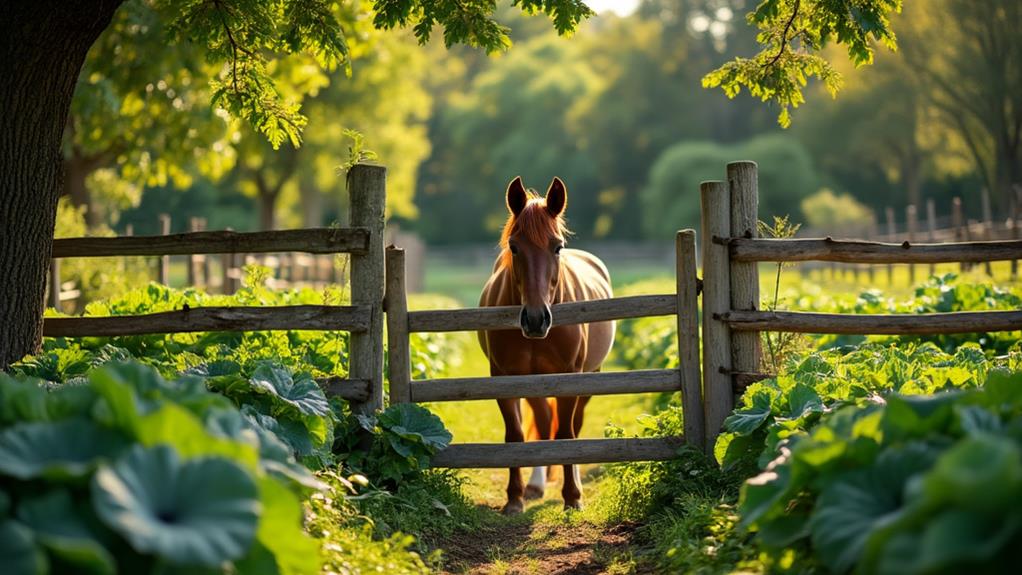
How to Build Trust With Your Horse: Key Steps for Stronger Bonds
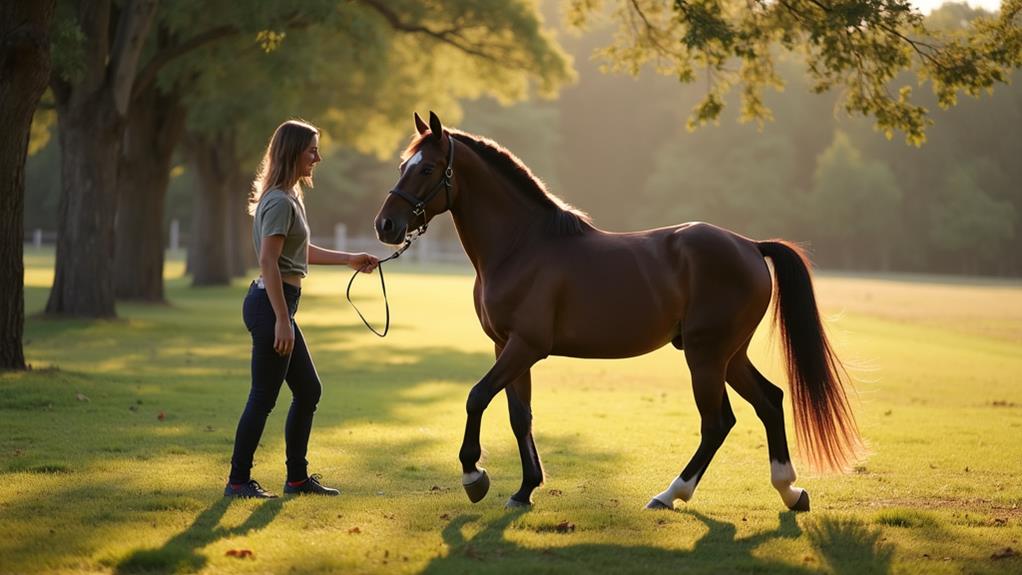
To build trust with your horse, focus on communication and understanding their body language. Short, frequent bonding sessions using positive reinforcement create security and reduce anxiety. Incorporate groundwork exercises like leading and lunging to elevate confidence and improve your communication. Establish routines with predictable activities like grooming, which fosters relaxation and security. Engage in spontaneous, fun activities to keep your horse motivated and deepen your bond. Recognize the importance of personal space and observe your horse's preferences to tailor your approach. By doing so, you'll gradually develop a stronger bond and see how these connections can enrich your relationship further.
Key Takeaways
- Consistently engage in short, frequent bonding sessions to build trust and reduce anxiety.
- Use positive reinforcement to encourage good behavior and create a sense of security.
- Focus on effective groundwork techniques to improve communication and confidence.
- Observe and understand horse body language to empathize and respond appropriately.
- Incorporate varied activities to keep the horse engaged and deepen the bond.
Importance of Bonding
Bonding with your horse is vital because it improves communication and builds trust. When you invest time in creating a strong bond with your horse, it leads to a mutual understanding that boosts both trust and confidence. This relationship allows for clearer communication between horse and handler, which is fundamental when working together. Spending time with your horse in short, frequent sessions rather than long rides can be more effective. This approach provides consistent interaction, helping to reduce your horse's anxiety and foster a stronger connection.
Positive reinforcement plays a key role in this bonding process. Rewarding your horse for good behavior encourages them to feel secure and more connected to you. As your horse begins to associate these positive experiences with your presence, their performance improves. They're more likely to respond well during training because the trust built through bonding greatly reduces stress.
Time Management Tips
Managing your time effectively is vital regarding building a strong relationship with your horse. Short bonding sessions, even just 10-15 minutes, can fit easily into your schedule and provide consistent interaction. These brief moments are valuable for building trust and making sure you're giving attention to your horse.
Establishing a routine with activities like Grooming Sessions or casual groundwork helps create a sense of predictability and security. This not only strengthens your connection but also allows time to learn more about your horse's behavior and needs. These routines can be comforting, providing both you and your horse with a reliable structure.
Don't underestimate the power of spontaneous interactions. Exploring new areas or playing games is a great way to keep your horse engaged. These activities enrich the bonding experience without the need for extensive time commitments. By regularly dedicating time to observe and interact, you deepen your understanding and boost trust and communication.
Utilize small pockets of time throughout the week. This approach can alleviate feelings of guilt about not spending enough time with your horse while still making significant progress in building trust. Remember, it's not always about the quantity of time but the quality of the connections you make.
Effective Groundwork Techniques
Engage yourself in the world of effective groundwork techniques to solidify the foundation of your relationship with your horse. Groundwork exercises like leading and lunging are fundamental for building trust. They improve communication, allowing you to interpret your horse's body language and respond appropriately. Spending quality time together through consistent practice fosters good behavior and increases your horse's responsiveness to cues, which translates to enhanced performance under saddle.
Focus on exercises that elevate confidence for both you and your horse. By engaging in groundwork, you reduce the reliance on riding, creating a safer training environment. Regardless of whether you're working on simple halting or more advanced maneuvers, tailor your approach to suit your horse's unique needs and preferences. This customization guarantees that your horse remains engaged and motivated.
Incorporate fun and rewarding activities into your sessions. This not only makes training enjoyable but also reinforces the bond through mutual understanding and positive experiences. As you and your horse share these moments, you're not just training; you're bonding with your horse. Effective groundwork is a powerful tool that deepens your connection, paving the way for a trusting and harmonious partnership.
Understanding Horse Behavior
Understanding horse behavior is fundamental to building a strong and trusting relationship with your equine partner. Horses are social creatures, and they communicate primarily through body language. Observing their posture, ear position, and tail movement can give you insights into their emotions and reactions. To build a connection with your horse, you must spend time understanding these subtle cues. This not only helps in recognizing their mood but also in creating a respectful and empathetic bond.
A horse requires time to feel comfortable and secure. Invading their personal space can lead to stress, so recognizing and respecting their boundaries is essential. Spending time observing without direct interaction can strengthen the bond between you and your horse, emphasizing the significance of patience.
Consider these aspects:
- Personal Space: Respecting it fosters trust and comfort.
- Fear and Discomfort: Empathize with their feelings during a training session to build trust.
- Activity Preferences: Notice what they enjoy to improve your training approach.
Understanding horse behavior isn't just about training sessions; it's about building a genuine connection. By investing time and attention, you'll cultivate a relationship rooted in trust and mutual respect.
Activities for Engagement

Building a trusting relationship with your horse involves not only understanding their behavior but also actively engaging with them through different activities. Start with grooming, which does more than just clean your horse. It promotes relaxation and helps them feel more comfortable with your touch and body language. Pay attention to their favorite "itchy spots" during grooming sessions. Recognizing these areas can provide comfort, helping to strengthen the bond and trust between you.
Groundwork is another excellent way to build that connection. Leading and lunging exercises improve your horse's responsiveness and respect. These activities reinforce your relationship by showing your horse they can trust your guidance without needing to ride. As you engage in groundwork, you'll notice an improvement in communication and mutual understanding.
Don't overlook the power of playtime. Activities like scavenger hunts with hidden treats introduce fun into your routine, creating excitement and strengthening emotional connections. Allow your horse to investigate new environments through hand-walking, which stimulates curiosity and builds confidence. By engaging in these activities, you and your horse will develop a deeper bond, paving the way for a trusting and rewarding partnership.
Overcoming Behavioral Challenges
When you face behavioral challenges with your horse, a strong foundation of trust can make all the difference. Building this trust mitigates issues like bolting or bucking by improving your horse's responsiveness to cues and reducing anxiety. Start by understanding what triggers your horse's negative behaviors. Is it fear, discomfort, or something else? Address these triggers with consistent, calm handling to foster trust.
Implement groundwork and positive reinforcement as part of your routine. These activities encourage a bond that reduces reliance on riding and prevents dangerous behaviors from developing. Use gradual desensitization to help your horse feel secure and confident around stimuli that typically cause fear. By introducing these stimuli slowly, your horse learns to trust you more and react less.
- Focus on groundwork to establish mutual respect and communication.
- Use positive reinforcement to encourage desired behaviors and strengthen trust.
- Practice desensitization by gradually exposing your horse to feared stimuli.
If behavioral challenges persist despite your efforts, seeking professional help can be beneficial. A strong bond will improve the effectiveness of any training or rehabilitation efforts undertaken by a professional, ensuring a more harmonious relationship in the long run.