How Long Does a Hahn’s Macaw Live? Lifespan and Care Tips
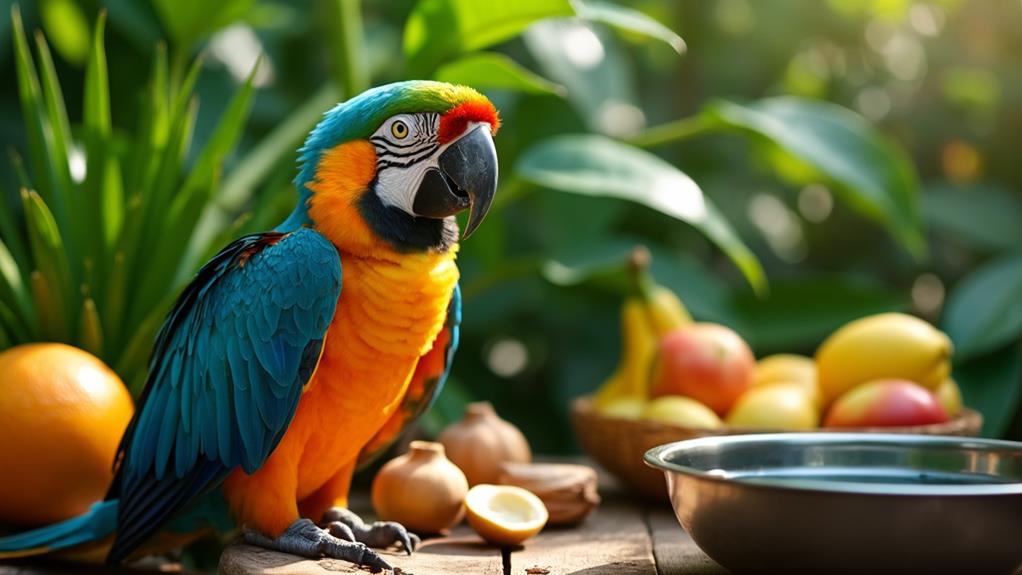
Hahn's Macaws bring joy with a lifespan of 20 to 30 years, and they might surprise you by living a bit longer with dedicated care. You'll need to focus on giving them a balanced diet with high-quality pellets, fresh fruits, and vegetables. Daily exercise outside the cage helps avoid obesity and keeps them mentally stimulated. Regular vet visits are essential to maintain their health and prevent any potential issues. Provide plenty of interaction and a clean, spacious environment to keep them happy and healthy. For more tips on keeping your macaw thriving, consider exploring supplementary details.
Key Takeaways
- Hahn's Macaw typically lives 20 to 30 years, sometimes exceeding 30 years with optimal care.
- Good nutrition and regular veterinary check-ups are essential for a Hahn's Macaw's longevity.
- Mental stimulation and social interaction significantly impact the overall well-being of Hahn's Macaws.
- A spacious environment and daily exercise are crucial to prevent obesity and health issues.
- A balanced diet of high-quality pellets, fresh fruits, and vegetables is necessary for their health.
Overview of Hahn's Macaw
Hahn's Macaw, often referred to as the Red-shouldered Macaw, stands out as the smallest member of the macaw family. Measuring just 12-14 inches and weighing about 5 ounces, they may be tiny, but they've got big personalities. As a potential owner, you'll find that Hahn's Macaws are highly intelligent and social creatures. They thrive on interaction, needing mental stimulation and companionship to stay happy. If you're considering bringing one into your home, be prepared to commit to their care.
Regarding lifespan, Hahn's Macaws typically live between 20 to 30 years, but with proper care, they can exceed 30 years in captivity. To guarantee they lead a long, healthy life, follow crucial care tips. Provide a spacious environment where they can play and exercise, as their active nature demands it. Without enough space or engagement, they might develop destructive behaviors. Nutrition is also key; a balanced diet of high-quality pellets, fresh fruits, and vegetables is crucial for their health.
In short, owning a Hahn's Macaw means embracing their lively spirit and meeting their needs for interaction and proper care to enjoy many joyful years together.
Natural Habitat
Comprehending the natural habitat of your potential pet is significant to replicate its environment and guarantee its well-being. Hahn's Macaws originate from the tropical lowlands, savannas, and swamplands in northeastern South America, including countries like Venezuela, Brazil, and Guyana. These colorful birds thrive in lush environments filled with dense foliage, which offers important foraging and socialization opportunities. Replicating this setting in captivity helps secure their health and happiness.
In the wild, Hahn's Macaws prefer areas with plenty of climbing opportunities, supporting their active and playful nature. Providing similar structures in their living space encourages physical activity and mental stimulation. These birds are social creatures, often forming small flocks, reflecting their need for companionship. Making sure they have a social environment, regardless of it being with other birds or interactive human engagement, is essential.
Their striking green plumage, accented with blue and red, provides excellent camouflage within the dense tropical foliage, protecting them from predators. Mimicking this natural habitat in a safe and secure setting helps them feel at home. By understanding these elements, you can create an ideal environment that supports the well-being of your Hahn's Macaw.
Lifespan in Captivity
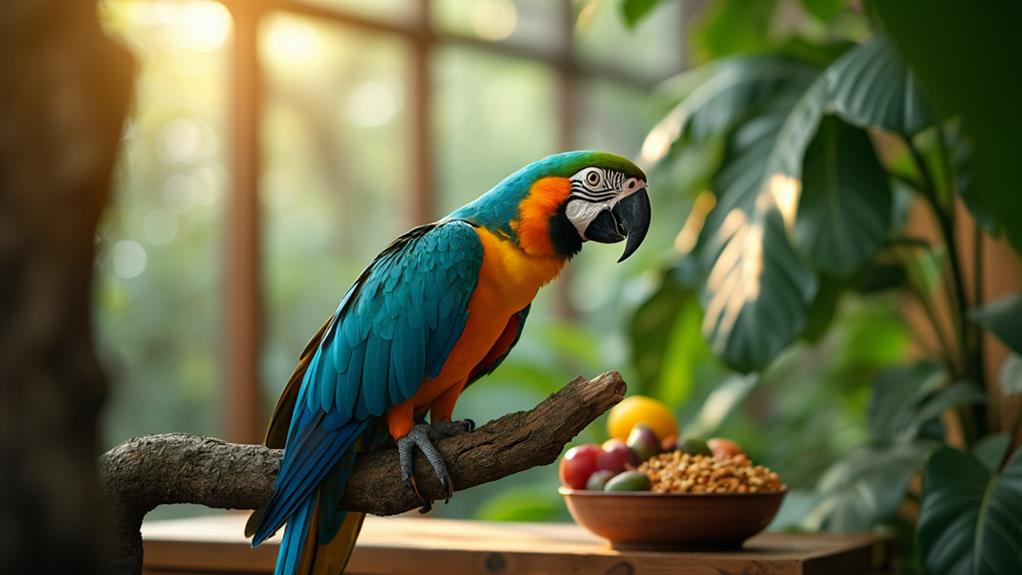
A well-cared-for Hahn's Macaw can live a long and fulfilling life, typically ranging from 20 to 30 years in captivity. Some even exceed the 30-year mark with the right care. To guarantee your feathered friend reaches its full lifespan in captivity, focus on providing good nutrition and regular veterinary check-ups. A balanced diet plays a critical role in their longevity. Avoid discussing diet specifics here, but remember, good nutrition is a pillar of their health. Regular veterinary check-ups are fundamental to monitor their health and catch potential issues early, such as nutritional disorders or self-mutilation. These check-ups can prevent minor problems from escalating into life-threatening conditions.
Beyond diet and medical care, mental stimulation and socialization greatly impact their well-being. Engage your Hahn's Macaw with toys, puzzles, and interaction to prevent behavioral problems that might shorten their lifespan. A clean living environment and daily exercise outside the cage are also crucial. Exercise keeps them physically fit, while cleanliness prevents diseases. By combining these elements, you create a nurturing environment where your Hahn's Macaw can thrive, enjoying each day to its fullest potential. Your dedication to their well-being makes all the difference.
Essential Diet and Nutrition
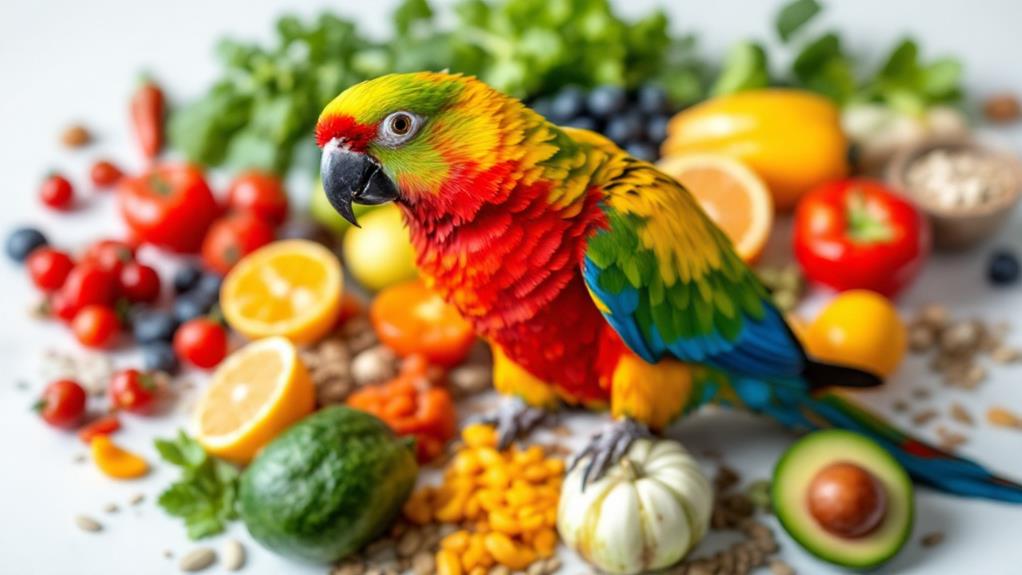
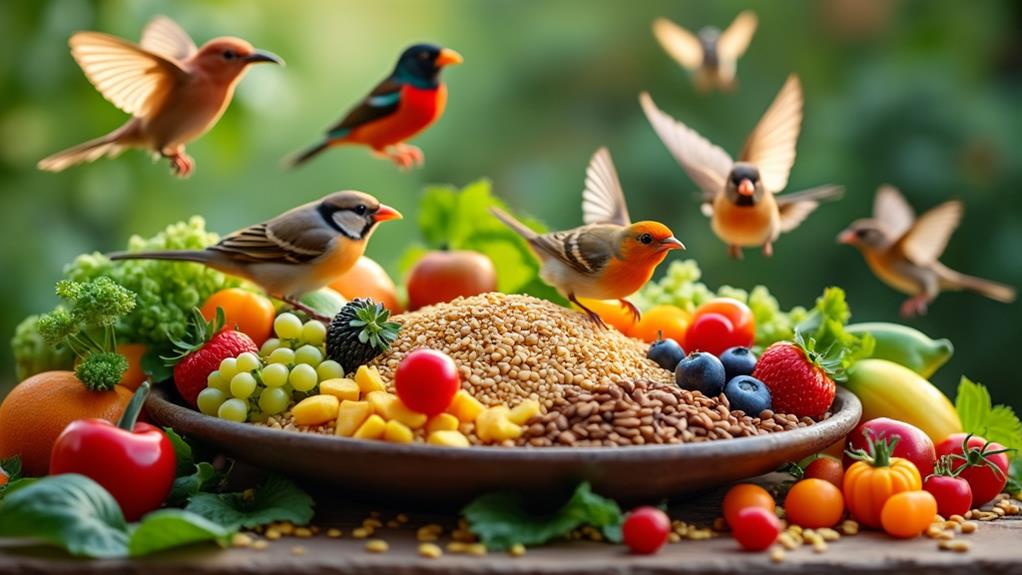
Many Hahn's macaws flourish on a well-balanced diet that includes high-quality pellets, fresh fruits, and vegetables, along with seeds. It's important to provide a variety of these foods to meet their nutritional needs and promote general health. Avoid cheap fillers in their diet; instead, opt for a quality parrot mixture that's tailored for macaws. This guarantees they're getting the necessary nutrients required for a long, healthy life.
Incorporating special treats like tender corn on the cob and sprouted sunflower seeds can make their feeding experience more enjoyable and varied. During nesting, supplement their diet with egg rearing food enriched with calcium. This is significant in supporting breeding health and guaranteeing the offspring's wellbeing.
Regularly monitoring their diet is key to preventing nutritional disorders, which can lead to serious health issues. By offering a diverse range of foods, you can help maintain their vibrancy and happiness. It's your responsibility to make certain their diet remains balanced and nutritious. Remember, a well-balanced diet is more than just food—it's the foundation of your Hahn's macaw's longevity and quality of life. Keep their meals exciting and nutritious, and they'll thrive.
Personality Traits
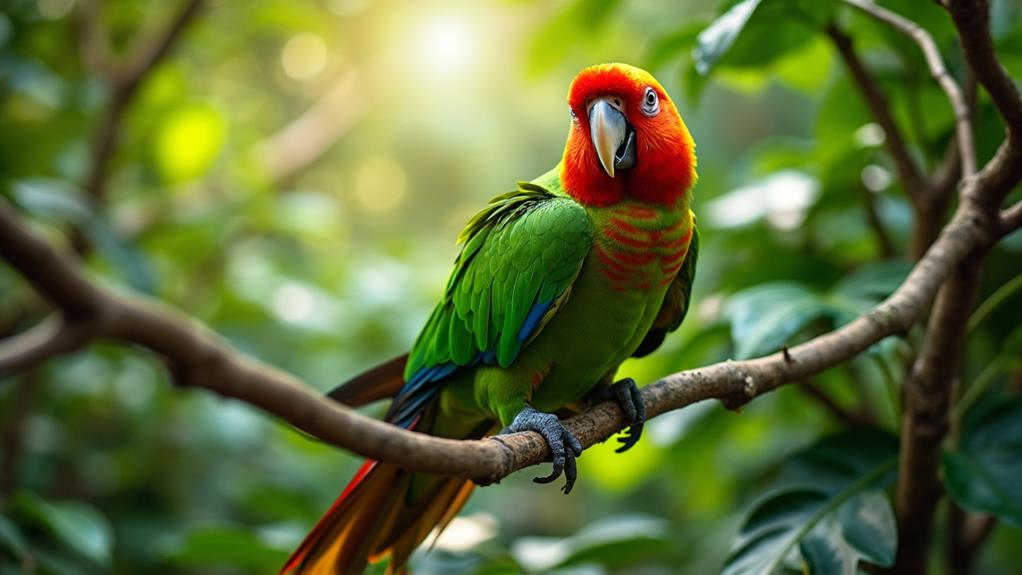
In the domain of Hahn's macaws, their intelligence and charm shine through, making them truly endearing companions. As a potential owner, you'll find these birds are not just beautiful but also incredibly smart and playful. Their personality traits include a spirited and lively demeanor that can fill your home with joy. Hahn's macaws have a knack for forming strong bonds with humans, often seeking companionship and interaction, which means they're happiest when they're part of the family routine.
Owning a Hahn's macaw involves a long-term commitment, as they can live between 20 to 30 years. Over this time, you'll need to provide plenty of mental stimulation and physical activity to keep them entertained and avoid boredom. Without enough engagement, they might develop destructive behaviors, so it's essential to incorporate interactive play into their daily life. Their generally gentle nature makes them more suitable for families with children than larger macaws, but it's still significant to supervise interactions to guarantee safety for both the bird and the child. If you're ready to dedicate time and energy, a Hahn's macaw can be a delightful, lifelong friend.
Training and Socialization
Training and socialization are fundamental components of caring for Hahn's macaws. These intelligent birds thrive on companionship and require consistent social interaction to build strong bonds with you. Early socialization is important. By exposing your macaw to a variety of environments and practicing gentle handling, you'll help prevent behavioral issues like biting or fearfulness. Make certain to introduce them to different settings and people regularly to improve their adaptability.
When it comes to training, positive reinforcement techniques work best. Hahn's macaws respond very well to rewards for desired behaviors. Use treats and praise to encourage actions you want to see more of. Teaching necessary commands, such as "Step up!", is crucial for managing their behavior. This not only guarantees their safety but also makes interactions more enjoyable for both of you.
Don't forget mental stimulation to keep their intelligent minds engaged. Incorporate tricks and puzzles into their routine to prevent boredom-induced destructive behavior. These activities challenge their problem-solving skills and provide significant enrichment. By focusing on consistent training, socialization, and mental stimulation, you'll raise a happy, well-adjusted Hahn's macaw that thrives in your home environment.
Vocal Abilities
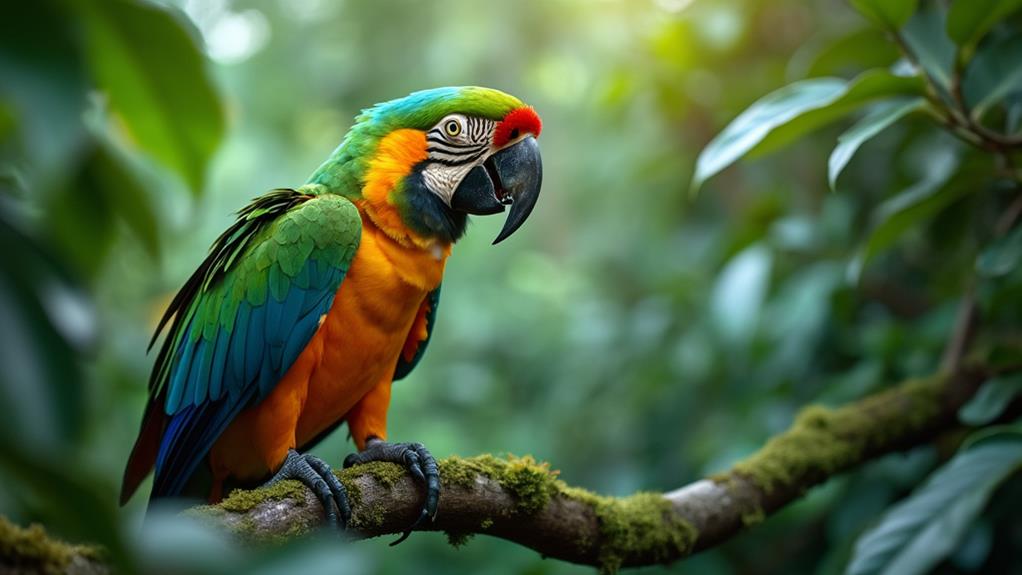
Hahn's macaws are known for their impressive vocal abilities, capable of learning a range of words and phrases. With the right training, you can teach them to learn many words, enhancing their ability to communicate with you. These birds have a high-pitched voice, which can be quite charming, but it also means their vocalizations might not suit every home, especially if you prefer a quieter environment.
Early speech training plays an essential role in developing their vocal abilities. If you start teaching them words and sounds when they're young, you'll likely find they become quite skilled at mimicking a variety of noises, including whistles. This not only expands their vocabulary but also encourages clearer communication. Remember, consistency is key, so regular training sessions will help reinforce their learning.
It's significant to use positive reinforcement during these sessions. Reward them with treats or affection when they successfully mimic a sound or word. This approach not only helps manage their volume but also keeps their vocal abilities in check. Keep in mind that if you have multiple Hahn's macaws, their combined chatter can be quite loud, so plan accordingly.
Health and Wellness
While vocal abilities are a delightful aspect of Hahn's macaws, maintaining their health and wellness is just as significant. To guarantee your feathered companion enjoys a long, healthy life, focus on a few key areas. Regular veterinary check-ups are essential, helping to catch and prevent issues like self-mutilation and nutritional disorders early on. Your vet can offer tailored advice to keep your macaw in peak condition.
A balanced diet forms the foundation of their health and wellness. High-quality pellets should be the mainstay, supplemented with a variety of fresh fruits and vegetables. This combination provides crucial nutrients and keeps their diet interesting and enjoyable. Avoid feeding them foods high in fat or sugar, as these can lead to health issues over time.
Daily exercise outside the cage isn't just a suggestion—it's necessary to prevent obesity and support their physical health. Encourage flying and playing to keep them active and engaged. Mental stimulation is similarly important. Without it, boredom can lead to destructive behaviors. Consistent social interaction and training sessions are vital for their psychological health, preventing neurosis and guaranteeing your macaw remains a happy, well-adjusted pet.
Space and Environment Needs
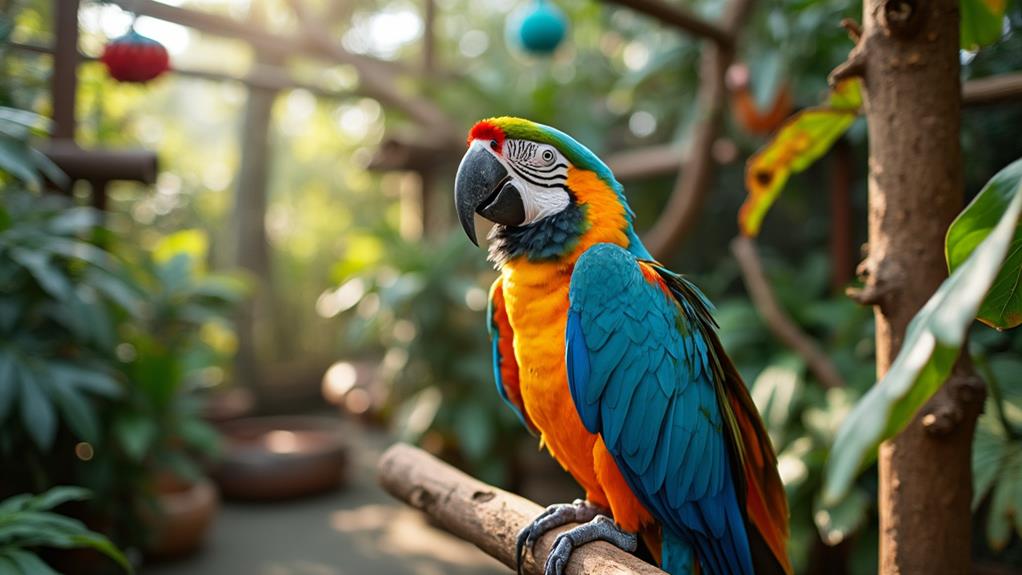
Creating an ideal space for your Hahn's macaw is fundamental for their well-being. Start by ensuring their cage size meets the minimum recommendation of 3 feet in height, length, and width. This allows them to fully expand their wings and move comfortably. While their compact size might tempt you to place them in smaller living spaces, keep in mind that their vocal nature can make them unsuitable for apartments.
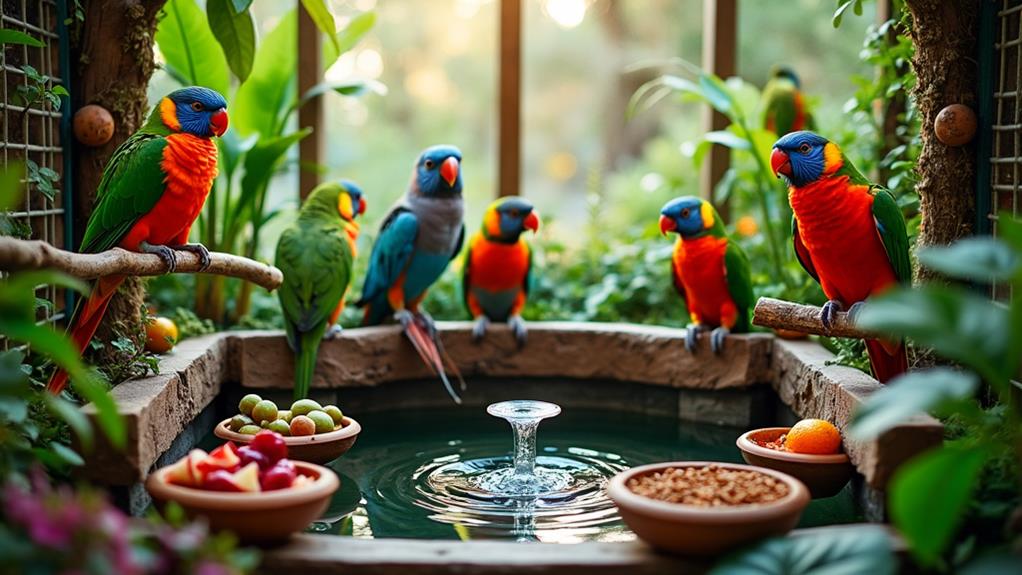
A stimulating environment plays a significant role in your macaw's happiness and health. Incorporate different perches and climbing opportunities within their cage to encourage natural behaviors. This setup not only keeps them entertained but also supports their mental and physical well-being.
Don't overlook the importance of daily exercise outside the cage. Set aside time each day for your macaw to stretch, fly, and socialize. This activity helps prevent obesity and keeps them engaged. Furthermore, regular cleaning of their habitat is critical. A clean cage prevents disease and contributes to a healthy living space, reducing the risk of health issues.
Adoption Considerations
When considering adopting a Hahn's macaw, keep in mind that these intelligent birds can live up to 30 years, representing a noteworthy long-term commitment. Before diving into adoption, evaluate if you're ready to meet their care requirements. A well-balanced diet, ample space, and daily social interaction are vital. These birds thrive on attention and mental stimulation, requiring you to be an engaged and active participant in their lives.
Adopting a Hahn's macaw from a shelter or rescue can be a rewarding experience, providing a home for a bird in need while fully understanding the responsibilities involved. It's important to assess your ability to provide continuous care and a stable environment for decades. Financial planning is also a must; veterinary care, high-quality food, toys, and proper housing can add up considerably over time.
Ensure you have the resources and time to dedicate to this lively and social creature. These birds are not just pets; they're companions that require commitment and understanding. By considering all aspects, including their long lifespan and specific care needs, you'll be better prepared for a successful adoption experience.