Honduran Curly Hair Tarantula: Is It a Good Pet for Beginners?
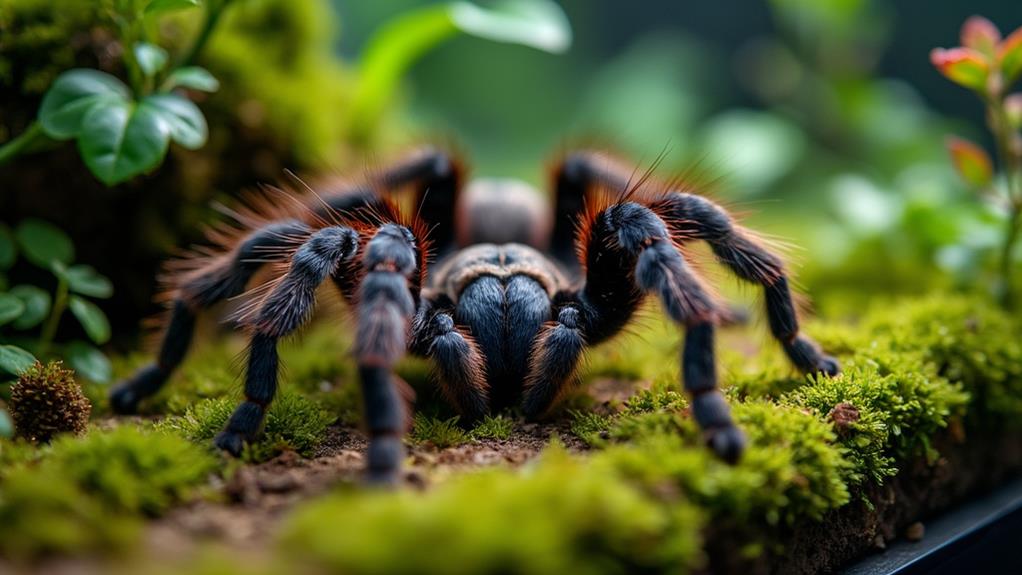
The Honduran Curly Hair Tarantula is a great beginner pet due to its docile nature and simple care needs. With a leg span of 5 to 6 inches, it's not intimidating and its distinctive curly hairs are enchanting. A 5 to 10-gallon tank with proper humidity and temperature suits it well. Feed it crickets or roaches weekly, and monitor health signs like appetite changes. Financially, it's affordable, costing $20 to $50, with low monthly expenses. Choose a reputable breeder or adopt for a healthier pet. Keep exploring to find out more about welcoming this easy-going arachnid into your home.
Key Takeaways
- Honduran Curly Hair Tarantulas are docile, making them ideal for beginner pet owners.
- They require minimal maintenance with a simple diet and affordable care costs.
- Their calm temperament and low aggression levels ensure easy handling.
- Housing needs include a secure tank, appropriate humidity, and temperature.
- Lifespan of up to 10 years offers a long-term pet commitment.
Species Characteristics
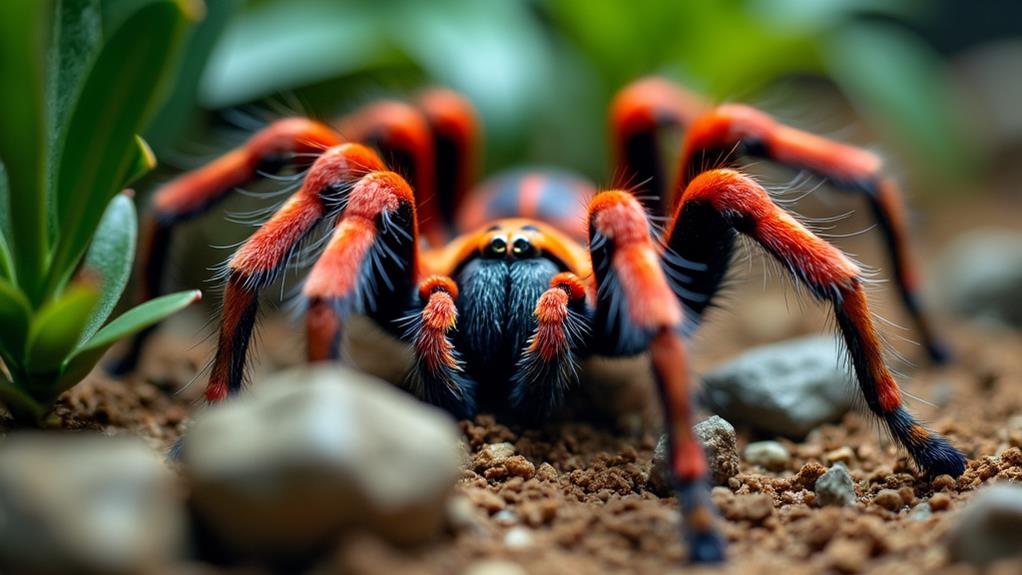
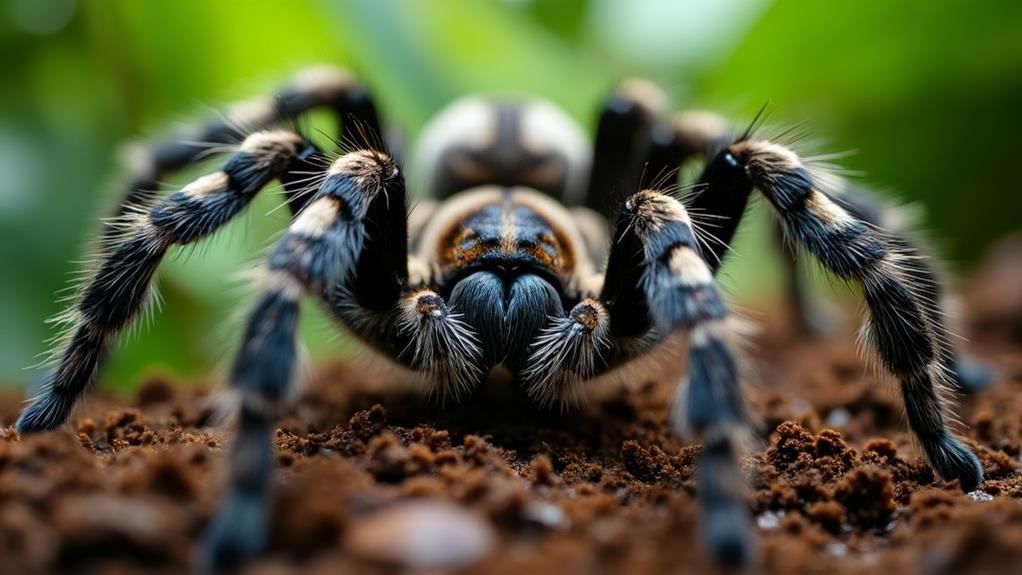
The Honduran Curly Hair Tarantula, often admired for its distinctive appearance, typically grows to a leg span of 5 to 6 inches. Known for its long, curly hairs, this tarantula is a great choice for beginners. Its docile nature and calm temperament make it a popular pet trade option. You'll find that this species rarely displays aggression, which is why it's considered a beginner species. However, like all tarantulas, it can kick urticating hairs or deliver a venomous bite if threatened.
When you're considering getting a Honduran Curly Hair Tarantula, keep in mind that enclosure size is vital for their well-being. Although not the focus here, keeping them comfortable improves their quality of life. You'll also need a water dish to guarantee they stay hydrated, especially significant for young tarantulas that are still growing. As these tarantulas thrive in tropical rainforests, they appreciate a humid environment.
With a lifespan of 8 to 10 years for females and around 4 years for males, you'll have your tarantula companion for quite a while. Their solitary nature means they should be housed alone, making them an ideal pet if you're looking to start small.
Housing Requirements
When considering the care of your Honduran Curly Hair Tarantula, proper housing guarantees their well-being and longevity. As a beginner tarantula owner, selecting the right enclosure is essential. Aim for a 5 to 10-gallon tank to provide ample space. Confirm the enclosure's floor is 2-3 times the width of your tarantula's leg span and 3 times its length, allowing comfortable movement.
The substrate depth is important for their burrowing nature. Use at least 3 inches of peat moss, potting soil, or coconut husk. This depth accommodates their instinctive digging behavior and helps maintain necessary humidity levels. Speaking of humidity, keep it between 65-70%. A hygrometer is an excellent tool to monitor this.
Your curly hair tarantula thrives in a temperature range of 75-85°F. A heating pad is a dependable way to maintain this warmth. Don't overlook the significance of a secure, ventilated lid. Although these tarantulas are calm, they're agile and could escape if the lid isn't secure. Adequate ventilation prevents mold growth and guarantees your tarantula has fresh air. With these considerations, your tarantula will have a comfortable and safe home.
Diet and Hydration
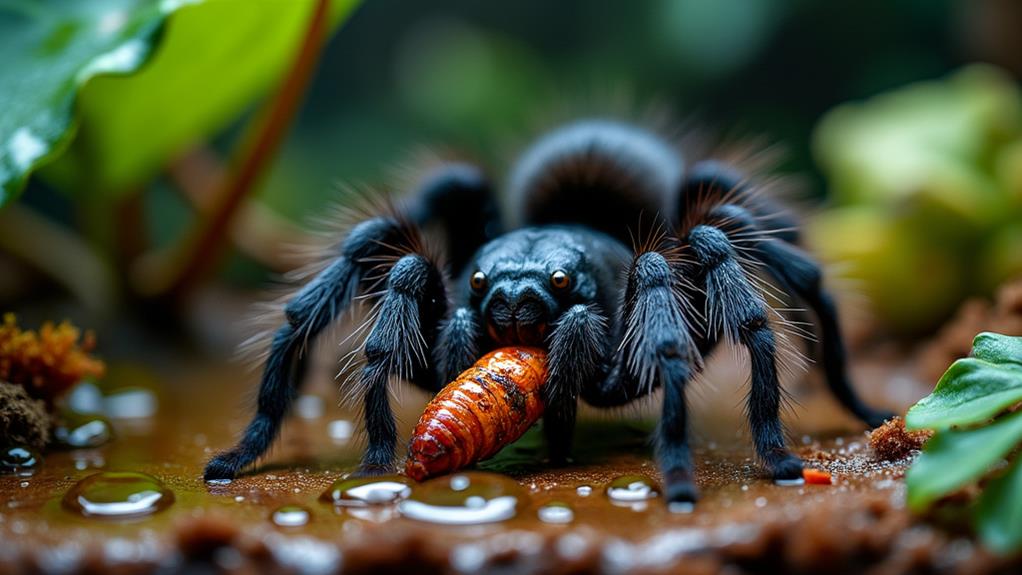
A significant aspect of caring for your Honduran Curly Hair Tarantula is guaranteeing a balanced diet and proper hydration. As a beginner, you'll find that feeding your tarantula live crickets, roaches, and waxworms is fundamental. The prey should be no more than two-thirds the size of your tarantula to promote ideal feeding and minimize stress. For young tarantulas, aim to feed them every 2-5 days, while adults typically require feeding once a week. Remember to remove any uneaten prey within 24 hours to prevent stress and contamination in their enclosure.
Hydration is similarly important, and although your tarantula gets most of its moisture from its food, you'll need to supply a shallow dish of clean water. Refresh this water daily to guarantee your tarantula stays hydrated. Maintaining adequate humidity levels in the enclosure, around 65-70%, is critical for their general well-being. By keeping the humidity right, you encourage healthy hydration and prevent potential health issues related to dryness.
For beginners, adhering to these dietary and hydration guidelines will help you create a healthy environment for your Honduran Curly Hair Tarantula, guaranteeing they thrive as your unique and fascinating pet.
Health and Maintenance
Caring for the health and maintenance of your Honduran Curly Hair Tarantula guarantees a thriving and stress-free pet. Start by regularly monitoring the humidity levels in the enclosure, aiming for around 65-70%. This is vital as improper humidity can lead to health issues like molting problems. Similarly significant is maintaining the temperature between 75-85°F. You can use a heating pad for this purpose. Consistent temperature prevents stress and supports your tarantula's general well-being.
A clean environment is fundamental. Remove any uneaten prey within 24 hours, and routinely check for mold or waste. This practice helps prevent potential health complications. Keep an eye out for signs of lethargy or a lack of appetite. These may suggest your tarantula is preparing to molt. During this time, it's significant to avoid feeding it.
If you notice abnormal behaviors or if your tarantula experiences prolonged molting, don't hesitate to consult with a veterinarian experienced with exotic pets. This professional guidance can be vital in addressing health concerns and ensuring your tarantula remains a healthy and delightful companion. By following these steps, you're investing in your tarantula's long-term health and happiness.
Financial Considerations
Ensuring your Honduran Curly Hair Tarantula's health is key, but it's also significant to contemplate the financial aspects of pet ownership. If you're a beginner looking for your initial tarantula, this species is a budget-friendly option. The purchase price is relatively low, ranging from $20 to $50 in pet stores, with females often priced higher due to their longer lifespan. This makes them an accessible choice for those considering a novice arachnid pet.
Once you have your tarantula, you'll find that their care is easy to manage. The monthly feeding costs are economical, typically between $5 and $10 depending on the live prey you choose. Regular substrate changes, necessary for maintaining a clean environment for your adult tarantula, will set you back around $10 to $20 occasionally.
However, don't overlook potential veterinary expenses. It's a smart move to budget for unexpected health issues, even though these situations may be rare. Setting aside an emergency fund will provide peace of mind. In general, with its low price and minimal maintenance requirements, the Honduran Curly Hair Tarantula is an excellent economical choice for beginner pet owners.
Purchasing or Adopting
When you're ready to welcome a Honduran Curly Hair Tarantula into your home, consider if to purchase or adopt. For new keepers, this decision is vital. Purchasing from responsible breeders often guarantees you receive a tarantula that's been well cared for. These breeders can be found through online classifieds and dedicated forums, where community recommendations help verify their reliability. Prices generally range from $20 to $50, with females being more expensive due to their longer lifespan.
If you're leaning towards adoption, exotic pet rescue groups offer a compassionate option for acquiring a tarantula. They often have specimens in need of a new home, and adopting can be a rewarding experience. However, regardless of purchasing or adopting, always check the tarantula's health and alertness—these are signs of good husbandry practices.
It's wise to avoid buying from pet stores that might sell wild-caught specimens. Such tarantulas often come with health risks and may not have been cared for properly. By choosing a responsible source, you guarantee that your new pet starts its life with you in the best possible health, setting the stage for a rewarding pet-keeping experience.
Related posts