Hispanic Dog Breeds You Should Know About: A Deep Dive
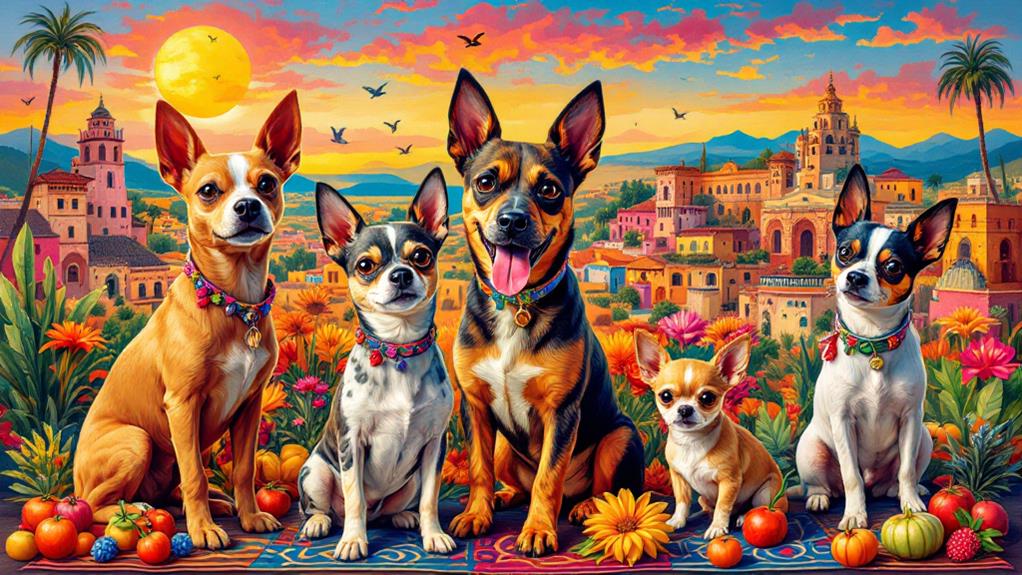
Prepare to investigate Hispanic dog breeds that are not only unique but also steeped in rich cultural histories. From the lively Chihuahua and ancient Xoloitzcuintli in Mexico to the robust Dogo Argentino and rare Argentine Pila, each breed offers distinct traits. Cuba's Havanese shines with playful charm, while Brazil's Fila Brasileiro impresses with its protective nature. These breeds reflect their origins, showcasing adaptability, intelligence, and loyalty. They play key roles in their local cultures, embodying tradition through their distinctive features and historical significance. Uncover how these remarkable breeds contribute to their dynamic heritage and diverse roles.
Notable Mexican Breeds
In the rich tapestry of canine history, Mexico has gifted the world with some truly remarkable dog breeds. Among these unique dog breeds, the Mexican Hairless, or Xoloitzcuintli, stands out with its fascinating 3,000-year history. Not only does it possess a striking appearance due to its lack of fur, but it also brings loyalty into your home, making it a wonderful pet. Known for being intelligent dogs, Xolos are highly trainable, and their hairless variety can be a blessing for allergy sufferers.
Another notable breed is the Chihuahua, the smallest dog breed in the world. Despite its tiny size, weighing only 2 to 6 pounds, this dog packs a big personality and can live up to an impressive 20 years. Chihuahuas can easily adapt to apartment living, making them ideal for city dwellers.
While not Mexican, the Peruvian Inca Orchid often gets grouped with these hairless breeds for its similar traits. Its affectionate nature and need for special skin care make it a unique companion. If you're searching for a loyal, intelligent dog that's perfect for apartment living, consider these Mexican breeds and their Peruvian cousin.
Unique Traits of Argentine Breeds
Exploring the unique traits of Argentine dog breeds reveals a diverse range of characteristics and histories. The Dogo Argentino stands out with its muscular build and strength, originally developed in the 1920s for big-game hunting. This breed is not just powerful but also protective, embodying loyalty to its family. With a life expectancy of 9 to 15 years, the Dogo Argentino's short, smooth, all-white coat adds to its striking presence.
On the other hand, if you're seeking a unique companion, consider the Argentine Pila. This ancient hairless breed dates back over 3,000 years and is perfect for apartment living. Its lack of fur makes it a low-maintenance pet, and its friendly nature makes it an excellent companion. The Argentine Pila can live up to 20 years, showcasing a long-term bond with its owner.
While the Dogo Argentino and Argentine Pila differ greatly in appearance and purpose, they both exhibit loyalty. Regardless of whether you're drawn to the Dogo's protective nature or the Pila's companionship, these Argentine breeds offer distinct experiences. Each breed not only enriches your life but also carries a rich history worth celebrating.
Cuban Canine Companions
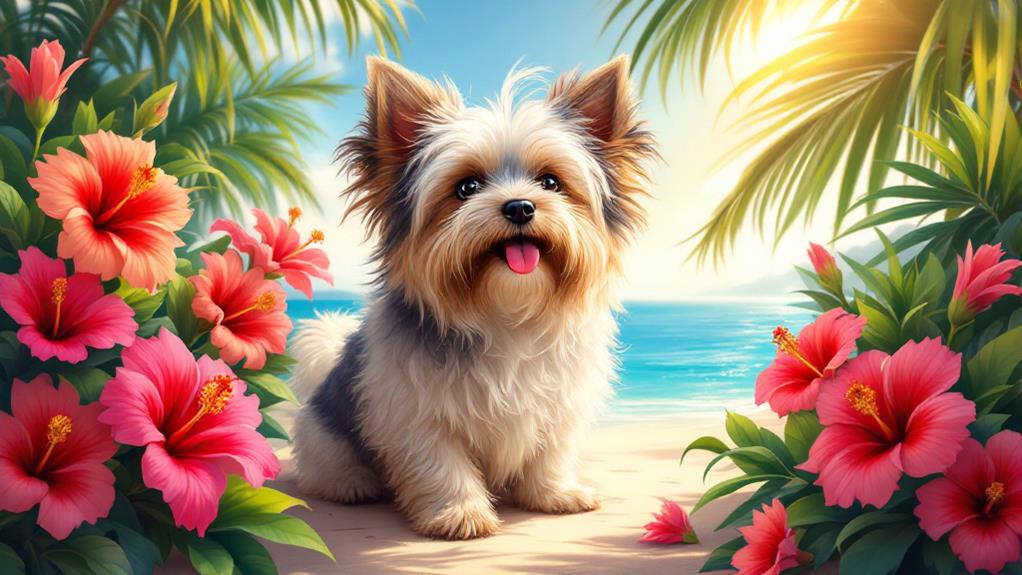
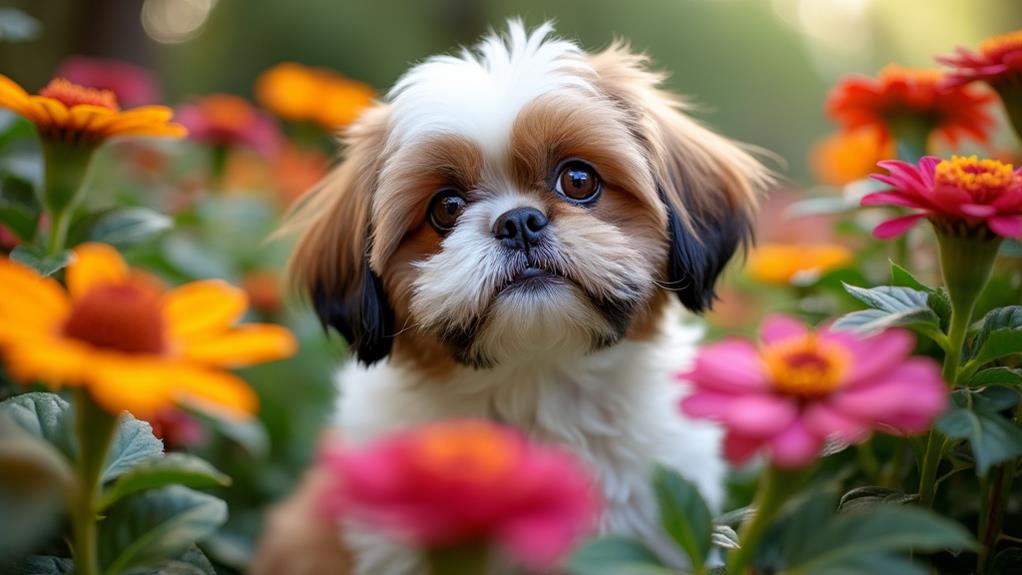
Cuban canine companions offer a fascinating glimpse into the island's rich cultural tapestry. The Havanese, Cuba's only native dog breed, stands out for its affectionate nature and distinctive silky coat. As a small breed, they typically measure 8.5 to 11.5 inches tall and weigh between 7 to 13 pounds. This makes them perfect for families and apartment living. Historically, Havanese dogs were the cherished companions of Cuban nobility. Their playful demeanor and intelligence make them excel in obedience training, adding to their appeal as loving family pets.
On the other hand, the Dogo Cubano, though rare, highlights another aspect of Cuba's canine heritage. Originally developed for hunting and guarding, this breed is known for its strength and loyalty. Standing between 24 to 30 inches tall and weighing 70 to 100 pounds, the Dogo Cubano commands respect with its imposing presence. Both breeds reflect Cuba's unique culture and history through their characteristics and roles. Regardless of whether you're drawn to the Havanese's affectionate charm or the Dogo Cubano's loyal strength, these Cuban canine companions offer a distinct connection to the island's lively heritage and history.
Brazilian Dog Diversity
Brazilian dog breeds offer a fascinating immersion into the country's rich cultural heritage and diversity. When you think about these breeds, the Brazilian Mastiff, or Fila Brasileiro, might come to mind initially. Known for its impressive loyalty and protective instincts, this breed stands tall at 24 to 30 inches and weighs between 90 to 110 pounds. It's a perfect example of how canine genetics in Brazil have evolved to create dogs that excel in guarding and protection roles. However, owning a Fila Brasileiro requires experience due to its strong guarding instincts and need for proper training.
On the other hand, if you're looking for a smaller companion, the Brazilian Terrier is worth considering. Weighing between 10 to 25 pounds and standing 10 to 16 inches tall, this agile breed is not only a delightful companion but also an adept hunting dog. Its resilience and adaptability reflect Brazil's unique approach to canine genetics, allowing these dogs to thrive in different environments. Both the Brazilian Mastiff and Brazilian Terrier highlight the country's significant contributions to global canine genetics, combining loyalty and versatility in ways that speak volumes about Brazil's diverse cultural tapestry.
Peruvian Heritage Breeds
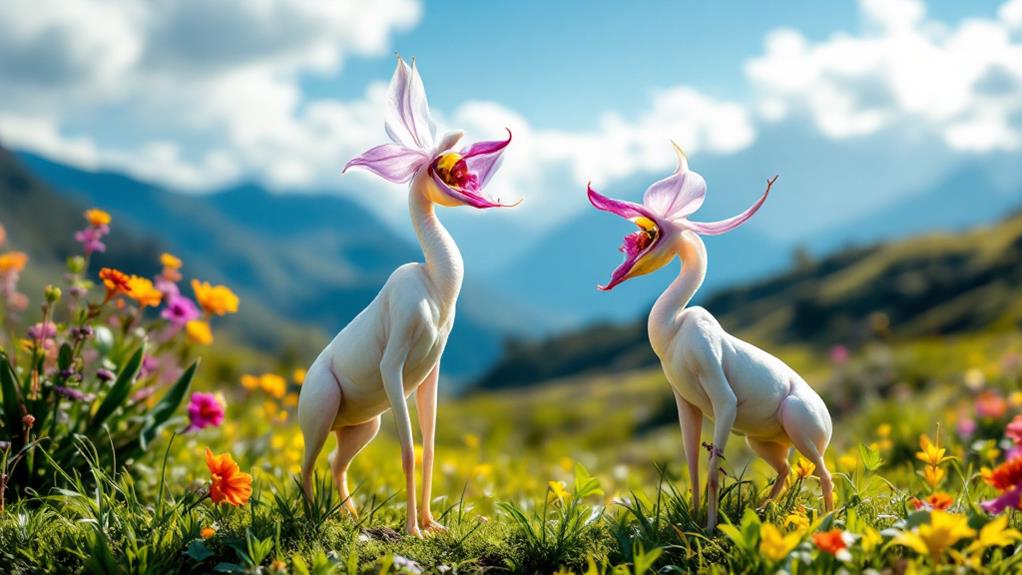
While Brazilian breeds showcase impressive diversity and cultural significance, Peru offers its own unique contribution to the canine domain with the Peruvian Inca Orchid. This ancient hairless breed, depicted in art since 300 BC, captivates with its distinct appearance and intriguing history. Ranging in size from 10 to 26 inches tall and weighing between 9 to 55 pounds, the Peruvian Inca Orchid varies in stature but consistently embodies elegance.
Known for its affectionate nature, this breed bonds closely with family members, offering companionship and loyalty. However, it can be cautious around strangers, a trait that highlights its protective instincts. Due to its hairlessness, the Peruvian Inca Orchid requires special care, particularly regarding skin protection and temperature regulation. Despite these needs, you'll find that its loving personality makes it a rewarding enhancement to your household.
With a life expectancy of 11 to 12 years, this long-lived breed allows for many years of cherished memories. In Peru, it's more than just a pet; it's considered a national gem. The Peruvian Inca Orchid stands as a reflection of Peru's rich cultural heritage and enduring love for its canine companions.
Chilean and Uruguayan Dogs
When exploring the rich tapestry of Latin American dog breeds, Chile and Uruguay present fascinating examples with the Chilean Terrier and the Cimarrón Uruguayo. These breeds stand out for their unique historical significance and distinct characteristics. The Chilean Terrier, a small but energetic dog, measures 11 to 15 inches tall and weighs between 11 to 18 pounds. Known for its friendly and playful nature, this breed is a mix of British fox terriers and indigenous Chilean dogs, showcasing a lustrous coat in multiple color combinations.
On the other hand, the Cimarrón Uruguayo, often referred to as the Uruguayan Wild Dog, is a robust working dog. It stands 21 to 24 inches tall and weighs a substantial 84 to 99 pounds. With a background rooted in European mastiffs, this breed was used historically for livestock protection. Its short, straight coat comes in colors like black, brown, tan, and brindle.
Both breeds are energetic dogs that thrive on activity and require proper training and socialization. The Chilean Terrier's lively spirit and the Cimarrón Uruguayo's loyal and protective instincts make them ideal for active households seeking devoted companions.
Cultural Significance in Naming
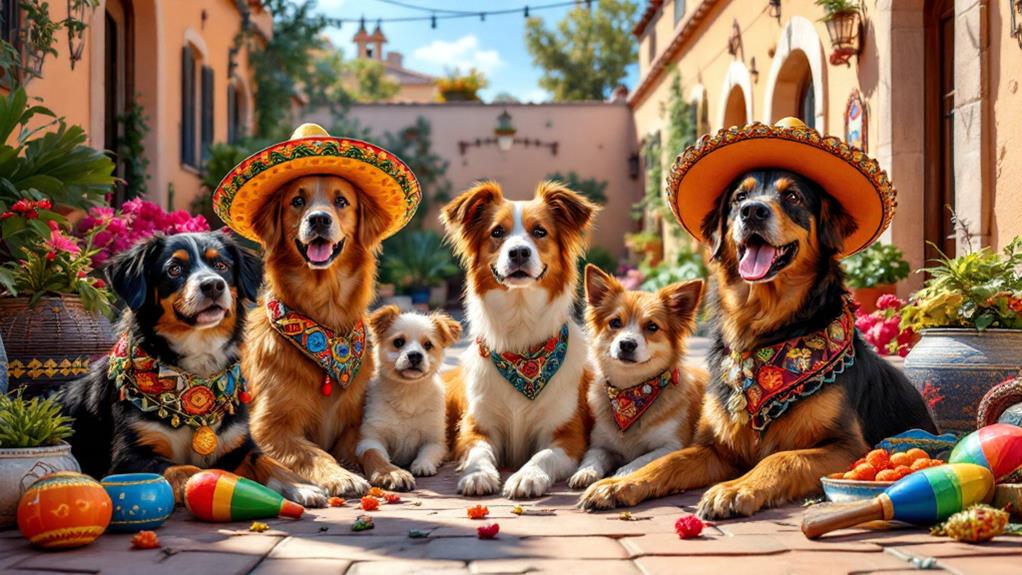
Exploring the unique characteristics of Chilean and Uruguayan dogs naturally leads to a deeper appreciation for the cultural significance imbued in their names. Dog names in Hispanic culture are more than just labels; they're rich with meaning, reflecting the personality traits of both the pet and the owner. This cultural significance is deeply rooted in the desire to honor the dog's unique heritage and strengthen the bond between the local dog and its family. When you're choosing a name, you're not just identifying your pet but also connecting to a rich tapestry of history and tradition.
In Hispanic cultures, naming your dog involves careful thought and consideration:
- Personality Traits: Names often highlight the distinct characteristics of the dog or its owner.
- Heritage and Origin: A name can honor the breed's historical roles and origins.
- Gender and Color: Names can be gender-specific or related to the dog's appearance.
- Cultural Connections: They often symbolize the owner's cultural roots and pride.
Through this thoughtful naming process, you celebrate the unique identity of Hispanic dog breeds and guarantee that the cultural richness of these local dogs is cherished and preserved for generations.