Hanoverian Scenthound: The Calm and Independent Hunting Dog
The Hanoverian Scenthound is a calm yet independent hunting dog, perfect for both tracking and companionship. This medium to large breed, with its muscular build and dense coat, loves physical activity and mental challenges. You'll find they form strong bonds with families but may be wary of strangers, so early socialization is key. While they're affectionate, these hounds need patient, positive training and thrive on engagement like scent tracking and long hikes. Proper grooming and regular vet visits guarantee health. For those curious about its loyal demeanor and hunting ethic, you'll uncover even more intriguing traits.
Breed Overview
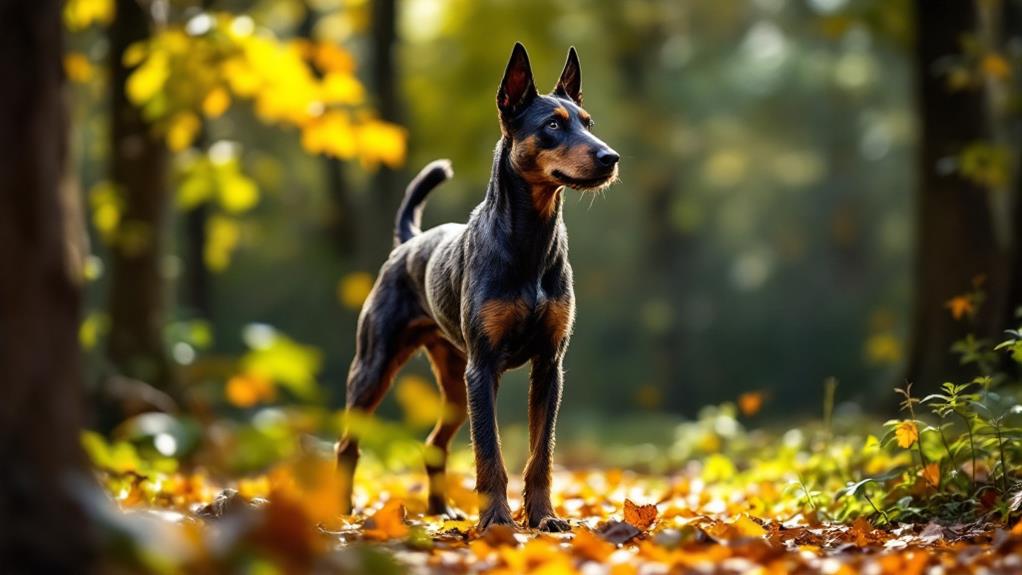
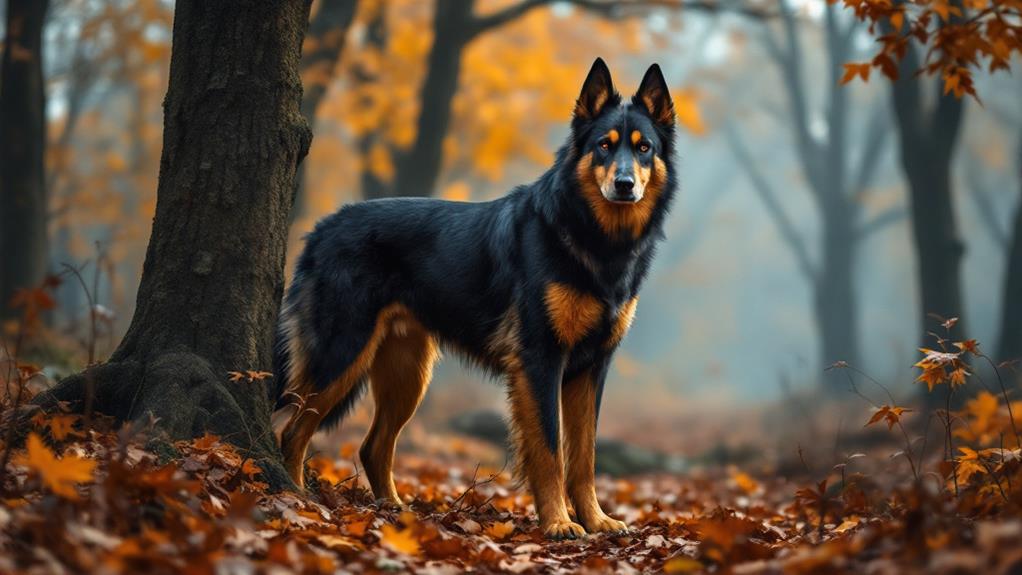
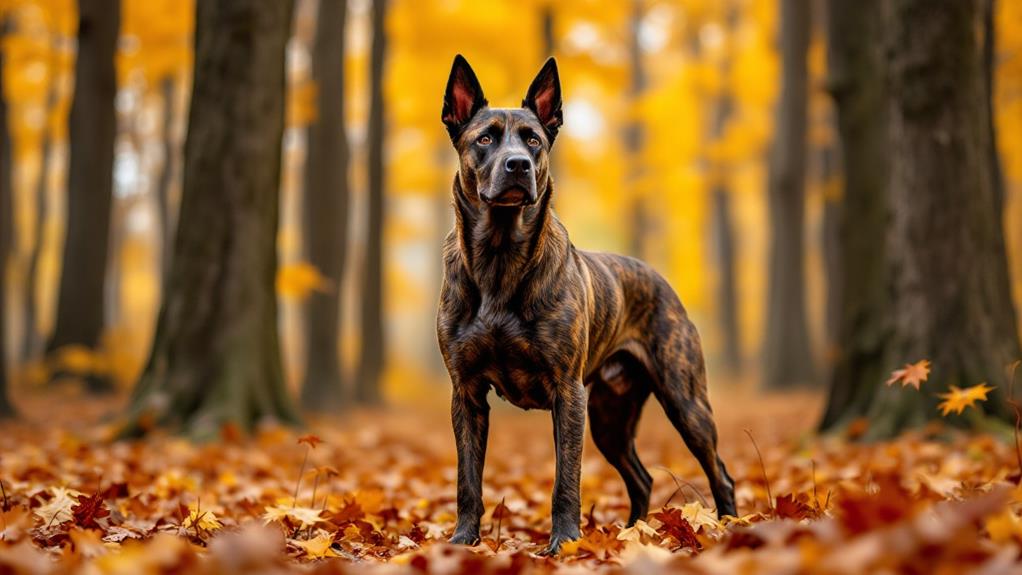
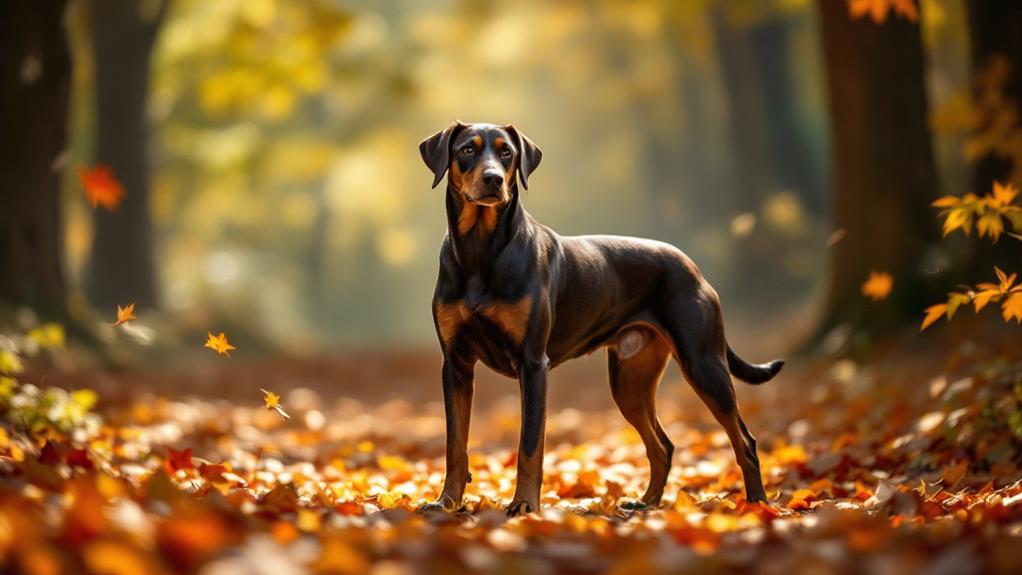
In the domain of scent hounds, the Hanoverian Scenthound stands out as a medium to large breed, characterized by its calm and assured nature. Originating from Germany, these dogs were developed specifically for scent tracking, making them exceptional in their field. Standing 19-21 inches tall and weighing between 79-99 pounds, they possess a sturdy build that's complemented by their short, smooth, and dense coat. Their coat color varies from pale fawn to dark brindle, adding to their distinctive appearance.
Despite their independence, Hanoverian Scenthounds are known for forming strong bonds with their families, often showing remarkable loyalty to a particular family member. This breed thrives on regular exercise and mental stimulation, vital for maintaining their high energy levels. Without these, you might notice a dip in their typically calm and assured temperament. It's imperative to engage them in activities that challenge both their physical and mental capabilities.
Ensuring your Hanoverian Scenthound gets plenty of exercise will not only keep them healthy but also nurture their loyal nature. As a member of the Scent Hound Group, they require a lifestyle that balances their need for independence with the affection they have for their chosen family member.
Temperament and Behavior
When considering the Hanoverian Scenthound, it's vital to appreciate its temperament and behavior, which reflect both its working heritage and family companionship. Known for a calm and assured demeanor, these dogs make dependable companions for hunters and families. Their temperament is marked by a strong sense of loyalty, often forming deep attachments with their primary handler. It's this loyal nature that makes them affectionate and enthusiastic to please, but it also means they might prefer familiar company over strangers.
Training a Hanoverian Scenthound requires patience and positivity. Due to their sensitive disposition, gentle training methods are fundamental for fostering a strong bond. They respond best to encouragement and rewards, which helps them maintain their calm and well-behaved nature. Socialization is similarly significant, as it guarantees they remain sociable and mitigate any wariness towards strangers.
To keep your Hanoverian Scenthound engaged and well-mannered, consider the following:
- Mental Stimulation: Engage them in scent work or tracking exercises to utilize their high concentration capabilities.
- Gentle Training: Use positive reinforcement to nurture their sensitive nature.
- Early Socialization: Introduce them to diverse environments and people to encourage sociability.
History and Origins
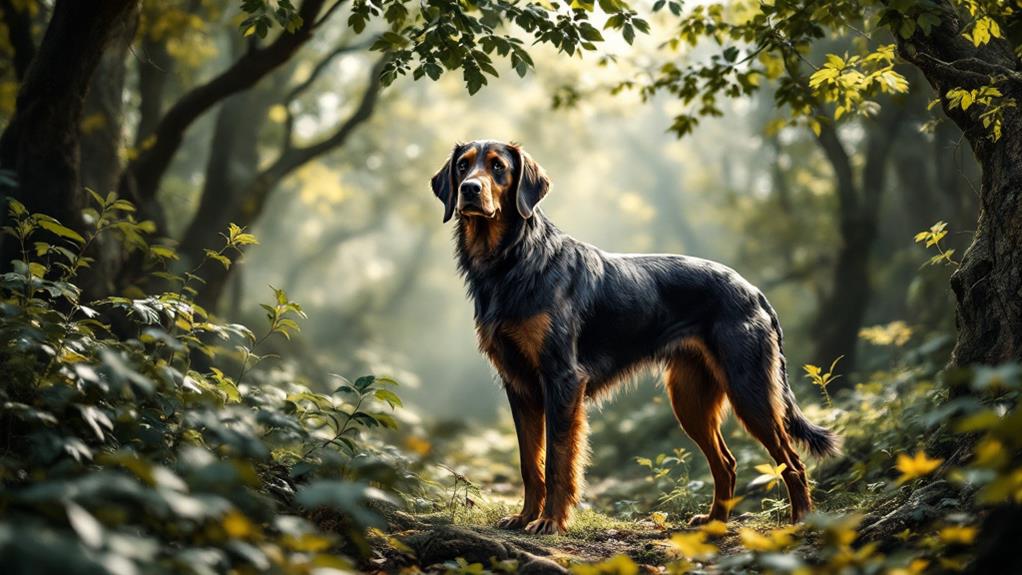
Rooted in the rich hunting traditions of Germany, the Hanoverian Scenthound emerged in the 1800s as a specialized breed developed by Hanoverian hunters. Its origins trace back to the ancient Liam hounds, which were prized for their exceptional tracking abilities. As firearms became more prevalent, hunters needed dogs that could track wounded game over long distances, and the Hanoverian Scenthound rose to meet this demand.
The breed's history is closely tied to the evolution of hunting techniques in Germany. With firearms, hunters required dogs with superior scenting capabilities and endurance. The Hanoverian Scenthound excelled in these areas, becoming an indispensable asset in the field. Its development was not only about practical hunting needs but also about maintaining a humane approach. The breed adhered to a code of honor, ensuring wounded animals were treated with respect and efficiency.
In 1894, the Hanoverian Scenthound was officially registered by Verein Hirschmann e.V., which set high breeding standards to preserve its distinctive hunting traits. Its lineage, tracing back to the Middle Period, underscores its long-standing role as a skilled and reliable tracking companion for hunters across Germany.
Physical Characteristics
Although the Hanoverian Scenthound is a medium to large breed, its stature is complemented by a well-balanced and muscular build. Standing between 19 to 21 inches tall and weighing between 79 to 99 pounds, this breed showcases a robust physical presence. Its short coat is smooth and dense, typically in shades of red, brown, or black, with colors ranging from pale fawn to dark brindle. This makes them not just striking to look at but also well-suited for multiple hunting environments.
The Hanoverian Scenthound's body structure is notable for its long body and short legs, which are perfectly paired with a deep chest and muscular necks. These features contribute to their endurance and ability to track scents over long distances. Their strong jaws and scissor-bite jaw structure are crucial attributes for their hunting capabilities.
Here are three key features of the Hanoverian Scenthound:
- Large Drooping Ears: These improve their scent-tracking abilities by funneling scents towards their powerful nose.
- Square Cheeks: This provides a sturdy jawline, enhancing their grip on tracked game.
- Muzzle Color: Differs from black to brown, adding to their distinctive appearance.
Care and Grooming
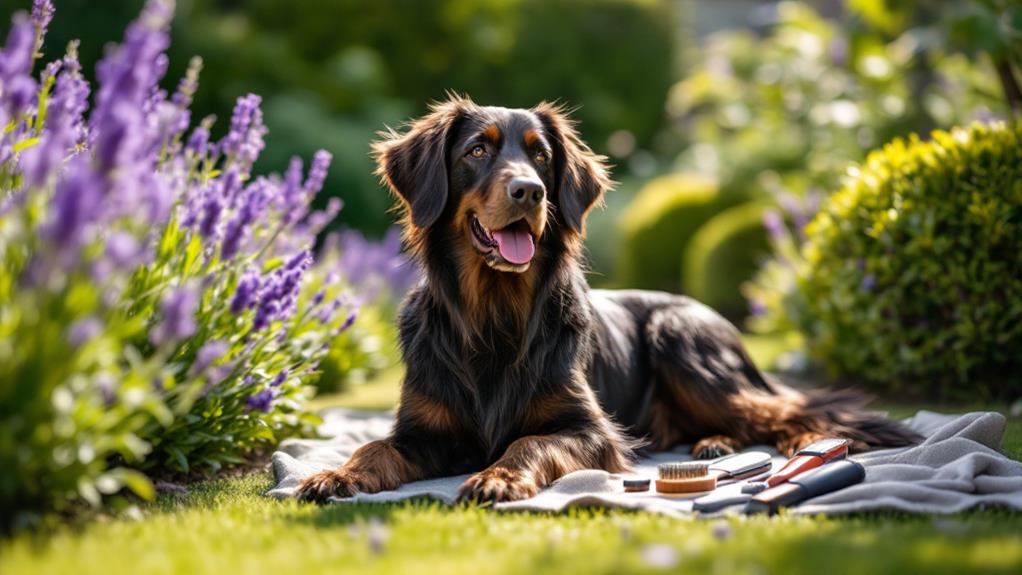
Taking care of a Hanoverian Scenthound's grooming needs is straightforward and rewarding. Their short, smooth, and dense coat only requires weekly brushing to keep it clean and manage loose hairs. This simple grooming routine helps maintain their coat's health and shine, making it a pleasant task for both you and your dog.
Regular ear inspections are essential, given their floppy ears can trap dirt and moisture. Make it a habit to check their ears weekly to prevent infections, ensuring their comfort and general health. Pay close attention during these inspections to catch any early signs of issues.
Dental hygiene is just as significant for your Hanoverian Scenthound. Aim to brush their teeth two to three times a week, which helps prevent dental diseases and keeps their breath fresh. Don't forget regular nail trimming, as it's crucial for their well-being and prevents discomfort during their active playtime.
Routine veterinary check-ups shouldn't be overlooked. These visits allow for the early detection of potential health concerns like hip dysplasia and ear infections. By maintaining a balanced diet and monitoring their weight, you can support their exercise needs and prevent obesity-related issues.
Training and Exercise
To keep your Hanoverian Scenthound happy and healthy, you'll need to prioritize their training and exercise needs. This breed thrives on daily activities that cater to their energy levels and natural instincts. Here's how you can guarantee they get what they need:
- Daily Exercise: Your dog requires at least one hour of exercise each day. Long walks, hikes, or interactive playtime are perfect for burning off energy and preventing boredom-related behaviors. These activities satisfy their hunting instincts and keep them physically fit.
- Training and Socialization: Start early with training and socialization to shape a well-adjusted dog. Use positive reinforcement techniques, as this breed responds best to gentle and consistent guidance. Teaching basic commands like sit, stay, and come can help establish a structured routine and strengthen your bond.
- Mental Stimulation: This is as vital as physical exercise. Engage your Hanoverian Scenthound in activities like scent tracking and fetch. These not only provide mental stimulation but also reinforce their tracking abilities, keeping their mind sharp and engaged.
Health Considerations
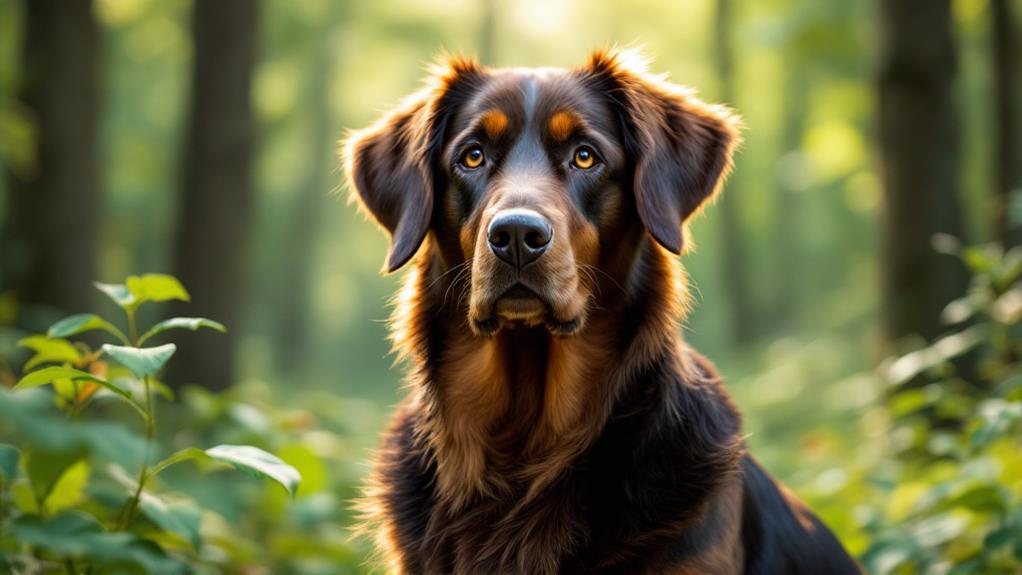
Considering their general well-being, it's significant to stay proactive about the health of your Hanoverian Scenthound. Regular veterinary check-ups are vital for early detection of any potential issues, as this rare breed has a few specific health considerations. They're prone to ear infections due to their floppy ears, so inspect their ears regularly to prevent dirt accumulation and subsequent infections. Hip dysplasia is another concern, much like in German Shepherds, so watch for signs of discomfort or limping, particularly as they mature.
Maintaining a balanced diet is fundamental to prevent gastrointestinal issues and obesity, both of which are common in this breed. Weight monitoring should be a routine practice to guarantee your dog remains fit and healthy. Grooming is relatively straightforward, requiring only weekly brushing to keep their coat in good condition. However, don't overlook oral hygiene—brushing their teeth two to three times a week can prevent dental diseases and promote fresh breath.
Lastly, keep an eye on their nails, trimming them as needed to prevent discomfort. By staying vigilant and attentive to these health considerations, you can help your Hanoverian Scenthound lead a long, healthy life.