Hamiltonstovare: The Regal Swedish Scenthound
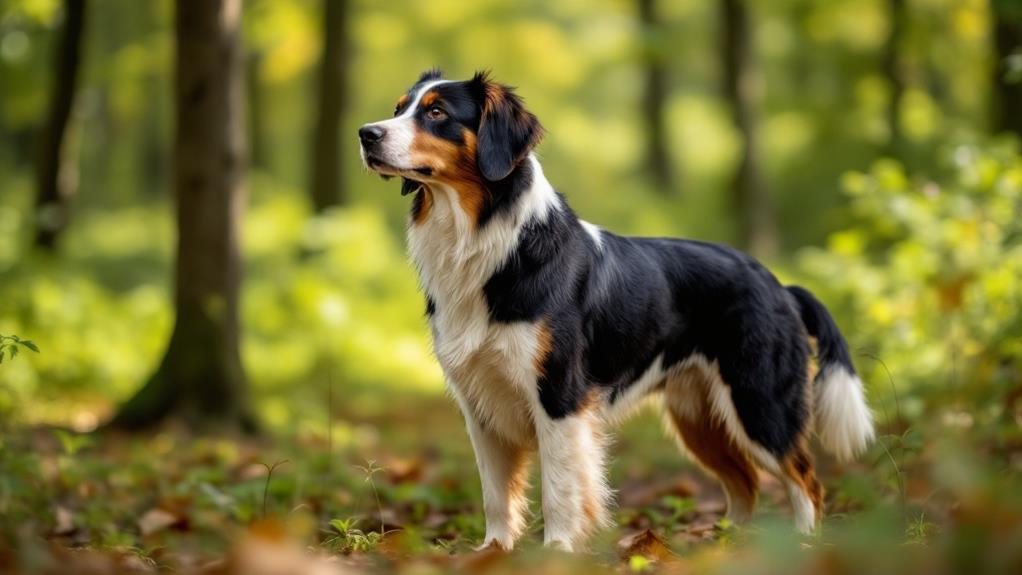
You'll find the Hamiltonstovare, a regal Swedish scenthound, embodies both elegance and efficiency. Bred for hunting fox and hare, it possesses an unrivaled tracking ability thanks to a keen nose. Its tri-color coat and sturdy physique make it a striking sight, while its friendly nature guarantees deep family bonds. Though it thrives in outdoor adventures, this intelligent breed requires early socialization and consistent training due to its stubborn streak and strong prey drive. Ideal for active families, the Hamiltonstovare's agility and sociability promise a rewarding companionship. Uncover more about its lively history and unique characteristics.
Breed Overview
In understanding the Hamiltonstovare, you'll find it's a versatile hound breed originating from Sweden, specifically bred for hunting fox and hare. As a scent hound, the Hamiltonstovare excels in tracking and trailing, driven by its remarkable sense of smell and high prey drive. This makes it an exceptional hunting companion but also means it needs an environment that caters to its natural instincts.
When you bring a Hamiltonstovare into your life, be prepared for a dog with a strong prey drive. This characteristic makes them unsuitable for homes with small pets like rabbits or cats. However, their intelligence and adaptability allow them to excel in diverse dog sports and activities, making them an engaging and active companion for the right owner.
The Hamiltonstovare is not just about its hunting prowess; it's also about its friendly and agreeable temperament. This breed is known for being good-natured and forming strong bonds with its human family. With proper training and socialization, your Hamiltonstovare can become a well-rounded member of your household, thriving in environments where they can utilize their skills and energy effectively. Accept their heritage, and you'll have a loyal, energetic friend for life.
Physical Characteristics
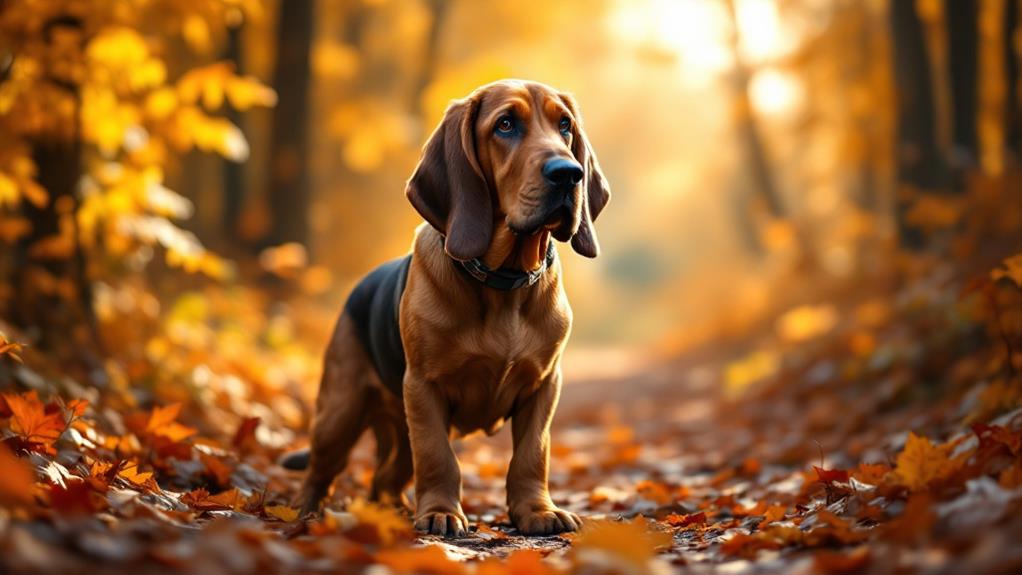
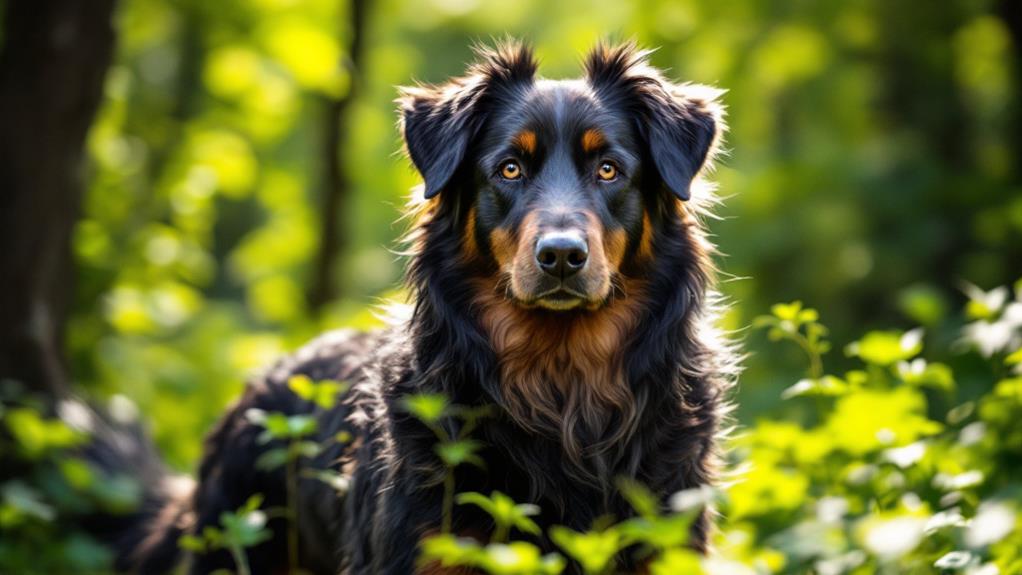
The Hamiltonstovare stands as an indication of the blend of elegance and functionality, showcasing a medium-sized frame that's both strong and agile. You'll find this breed typically weighs between 40 to 75 pounds, standing 19 to 24 inches tall. Their physical characteristics are highlighted by a distinctive tri-color coat pattern. This short, smooth coat mainly features black with striking tan and white markings, making them instantly recognizable.
Examining their build, you'll notice the Hamiltonstovare possesses a strong, muscular physique. A deep chest and slightly arched back demonstrate their innate agility and stamina. Their well-developed hindquarters further emphasize their capability as a hunting companion. Their rectangular body shape, longer than it is tall, reflects their efficient design for traversing different terrains.
Key physical features include:
- Tri-color coat pattern: Mainly black with tan and white markings.
- Deep chest: Contributes to their strength and stamina.
- Medium-sized ears: Set high and hanging close to the cheeks.
- Medium-length tail: Carried in a slight curve for a regal appearance.
- Rectangular body shape: Highlights their agility and efficiency as hunters.
These characteristics make the Hamiltonstovare a distinguished figure among hounds.
Temperament and Behavior
Renowned for their sociable and outgoing nature, Hamiltonstovares make excellent companions for families and other dogs. Their friendly temperament means they thrive in social settings and quickly form strong bonds with their human pack. However, these bonds can lead to destructive behavior if they're left alone for too long, so it's essential to take into account their need for companionship.
You should be aware that the Hamiltonstovare's high prey drive makes them unsuitable for homes with small pets, like cats or rabbits. Their instincts are deeply rooted in hunting, which can lead to a tendency to chase. This drive, combined with their intelligence, means they require early socialization to guarantee they adapt well to different environments and situations. Without proper socialization, they might struggle to adjust or behave appropriately in unfamiliar settings.
While intelligent, Hamiltonstovares can be stubborn, so you'll need patience and consistency in training. Understanding their behavior helps in developing effective training methods, allowing them to grow into well-rounded canine companions. By recognizing their needs and confirming they are met, you can provide a loving and harmonious environment for your Hamiltonstovare.
Exercise and Training Needs
Meeting the exercise and training needs of a Hamiltonstovare is vital for its well-being. This lively breed requires daily thorough exercise to satisfy its high energy levels and prevent boredom. Long walks, jogging, and engaging play sessions should be part of your routine. The Hamiltonstovare excels at scent work and tracking, so you'll want to take into account dog sports that challenge both its mind and body. Training your Hamiltonstovare can be a rewarding experience if you use positive reinforcement methods. These dogs can be a bit stubborn, but with consistent and patient guidance, they learn effectively.
To guarantee a well-rounded adult dog, early socialization is significant. Exposing your Hamiltonstovare to different environments and situations will help develop balanced behavior. Given their high prey drive, fenced areas are recommended for playtime to prevent them from wandering off in pursuit of small animals.
- Include long walks, jogging, and play in daily routines.
- Engage in scent work and tracking activities.
- Use positive reinforcement methods in training.
- Socialize early with diverse environments and situations.
- Opt for fenced areas to prevent wandering due to prey drive.
Grooming Requirements
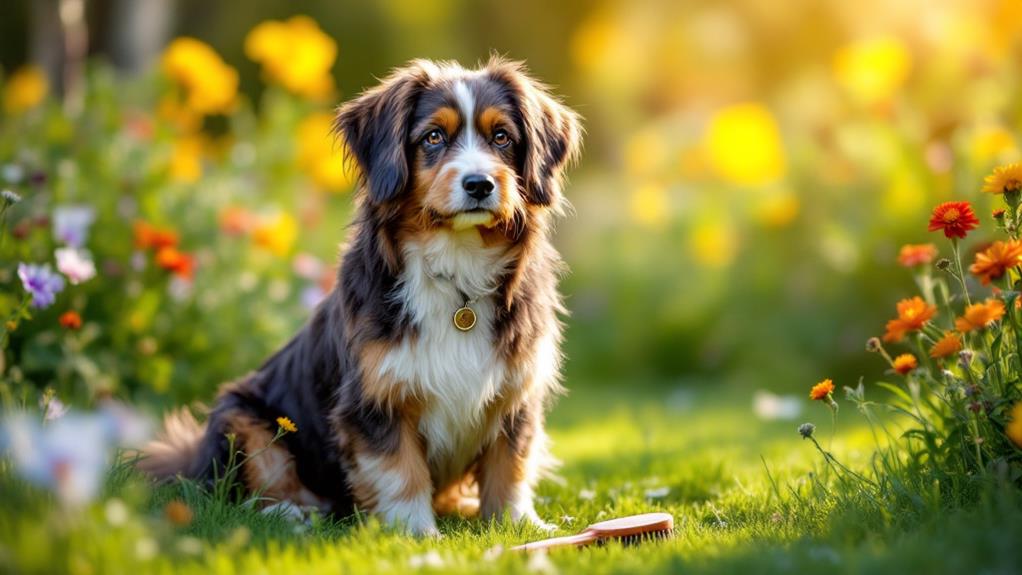
A Hamiltonstovare's grooming routine is invigoratingly straightforward. With their short, smooth coat, these dogs require minimal upkeep, making them an excellent choice if you're looking for a low-maintenance companion. Regular brushing is key to managing their moderate shedding and ensuring their coat stays healthy and shiny. Since their coat naturally has a low odor, Hamiltonstovares are well-suited for indoor living without the need for frequent baths. In fact, it's best to bathe them only when necessary to preserve the natural oils that keep their coat in ideal condition.
Beyond coat care, routine grooming tasks play an important role in your Hamiltonstovare's general health. Make sure to trim their nails regularly to prevent discomfort or potential injury. Ear cleaning is another critical task, as it helps avoid ear infections, a common concern in dogs with floppy ears. Gently clean their ears with a vet-recommended solution to remove any dirt or wax buildup. Don't forget to brush their teeth regularly to maintain good dental health. Despite their low grooming needs, regular check-ups with a veterinarian are significant to monitor for any underlying health issues and keep them in prime shape.
Health Considerations
When considering the health of a Hamiltonstovare, you'll be pleased to know that these dogs generally enjoy good health and robustness, often living between 14 to 17 years. To guarantee your Hamiltonstovare remains healthy throughout its life, it's essential to be aware of some common health concerns and take preventive measures. While hip dysplasia and epilepsy can occur, they aren't widespread issues. Nevertheless, taking proactive steps can help maintain your dog's health.
Regular veterinary check-ups and health screenings are fundamental. These will help catch any potential problems early, especially concerning the hips, elbows, and thyroid. Reputable breeders conduct health screenings on breeding dogs to minimize risks, so starting with a healthy puppy is key.
Here's what you should focus on:
- Health screenings: Confirm your dog has regular screenings for hips and elbows.
- Hip dysplasia: Be vigilant for signs and consult your vet if concerned.
- Regular veterinary check-ups: Schedule these to monitor and maintain general health.
- Dental hygiene: Regular teeth cleaning is essential to prevent oral issues.
- Ear care: Clean your Hamiltonstovare's ears regularly to avoid infections.
Historical Background
The Hamiltonstovare, originally called the Swedish Hound, has a compelling history rooted in the late 1800s. Crafted by Count Adolf Patrick Hamilton, this breed was specifically developed for hunting purposes across Sweden's demanding landscapes. By blending Southern German and Swiss scenthounds, English Foxhounds, and Harriers, Hamilton created a powerful and versatile dog perfectly suited for tracking foxes and hares. Its diverse genetic makeup was fundamental for the breed's success in the rugged Swedish terrain.
In Sweden, the history of hound breeds dates back to the 16th Century when hunting rights were reserved for royalty. It wasn't until the late 18th Century that these rights extended to the general population, allowing breeds like the Hamiltonstovare to gain popularity among hunters. Initially showcased in Sweden in 1921, this breed quickly gained recognition for its hunting prowess and resilience.
Though the Hamiltonstovare remains rare in the United States, its significance didn't go unnoticed. The United Kennel Club recognized the breed in 2006, acknowledging its unique heritage and extraordinary hunting capabilities. This recognition underscores the importance of the Hamiltonstovare's historical role as a significant companion in Sweden's rural communities, where hunting was indispensable for survival.
Ideal Living Environment
Having established its historical significance, let's examine where the Hamiltonstovare thrives today. This energetic breed truly shines in environments that offer ample space for exercise and play. Ideally, you should have a large yard or access to open areas where your Hamiltonstovare can indulge in its natural instincts. A fenced area is crucial to keep your adventurous friend safe, as its strong prey drive might send it chasing after small animals.
Consider these elements for the perfect Hamiltonstovare home:
- A large, secured yard for safe investigation and play.
- Active owners who enjoy participating in dog sports and outdoor activities.
- Opportunities for free running in open spaces to satisfy its energy and curiosity.
- Multiple daily walks and varied physical activities to keep it stimulated.
- A household that includes other dogs or pets to complement its sociable nature.
If you're living in an apartment, it's not the best match unless you commit to extensive outdoor exercise routines. This breed requires more than just a quick stroll; it needs time to investigate, run freely, and engage in exciting activities. Ensuring these conditions will make your Hamiltonstovare a happy, healthy, and fulfilled companion.
Socialization and Interaction
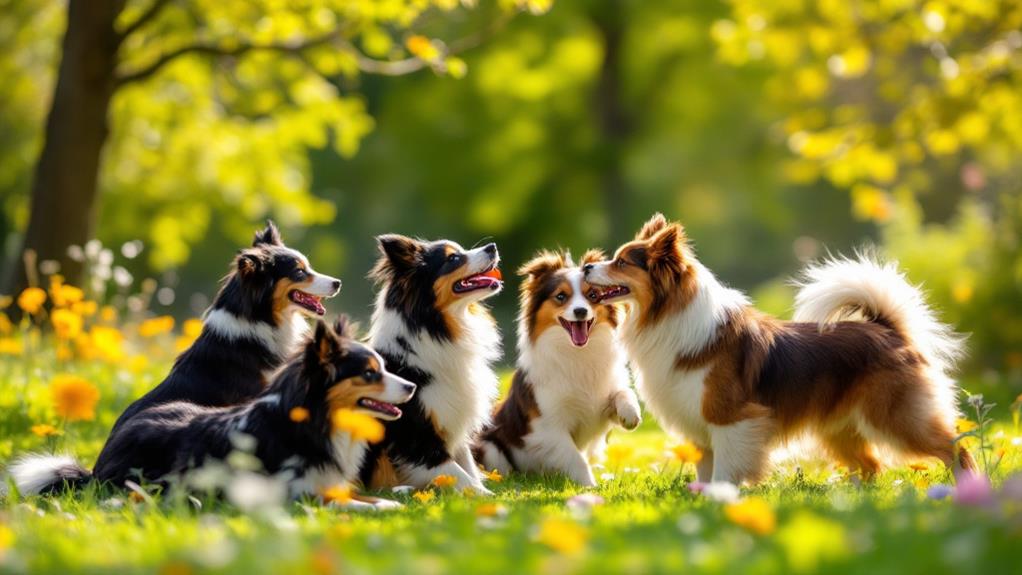
Why is socialization necessary for your Hamiltonstovare? This breed's friendly and sociable nature makes them excellent companions for families. Early socialization is significant, guaranteeing your Hamiltonstovare develops appropriate behavior and doesn't become stubborn or easily distracted. By exposing them to different people, places, and pets from a young period, you're helping them grow into well-rounded dogs.
Hamiltonstovares love interaction and thrive in social settings, enjoying playdates and group activities with both humans and other dogs. Regular interaction keeps them happy and engaged, as they benefit greatly from companionship. Without enough socialization and interaction, they can become lonely and potentially destructive. This makes it crucial to include them in your daily routines and spend quality time together.
Additionally, because Hamiltonstovares have a high prey drive, managing their interactions with smaller pets is significant. Early exposure to diverse animals and environments can help promote positive behaviors and reduce the chances of them acting on their instincts. By prioritizing socialization and offering consistent companionship, you'll guarantee your Hamiltonstovare grows into a balanced and affectionate member of your family, ready to share in life's adventures.
Notable Traits and Features
You'll immediately notice the Hamiltonstovare's distinctive tri-colored coat—a striking blend of black, tan, and white that highlights its strong, muscular build. This medium-sized hound stands between 19 to 24 inches tall, weighing 40 to 75 pounds, and exudes a unique blend of elegance and athleticism. Its short, smooth coat isn't just for show; this breed was originally bred in Sweden for hunting fox and hare, a task it performs with agility and versatility.
The Hamiltonstovare isn't just about looks; its friendly temperament makes it a great companion for families. However, early socialization is key to helping this breed thrive in a home environment. Despite its gentle demeanor, the Hamiltonstovare has a high prey drive, so keeping it engaged is crucial.
Key features to note about the Hamiltonstovare include:
- Tri-color coat pattern: Bold black, tan, and white markings.
- Strong build: Muscular frame suited for hunting.
- Friendly temperament: Sociable and family-friendly.
- Athleticism: Deep chest and strong, long-reaching gait.
- Prey drive: Originally bred for fox and hare hunting.
With its thick tapered tail and impressive stamina, the Hamiltonstovare embodies a regal yet approachable presence.