Greyhound: The Independent and Noble Sighthound
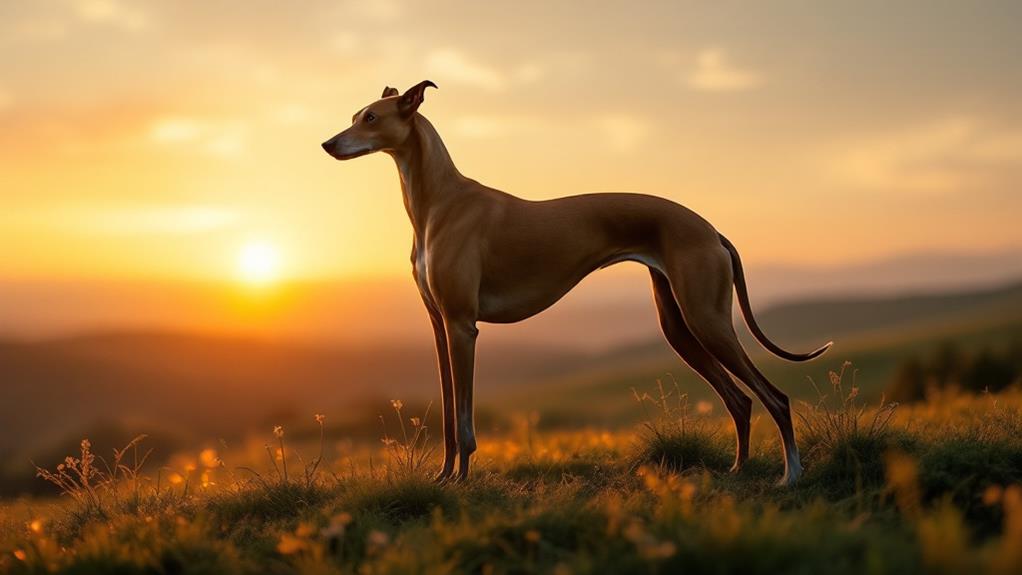
You'll find that greyhounds are more than just fast; they're a breed steeped in history and elegance. Revered since Ancient Egyptian times, they embody grace and power that captivates many. With an ability to reach speeds over 35 miles per hour, their aerodynamic build and incredible agility make them remarkable athletes. Their independent nature and intense prey drive mean consistent training is key. Despite their speed, they're gentle companions, content with lounging after a short walk. From health considerations to their unique adoption needs, understanding the greyhound's world brings a rewarding connection with these noble sighthounds. There's much to investigate.
Historical Significance
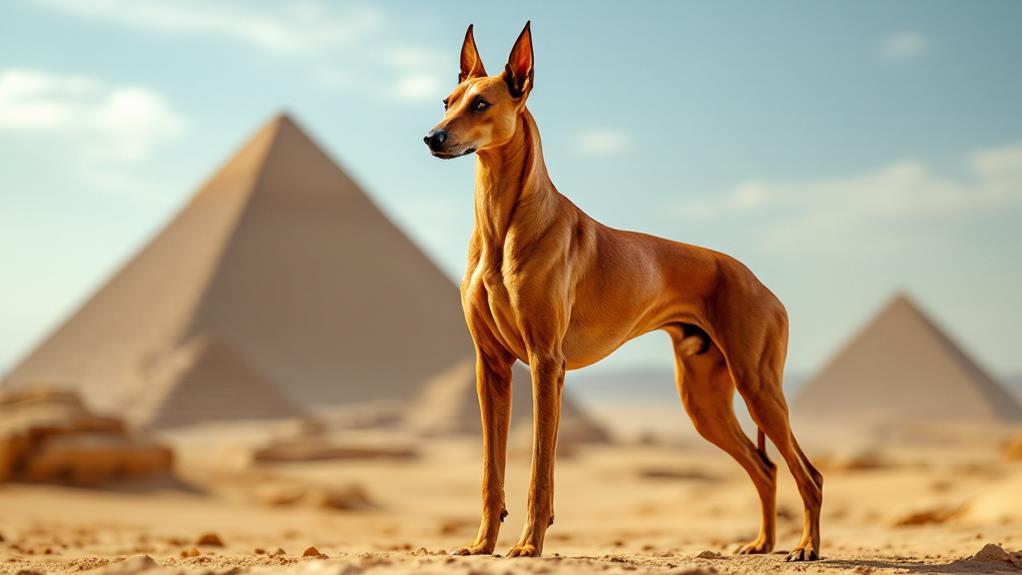
Greyhounds boast an impressive lineage that stretches back approximately 5,000 years to Ancient Egypt, where they were immortalized in hieroglyphics. If you're exploring their historical significance, you'll find they weren't just pets; they were revered symbols of grace and power. Their sleek physique and noble stature made them prized hunting companions, capable of coursing game with unparalleled skill. Ancient Egyptians recognized their exceptional qualities, which speaks volumes about their esteemed place in history.
As Greyhounds made their way to the UK around the 5th or 6th century BCE, they continued to capture the admiration of royalty and nobility. Their association with the upper echelons of society further cemented their historical importance. This breed wasn't just about speed or agility; it was about the status and prestige they brought to their owners.
Fast forward to the late 19th century, and Greyhounds were officially recognized by major kennel clubs, including the American Kennel Club. This recognition highlights their enduring legacy and significance across centuries. By understanding their storied past, you appreciate why Greyhounds remain not just pets, but living relics of history that continue to captivate the hearts of many.
Speed and Agility
Imagine watching a sleek, powerful creature dart across an open field with astonishing speed—you're witnessing the extraordinary capability of a greyhound. As a sighthound, the greyhound relies on its keen vision to spot and chase prey, making it an exceptional hunter. Capable of reaching speeds over 35 miles per hour, these dogs are renowned not just for their velocity but for their agility and endurance during sprints. The world record speed for a greyhound stands at an impressive 41.83 miles per hour, a demonstration of their athletic prowess.
What contributes to a greyhound's remarkable speed and agility? Here are a few key factors:
- Aerodynamic skull: Their long skull reduces drag, allowing them to slice through the air effortlessly.
- Shock-absorbing pads: Equipped with specialized pads, their feet withstand high-impact landings on varying terrains.
- Lean physique: A streamlined body minimizes resistance, optimizing speed.
- Lure coursing: This sport highlights their natural talents, letting them chase artificial prey and demonstrate agility.
- Efficient musculoskeletal system: Their muscles and bones work in harmony for explosive starts and swift turns.
These attributes make greyhounds not just fast, but extraordinarily agile athletes.
Prey Drive Challenges
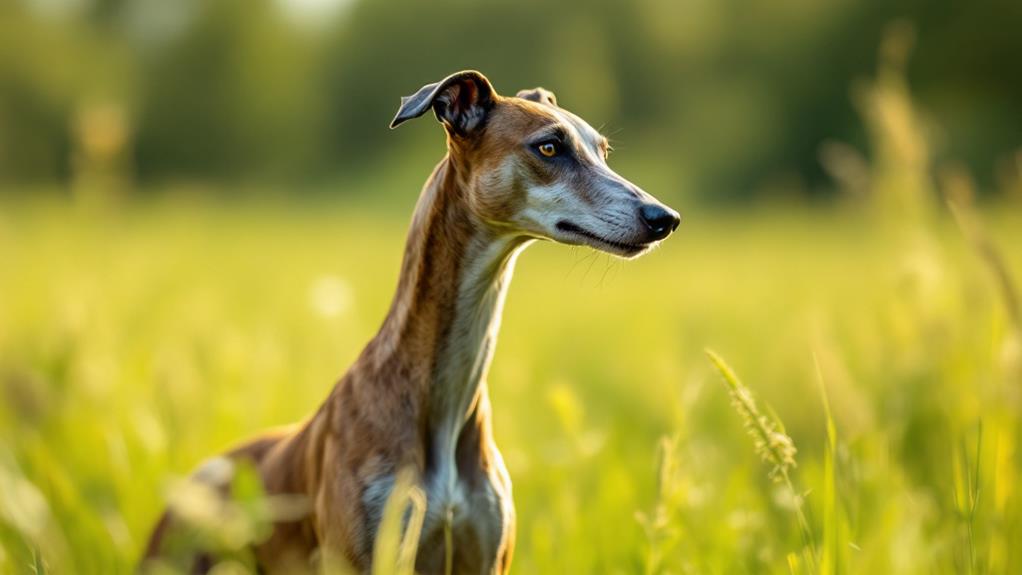
One of the most intriguing aspects of a greyhound's nature is its intense prey drive. This drive often manifests as a strong independent hunting ability, where your greyhound might dash far ahead, captivated by the thrill of the chase. Managing this instinct requires consistent training, as their natural enthusiasm for chasing can be quite challenging. You'll need a good dose of patience and an arsenal of positive reinforcement techniques to redirect their focus from prey.
Despite the challenges, it's possible for greyhounds to successfully coexist with smaller animals, like cats, if you start socializing them from a young stage. This early socialization can be crucial in mitigating their prey drive around smaller creatures. However, even with proper socialization, always supervise interactions between your greyhound and smaller pets.
To channel their prey drive constructively, consider engaging your greyhound in lure coursing activities. These activities allow your dog to mimic its hunting instincts in a controlled and safe environment, offering an excellent outlet for their energy and drive. By embracing these strategies, you can effectively manage your greyhound's prey drive, turning potential challenges into rewarding experiences for both of you.
Temperament Insights
While managing a greyhound's prey drive might seem intimidating, understanding its temperament offers a revitalizing perspective on these noble dogs. Known for their gentle and docile nature, greyhounds shine as a dog breed that fits well into family and single-person homes. Their charming personality guarantees they form strong, affectionate bonds with their families. Despite their reputation as athletes, they're often referred to as "couch potatoes" due to their love for lounging around.
To help you better understand this dog breed, consider these key temperament traits:
- Gentle and Docile: Greyhounds are naturally calm, making them excellent companions.
- Social and Affectionate: They thrive on forming close relationships with their families.
- Calm yet Athletic: Although they excel in sports, they cherish their downtime.
- Reserved but Tolerant: Their aloofness towards strangers doesn't hinder their friendliness with other pets.
- Independent Spirit: Socialization and positive reinforcement are vital to nurturing their temperament.
Lifestyle and Nutrition
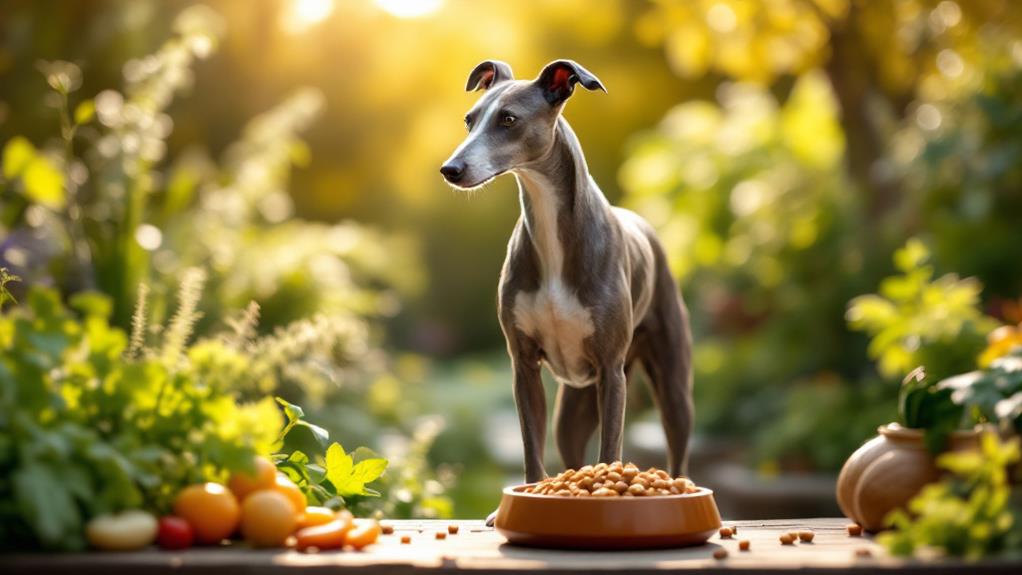
Embracing a greyhound's lifestyle means balancing their need for relaxation with just enough physical and mental activity. Despite their athletic build, greyhounds are couch potatoes at heart. They thrive on 2-3 short walks of about 20 minutes each day. These walks aren't just for exercise but also provide mental stimulation, keeping them entertained and content.
When it comes to nutrition, greyhounds have unique needs. Their high activity levels mean they require more calories than some other breeds. Choosing high-quality dog food tailored to their stage and energy level is fundamental. Look for options that focus on balanced nutrition, guaranteeing they get the necessary protein and nutrients to support their active lifestyle.
Creating a safe environment is vital. A fenced yard allows your greyhound to stretch their legs without the risk of them chasing after something due to their strong prey instincts. Regular grooming, although minimal, is required. Their short, smooth coats mean less shedding, but they still need baths, ear checks, nail trimming, and daily tooth brushing. By attending to these needs, you'll make sure your greyhound leads a happy, healthy life.
Health Considerations
Caring for a greyhound means understanding and addressing their specific health needs. As a responsible owner, you should be aware of the health considerations that come with this breed. Greyhounds are susceptible to certain conditions that require your attention and a proactive approach to health management. Regular veterinary check-ups are vital for detecting and addressing these issues early on.
Here are some key health considerations for greyhounds:
- Gastric Torsion (GDV): This life-threatening condition causes the stomach to twist, leading to an enlarged abdomen and drooling. Immediate emergency surgery is necessary if you notice these symptoms.
- Osteosarcoma: Greyhounds have a high incidence of this aggressive bone cancer. While it's often fatal, amputation can help alleviate pain in some cases.
- Eye Conditions: Conditions like pannus and progressive retinal atrophy are common. Annual eye exams are recommended to prevent vision problems.
- Regular Veterinary Care: Important for early detection of breed-specific health issues, promoting their well-being and longevity.
- Diet and Exercise: A balanced diet and proper exercise can help manage weight and reduce the risk of some health issues.
Adoption and Resources
In regard to adopting a retired racing greyhound, understanding their unique needs is fundamental for a smooth change into home life. Since the mid-1990s, adoption of these gentle companions has gained popularity, creating lifelong bonds between dogs and their owners. When bringing a greyhound into your home, expect a period of adjustment as they adapt from track life to family life. Patience is significant during this time.
Basic obedience training is critical to help them adapt. Greyhounds have a high prey drive, so using positive reinforcement methods will manage their behavior effectively. It's necessary to verify they feel secure and loved as they settle in.
There are numerous breed-specific rescues and support groups that can guide you through the adoption process. These organizations offer invaluable resources for care and training, making sure you're prepared for the change. The Retired Greyhound Trust is a great resource, providing guidance on socialization and care practices. They help guarantee your greyhound integrates successfully into your family.
Adopting a retired racing greyhound can be a rewarding experience, offering you a unique and loving companion while giving these noble sighthounds a comfortable, happy home.