German Spitz: The Devoted and Watchful Companion Dog
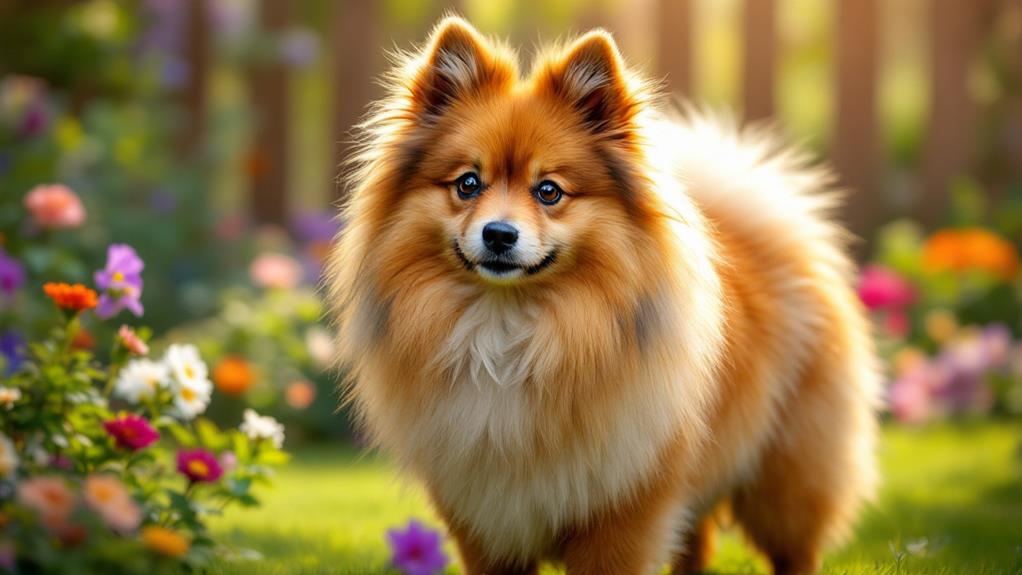
Meet the German Spitz, an endearing blend of devotion and vigilance. Their origins trace back to ancient working dogs, boasting a thick double coat and a striking curled tail. With varieties ranging from the petite Zwergspitz to the robust Großer Spitz, you're guaranteed an energetic companion for any space. Their intelligence makes them quick learners, although they're naturally vocal, perfect for watchdog roles. Regular grooming keeps their fluffy coat beautiful, and consistent training guarantees a balanced temperament. Given the potential for separation anxiety, they thrive on companionship. Stay engaged, and you'll reveal even more traits of this fascinating breed!
Breed Origins and History
The German Spitz boasts a rich history rooted in ancient working dogs from snowy European regions. This breed's origins trace back to Samoyed-type dogs, believed to have been spread by Vikings. You can imagine these dogs, with their thick coats and keen senses, thriving in harsh climates and serving diverse roles. They were not just herders and guards; their loyalty and companionship knew no bounds, making them invaluable to those who relied on them.
As history unfolded, the German Spitz gained prominence, especially in the 18th century. Their adaptability and spirited nature caught the eyes of royalty, cementing their royal status. Queen Victoria's fondness for the Pomeranian, a variant of the German Spitz, highlighted this esteemed position. Their presence on ships as rodent hunters and loyal companions further showcased their versatility and unwavering dedication to humans.
Over time, multiple German Spitz varieties emerged, each carrying the legacy of loyalty and companionship. Despite differences, they all share a common history of being devoted, watchful companions. Regardless of being in royal courts or everyday households, the German Spitz stands as a symbol of its enduring bond with humans.
Physical Traits
With their striking appearance, German Spitz dogs captivate at initial glance. Their thick double coat, featuring a soft woolly undercoat and a long harsh outer coat, offers excellent insulation and protection. This luxurious fur contributes to their distinct presence, highlighting their compact outline. The coat's texture and volume emphasize their brisk movement and add to their overall appeal. You'll notice their high-set tail curls elegantly over their back, adorned with long, flowing hair that adds a touch of flair.
The German Spitz also boasts a wedge-shaped head that's both expressive and intelligent. Their small, high-set triangular ears improve their alert demeanor, making them appear ever-watchful and ready to spring into action. These physical traits contribute to the breed's reputation as an attentive companion.
German Spitz dogs are small to medium-sized, coming in different sizes, including Klein and Mittel, fitting neatly into your lifestyle no matter if you prefer a more petite or slightly larger dog. Their weights vary accordingly, ranging from 7 to 30 pounds. Available in a dazzling array of colors, from classic white and black to lively orange and brown, they offer a palette of choices to match any preference.
Varieties and Size Differences
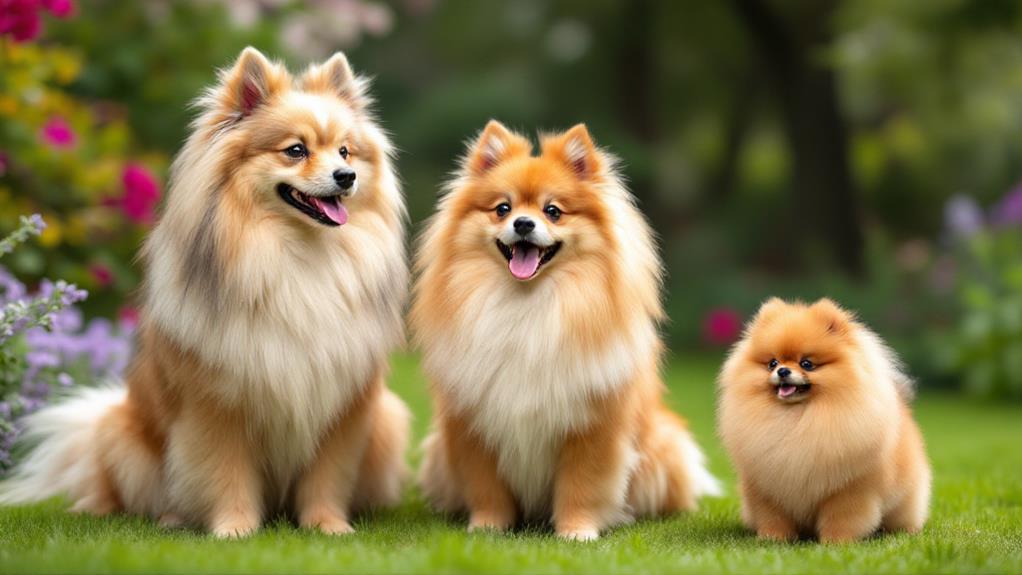
German Spitz dogs come in five distinct varieties, each with unique size and appearance. These varieties include the Zwergspitz, Klein Spitz, Mittel Spitz, Großer Spitz, and Wolfsspitz (Keeshond). As a companion breed, each type offers its own charm and personality, making them a perfect match for different lifestyles. The Zwergspitz, often known as the Toy Spitz, is the smallest, weighing between 7 to 12 pounds. Despite its tiny stature, it boasts a big personality. Moving up in size, the Klein Spitz weighs between 10 to 20 pounds, while the Mittel Spitz falls in the middle, ranging from 20 to 30 pounds.
The Großer Spitz, also referred to as the Giant Spitz, is the largest, weighing between 30 to 50 pounds. Despite these size differences, all German Spitz varieties share a spirited nature and a strong bond with their human companions. Their coats are similarly diverse, spanning colors like white, black, brown, and orange. The Toy and Medium variants display a particularly wide range of colors. Regardless of which variety you choose, the German Spitz's loyal and watchful demeanor makes it an excellent companion for any owner seeking a devoted furry friend.
Intelligence and Trainability
As you contemplate the assorted sizes and personalities of German Spitz dogs, you'll also find that their intelligence distinguishes them as remarkable companions. Known for their high intelligence, German Spitz dogs learn quickly and adapt to commands and tasks with ease. This sharpness, combined with their enthusiasm to please, makes them a delight to train. They respond well to different motivators, enhancing your training sessions and making them both effective and enjoyable.
To harness this intelligence, consistent training and socialization are vital. These dogs have an independent streak, so establishing a routine of positive reinforcement is important. They thrive on encouragement and rewards, making positive reinforcement the most effective method. Regardless of whether it's treats, praise, or playtime, these motivators help mold well-adjusted behavior.
Early socialization is key to developing confidence in your German Spitz. It helps manage their vocal tendencies and promotes a balanced temperament. By introducing them to distinct environments, people, and other animals, you'll guarantee they grow into well-rounded companions. With consistent training and early socialization, your German Spitz will not only be intelligent and trainable but also a loyal and balanced companion.
Watchdog Characteristics
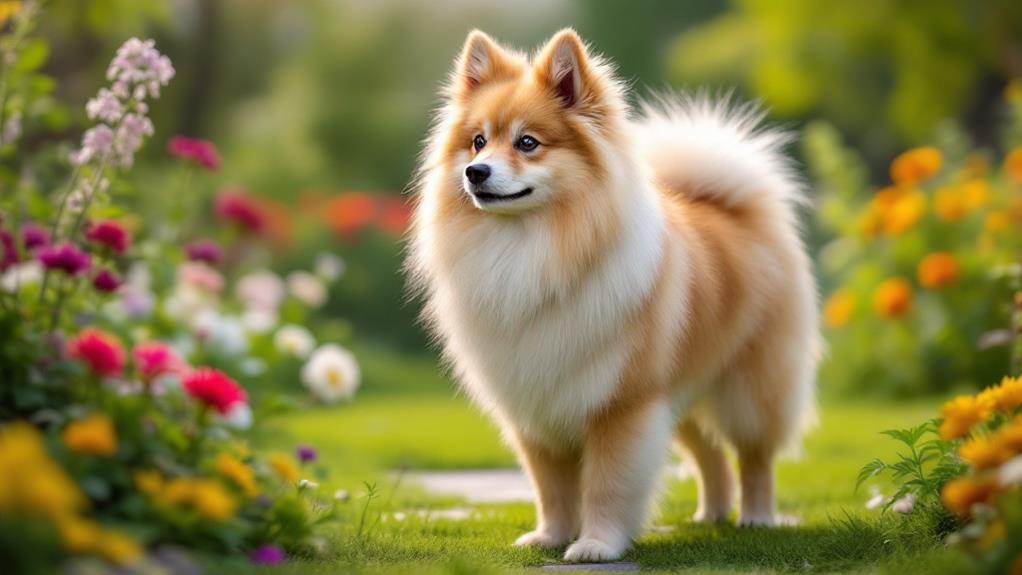
A defining trait of the German Spitz is its natural vocality and alertness, making it an excellent watchdog. As a vocal breed, it's quick to notify you of any changes in its environment. Regardless of an unfamiliar noise or a stranger approaching, this breed's instinctual guarding traits kick in immediately. The German Spitz was bred with a focus on protection and alertness, which makes it a dedicated family protector. You'll find that it tends to bark at unfamiliar people or sounds, serving as a reliable alert system for your household.
This breed may show unease around strangers, which only improves its protective nature. Its guarding instincts are quite strong, and it's not easily distracted by other instincts like hunting. Instead, the German Spitz focuses on ensuring the safety and security of its home and loved ones. Their intelligence adds to their effectiveness as watchdogs, allowing them to adapt quickly to different scenarios. In doing so, they excel in their role as a family protector. Trust in their ability to be vigilant, and you'll see just how well they can safeguard your home, making them a cherished part of your family.
Exercise Needs
To maintain both physical and mental well-being, a German Spitz typically requires between 30 minutes to an hour of daily exercise. These delightful family pets thrive on regular exercise to channel their energy positively. Regardless of whether it's a brisk walk around the neighborhood, an exhilarating game of ball chasing, or engaging in interactive play, these activities are essential to prevent boredom. When a German Spitz gets bored, it can lead to excessive barking or even destructive behavior. So, guaranteeing they get their daily dose of activity is imperative.
Besides physical exercise, mental stimulation plays a significant role in keeping your German Spitz happy. Training sessions where they learn new tricks or solve puzzle toys can satisfy their intellectual needs and keep them mentally sharp. Even if you live in an apartment, you can adapt their exercise routine with indoor play and shorter outdoor walks, as these dogs are quite adaptable and can adjust to different living situations.
Keep in mind that their thick double coat may shed more during active exercise months, so plan for some extra grooming sessions to manage loose hair effectively. These steps will guarantee your German Spitz remains a joyful and well-behaved companion.
Grooming Essentials
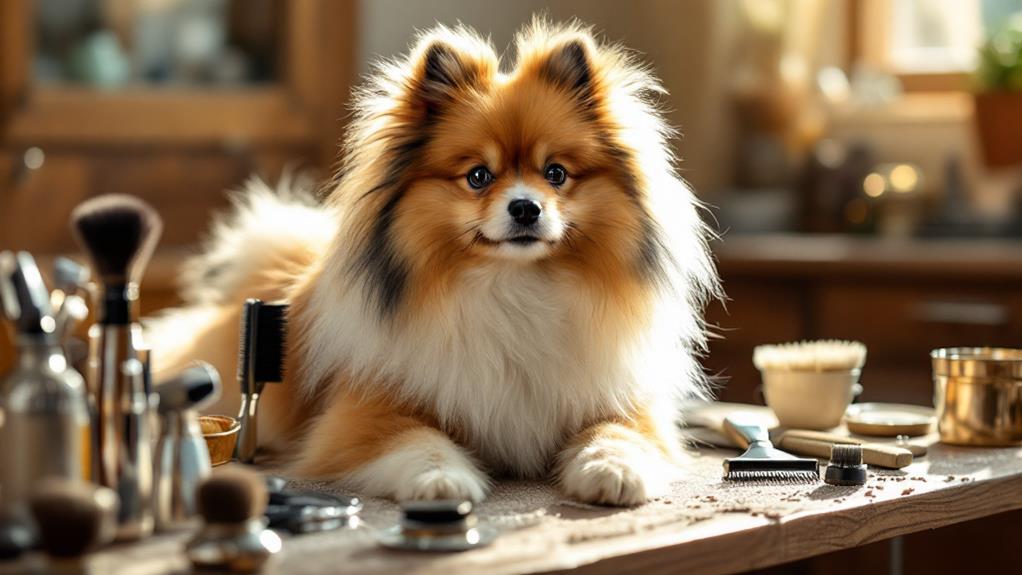
While the German Spitz's fluffy double coat is a sight to behold, it requires regular attention to keep it looking its best. Regular grooming is fundamental due to their thick double coat, which needs brushing every few days to prevent knots and matting. A thorough grooming session each week guarantees your Spitz stays comfortable and looking sharp. During seasonal shedding, which occurs twice a year, daily brushing becomes important to manage the increased hair loss and maintain coat health.
Bathing your German Spitz should be done as needed. Fortunately, their coat naturally repels dirt, so frequent baths aren't necessary. Still, when you do bathe them, use products that promote coat health without stripping natural oils.
Don't forget other grooming necessities like nail trimming and ear cleaning. Keeping your dog's nails short prevents discomfort and potential injury, while regular ear cleaning helps avoid infections. These tasks might seem small, but they're significant for your Spitz's general health and hygiene.
Behavior and Compatibility
Understanding the behavior and compatibility of German Spitz dogs is vital for guaranteeing they fit well into your lifestyle. These dogs are naturally vocal, making them excellent watchdogs. Their alertness guarantees they're always aware of their surroundings, which adds to their charm as devoted family members. However, their vocal nature can be managed with training and patience.
German Spitz dogs are prone to separation anxiety, so it's important to provide them with mental stimulation when you're not home. Crate training and puzzle toys can help keep them occupied and reduce anxiety. Their suspicious nature towards strangers means early socialization is necessary. Exposing them to different people and environments from a young period will help them become well-adjusted and friendly.
Their lively and playful demeanor makes them fantastic companions for active families. Despite their small size, they're quite adaptable and can thrive in diverse settings, including apartments. However, you might notice some digging behavior. To manage this instinct, consider providing designated areas where they can dig freely. With their affectionate nature and adaptability, German Spitz dogs can become cherished family members when their needs are understood and met.
Health Considerations
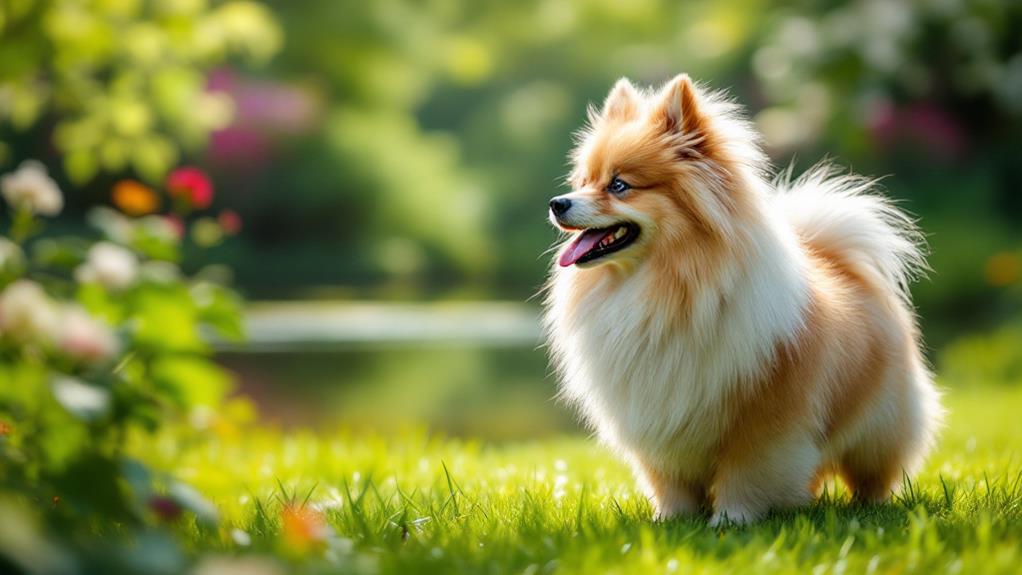
German Spitz dogs are generally healthy, but they can occasionally face specific health challenges such as progressive retinal atrophy (PRA) and luxating patellas. To address these issues, it's imperative to choose reputable breeders who screen for eye and knee conditions. This proactive approach helps guarantee the health and temperament of your future pup. Regular veterinary check-ups play a significant role in maintaining your dog's comprehensive well-being and catching any potential health problems early.
Diet also plays a fundamental role in keeping your German Spitz healthy. Providing a balanced diet with high-quality, small-breed food is especially beneficial for the smaller variants of this breed. This guarantees they get the right nutrients without overloading on calories. It's essential to monitor their food intake closely to prevent obesity, which can lead to joint issues and an increased risk of diabetes.
Incorporating these practices into your care routine helps maintain your German Spitz's health and longevity. By being mindful of their specific needs and regularly consulting with your veterinarian, you'll be well-equipped to guarantee your furry friend stays happy and healthy throughout their life.
Finding Your German Spitz
When you're on the hunt for a German Spitz, it's vital to evaluate the different size options available, such as Zwergspitz (Toy), Klein, Mittel, and Großspitz. Each size caters to different living environments, so assess your home and lifestyle to find the perfect fit. Your choice should align with your activity level, as these energetic dogs require regular exercise.
Whether you're a novice owner or experienced with the breed, understanding breed characteristics is significant. German Spitz are known for their lively nature and can be quite vocal, which may not suit shared living spaces. They make a good family pet but need proper training to thrive in their environment.
When selecting a German Spitz puppy, look for reputable breeders who conduct health screenings for issues like progressive retinal atrophy (PRA) and luxating patellas. This guarantees you're bringing home a healthy companion. Adoption options are also worth exploring—check breed-specific rescues or shelters, where many German Spitz dogs await loving homes.
Engage with the German Spitz community through forums or local clubs for support and insights. This connection can improve your understanding of the breed before bringing one home.